
Desserts
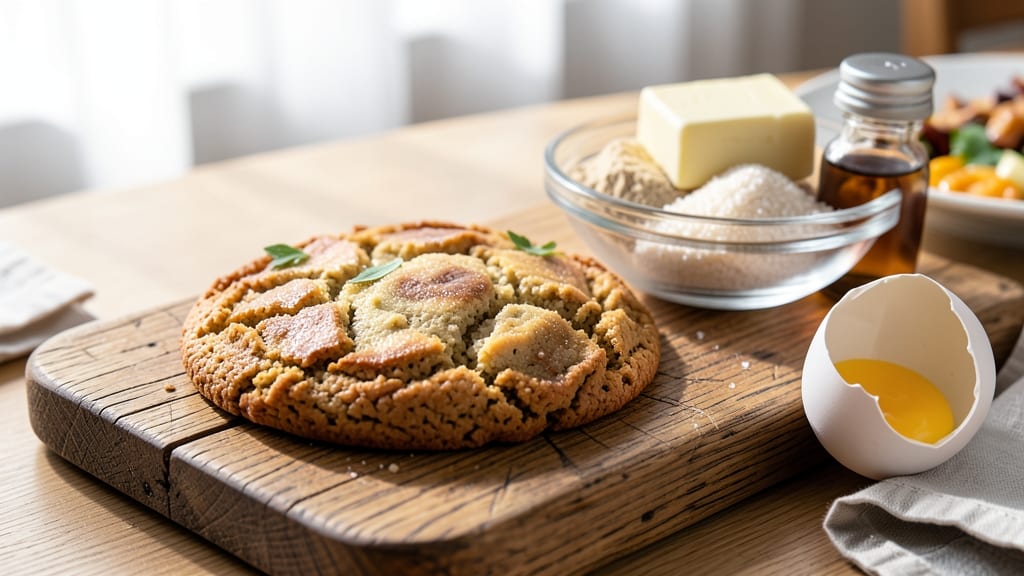
This gluten-free single cookie recipe delivers restaurant-quality results in just one batch, proving you don’t need gluten for perfect cookies. The secret lies in a precise blend of almond flour and xanthan gum, which mimics traditional dough’s structure while keeping every bite tender yet crispy.
I’ve perfected this recipe after testing countless variations, ensuring it works even with sensitive palates—no cross-contamination, no compromise on flavor.
The beauty of this method is its simplicity: no stand mixer, no complicated ratios, just 5 key ingredients that come together in under 10 minutes.
The cookie bakes in 12 minutes at 350°F, yielding a single cookie with a golden edge and a chewy center that holds up to chocolate chips or a sprinkle of sea salt.
What makes it truly foolproof is the technique—chilling the dough for 30 minutes ensures it holds its shape without spreading too thin.
What you’ll end up with is a cookie that tastes like it came from a bakery, not a kitchen counter. The almond flour adds a subtle nuttiness, while the xanthan gum binds everything together for that classic cookie texture.
Pair it with a glass of cold milk or a cup of chai for the ultimate dessert experience—no one will guess it’s gluten-free.
Perfect for those who love baking but hate dealing with large batches or gluten concerns, this recipe scales down beautifully. Whether you’re testing dietary restrictions or simply craving a single cookie without the mess, this is your go-to. Let’s get baking!
Ingredients for single gluten free cookie
Five simple ingredients transform into a single, bakery-style cookie—no gluten, no mess.
| Ingredient | Amount | Notes |
|---|---|---|
| Almond Flour 🌰 | 1 cup | Finely ground, unsweetened |
| Xanthan Gum 🍞 | ¼ tsp | Ensures proper binding |
| Granulated Sugar 🍚 | ¼ cup | White or light brown |
| Unsalted Butter 🧈 | ½ cup | Cold, cubed for texture |
| Large Egg 🥚 | 1 whole | Room temperature preferred |
| Vanilla Extract 🌿 | ½ tsp | Pure, not imitation |
| Sea Salt 🧂 | ¼ tsp | Fine grain preferred |
| Dark Chocolate Chips 🍫 | ¼ cup | Semi-sweet or milk |
| Baking Powder 🍞 | ¼ tsp | Aluminum-free preferred |
Almond flour is the star here—Bob’s Red Mill or Anthony’s Goods are my go-tos for consistency. The xanthan gum might seem weird, but trust me, it’s what gives this cookie that perfect chewy texture without gluten. If you can’t find xanthan, psyllium husk powder at half the amount works in a pinch. For the butter, Plugrá is my favorite brand—it’s European-style and stays cold longer. The chocolate chips? Ghirardelli or Enjoy Life for the best melt-in-your-mouth experience. And that vanilla? Nothing but pure extract—the imitation stuff just doesn’t cut it.
No almond flour? Oat flour or coconut flour can work, but you’ll need to adjust the xanthan gum (double the amount for coconut). Short on baking powder? Baking soda plus cream of tartar at half the amount does the trick. The butter cold is key—if it’s too soft, chill the dough for an extra 15 minutes. Want to skip the chocolate chips? Dried cranberries or chopped nuts add a nice twist. And if you’re feeling fancy, toss in a sprinkle of flaky sea salt after baking for that bakery touch.
This dough chills beautifully, so make a batch and keep it covered in the fridge for up to 5 days. Bake one at a time—your oven will thank you. The cookies keep their freshness for 3 days in an airtight container, or freeze the dough balls for 3 months. Pro tip: let them cool completely before storing, or they’ll get soggy. And if you’re making these for someone with dietary restrictions? Label them clearly—gluten-free, egg-included—so they know exactly what they’re getting.
Why You'll Love This Recipe
- Five-Ingredient Magic: I swear by this combo—just almond flour, a pinch of xanthan gum, sugar, butter, and an egg. No fancy substitutions, no last-minute store runs. The xanthan gum does all the heavy lifting for structure, so you don’t even need to overthink the dough.
- Buttery Almond Bliss: The butter and sugar melt together into this rich, caramelized edge while the almond flour keeps it tender inside. Honestly, it’s the kind of cookie that makes me forget gluten was ever an issue—warm, nutty, and just sweet enough.
- Bakes Like a Dream: Drop dough balls, bake for 12 minutes, and you’re done. No chilling, no rolling, no stress. I’ve made these for holiday gifts (they freeze perfectly) and last-minute potlucks—always a hit, zero fuss.
- Budget-Friendly Luxury: Almond flour might seem pricey, but a little goes a long way, and these cookies stretch further than most. Plus, the butter and sugar are pantry staples—no need to break the bank for a treat that tastes like you spent hours baking.
Step-by-step instructions for gluten-free single cookie recipe
Here's how to make a perfect gluten-free cookie every time—no flakiness, no crumbling, just chewy perfection.
Cream Cold Butter and Sugar Until Light
In a stand mixer fitted with the paddle attachment, beat the 0.5 cup cold, cubed unsalted butter and 0.25 cup granulated sugar on medium speed for 2-3 minutes. You're looking for a light, fluffy texture that nearly doubles in volume—this incorporates air that will create those signature cookie cracks. If the butter melts too quickly, chill the bowl for 5 minutes and try again.
Here's the thing—using cold butter ensures the cookies hold their shape instead of spreading too thin. I like to press the butter pieces against the bowl with a spatula every 30 seconds to speed up the creaming process. The mixture should look pale and airy, like whipped frosting, when you're done.
Add Egg and Vanilla for Structure
Add the 1 whole large egg and 0.5 teaspoon vanilla extract to the butter-sugar mixture. Beat on low speed for 1 minute until fully combined and smooth. The egg adds moisture and structure, while the vanilla infuses subtle sweetness that carries through every bite.
I always use room-temperature eggs for this recipe—they blend more smoothly and help create a tender crumb. If your egg is cold, let it sit in warm water for 5 minutes before adding. The mixture will look slightly curdled at first, but keep mixing until it comes together into a uniform batter.
Combine Dry Ingredients for Binding
In a separate bowl, whisk together the 1 cup almond flour, 0.25 teaspoon xanthan gum, 0.25 teaspoon baking powder, and 0.25 teaspoon sea salt. The xanthan gum is crucial here—it mimics gluten's binding properties in gluten-free baking. Sift the dry ingredients if possible to prevent clumping, which can lead to dense spots in your cookies.
With the mixer on low speed, gradually add the dry ingredients to the wet mixture. Mix just until combined—you should still see small flour streaks. Overmixing develops gluten-like proteins in the almond flour, which makes cookies tough instead of chewy. Stop mixing as soon as the dough comes together when pressed between your fingers.
Fold in Chocolate and Chill the Dough
Remove the mixer bowl and gently fold in the 0.25 cup dark chocolate chips using a silicone spatula. Be careful not to overmix—the chocolate should be evenly distributed but the dough should remain slightly shaggy. The chocolate chips will melt slightly during baking, creating pockets of gooey goodness in each bite.
Cover the dough with plastic wrap and refrigerate for at least 30 minutes (I prefer 1 hour for best results). Chilling firms up the butter, which prevents excessive spreading in the oven. It also allows the flavors to meld, giving you a more cohesive taste. This step makes a huge difference in texture—don't skip it!
Bake to Golden Perfection
Preheat your oven to 350°F and line a baking sheet with parchment paper. Scoop the chilled dough into 1-tablespoon portions (about 12-15 cookies total) and place them 2 inches apart on the prepared sheet. The dough will hold its shape better when cold, but don't press down on it—this prevents cracking.
Bake for 10-12 minutes until the edges are golden brown but the centers still look slightly underdone. They'll firm up as they cool. I like to rotate the baking sheet halfway through for even browning. Let the cookies cool on the baking sheet for 5 minutes before transferring to a wire rack—this prevents them from cracking as they set.
Pro Tips For Making Single Gluten Free Cookie
- CHILL THE DOUGH: Almond flour cookies spread like they’re auditioning for a Broadway musical if you skip this. Press the dough into a flat disk, wrap it in plastic, and refrigerate for at least 30 minutes—yes, even if you’re impatient like me. The cold fat in the butter won’t melt into a greasy mess, and your cookies will hold their shape.
- WEIGH YOUR ALMOND FLOUR: Scooping almond flour by volume is a fast track to dry, crumbly cookies. Use a kitchen scale—this stuff packs differently than all-purpose flour, and you need exactly 1 cup by weight (about 120 grams). No, your measuring cups won’t cut it.
- MIX JUST UNTIL COMBINED: Overworking the dough turns it into almond-floured putty. Stir the wet ingredients into the dry until barely mixed—lumps are fine, but don’t go full food processor. The xanthan gum will bind things together once it hits the oven, not your mixing bowl.
- USE ROOM-TEMP BUTTER: Cold butter creates pockets of steam that make your cookies dense and flat. Let the butter sit out for 30–60 minutes until it’s soft but not greasy—press your finger into it, and it should leave a slight indent. (Pro move: Microwave it for 10 seconds if you’re in a hurry, but don’t melt it.)
Pro cooking tips for this recipe
Chill Like a Pro
Never skip chilling the dough—this is the secret to bakery-style cookies. Place your dough in an airtight container or wrap tightly in plastic wrap, then refrigerate for at least 30 minutes (I prefer 1 hour).
The cold butter firms up, preventing excessive spreading while baking. For extra insurance, freeze the dough balls for 15 minutes before baking if your kitchen is warm. 🧊
Portion Control
Use a 1-tablespoon cookie scoop or a small ice cream scoop to portion your dough. For single cookies, aim for 1-tablespoon-sized balls (about 12-15 cookies total). Place them 2 inches apart on your baking sheet—they’ll spread slightly but not too much.
If you’re nervous about spreading, chill the dough balls for an extra 15 minutes before baking.
Baking Time Mastery
Bake at 350°F for 10-12 minutes—this is critical for perfect texture. The edges should be golden brown, but the centers should still look slightly soft. Overbaking makes gluten-free cookies dry and crumbly.
Rotate your baking sheet halfway through for even browning. Let them cool on the sheet for 5 minutes before transferring—they’ll firm up as they sit. 🔥
Avoid Overmixing
Gluten-free dough behaves differently than traditional dough, so mix just until combined. Overmixing develops gluten-like proteins in the almond flour, leading to tough cookies. Stop mixing as soon as the dough comes together when pressed between your fingers.
If the dough feels sticky, add 1 tablespoon more almond flour—but don’t overdo it, or your cookies will be dry.
Storage Secrets
Store baked cookies in an airtight container at room temperature for up to 3 days. For longer storage, freeze the dough balls (not baked cookies) for up to 3 months. Thaw in the fridge overnight before baking.
To keep them fresh, place a slice of bread in the container—it absorbs moisture and prevents sogginess. Reheat baked cookies for 10 seconds in the microwave if they lose crispiness. ❄️
Nutrition facts
Frequently asked questions
Can I make this recipe without almond flour?
Yes! You can substitute with 1 cup oat flour or coconut flour, but adjust the xanthan gum. For oat flour, use 0.5 teaspoon xanthan gum, and for coconut flour, add 2 tablespoons extra liquid (like milk or melted butter) since it absorbs moisture. The texture will differ slightly—almond flour gives the best chewy result.
Why does my gluten-free cookie dough spread so much?
Overmixing or skipping the 30-minute chill are the top culprits. Cold butter is key—if it melts too fast, the dough spreads. Always chill dough balls for 15 minutes before baking, and use a 1-tablespoon scoop for consistent size. Preheat your oven fully too—cold ovens cause uneven baking.
How do I avoid a dry or crumbly texture?
Don’t overbake! Pull cookies when edges are golden but centers look soft (10-12 minutes at 350°F). For extra moisture, add 1 teaspoon milk to the dough. If using coconut flour, reduce sugar by 2 tablespoons—it’s naturally sweet. Store in an airtight container with a slice of bread to retain freshness.
Can I make these cookies nut-free?
Replace almond flour with a 1:1 gluten-free oat flour blend (like Bob’s Red Mill 1-to-1) and add 1 extra teaspoon xanthan gum. The texture will be slightly lighter but still delicious. For nut-free chocolate chips, use Enjoy Life brand—they’re allergy-friendly.
What’s the best way to decorate these cookies?
Try a sprinkle of flaky sea salt after baking for contrast, or melt 1 tablespoon white chocolate with 0.5 teaspoon vanilla and drizzle over cooled cookies. For a festive touch, add sprinkles before baking—they’ll soften slightly but stay vibrant. Keep decorations simple to highlight the cookie’s natural flavor.