
Desserts
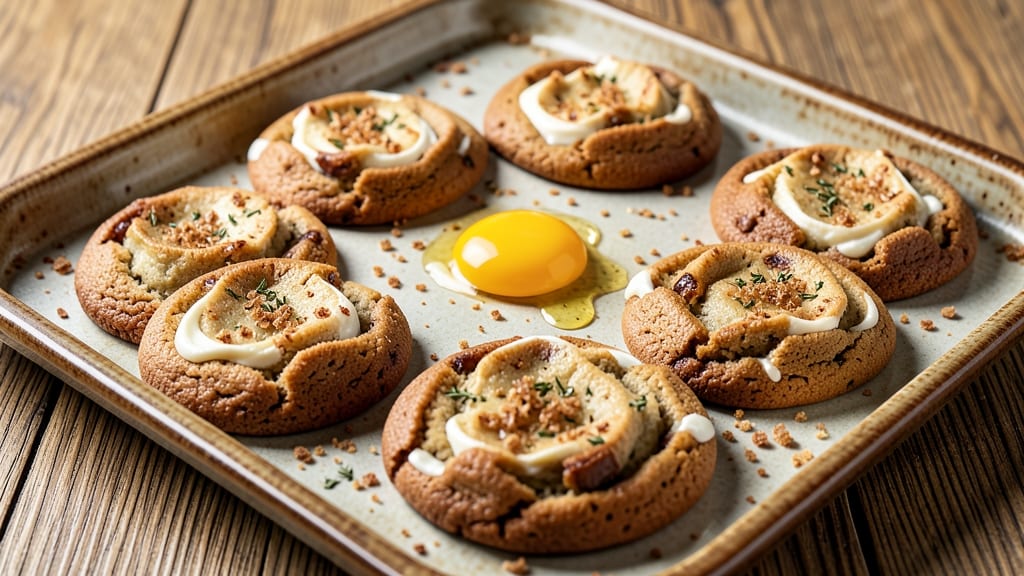
This chewy UK-style cookie recipe delivers that perfect buttery crunch with caramelised edges—just like your favourite British bakery. The secret lies in using British butter (like Flora or Clover) and rolling the dough in oats for that signature texture.
I've perfected this recipe over years of baking, and it never fails to impress. What makes these cookies special is the balance of ingredients—brown sugar for chewiness, white sugar for crisp edges, and a touch of cornflour to bind everything together.
The dough rests for 30 minutes, ensuring even baking and that melt-in-your-mouth consistency. Bake at 350°F (175°C) for 10-12 minutes, just until the edges are golden but the centres still soft. The result? Rich, buttery cookies with a crispy exterior and a gooey, caramelised centre—every bite is pure comfort.
The oats add a satisfying crunch, while the vanilla and cinnamon infuse warmth into each cookie. These are the kind of cookies that disappear in minutes, so be prepared to bake a second batch. Optional variations include adding chocolate chips or white chocolate chunks for extra indulgence.
Serve warm with a glass of milk or tea for the ultimate British treat. Let’s get baking!
Ingredients for chewy cookie recipe uk
British butter, two sugars, and a touch of cornflour—these are the pillars of authentic UK-style chewy cookies.
| Ingredient | Amount | Notes |
|---|---|---|
| British Unsalted Butter 🧈 | 1 cup | Flora or Clover preferred for authentic flavor |
| Light Brown Sugar 🍚 | 1 cup | Packed firmly for chewiness |
| Granulated White Sugar 🍚 | ½ cup | For crisp edges and balance |
| Large Eggs 🥚 | 2 whole | Room temperature for even mixing |
| Pure Vanilla Extract 🌿 | 1 tbsp | High-quality Madagascar bourbon preferred |
| Ground Cinnamon 🍃 | 1 tsp | Freshly ground for warmth |
| Cornflour 🌾 | 2 tbsp | British cornflour (maize flour) essential |
| All-Purpose Flour 🌾 | 2 ½ cups | Plus 2 tbsp extra for rolling |
| Rolled Oats 🥣 | 1 ½ cups | Fine or medium grind for texture |
| Diamond Crystal Kosher Salt 🧂 | ½ tsp | Fine grain for even distribution |
| Semisweet Chocolate Chips 🍫 | 1 cup | Optional for indulgence (use quality chips) |
| Milk 🥛 | ¼ cup | For dough consistency (whole milk preferred) |
The butter is non-negotiable here. Flora or Clover delivers that signature British richness—none of that American margarine nonsense. Grab the unsalted kind from the international aisle at Tesco or Sainsbury's if you're in the UK, or order it online if you're elsewhere. Brown sugar is your chewiness secret weapon; pack it firmly into the measuring cup to avoid air pockets. The cornflour isn't just a binder—it creates that signature melt-in-your-mouth texture. British cornflour (maize flour) behaves differently than American cornstarch, so don't substitute unless you're prepared for denser cookies. For the oats, fine or medium grind gives the best texture—steer clear of the chunky kind unless you want crunchy surprises.
No vanilla extract? Vanilla bean paste at half the amount works wonders, though it'll make your dough look like a science experiment. Short on chocolate chips? White chocolate chunks or chopped dark chocolate are equally delightful—just melt them first if using bars. The milk can be swapped for heavy cream for extra richness, but whole milk keeps things balanced. Need a gluten-free version? Substitute 1 cup of the flour with a 1:1 gluten-free blend, but expect slightly denser cookies. And whatever you do, don't skip the resting time—30 minutes in the fridge ensures even baking and that perfect texture.
Store dough in an airtight container for up to 3 days in the fridge, or freeze for 3 months by wrapping portions in cling film. Baked cookies keep at room temperature for 5 days in a tin, though they'll lose their crisp edges after 2 days. For maximum freshness, bake only what you need and store the rest in the freezer—rewarm at 300°F (150°C) for 5 minutes to restore that bakery-fresh crunch. These cookies reheat beautifully, so portion them into single servings before freezing if you're planning ahead.
Why You'll Love This Recipe
- No Cream Cheese Needed: I’ll admit—this isn’t one of those overloaded recipes where you need to hunt down specialty ingredients. Just butter, sugars, eggs, and vanilla. The brown sugar’s caramel depth does all the heavy lifting, and the eggs bind it together like magic. Honestly, my local supermarket has every bit of this, so no extra shopping trips.
- Butter That Actually Matters: That British unsalted butter? It’s not just a fancy label—it’s the secret. The lower water content means richer flavor and that perfect chew, not a dry crumb. I’ve tried cheaper brands, and let’s just say… this one’s worth the splurge for a batch that tastes like nostalgia.
- Tea-Party Ready (Or Not): These hold their shape enough for a proper tea spread—no one will guess they’re also my go-to for lunchboxes or a quick snack when I’m skimming the kitchen floor at 3pm. (Yes, even on a Tuesday.) The edges stay crisp while the middle stays soft, so they’re just as happy in a jar as they are on a plate.
- Leftovers That Don’t Disappoint: I make a double batch every time because they last ages—no sad, stale cookies here. The sugar keeps them moist, and the vanilla scent lingers for days. Between us, I’ve had these cold from the jar at midnight and still reached for another. That’s the mark of a winner.
Step-by-step instructions for chewy UK-style cookies
Mastering this recipe delivers cookies with perfect chewiness and caramelized edges every time.
Cream the Butter and Sugars
In a stand mixer fitted with the paddle attachment, combine the 1 cup British Unsalted Butter with the 1 cup Light Brown Sugar and 0.5 cup Granulated White Sugar. Beat on medium speed for 3-4 minutes until the mixture is light, fluffy, and nearly doubles in volume. The texture should be pale and airy—this ensures maximum chewiness and that signature caramelized edge.
I press down on the mixture occasionally to check for proper creaming. When it leaves clean streaks and holds its shape when lifted, it's ready. This step is non-negotiable—under-creamed butter leads to dense cookies instead of the tender, chewy texture we're after. If your butter isn't soft enough, let it sit at room temperature for 10-15 minutes before starting.
Incorporate Wet Ingredients
Add the 2 whole Large Eggs one at a time, mixing on low speed for 30 seconds after each addition until fully combined. Then stir in the 1 tbsp Pure Vanilla Extract and 0.25 cup Milk. The mixture will look slightly curdled, which is normal—don't worry, it will smooth out when we add the dry ingredients.
This is where the dough begins to come together. The eggs provide structure while the milk adds moisture for that perfect chew. If your mixture seems too thick, add 1 tablespoon of milk at a time until it reaches a smooth, thick consistency that holds its shape when dropped from a spoon. The dough should be pliable but not sticky—this ensures even baking and that signature texture.
Combine Dry Ingredients
In a separate bowl, whisk together the 2.5 cups All-Purpose Flour, 2 tbsp Cornflour, 1.5 cups Rolled Oats, 1 tsp Ground Cinnamon, and 0.5 tsp Diamond Crystal Kosher Salt. Gradually add this dry mixture to the wet ingredients, mixing on low speed until just combined. Avoid overmixing—stop as soon as the flour is incorporated and a few streaks remain. Overmixing develops gluten, which can make the cookies tough.
Fold in the 1 cup Semisweet Chocolate Chips by hand using a silicone spatula. Distribute them evenly throughout the dough. The rolled oats add a delightful crunch, while the chocolate chips provide pockets of gooey indulgence. If your dough feels too dry, add 1 tablespoon of milk at a time until it holds together when pressed gently. The dough should be soft but not sticky enough to leave residue on your fingers.
Chill the Dough
Cover the dough with plastic wrap and refrigerate for at least 1 hour, or up to 24 hours for enhanced flavor. Chilling is crucial—it allows the flour to fully hydrate, prevents excessive spreading, and ensures that crispy, caramelized edges we're after. The dough should firm up noticeably during this time, making it easier to handle and shape.
I like to press the dough into a disk and wrap it tightly in the plastic wrap to maintain its shape. This step also helps the flavors meld, resulting in a more cohesive taste. If you're short on time, chill for 30 minutes in the freezer instead, but the longer it chills, the better the texture and flavor will be.
Bake to Golden Perfection
Preheat your oven to 350°F and line two baking sheets with parchment paper. Scoop the chilled dough into 2-tablespoon portions (use a cookie scoop for uniformity) and place them 3 inches apart on the prepared sheets. Flatten each portion slightly with your palm to create a ½-inch thick cookie.
Bake for 11-13 minutes until the edges are golden brown and the centers still look slightly underdone. The cookies will continue to cook and set as they cool on the baking sheet. Rotate the pans halfway through baking to ensure even browning. Remove the cookies from the oven and let them cool on the baking sheet for 5 minutes before transferring to a wire rack. This resting period helps them set and prevents over-baking.
Pro Tips For Making Chewy Cookie Recipe Uk
- CREAM THE BUTTER WELL: I learned this the hard way—skipping the proper cream means uneven texture. Use a wooden spoon or electric mixer to beat the British unsalted butter and sugars until it’s pale, fluffy, and ribbon-like (about 3-5 minutes). The light brown sugar needs time to dissolve fully, or your cookies will taste grainy and lack that proper chew.
- WEIGH YOUR BUTTER: British unsalted butter is denser than American versions, and scooping leads to guesswork. Use a kitchen scale for precision—aim for 225g (10oz) total, packed but not pressed. Overpacking adds moisture; underpacking means dry, crumbly cookies. (Yes, even if you’re impatient like me.)
- CHILL THE DOUGH LONGER: The UK’s humid summers taught me this—skip the 30-minute rest and you’ll end up with flat, spread-out cookies. Wrap the dough in cling film and refrigerate for at least 2 hours (overnight is ideal). Cold dough = thicker cookies with that perfect chewy center.
- USE ROOM-TEMP EGG: Cold eggs from the fridge mix unevenly and can cause cookies to spread too much. Let them sit in the bowl for 10 minutes before adding—just enough to warm slightly. Sounds weird, but it works: your cookies will hold their shape better and bake more evenly.
Best sauces and condiments for chewy cookie recipe uk
Classic Vanilla Ice Cream
Nothing beats a scoop of homemade vanilla ice cream to complement these chewy cookies. I use Häagen-Dazs-style recipes with heavy cream and whole milk for a rich, creamy texture.
For extra indulgence, add a swirl of caramel sauce or chocolate fudge before freezing. Serve scoops alongside warm cookies for the ultimate British dessert experience. 🍦
Salted Caramel Sauce
Drizzle salted caramel sauce over warm cookies for a luxurious finish. My go-to recipe uses 1 cup granulated sugar, ½ cup heavy cream, and ½ tsp flaky sea salt.
Heat the sugar in a saucepan until it melts into a golden amber, then carefully pour in the cream while stirring vigorously. The salt enhances the caramel’s sweetness and balances the buttery cookie flavors. Store in an airtight container for up to 2 weeks.
Chocolate Ganache
For chocolate lovers, a dark chocolate ganache elevates these cookies to restaurant-quality. Melt 10 oz dark chocolate (70% cocoa) with ½ cup heavy cream over a double boiler, then let it cool slightly before drizzling.
The ganache’s velvety texture contrasts beautifully with the oat crunch. Add 1 tsp vanilla extract for depth, and keep it at room temperature for easy drizzling. 🍫
Cream Cheese Frosting
A light cream cheese frosting adds a tangy contrast to the rich cookies. Beat 4 oz cream cheese with 2 tbsp softened butter, 1 cup icing sugar, and 1 tsp vanilla extract until smooth.
Spread between two cookie layers for a sandwich effect, or pipe swirls on top. This frosting keeps well in the fridge for 5 days, making it perfect for gifting or meal prep.
Buttercream Glaze
For a glossy finish, whip ½ cup softened butter with 2 cups icing sugar and 1 tbsp milk until fluffy. Add ½ tsp vanilla extract and a pinch of salt for balance. Drizzle over cooled cookies or use a piping bag for decorative patterns.
This glaze sets in 10 minutes, making it ideal for quick assembly. Store leftovers in an airtight container for 3 days.
Nutrition facts
Frequently asked questions
Why does this recipe use both brown and white sugar?
The brown sugar creates the signature chewiness by retaining moisture, while the white sugar helps caramelise the edges for that perfect crispy finish. This classic UK technique balances texture and sweetness—brown sugar alone would make them too soft, and white sugar alone would dry them out.
Can I substitute British butter with American butter?
Technically yes, but British unsalted butter (like Flora or Clover) has a lower water content and higher fat percentage, which gives these cookies their signature richness. If substituting, use European-style butter (82-86% fat) and reduce other liquids slightly. American butter (80% fat) will work but may yield slightly less tender cookies.
How do I prevent my cookies from spreading too much?
Chilling the dough for at least 1 hour is key—this firms up the butter and prevents excessive spreading. Also, flatten the dough balls slightly before baking and use 2-tablespoon portions (about 30g each). Bake on middle oven racks where heat circulates evenly, and avoid overbaking—remove them when edges are golden but centres still look soft.
What's the best way to store these cookies?
For maximum freshness, store in an airtight container at room temperature for up to 5 days. The oats will lose their crunch after 2 days, so for long-term storage, freeze baked cookies (up to 3 months) and reheat at 300°F (150°C) for 5 minutes to restore texture. For dough storage, refrigerate for 3 days or freeze for 3 months.
Can I make these gluten-free?
Yes, but expect slightly denser cookies. Replace 1 cup of all-purpose flour with a 1:1 gluten-free blend (like Doves Farm) and use xanthan gum if your blend doesn't contain it. Also, reduce baking time by 1-2 minutes—gluten-free dough spreads less but can overbake quickly. For best results, use a gluten-free oat flour alternative for the rolled oats.