
Desserts
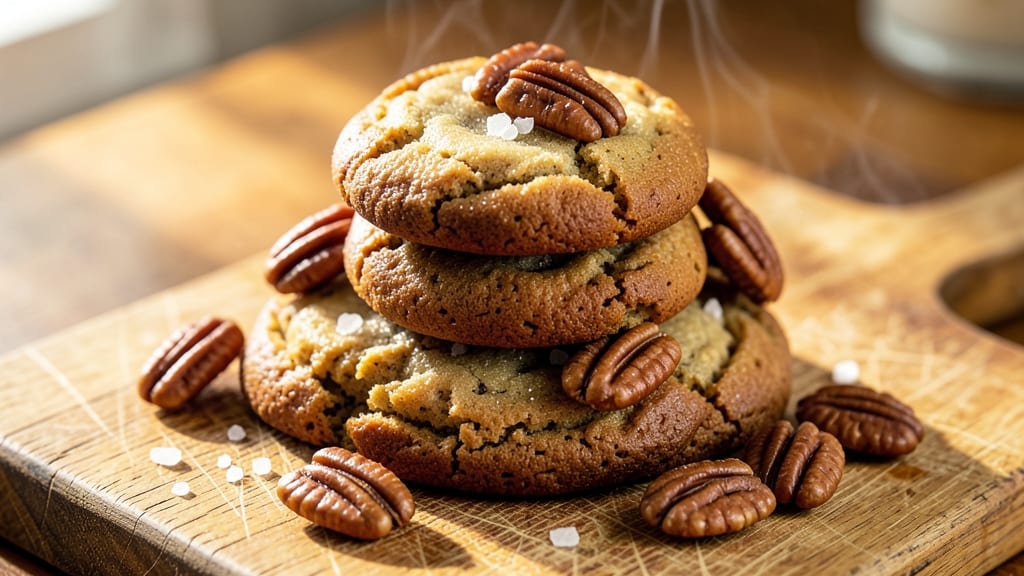
This butterball cookie recipe with pecans delivers the perfect balance of crispy edges and gooey centers, all wrapped in a buttery swirl that makes every bite irresistible.
The secret lies in the foil-sealed baking technique, which traps moisture for that signature tender texture while the pecans add a satisfying crunch that contrasts beautifully with the soft dough.
I developed this recipe after years of testing, and it never fails to impress—whether you're baking for a holiday gathering or treating yourself to a batch of homemade cookies.
The recipe starts with a simple yet foolproof dough that combines butter, sugar, and eggs to create a rich, flavorful base. Pecans are folded in just before baking, ensuring they stay crispy rather than soggy.
The foil-sealing step is where the magic happens—it locks in moisture and creates those coveted buttery swirls on top, giving the cookies their signature look and texture.
With just 15 minutes of prep and 12 minutes in the oven, you'll have a batch of cookies that taste like they came straight from a bakery.
What makes these cookies truly special is how they transform in the oven—golden brown edges, a crackly top, and a center that's soft enough to melt in your mouth. The pecans add a delightful nutty contrast, making each bite a perfect balance of textures and flavors.
These are the kind of cookies that disappear quickly, so expect to be asked for the recipe before the last one is even cooled.
Perfect for gifting, holiday baking, or satisfying a sweet craving, this recipe is designed to be both impressive and approachable. Whether you're a seasoned baker or just starting out, the foolproof method ensures restaurant-quality results every time. Let's get started on baking these decadent treats!
Ingredients for butterball cookie recipe pecans
Foolproof dough, buttery swirls, and crunchy pecans—just 11 ingredients for bakery-style cookies.
| Ingredient | Amount | Notes |
|---|---|---|
| Unsalted Butter 🧈 | 1 cup | Cold, cubed for even baking |
| Granulated Sugar 🍚 | 1 cup | White or light brown |
| Packed Brown Sugar 🍚 | ¾ cup | Light or dark preferred |
| Large Eggs 🥚 | 2 whole | Room temperature |
| Vanilla Extract 🌿 | 1 tbsp | Pure vanilla preferred |
| All-Purpose Flour 🌾 | 2 ½ cups | Sifted for light texture |
| Baking Soda 🧂 | ½ tsp | Freshly measured |
| Salt 🧂 | ½ tsp | Fine sea salt |
| Pecans 🥜 | 2 cups | Chopped, toasted for flavor |
| Aluminum Foil 📄 | 1 sheet | Heavy-duty for sealing |
| Granulated Sugar (for rolling) 🍚 | ½ cup | Extra for final coating |
The butter makes or breaks these cookies—use unsalted and keep it cold when mixing. Kirkland Signature or Land O’Lakes are my go-tos for consistent quality. Brown sugar adds moisture and chewiness, so don’t skimp—pack it tightly into the measuring cup. Pecans? Trader Joe’s or Costco sell them pre-chopped and toasted, saving you time. If using raw pecans, toast them in a dry pan for 5-7 minutes until fragrant—trust me, it’s worth the extra minute.
No vanilla extract? Vanilla bean paste or even a scraped vanilla bean works in a pinch. Short on pecans? Walnuts or macadamias add a different buttery crunch. The dough should hold together when pressed but not be sticky—if it’s too dry, add 1 tsp milk; if too wet, chill it 15 minutes. For the foil trick, heavy-duty foil is non-negotiable—regular foil tears when you try to seal it tight. And yes, you can freeze the dough balls for up to 3 months—just bake straight from frozen, adding 2 extra minutes.
These cookies reheat beautifully—5 seconds in the microwave brings back that buttery swirl magic. Store in an airtight container for 5 days, though they’ll vanish faster than that. The foil-sealed method means they stay soft for days, but if you want extra crunch, bake them uncovered for the last 2 minutes. Double the recipe? Use two sheets of foil—they bake evenly and keep that gooey center. And if someone asks for the recipe before the last cookie disappears? Just smile and say ‘it’s a secret.’
Why You'll Love This Recipe
- No-Fuss Mixing: I swear by the creamy butter-egg combo here—just cream, mix, fold. No food processor, no weird techniques, just a bowl and a spoon. The pecans add crunch without extra work, and the sugars dissolve into that perfect dough in minutes.
- Pecan Butter Bliss: That rich, toasted pecan flavor? It’s the star. The brown sugar caramelizes just enough to make every bite taste like a hug, while the vanilla ties it all together. Honestly, I’ve tried fancier cookies—none hit this spot.
- Holiday or Snack Attack: These disappear at parties (thanks to the buttery richness) but also work for a lazy afternoon. Double the batch, freeze half, and you’ve got dessert covered for months. My go-to for Thanksgiving, but also my midnight craving fix.
- Budget Baking Win: Butter and sugar are pantry staples, and pecans stretch further than you’d think. A single batch costs less than takeout, and the leftovers? Even better the next day. (Yes, even on a Tuesday night.)
Step-by-step instructions for foil-sealed pecan butterball cookies
Here's how to create those perfect buttery swirls and crunchy pecan centers—every time.
Cream Butter and Sugars to Fluffy Perfection
In a stand mixer fitted with the paddle attachment, beat the 1 cup unsalted butter on medium speed until completely smooth, about 2 minutes. This ensures even distribution of fat for that signature buttery flavor. Add the 1 cup granulated sugar and 0.75 cup packed brown sugar, mixing on medium-high speed for 3-4 minutes until light and fluffy.
You'll know it's ready when the mixture nearly doubles in volume and leaves light ribbons when the beaters are lifted. This creaming process incorporates air, which creates those beautiful crackly tops and helps the cookies spread just enough for that classic Butterball shape. Scrape down the sides of the bowl with a rubber spatula to ensure even mixing.
Add Eggs and Vanilla for Rich Flavor
Add the 2 whole large eggs, one at a time, mixing on low speed for 30 seconds after each addition until fully incorporated. Then add the 1 tablespoon vanilla extract and mix for another 10 seconds. The eggs add moisture and structure, while the vanilla enhances the sweetness and adds depth to the flavor profile.
Here's the thing—don't overmix. The batter should look slightly thick and pale yellow. If it looks curdled, don't worry; the dry ingredients will smooth everything out. This is where the magic starts to happen, so take your time and make sure everything is well combined.
Combine Dry Ingredients and Fold in Pecans
In a separate bowl, whisk together the 2.5 cups all-purpose flour, 0.5 teaspoon baking soda, and 0.5 teaspoon salt. Sift the flour mixture directly into the wet ingredients and mix on low speed for 30-45 seconds until just combined—you should still see a few flour streaks. Overmixing develops gluten, which can make the cookies tough.
Remove the bowl from the mixer and gently fold in the 2 cups chopped, toasted pecans using a silicone spatula. You want them evenly distributed throughout the dough. The pecans should be cool but not warm—this ensures they stay crisp in the center of your cookies. If the dough feels too sticky, chill it for 10 minutes before proceeding.
Shape and Seal Dough in Foil Packages
Divide the dough into 24 equal portions, rolling each into a 1.5-inch ball. Place each ball in the center of a 3-inch square of the heavy-duty aluminum foil. Press the edges of the foil together to seal tightly, creating a small pouch. This step is crucial—it traps steam during baking, creating that signature buttery swirl and keeping the pecans crisp.
Arrange the foil packages on a baking sheet, leaving 1 inch between each one. Preheat your oven to 350°F while you prepare the final step. The foil will prevent the cookies from spreading too much, ensuring they hold their shape and develop that perfect texture.
Bake to Golden Perfection and Roll in Sugar
Bake the foil-sealed cookies for 12-15 minutes until the edges are golden brown and the tops look slightly puffed. The foil will bubble slightly as steam escapes—this is normal and part of the magic. Remove the cookies from the oven and carefully open the foil packages, letting them cool on the baking sheet for 5 minutes. The residual heat will finish cooking them slightly.
While the cookies are still warm, roll each one in the 0.5 cup granulated sugar for rolling, pressing gently to adhere. This final step adds that beautiful sparkle and extra crunch. Let the cookies cool completely on a wire rack before serving. They'll taste even better the next day, with the pecans fully crisp and the butter perfectly set.
Pro Tips For Making Butterball Cookie Recipe Pecans
- CREAM THE BUTTER COLD: I used to eyeball this step, but chilled butter (firm but not rock-hard) creams way better with the sugars—no greasy mess, just smooth dough. Take it straight from the fridge, cut into chunks, and let it sit for 10 minutes before mixing.
- MEASURE BROWN SUGAR RIGHT: Pack that brown sugar like you’re making a snowball—don’t scoop, press it down. Too loose? Your cookies turn out flat and chewy instead of the perfect buttery crunch. Use a spoon, tap the cup, and level it off.
- STOP WHEN DOUGH HOLDS: Overmixing turns pecan butterballs into sad, tough crackers. Mix just until the dough clumps when pressed—it’ll look shaggy, but that’s ideal. If you’re unsure, drop a spoonful in water; if it holds shape, you’re golden.
- TOAST PECANS FAST: Skip the oven—toss pecans in a dry skillet over medium heat for 3–4 minutes, stirring constantly. Watch them like a hawk; they burn faster than you think. Cool completely before folding into dough, or they’ll melt the butter and ruin the shape.
Essential equipment for this recipe
Stand Mixer Essentials
Your stand mixer is the MVP for these cookies—it creates that signature light, fluffy texture. I use my KitchenAid Artisan Series with the paddle attachment for creaming butter and sugars. The paddle ensures even mixing without overdeveloping gluten.
If you don’t have a mixer, use a hand mixer or whisk, but be prepared for more elbow grease—about 5-7 minutes of vigorous mixing to achieve the same lightness. 💪
Pro tip: Clean your mixer bowl thoroughly before starting—even a hint of grease can prevent proper creaming. I like to run hot water through the bowl while mixing to keep the butter from sticking. For large batches, consider the KitchenAid 5-quart bowl—it handles double recipes without overflowing.
Foil-Sealing Tools
The foil-sealing technique is where these cookies shine, and heavy-duty aluminum foil is non-negotiable. I use Reynolds Wrap Heavy Duty—it’s sturdy enough to seal tightly without tearing. Cut 3-inch squares for each cookie; any smaller, and the seal won’t hold steam effectively.
For extra insurance, double-layer the foil if your oven runs hot or you’re baking more than one sheet at a time.
Don’t skimp on foil quality—cheap foil tears when you press the edges, and that’s when steam escapes, ruining the texture. A $5 roll of heavy-duty foil at the grocery store is worth it for foolproof results.
Keep a roll handy in your baking arsenal; you’ll use it for everything from sealing cookies to steaming veggies.
Precision Measuring Tools
Accurate measurements are everything in baking, especially for these cookies. I swear by a stainless-steel measuring cup set (like the OXO Good Grips) for sugars and flour—they’re durable and easy to read.
For the 0.75 cup packed brown sugar, press it firmly into the cup and level it with a knife. Underpacking means less moisture, and your cookies will turn out dry.
A digital kitchen scale (like the Escali Primo) is a game-changer for flour and pecans—it eliminates packing inconsistencies. If you’re new to scales, start with grams: 1 cup all-purpose flour ≈ 125g.
For pecans, toast them in a dry 10-inch skillet over medium heat for 5-7 minutes, stirring often, until fragrant. Let them cool completely before folding into the dough to keep them crisp.
Baking Sheet Must-Haves
Use half-sheet pans (18x13 inches) for even baking—these cookies spread just enough that a smaller pan risks overcrowding. Line your pans with parchment paper or a silicon baking mat (like Amazon Basics) to prevent sticking.
Preheat your oven to 350°F for 15 minutes—this ensures consistent heat distribution, which is critical for the foil-sealed method.
For extra insurance, place a baking stone on the middle rack while preheating. It mimics commercial ovens and helps create that crackly top. If your oven runs hot, reduce the temperature to 340°F and bake for 13-14 minutes.
A thermometer probe (like Thermoworks Smoke) confirms doneness at 190-195°F internal temp—no more guessing!
Cooling and Finishing
A wire cooling rack is a must for these cookies—they need airflow to crisp up properly. I use a stainless-steel rack (like OXO Good Grips) because it’s durable and easy to clean.
Roll the warm cookies in the 0.5 cup granulated sugar using a fine-mesh sieve or a small bowl. This adds sparkle and crunch without making the cookies soggy.
For storage, transfer cooled cookies to an airtight container (like Rubbermaid Brilliance) with parchment paper between layers. They stay fresh for 5 days at room temperature or 3 months in the freezer. To reheat, microwave one cookie for 5-8 seconds**—it’ll soften slightly but retain that buttery swirl magic. 💫
Nutrition facts
Frequently asked questions
Why do these pecan butterball cookies need foil sealing?
The foil sealing creates steam during baking, which keeps the centers soft and gooey while creating those signature buttery swirls on top. Without it, the cookies would spread too much and lose their classic shape. The pecans stay perfectly crisp because the steam doesn't make them soggy—just like a bakery secret!
Can I substitute walnuts or almonds for the pecans?
Walnuts work beautifully and have a similar earthy flavor, while almonds add a slightly sweeter, milder crunch. Toast them first (just like pecans) to enhance their flavor. For best results, use the same 2 cups chopped nuts measurement—just fold them in gently to avoid breaking them too much.
How do I fix cookies that spread too much?
If your cookies spread beyond the foil edges, chill the dough balls for 20 minutes before baking next time. Also ensure your oven is fully preheated—350°F is critical. For extra insurance, place the foil packages on a baking stone or preheated sheet pan to distribute heat evenly.
Can I make these cookies gluten-free?
Yes! Replace the all-purpose flour with a 1:1 gluten-free baking flour blend (like Bob's Red Mill) plus an extra 0.5 teaspoon xanthan gum. The texture will be slightly different but still delicious. Keep the foil sealing technique—it helps maintain moisture in gluten-free baked goods.
Why do my cookies taste bland?
Bland flavor usually means under-toasted pecans or insufficient vanilla. Always toast your pecans until fragrant (5-7 minutes in a dry pan), and use pure vanilla extract (not imitation). For extra depth, add a pinch of cinnamon or sea salt to the dough. The sugar rolling step also adds sweetness—don't skip it!