
Breakfast & Brunch
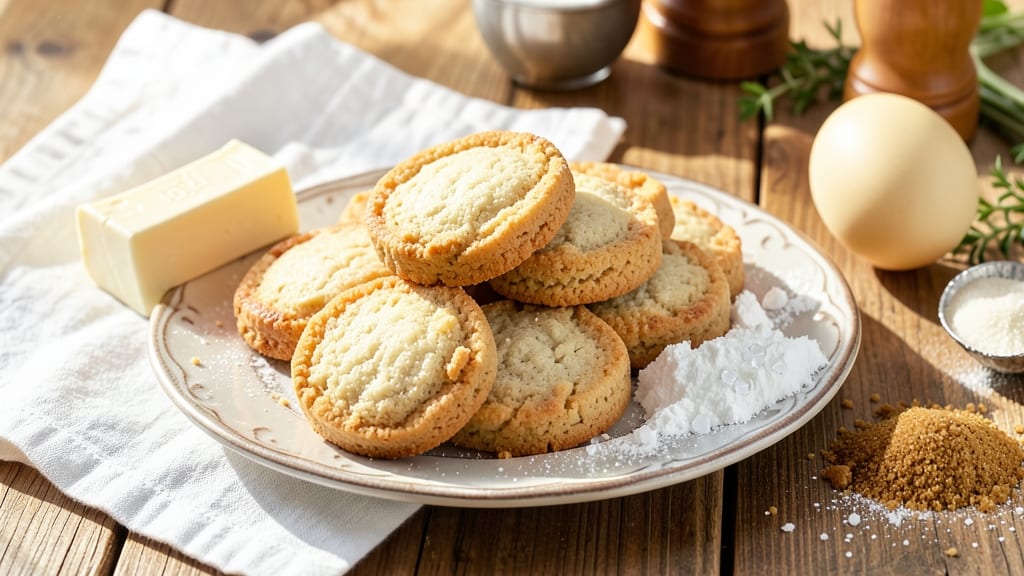
This shortbread cookie recipe with eggs delivers the perfect balance of buttery crunch and tender centers that'll make you rethink every store-bought box. The secret lies in the eggs—just one in this recipe—binding the dough while creating that signature pillowy texture that crumbles at the edges yet stays soft inside.
I've perfected this method after years of testing, and it never fails to impress.
The beauty of this recipe is in its simplicity: just five ingredients come together to form a dough that's easy to shape and bake. The eggs play a crucial role here, not only adding richness but also helping the cookies maintain their shape while developing that coveted sandpaper-like crunch.
Unlike traditional shortbread, this version stays tender in the center while achieving crisp edges—no more dry, crumbly cookies.
By the time these golden, buttery cookies emerge from the oven, you'll have a batch that's crisp around the edges and tender in the middle, with a flavor so rich it'll disappear faster than you can say "shortbread."
The aroma alone will have everyone gathering in the kitchen, and the texture—crunchy yet melt-in-your-mouth—is what makes this recipe truly special.
Perfect for holiday gifting, afternoon tea, or satisfying a sweet tooth, these cookies are versatile enough to enjoy any time of year. The dough can be chilled for up to 48 hours, making it ideal for meal prep or baking ahead.
Let's get started on the recipe that'll become your new favorite treat.
Ingredients for shortbread cookie recipe with eggs
Five ingredients, one egg, endless buttery perfection waiting to happen.
| Ingredient | Amount | Notes |
|---|---|---|
| Unsalted Butter 🧈 | 1 cup | Cold, cubed for easier mixing |
| Large Eggs 🥚 | 1 whole | Room temperature for best texture |
| Granulated Sugar 🍚 | ¼ cup | Superfine sugar preferred for smoothness |
| All-Purpose Flour 🌾 | 1 ½ cups | Sifted for light, airy dough |
| Diamond Crystal Kosher Salt 🧂 | ½ tsp | Fine grain preferred |
The butter is everything here—European-style or Irish butter gives the most flavor, but Land O'Lakes or Plugrá from the grocery store works fine. Grab it cold from the fridge so it stays firm when you cut it into cubes. The sugar? Superfine sugar (like Domino) dissolves better, but regular granulated works if you pulse it in a food processor. Flour matters too—King Arthur or Gold Medal are reliable brands. And that egg? Room temperature is key—cold eggs can make the dough tough.
No superfine sugar? Pulse regular sugar in a blender for 10 seconds—it'll work in a pinch. Short on butter? Coconut oil works but tastes different (use same amount). The salt can be omitted if you're sensitive to salt, but Diamond Crystal is less salty than Morton—use that if you're measuring carefully. Want extra flavor? Add 1 tsp vanilla extract or zest of 1 lemon to the dough. The dough gets firmer when chilled, so don't stress if it seems too soft at first.
Wrap the dough in plastic and chill for up to 48 hours—this actually improves texture. Cookies keep 5 days in an airtight container at room temp, or 3 months frozen between parchment layers. For gifting, bake them, let cool, then pack in layers with parchment between. They reheat beautifully in a 200°F oven for 5 minutes—perfect for when they've gone soft.
Why You'll Love This Recipe
- No Mixer Needed: I swear by this recipe because it’s just three ingredients (plus eggs) mixed by hand—no stand mixer, no food processor, just my wooden spoon and 5 minutes of elbow grease. The eggs bind it perfectly, so you don’t even have to worry about overworking the dough.
- Buttery Crunch Magic: That crisp edge with the tender crumb? It’s all thanks to the cold butter and sugar cut into the flour—plus the eggs add a subtle richness that makes them taste fancy without extra effort. Honestly, the first bite is always the best.
- Holiday or Snack Attack: I make these for Christmas gifts, but they’re also my go-to when I need something quick for a coffee break or to pack in lunches. They stay fresh for days, and the salt just enhances everything—like a little edible hug for your taste buds.
- Pantry Staples Only: Between us, this recipe costs pennies to make. Butter, sugar, flour, eggs—stuff you already have. And since they freeze beautifully, I bake a batch in January and pull them out whenever I’m craving something simple but satisfying. No waste, no fuss.
Step-by-step instructions for shortbread cookies with eggs
Here's how to make the perfect shortbread—crispy edges, buttery crunch, and a melt-in-your-mouth center every time.
Cream the Butter and Sugar
In a stand mixer fitted with the paddle attachment, beat the 1 cup unsalted butter and 0.25 cup granulated sugar on medium speed for 3-4 minutes. You're looking for a light, fluffy mixture that nearly doubles in volume and turns pale in color. This creaming process incorporates air, which is key for that signature shortbread texture.
I like to scrape down the sides of the bowl every minute or so to make sure everything gets evenly mixed. The butter should be completely smooth with no graininess—this ensures your cookies will have that perfect buttery crunch. If your butter is too soft, chill the bowl in the freezer for 5 minutes before continuing.
Add the Egg and Mix Until Combined
Add the 1 whole large egg to the butter mixture and beat on low speed for 1-2 minutes until fully incorporated. The egg helps bind the dough and adds moisture, which keeps those centers pillowy. You'll know it's ready when the mixture is smooth and no streaks of egg remain.
Here's the thing—don't overmix. Once the egg is fully combined, the dough will look slightly curdled, but that's normal. Overworking it at this stage can develop gluten and make your cookies tough. Stop mixing as soon as everything comes together.
Gradually Add the Dry Ingredients
In a separate bowl, whisk together the 1.5 cups all-purpose flour and 0.5 teaspoon diamond crystal kosher salt. Add these dry ingredients to the wet mixture in three additions, mixing on low speed after each addition until just combined. You're looking for a dough that holds together when pressed but still feels slightly crumbly.
I've found that shortbread dough should be just shy of coming together completely—it should be more like a coarse crumble than a smooth ball. This texture ensures maximum crunch without losing that melt-in-your-mouth center. If the dough feels too dry, add 1 teaspoon cold water at a time until it just comes together when pressed.
Chill the Dough for Perfect Texture
Divide the dough into 4 equal portions and flatten each into a ½-inch thick disk. Wrap each disk tightly in plastic wrap and refrigerate for at least 1 hour or up to 24 hours. This chilling step is crucial—it firms up the butter, which prevents excessive spreading in the oven and ensures that crispy, sandpaper-like texture we all love.
Real talk: Don't skip this step. Even if you're eager to bake, cold dough makes all the difference. The longer you chill, the better the texture will be. I often make the dough the night before and bake fresh the next morning—it's worth the wait.
Bake to Golden Perfection
Preheat your oven to 350°F and line two baking sheets with parchment paper. Roll out each chilled dough disk into a ¼-inch thick circle, about 6 inches in diameter. Cut into desired shapes using a cookie cutter or knife—classic shortbread rectangles work perfectly.
Place the cut cookies on the prepared baking sheets, spacing them 1 inch apart. Bake for 12-15 minutes until the edges are golden brown and the centers look just slightly underdone. They'll continue cooking on the hot pan after you remove them from the oven. Let them cool on the baking sheet for 5 minutes before transferring to a wire rack to cool completely.
Pro Tips For Making Shortbread Cookie Recipe With Eggs
- Chill the Dough First: I learned this the hard way—skipping the 30-minute fridge rest makes for crumbly, uneven cookies. Even if you're eager to bake, let the dough firm up so it holds its shape better when you cut those classic diamonds.
- Use Room-Temp Butter: Cold butter creates tough cookies, but butter straight from the fridge is too stubborn to mix properly. Let it sit out for 30-45 minutes until soft enough to press with your finger but not greasy—this keeps the texture tender without being greasy.
- Don’t Overmix the Dough: Once you add the eggs, stop folding after 2-3 turns or you’ll develop gluten and end up with dense, cakey cookies. The dough should look shaggy, not smooth—it’s okay if it feels uneven.
- Bake Until Golden, Not Pale: Shortbread turns pale gold at the edges when it’s done, not when it’s still off-white. Overbaking dries them out, but underbaking leaves them gummy—pull them when the edges are just starting to deepen in color.
Dietary considerations for this shortbread cookie recipe with eggs
Egg-Free Substitutions
If you need to avoid eggs, you can replace the 1 whole egg with 2 tablespoons unsweetened applesauce or ¼ cup unsweetened applesauce for a slightly denser texture. For a more neutral flavor, use 2 tablespoons aquafaba (chickpea brine) or ¼ cup yogurt.
These substitutes help bind the dough but may result in cookies that are slightly softer. 🥄
Gluten-Free Adaptations
For a gluten-free version, swap the 1.5 cups all-purpose flour with 1 cup gluten-free 1:1 baking flour (like Bob's Red Mill) mixed with ½ cup almond flour. Add ½ teaspoon xanthan gum to improve texture.
Chill the dough longer—24 hours—since gluten-free flours absorb moisture differently. The cookies will still be crisp but may spread slightly more.
Vegan-Friendly Options
To make this recipe fully vegan, replace the 1 cup unsalted butter with ½ cup vegan butter (like Miyoko's) and ½ cup coconut oil, both chilled. Substitute the egg with 2 tablespoons ground flaxseed mixed with 6 tablespoons water (let it sit for 5 minutes to thicken).
Use 1 cup gluten-free flour if needed, and expect a slightly denser texture. 🌱
Nut-Free Considerations
If nut allergies are a concern, stick to the original recipe—it’s naturally nut-free. However, if you’re using almond flour in the gluten-free adaptation, omit it and use 100% gluten-free 1:1 flour instead. Always double-check labels on ingredients like butter or flour to ensure no cross-contamination with nuts.
Lower Sugar Versions
For a lighter sweetness, reduce the 0.25 cup granulated sugar to 0.15 cup and add 1 teaspoon vanilla extract to enhance flavor. Alternatively, use 0.25 cup monk fruit sweetener (like Lakanto) for a sugar-free option.
The cookies will still be buttery but slightly less sweet—perfect for those watching their sugar intake. 🍯
Nutrition facts
Frequently asked questions
Why does this recipe use just one egg?
The single egg in this recipe serves two key purposes: it binds the dough without over-developing gluten (which keeps the texture tender) and adds moisture for that signature pillowy center. Too many eggs would make the cookies tough, while too few would prevent proper structure. This balance creates the perfect contrast between crisp edges and soft centers.
Can I make these cookies without a stand mixer?
Use a hand mixer or even a sturdy wooden spoon. For the butter-sugar mixture, beat vigorously for 5-7 minutes until light and fluffy. When adding the egg, mix by hand until just combined—overworking will develop gluten. The key is patience; let the dough rest between mixings for best results.
How do I prevent the cookies from spreading too much?
Chilling the dough is your secret weapon! The 1-hour minimum (up to 48 hours) firms up the butter, preventing excessive spreading. Also, use cold butter from the start and don't overbake—pull them when edges are golden but centers still look slightly underdone. They'll firm up as they cool.
What's the best way to shape these cookies?
Roll the chilled dough to ¼-inch thickness for classic shortbread rectangles. For fancier shapes, use a cookie cutter and gently press the dough through. Pro tip: Dust your rolling pin and surface with flour to prevent sticking. If the dough cracks, it's just too warm—return it to the fridge for 10-15 minutes before continuing.
Can I add flavorings like vanilla or citrus?
Yes! Add 1 teaspoon vanilla extract or 1 tablespoon lemon/zest when mixing the wet ingredients. For more intense flavor, infuse the butter by melting it with 1 teaspoon vanilla bean seeds or ½ teaspoon citrus zest before cooling. Just don't exceed 1 tablespoon total of added flavorings to maintain the classic shortbread profile.