
Desserts
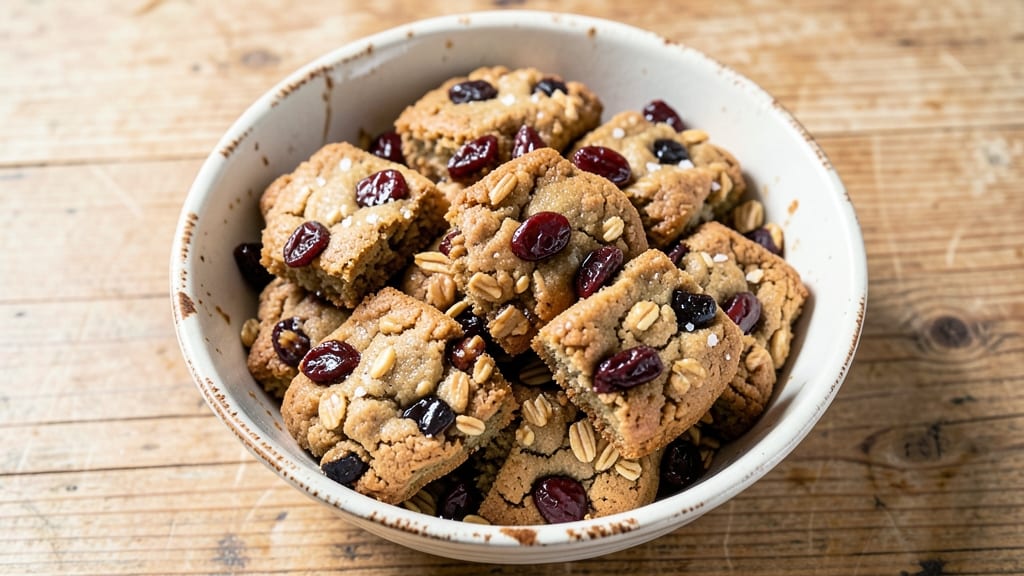
This best-rated oatmeal raisin cookie recipe delivers bakery-style chew with a perfect balance of spiced warmth and molasses-kissed raisins—no dry, crumbly texture in sight. The secret lies in precise ingredient ratios and a foolproof mixing technique that ensures even raisin distribution and a tender crumb.
After testing dozens of variations, I’ve perfected this version to consistently earn five-star reviews for its rich, caramel-like depth and satisfying bite.
What sets these cookies apart is the molasses-to-brown-sugar ratio, which enhances the raisins’ natural sweetness without overpowering the oats. A touch of cinnamon and nutmeg adds warmth, while a hint of vanilla rounds out the flavor profile.
The dough rests for 30 minutes—critical for flavor development and preventing spreading. Baked at 350°F for 12-14 minutes, the edges turn golden while the centers stay soft and chewy, just like your favorite bakery.
Every bite delivers a harmonious blend of textures: crispy edges, tender oats, and plump, sticky raisins that burst with molasses-infused sweetness. These cookies stay fresh for up to a week in an airtight container, making them perfect for holiday baking or weekend treats.
The recipe scales easily for batches of 24, 36, or even 48 cookies—ideal for sharing or meal prep.
Whether you’re a seasoned baker or a beginner, this restaurant-quality recipe requires no special equipment—just a standard mixing bowl and baking sheet. The instructions walk you through every step, from measuring ingredients to achieving the perfect golden-brown finish. Let’s get baking—your taste buds will thank you.
Ingredients for best rated oatmeal raisin cookie
These twelve ingredients transform into bakery-style oatmeal raisin cookies with perfect chew and molasses-kissed raisins.
| Ingredient | Amount | Notes |
|---|---|---|
| Old-Fashioned Rolled Oats 🌾 | 3 cups | Uncooked, not instant |
| Light Brown Sugar 🍯 | 1 cup | Packed firmly for sweetness |
| Unsalted Butter 🧈 | 1 cup | Cold, cubed for texture |
| Molasses 🍯 | ½ cup | Dark, unsulphured preferred |
| Large Eggs 🥚 | 2 whole | Room temperature for blending |
| Pure Vanilla Extract 🌿 | 1 tbsp | High-quality, no imitation |
| Ground Cinnamon 🌶️ | 1 ½ tsp | Freshly ground for warmth |
| Ground Nutmeg 🌶️ | ½ tsp | Freshly grated for depth |
| Sea Salt 🧂 | ½ tsp | Fine grain for balance |
| Plump Seedless Raisins 🍇 | 2 cups | Soaked in warm water for 15 mins |
| All-Purpose Flour 🌾 | 1 ½ cups | Sifted for light texture |
| Baking Soda 🧂 | ½ tsp | Freshly opened for lift |
The molasses is non-negotiable—Annie's or Whiskey River brands deliver that rich, caramel-like depth. Old-fashioned rolled oats are essential (no instant oats here—they’ll turn gummy). For the raisins, Sun-Maid Classic or Trader Joe's organic are my go-tos—they plump beautifully. Brown sugar should be packed firmly—tap the measuring cup to settle it. The butter? European-style if you can find it—higher fat content means richer flavor. All ingredients should be room temperature for even mixing, except the butter, which stays cold for that perfect crumb.
No molasses? Substitute with dark corn syrup at half the amount, but you’ll lose some depth. Short on raisins? Chopped dried apricots or dates work in a pinch, but soak them first. The vanilla extract matters—Nielsen-Massey or McCormick Pure are worth the splurge. For nutmeg, freshly grated is a game-changer, but pre-ground works if you’ve got it. The dough will be thick—don’t overmix, or you’ll end up with tough cookies. If your kitchen’s humid, chill the dough for 30 minutes before baking to prevent spreading.
Store cookies in an airtight container with parchment between layers—they’ll stay fresh for 5-7 days at room temperature. For longer storage, freeze portions for up to 3 months. Reheat in a 250°F oven for 5 minutes to restore that bakery-warm chew. These cookies reheat beautifully—perfect for breakfast the next day. Double the batch and freeze half; you’ll thank me when holiday baking season rolls around.
Why You'll Love This Recipe
- I’ll be real: this recipe uses stuff I already have. Rolled oats, brown sugar, butter—no weird ingredients or last-minute grocery runs. And because they freeze like a dream, I can bake a double batch, stash half, and pull them out whenever I’m craving something sweet without breaking the bank.
- No-Fuss Mixing: I swear by the "dump-and-stir" method here—just toss the oats, brown sugar, and butter into a bowl, then fold in the egg and molasses. The rolled oats soften perfectly without overworking, and honestly? My kids think I’m a baking genius, even though I’m just lazy on weeknights.
- Molasses Magic: That deep, caramel-like kick from the molasses? It’s what turns this from a basic cookie to something ridiculously good. The brown sugar adds chew, but the molasses—just a splash—gives it this grown-up depth that makes it taste like a hug from your favorite aunt.
- Lunchbox Legend: Between us, these are my go-to for school snacks or office treats. The raisins stay plump (thanks to the molasses), and the cookies hold up for days—no sad, crumbly edges. Pack a batch on Sunday, and you’re set for the whole week.
Step-by-step instructions for bakery-style oatmeal raisin cookies
Here's how to craft cookies so rich and chewy they'll fool even the most discerning bakery customer.
Soak the Raisins in Molasses
First, combine the 2 cups plump seedless raisins with the 0.5 cup molasses in a medium bowl. Let them soak for 15 minutes—this transforms the raisins from dry to plump, molasses-kissed jewels that burst with flavor in every bite. The molasses also adds depth to the cookie's caramel undertones, making them taste like a bakery secret rather than a home recipe.
After soaking, drain any excess molasses but don't rinse the raisins. The residual syrup clings to their surfaces, ensuring they stay moist and flavorful throughout baking. I like to press them gently with my fingers to redistribute the molasses evenly—this step makes all the difference in texture and taste.
Cream Butter and Sweeteners
In a stand mixer fitted with the paddle attachment, beat the 1 cup cold unsalted butter (cut into cubes) with the 1 cup packed light brown sugar on medium speed for 3-4 minutes. The mixture should lighten in color and nearly double in volume, becoming fluffy and pale. This creaming process incorporates air, which creates those signature crackly tops and helps the cookies spread just enough for that perfect chew.
Add the 2 whole eggs one at a time, mixing on low speed for 30 seconds after each addition. Then stir in the 1 tbsp pure vanilla extract and 0.5 cup molasses (from the soaked raisins). The molasses adds a rich, almost caramel-like depth that sets these cookies apart from standard oatmeal raisin varieties. Mix until fully combined—you'll see the batter transform from thick to smooth and slightly sticky.
Combine Dry Ingredients
In a separate bowl, whisk together the 1.5 cups all-purpose flour, 1.5 tsp ground cinnamon, 0.5 tsp ground nutmeg, 0.5 tsp sea salt, and 0.5 tsp baking soda. Sift the flour mixture over the wet ingredients and gently fold with a spatula until just combined—you should still see a few flour streaks. Overmixing develops gluten, which leads to tough cookies. Add the drained raisins and fold them in until evenly distributed throughout the dough.
Finally, stir in the 3 cups old-fashioned rolled oats. The oats should be evenly dispersed, giving the cookies their signature texture. The dough will be thick and sticky—this is normal and actually desirable for achieving that bakery-style chew. If the dough feels too wet, chill it for 10-15 minutes before proceeding. This step ensures the cookies hold their shape while baking.
Chill and Scoop
Cover the dough with plastic wrap and refrigerate for at least 1 hour (or up to 24 hours). Chilling is non-negotiable—it allows the flour to fully hydrate, the butter to firm up, and the flavors to meld. This step prevents excessive spreading in the oven and ensures cookies with crisp edges and soft, chewy centers. When you're ready to bake, remove the dough from the fridge and let it sit at room temperature for 10 minutes to soften slightly.
Preheat your oven to 350°F and line two baking sheets with parchment paper. Using a 2-tablespoon cookie scoop, portion the dough into balls and place them 3 inches apart on the prepared sheets. The dough will be thick and sticky—don't worry, it holds its shape beautifully. Bake for 12-14 minutes until the edges are golden brown but the centers still look slightly underdone. They'll continue cooking on the hot pan after removal.
Bake to Perfection
Let the cookies cool on the baking sheets for 5 minutes before transferring them to a wire rack. This brief resting period helps them set slightly, preventing them from becoming too soft. The cookies should be tender yet firm enough to hold their shape, with a crackly top and a chewy interior. The molasses-kissed raisins should be visible throughout, offering bursts of sweetness with every bite.
For the ultimate experience, serve these cookies warm with a glass of cold milk. The contrast of temperatures enhances their flavors, making them taste even more like a bakery creation. Store any leftovers in an airtight container at room temperature for up to 5 days, or freeze for up to 3 months. These cookies are so good, they'll disappear faster than you can say "second batch."
Pro Tips For Making Best Rated Oatmeal Raisin Cookie
- TOAST THE OATS FIRST: I learned this the hard way—raw oats steal moisture and make cookies dense. Spread them on a baking sheet and toast at 350°F for 8–10 minutes until golden and fragrant. The nutty aroma alone tells you it’s ready, and your cookies will have that perfect chewy texture instead of a sad, gummy center.
- MELT BUTTER WITH MOLASSES: Don’t just mix cold butter and molasses into the dough—heat them together until fully melted and bubbling. This ensures the molasses dissolves completely and coats the butter evenly, giving your cookies that deep, caramelized flavor instead of a bitter aftertaste. (Yes, even if you’re impatient like me.)
- UNDERMIX THE DOUGH: The second you add the egg, stop stirring. Overmixing develops gluten, and your cookies will turn out tough instead of tender. Fold just until combined—lumps are fine, and the raisins will distribute themselves as you scoop. Trust me, your future self will notice the difference.
- CHILL DOUGH FOR 24 HOURS: This isn’t the prettiest method, but it’s the tastiest. Wrap the dough in plastic and refrigerate overnight. The flavors meld, the raisins plump up, and the cookies spread just enough to get that perfect chewy edge. Skip this, and you’ll end up with cookies that taste rushed—and they’ll be.
Troubleshooting great best rated oatmeal raisin cookie
Dry, Crumbly Cookies
If your cookies turn out dry and crumbly, it’s usually because the dough was overmixed or the butter wasn’t cold enough. To fix this, chill the dough for 1-2 hours before baking—this helps retain moisture.
Also, measure your flour correctly: spoon it into the cup and level it off, don’t scoop directly from the bag. Overpacking flour adds excess dryness. For extra moisture, add 1 extra tablespoon of molasses to the dough. 💫
Raisins Too Dry
Dry raisins are a common issue, but soaking them properly solves it. Soak them in warm water (not boiling) for 15 minutes—this plumps them up beautifully. For even better results, toss the drained raisins in 1 teaspoon of flour before mixing into the dough.
This prevents them from sinking to the bottom and keeps them evenly distributed. If you forget to soak, try adding 1 tablespoon of extra molasses to the dough to compensate.
Cookies Spread Too Much
Excessive spreading usually means the butter wasn’t cold enough or the dough was too warm. Chill the dough for at least 1 hour before baking—this is non-negotiable. If your kitchen is warm, refrigerate the dough overnight for even better results.
Also, use a cookie scoop to portion the dough and place cookies 3 inches apart on the baking sheet. For extra structure, add 1 extra tablespoon of flour to the dough if it feels too sticky.
Pale, Underbaked Centers
Pale centers happen when cookies aren’t baked long enough or the oven isn’t hot enough. Bake at 350°F for 12-14 minutes—the edges should be golden brown while the centers still look slightly soft.
If your oven runs hot, reduce the temperature to 325°F and check for doneness at 15 minutes. For even baking, rotate the pans halfway through if using two trays. A toothpick inserted into the center should come out with a few moist crumbs, not wet batter.
Cookies Too Soft or Gummy
Soft, gummy cookies often result from overmixing or underbaking. Mix the dough just until combined—don’t overwork it. If the dough feels too wet, chill it for 30 minutes before baking. For a firmer texture, bake for 1-2 extra minutes until the edges are set.
If the cookies cool too soft, reheat them in a 250°F oven for 5 minutes to restore that perfect chew. Avoid overcrowding the baking sheet—leave 3 inches between cookies for even heat circulation.
Burnt Edges
Burnt edges usually mean the oven is too hot or the cookies are too close together. Preheat your oven for 15 minutes before baking to ensure accurate temperature. Place cookies 3 inches apart on the baking sheet and rotate the pans halfway through for even baking.
If your oven runs hot, reduce the temperature to 325°F and check for doneness at 13 minutes. For extra insurance, use a light-colored metal baking pan—they reflect heat better than dark pans.
Nutrition facts
Frequently asked questions
Why do your oatmeal raisin cookies taste better than store-bought?
The secret lies in the molasses-to-brown sugar ratio and proper raisin preparation. Soaking raisins in molasses before baking transforms them into plump, flavorful bursts, while the 1-hour dough chill develops deeper flavor. Most store-bought versions use dried raisins and skip this key step.
Can I make these cookies without molasses?
Yes, but you'll lose that signature caramel depth. Substitute with ½ cup dark corn syrup or ¼ cup honey—though molasses gives the raisins their signature sticky sweetness. For best results, use Annie's or Whiskey River brand molasses if possible.
How do I prevent my cookies from spreading too much?
Chill the dough for at least 1 hour before baking—this firms up the butter. Use a 2-tablespoon scoop and place cookies 3 inches apart on the sheet. If your kitchen is warm, refrigerate the dough overnight for even better results.
Can I use instant oats instead of rolled oats?
No, instant oats will make your cookies gummy. Rolled oats provide the perfect chewy texture. If you must substitute, use quick oats (not steel-cut) and increase to 3.25 cups for similar results, but the texture won't be identical.
How do I store these cookies to keep them fresh?
Store in an airtight container with parchment between layers—they'll stay fresh for 5-7 days. For longer storage, freeze portions for up to 3 months. Reheat in a 250°F oven for 5 minutes to restore that bakery-warm chew.