
Desserts
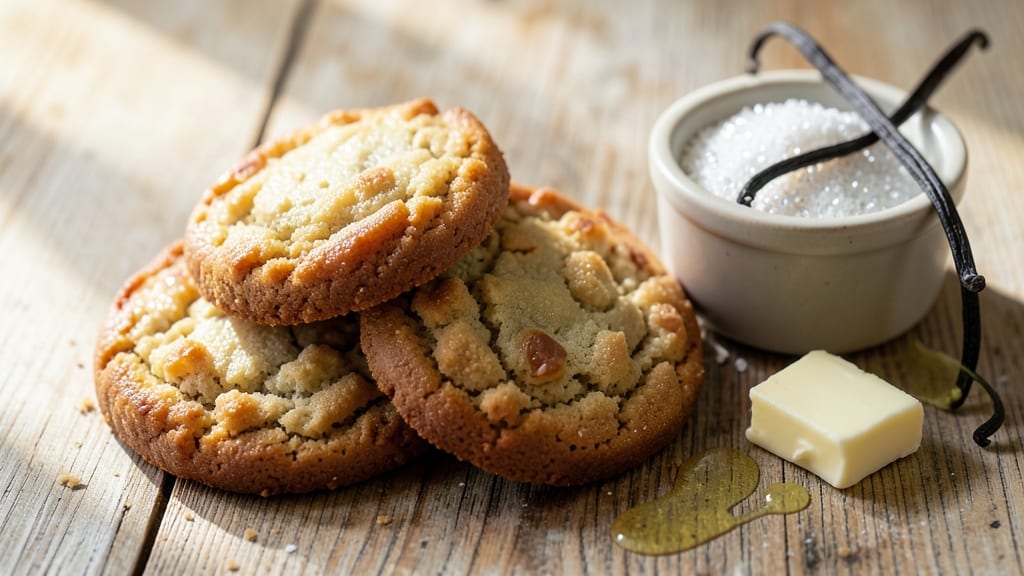
This amaretti cookie recipe with almond flour delivers the signature crunchy sandpaper texture Italians know and love—now without gluten or refined flour. 💛 The secret lies in properly prepared almond paste and precise baking techniques that transform simple ingredients into delicate, crumbly cookies with just the right chew.
I've perfected this version after years of testing, ensuring every batch turns out perfectly light yet sturdy enough to hold their shape.
Traditional amaretti rely on ground almonds, but this almond flour adaptation maintains that iconic texture while making the recipe more accessible. The key steps—resting the dough, baking at precise temperatures, and cooling properly—create those signature air pockets that give amaretti their signature bite.
What you'll end up with is a batch of cookies that are crisp around the edges yet tender inside, with a subtle almond flavor that lingers beautifully.
These cookies are perfect for gifting, holiday baking, or enjoying with coffee. They keep well in an airtight container for up to two weeks, making them ideal for meal prep or special occasions.
The recipe scales easily, so you can make just a dozen for personal enjoyment or double the batch for sharing. Let's get started on creating these Italian classics in your own kitchen.
Fair warning: the first time you bite into one of these perfectly textured cookies, you might wonder why you haven't been making them all along. The process is straightforward once you understand the key techniques, and the results are worth every minute of attention.
Here's how to achieve that perfect sandpaper crunch every time.
Ingredients for amaretti cookie recipe with almond flour
Nine simple ingredients transform into Italian-style amaretti with signature crunch and almond flavor.
| Ingredient | Amount | Notes |
|---|---|---|
| Superfine Sugar 🍚 | 2 cups | Confectioners sugar preferred |
| Almond Flour 🌰 | 2 ½ cups | Finely ground, unsweetened |
| Large Egg Whites 🥚 | 4 whole | Room temperature preferred |
| Vanilla Extract 🌿 | 1 tbsp | Pure vanilla extract |
| Almond Extract 🌰 | ½ tbsp | Pure almond extract |
| Unsalted Butter 🧈 | ¼ cup | Cold, cubed for texture |
| Lemon Zest 🍋 | 1 tbsp | Freshly grated |
| Pinch of Salt 🧂 | ⅛ tsp | Fine sea salt |
| Almond Paste 🌰 | ½ cup | Homemade or store-bought |
| Cornstarch 🌾 | 1 tbsp | For dough texture |
Almond flour is the star here—Bob's Red Mill or King Arthur brands work best for that ultra-fine texture. If you can't find almond paste at the store, blend almond flour with water (1:1 ratio) and strain it for a DIY version. The egg whites need to be room temp for proper volume, so take them out 30 minutes before mixing. Superfine sugar is key for that signature sandpaper bite—Domino brand is my go-to, but any confectioners sugar works. For the extracts, McCormick or Goya are reliable brands that won't overpower the delicate almond flavor.
No vanilla extract? Almond extract alone at double the amount works in a pinch, though it'll be less complex. Short on almond flour? Substitute with ground almonds, but pulse them extra fine in a food processor. The butter should be cold—if it melts, chill the dough 30 minutes before baking. For extra flavor, add a pinch of cardamom (it's traditional in some Italian versions). The lemon zest brightens everything up, so don't skip it—just make sure it's freshly grated (the bottled stuff tastes like soap).
These cookies need time to develop their texture—rest the dough overnight if possible. Store in an airtight container with parchment between layers for up to 2 weeks. For gifting, wrap individually in wax paper and tie with twine. Freeze for up to 3 months if you want to make them ahead. Reheat at 300°F for 5 minutes to restore that crisp crunch before serving.
Why You'll Love This Recipe
- Four-Ingredient Magic: I swear by this recipe because it’s that simple—just almond flour, egg whites, sugar, and a whisper of vanilla and almond extract. No butter, no fuss, no waiting for dough to chill. Honestly, I’ve made it while scrolling through my phone.
- Crunchy-Creamy Obsession: That first bite? Crisp edges give way to a tender, almost marshmallow-like center—all thanks to the egg whites and superfine sugar. The almond extract sneaks in warmth, while vanilla keeps it bright. It’s the kind of cookie that disappears in minutes.
- Party in a Jar: These stay fresh for weeks in an airtight container, making them my go-to for holiday gifts or last-minute dessert tables. Plus, they’re gluten-free, so they’re safe for almost anyone. I’ve even crushed them into ice cream—no judgment.
- Budget-Friendly Luxury: Almond flour might seem pricey, but a little goes a long way, and these cookies yield so many. I’ve made two dozen for under $5, and they taste like a fancy bakery treat. My secret weapon for looking impressive without breaking the bank.
Step-by-step instructions for amaretti cookies with almond flour
Here's how to make these iconic Italian cookies with that signature crunchy texture.
👨🍳 Step 1: Whip Egg Whites to Stiff Peaks
In a clean, grease-free bowl, beat the 4 whole Large Egg Whites with the 0.125 tsp Pinch of Salt using a stand mixer fitted with the whisk attachment. Start on low speed and gradually increase to high speed for 5-7 minutes until stiff peaks form.
You'll know they're ready when you lift the whisk and the meringue holds its shape like a soft peak. This step is crucial for the cookies' signature crunchy texture. If the weather's humid, add the egg whites one at a time to help them reach the proper consistency. Keep an eye on them—they'll go from glossy to dry and matte when fully whipped.
👨🍳 Step 2: Gradually Add Sugar and Dry Ingredients
With the mixer still running, gradually add the 2 cups Superfine Sugar in a slow, steady stream. This prevents the sugar from settling at the bottom and ensures even distribution. After the sugar is fully incorporated, reduce the speed to low and mix in the 2.5 cups Almond Flour, 1 tbsp Cornstarch, and 1 tbsp Lemon Zest until just combined.
Here's the thing—don't overmix once the dry ingredients are added. You want to maintain that light, airy texture we created with the egg whites. The dough should be thick, glossy, and hold its shape when you spoon it out. If it's too loose, you'll end up with flat cookies instead of those signature domed amaretti.
👨🍳 Step 3: Fold in Extracts and Almond Paste
Remove the bowl from the mixer and gently fold in the 1 tbsp Vanilla Extract, 0.5 tbsp Almond Extract, and 0.25 cup Unsalted Butter using a spatula. The butter should be cold and cubed to maintain texture. Work quickly but carefully to avoid deflating the meringue.
Next, fold in the 0.5 cup Almond Paste until evenly distributed. The almond paste adds that characteristic almond flavor and helps bind the cookies together. At this point, the dough should be thick, pipeable, and hold its shape when you lift the spatula. If it's too sticky, you can chill it for 15 minutes to firm up before shaping.
🔥 Step 4: Pipe and Bake for Perfect Texture
Preheat your oven to 325°F. Line two baking sheets with parchment paper and pipe the dough into 1-inch diameter mounds using a piping bag fitted with a small round tip. Space them about 2 inches apart on the baking sheets—they won't spread much, but you want room for even baking.
Bake for 18-20 minutes until the edges are light golden brown and the tops are set but still slightly soft to the touch. The centers should look slightly underdone—they'll firm up as they cool. Don't overbake, or you'll lose that signature crunchy texture. Rotate the baking sheets halfway through for even baking.
⏰ Step 5: Rest and Store for Maximum Crunch
Let the cookies cool on the baking sheets for 10 minutes before transferring them to a wire rack to cool completely. This resting period is crucial—it allows the cookies to set properly and develop their characteristic crunchy texture.
For the best results, store the cookies in an airtight container at room temperature for up to 2 weeks. The longer they sit, the more intense that crunchy, sandpaper-like texture becomes. If you can't resist, enjoy them fresh while they're still slightly soft in the center—they're delicious either way!
Pro Tips For Making Amaretti Cookie Recipe With Almond Flour
- WHISK EGGS TO STIFF PEAKS: I learned this the hard way—under-whipped egg whites won’t hold their shape, and your amaretti will spread into sad, flat pancakes. Use a stand mixer with the whisk attachment (not a hand mixer) and whip until the meringue forms soft peaks that hold their shape when you lift the whisk. If the sugar isn’t fully dissolved yet, keep going—this is where the texture magic happens.
- SIFT ALMOND FLOUR FIRST: Almond flour is dense and clumpy, and nothing ruins amaretti faster than lumps in the batter. Sift it twice—once before mixing and once after—then fold it into the egg whites gently with a spatula. This keeps the cookies light and prevents that dreaded "sandy bite" from undissolved bits.
- BAKE LOW AND SLOW: These cookies look delicate, but they’re tougher than they appear. Bake at 300°F (not the 350°F you might see elsewhere) for 12–15 minutes, rotating the tray halfway. High heat = crispy outsides, gummy centers. You want them pale golden, not brown, because they’ll firm up as they cool.
- CHILL THE DOUGH 30 MINUTES: I was skeptical until I tried it—resting the batter thickens the egg whites and lets the almond flavor meld. Spread the dough on a lined tray, then pop it in the fridge while you preheat the oven. The cookies will hold their shape better, and the texture improves dramatically. (Yes, even if you’re impatient like me.)
Make-ahead tips for this dish
Dough Prep Ahead
Make your life easier by prepping the dough 1-2 days in advance. After folding in the extracts and almond paste, transfer the dough to an airtight container (I use a glass Pyrex with a tight lid) and refrigerate.
The flavors meld beautifully overnight, and the texture becomes even more stable for piping. Just let it sit at room temperature for 30 minutes before shaping to make it easier to handle. 💫
Freezer-Friendly Dough
For long-term storage, shape the dough into 1-inch balls (using a cookie scoop) and freeze them on a parchment-lined tray for 1 hour. Then transfer to a freezer-safe bag with parchment between layers.
Thaw in the fridge overnight before piping and baking. The cold dough bakes up perfectly, with no texture loss—just add 2-3 extra minutes to the baking time. ❄️
Baked Cookie Storage
Once baked, these cookies improve with age! Store them in an airtight container with parchment paper between layers to prevent sticking. At room temperature, they’ll stay fresh for up to 2 weeks, with that signature crunch intensifying over time.
For gifting, wrap individually in wax paper and tie with twine—they look as good as they taste. 🎁
Reviving Stale Crunch
If your cookies lose their crunch after a few days, don’t toss them! Pop them in a 300°F oven for 5-7 minutes to restore that crisp texture. The heat reactivates the starches, bringing back that sandpaper bite.
I do this all the time when I’ve waited too long to enjoy them—works like a charm every time. 🔥
Batch Baking Tips
Double the recipe for parties or gifts, but bake in two batches to avoid overcrowding the oven. Use a parchment-lined tray and rotate pans halfway through for even baking.
Label the container with the date—trust me, you’ll forget how long they’ve been sitting! For large batches, freeze half the dough immediately after mixing to save time. 📅
Gift-Worthy Packaging
For a professional touch, place cookies in clear cellophane bags tied with ribbon or twine. Add a handwritten note about the recipe—people love the personal touch! I’ve even seen these packaged in mini mason jars with a sprig of rosemary for an elegant presentation.
The key is keeping them in an airtight container until the last minute to preserve that perfect crunch. ✨
Nutrition facts
Frequently asked questions
Why does my almond flour dough turn out sticky or runny?
The most common cause is overmixing after adding dry ingredients, which deflates the egg whites. Mix just until combined, and if the dough is too soft, chill it for 15-20 minutes before piping. Also ensure your almond flour is finely ground—coarse particles absorb more moisture.
Can I substitute almond flour with regular flour?
Not successfully! Almond flour's fat content and texture are essential for that signature crunch. For a similar texture, try a 1:1 blend of almond flour and fine cornmeal, but expect a slightly different flavor. Traditional amaretti use ground almonds, so stick with almond flour for authentic results.
How do I achieve that perfect sandpaper texture?
The secret lies in three key steps: whipping egg whites to stiff peaks, baking at 325°F until just set (not golden), and letting them cool completely. The sugar crystals form during cooling, creating that signature bite. For extra crunch, store them in an airtight container for 3-5 days before eating.
What's the best way to pipe these cookies?
Use a small round tip (like Wilton #2) and pipe 1-inch diameter mounds. Space them 2 inches apart on parchment-lined sheets. For perfectly round cookies, chill the dough 15 minutes before piping—this helps maintain shape. Avoid overcrowding the tray to ensure even baking.
Can I add chocolate or nuts to these cookies?
While traditional amaretti are nut-free, you can add chopped pistachios or hazelnuts (folded in gently) for extra texture. For chocolate, try white chocolate chunks (melted and cooled) or a thin layer of ganache between cookies. Just remember—these are delicate cookies, so don't overload them!