
Desserts
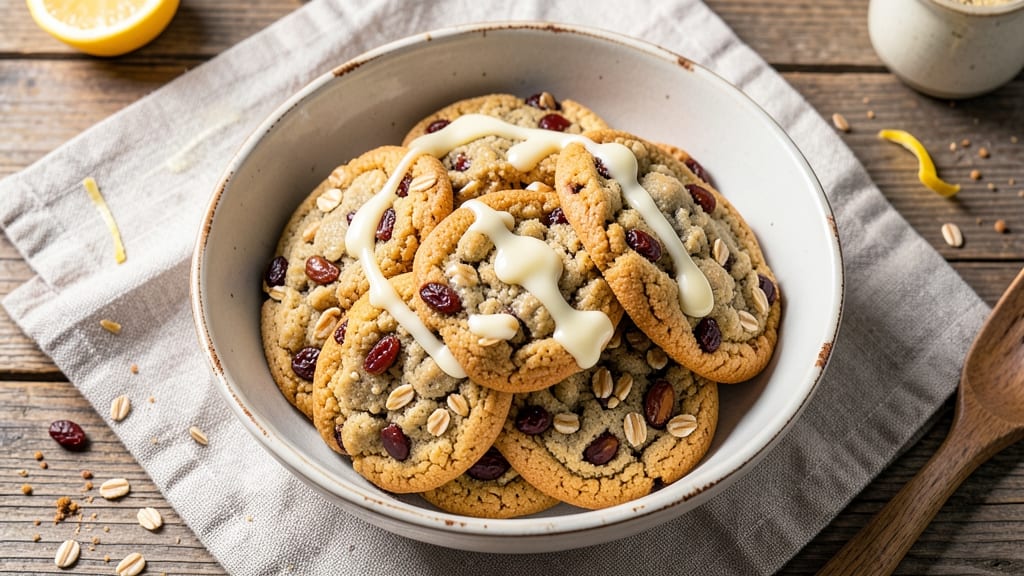
This buttery oatmeal raisin cookie recipe delivers the perfect balance of golden crust and chewy centers, with warm cinnamon and nutmeg that make every bite feel like a cozy hug. 💛 The secret lies in using cold butter cut into small cubes—this creates pockets of rich, caramelized flavor while keeping the texture tender.
I've baked these for holiday gifts and family gatherings, and they never disappoint, especially when the raisins plump up just enough to burst with sweetness.
The recipe builds on classic oatmeal cookie foundations but elevates them with precise measurements and baking techniques. You'll use 2 1/4 cups of old-fashioned oats for that signature chew, paired with 1/2 cup of brown sugar that adds deep molasses notes.
The butter—1 cup of unsalted, cut into small pieces—melts slowly to create that signature tender crumb while forming a crispy, golden edge.
What sets these apart is the warm spice blend: 1 teaspoon each of cinnamon and nutmeg, which infuse the dough with aromatic depth. The raisins get a quick soak in warm water before baking, ensuring they stay juicy and plump rather than dry.
Baked at 350°F for 10-12 minutes, these cookies emerge with edges that are perfectly crisp and centers that stay soft—ideal for dipping in milk or pairing with tea.
For variations, you can swap in gluten-free oats or use vegan butter for a dietary-friendly twist without sacrificing texture. The dough can be chilled for up to 48 hours, making it perfect for holiday prep. Let's get baking—these cookies are worth every golden, spiced bite.
Ingredients for buttery oatmeal raisin cookie
Pantry staples plus a few key ingredients for the perfect chewy, spiced cookies.
| Ingredient | Amount | Notes |
|---|---|---|
| Unsalted Butter 🧈 | 1 cup | Cold, cut into small cubes |
| Brown Sugar 🍯 | ½ cup | Packed firmly for accuracy |
| Granulated Sugar 🍚 | ½ cup | White sugar for balance |
| Old-Fashioned Rolled Oats 🌾 | 2 ¼ cups | Not quick oats, for chew |
| Large Eggs 🥚 | 2 whole | Room temperature preferred |
| Vanilla Extract 🍯 | 1 tsp | Pure vanilla for flavor |
| Ground Cinnamon 🌿 | 1 tsp | Freshly ground preferred |
| Ground Nutmeg 🌿 | ½ tsp | Freshly grated for warmth |
| Sea Salt 🧂 | ½ tsp | Fine grain for balance |
| Raisins 🍇 | 1 cup | Plump, seedless preferred |
| All-Purpose Flour 🌾 | 1 ½ cups | Spooning into cup for accuracy |
| Baking Soda 🧪 | ½ tsp | For lift and texture |
The butter is non-negotiable here—European-style unsalted (like Plugrá) melts slower for that signature tender crumb. Grab it from the deli counter if you can, but the regular grocery store stuff works too. The oats? Old-fashioned rolled is a must—quick oats make these dense. I always buy mine in bulk from WinCo or Costco since they're cheaper and last forever. For the raisins, seedless golden raisins stay juicier, but regular raisins work if that's what you've got. Toast them lightly in the oven before soaking for extra flavor—trust me on that.
No brown sugar? White sugar plus 1 tsp molasses gets you close. Freshly ground spices make a difference—Penzeys or the bulk bins at Whole Foods have the best quality. Running low on vanilla? Imitation vanilla extractdon't skip this step. For gluten-free, swap the oats and flour for a 1:1 blend, but the texture won't be identical. The baking soda is crucial—double-check it's fresh (old baking soda loses potency).
This dough keeps for 5 days in the fridge, wrapped tightly in plastic. For longer storage, freeze portions for up to 6 months. I like to portion the dough into golf-ball-sized balls before freezing—just bake straight from frozen, adding 2-3 minutes. The cookies reheat beautifully in the oven for 30 seconds to revive that fresh-from-the-oven warmth. Make a double batch—they disappear fast, especially when you're sneaking bites straight from the dough.
Why You'll Love This Recipe
- No Mixer Needed: I swear by this recipe because it’s one of those rare cookie doughs that doesn’t require a food processor or mixer. Just cream the butter and sugars with a fork or wooden spoon—five minutes max—then fold in the oats and raisins. Honestly, the texture comes out chewier and more rustic this way.
- Rich Caramel Crunch: That combo of brown sugar and butter? It’s like a hug for your taste buds. The oats toast just enough to add a subtle crunch, while the raisins plump up from the egg’s moisture. I’ll be real: the first bite makes me forget I’m not at a bakery.
- Bulk-Friendly Batches: This recipe scales like a dream—double or triple it for holiday gifts, potlucks, or just because. Between us, I’ve made 4 dozen at once and still had leftovers. The dough stays together well, and the cookies keep their soft centers even when stored.
- Pantry Staple Magic: You’re already using what you have: butter, sugar, oats, eggs. No weird ingredients or last-minute grocery runs. I’ve made these with expired raisins (they still taste fine) and whatever oats were in the cabinet. It’s my go-to when I’m broke or lazy—both work.
Step-by-step instructions for buttery oatmeal raisin cookies
Here's how to make chewy, golden cookies with perfect spice balance—no fancy tricks, just good technique.
👨🍳 Step 1: Cream Butter and Sugars Until Fluffy
In a stand mixer fitted with the paddle attachment, beat the 1 cup unsalted butter (cold cubes) with the 0.5 cup brown sugar and 0.5 cup granulated sugar on medium speed for 3-4 minutes. You're looking for a light, fluffy texture that nearly doubles in volume and becomes pale—this incorporates air for that signature chew. I like to scrape down the sides every 30 seconds to ensure even mixing.
Here's the thing—don't rush this step. The butter needs to fully emulsify with the sugars to create that perfect cookie texture. If you skip this, your cookies will turn out dense instead of chewy. You'll know it's ready when you lift the paddle and the mixture holds soft peaks.
👨🍳 Step 2: Add Eggs, Vanilla, and Dry Ingredients
Add the 2 whole large eggs one at a time, mixing on low speed for 30 seconds after each addition until fully combined. Then stir in the 1 tsp vanilla extract. The mixture might look slightly curdled, but that's normal—it'll smooth out when you add the dry ingredients.
In a separate bowl, whisk together the 1.5 cups all-purpose flour, 0.5 tsp baking soda, 1 tsp ground cinnamon, 0.5 tsp ground nutmeg, and 0.5 tsp sea salt. Gradually add this to the wet ingredients, mixing on low speed just until combined—you should still see a few flour streaks. Overmixing develops gluten, which makes cookies tough. Stop as soon as everything comes together.
🥘 Step 3: Fold in Oats and Raisins
Remove the bowl from the mixer and gently fold in the 2.25 cups old-fashioned rolled oats and 1 cup raisins using a silicone spatula. Be careful not to overmix—just combine until everything is evenly distributed. The raisins should be spread throughout, not all clustered together. Here's a pro tip: If your raisins look dry, soak them in warm water for 10 minutes before adding—they'll plump up and add extra moisture to the cookies.
This is where the texture magic happens. The oats give that classic chewy bite, while the raisins add sweet, chewy pockets. Don't skip the folding step—it ensures even distribution of all the ingredients for consistent texture in every bite.
⏰ Step 4: Chill the Dough (Don't Skip This!)
Cover the dough bowl with plastic wrap and refrigerate for at least 30 minutes (I prefer 1 hour or even overnight). Chilling solidifies the butter, which prevents the cookies from spreading too thin in the oven. It also allows the flour to fully hydrate, creating better texture. Real talk: Skipping this step leads to flat, cakey cookies instead of the chewy, golden ones you're after.
While the dough chills, preheat your oven to 350°F and line two baking sheets with parchment paper. The dough will firm up nicely in the fridge, making it easier to scoop and shape. If you're in a hurry, you can chill it for just 20 minutes, but I promise the extra time makes a difference.
🔥 Step 5: Bake to Golden Perfection
Using a 2-tablespoon cookie scoop, portion the chilled dough onto the prepared baking sheets, spacing them 3 inches apart. They won't spread much, but giving them room ensures even baking. Bake for 11-13 minutes until the edges are golden brown but the centers still look slightly underdone. They'll continue cooking on the hot pan after you remove them from the oven.
Here's the moment that matters: The cookies should pull away slightly from the edges of the pan but still look soft in the middle. If you bake them too long, they'll dry out. Let them cool on the baking sheet for 5 minutes before transferring to a wire rack. The residual heat finishes them off perfectly, giving you that ideal balance of crispy edges and chewy centers.
Pro Tips For Making Buttery Oatmeal Raisin Cookie
- Cream Butter Slowly: Don’t just toss in cold butter—let it soften to room temperature first, then beat it with the sugars until it’s pale and fluffy. I learned this the hard way when my cookies turned out dense and greasy; the butter needs time to emulsify properly with the sugars.
- Toast the Oats: Spread your old-fashioned rolled oats on a baking sheet and toast them in a 350°F oven for 5-7 minutes until they’re golden and fragrant. This deepens their flavor and prevents them from absorbing too much moisture in the dough—your cookies will stay chewy instead of soggy.
- Chill the Dough: Divide the dough into two disks, wrap them in plastic, and refrigerate for at least 2 hours (or overnight). This lets the flour relax and prevents spreading—your cookies will hold their shape and develop that perfect buttery crunch.
- Use Warm Raisins: Soak the raisins in warm water or rum for 10 minutes before draining and folding them into the dough. They’ll plump up and release their juices, making them taste fresher and less chewy—no more dry, shrunken raisins in your bite.
Regional styles of this dish
Classic American Style
This recipe embodies the cozy, nostalgic flavor of classic American oatmeal raisin cookies—think holiday baking and family gatherings. The warm spices like cinnamon and nutmeg evoke memories of homemade treats, while the chewy texture comes from using old-fashioned rolled oats instead of quick oats.
I still remember my grandmother's version, which used to sit in a Mason jar on the counter for weeks. The key here is the brown sugar, which adds deep molasses notes that balance the sweetness of the raisins. 💛
Southern Comfort Twist
In the South, these cookies often get a richer, more buttery flavor with a touch of extra warmth. Swap ½ teaspoon of ground ginger for half the nutmeg to add a zesty kick, and consider adding ¼ cup chopped pecans for crunch.
The Southern style also favors a slightly thicker dough, so scoop the cookies into 1.5-tablespoon portions instead of 2 tablespoons. Bake them for 12-14 minutes to ensure a deeper golden-brown color—perfect for pairing with sweet tea.
Midwest Heartland Adaptation
The Midwest takes these cookies even further with a heartier texture, often using ½ cup chopped walnuts or almonds alongside the raisins. A common variation replaces ¼ cup of the flour with cornmeal for a subtle, nutty depth.
The dough is typically chilled for 24 hours to let the flavors meld, and the cookies are baked on a lightly greased baking sheet for an extra crispy edge. This version is a staple at state fairs and bake sales across the region.
New England Crispy Edge
Up North, these cookies lean into a crispier texture with a focus on caramelized edges. The trick? Bake them on the middle rack of the oven and rotate the pans halfway through baking.
Add ¼ teaspoon of ground cloves to the spice mix for a subtle warmth that pairs beautifully with the raisins.
New England bakers also love to finish the cookies with a sprinkle of flaky sea salt right after they come out of the oven—this balances the sweetness and adds a sophisticated touch.
West Coast Modern Take
On the West Coast, these cookies often get a gourmet upgrade with unexpected ingredients. Try adding ¼ cup toasted coconut flakes or chopped dried apricots alongside the raisins for a tropical twist. Some bakers also use dark brown sugar exclusively for a deeper caramel flavor.
The dough is sometimes baked in mini muffin tins for individual-sized treats, perfect for sharing at potlucks or farmers' markets. The West Coast style keeps the classic chew but adds a playful, modern flair.
Nutrition facts
Frequently asked questions
Why does this recipe use cold butter instead of softened?
Cold butter creates pockets of steam during baking, which helps develop that signature chewy texture while keeping the edges crispy. When softened butter melts too quickly, the cookies spread too thin and turn cakey. The 1 cup of cold butter (cut into small cubes) is key—it melts gradually at 350°F, creating those perfect golden-brown edges while maintaining a soft center.
Can I substitute quick oats for old-fashioned rolled oats?
Not recommended! Quick oats will make your cookies denser and less chewy. The texture difference is noticeable—the rolled oats give that classic bite, while quick oats break down too much during baking. If you must use quick oats, reduce them by 1/4 cup and add 1/4 cup extra flour to compensate for their higher moisture content.
How do I prevent the raisins from staying dry and hard?
Soak the 1 cup raisins in warm water for 10 minutes before adding them to the dough. Drain well before folding in. This simple step ensures they stay juicy and plump. For extra flavor, toast the raisins in a dry pan for 2 minutes before soaking—they'll develop deeper caramelized notes that pair perfectly with the warm spices.
Can I make these cookies gluten-free?
Yes, but expect a slightly different texture. Replace the 1.5 cups all-purpose flour with a 1:1 gluten-free flour blend (like Bob's Red Mill) and add 1/2 teaspoon xanthan gum if your blend doesn't contain it. The cookies will be more tender than traditional versions but still delicious. For best results, chill the dough for 24 hours to let flavors develop fully.
How long will the dough keep before baking?
The dough stays fresh in the fridge for 5 days when tightly wrapped in plastic. For longer storage, freeze portions for up to 6 months. Thaw overnight in the fridge before scooping. Pro tip: Portion the dough into golf-ball-sized balls before freezing—they bake straight from frozen, adding just 2-3 minutes to the baking time.