
Desserts
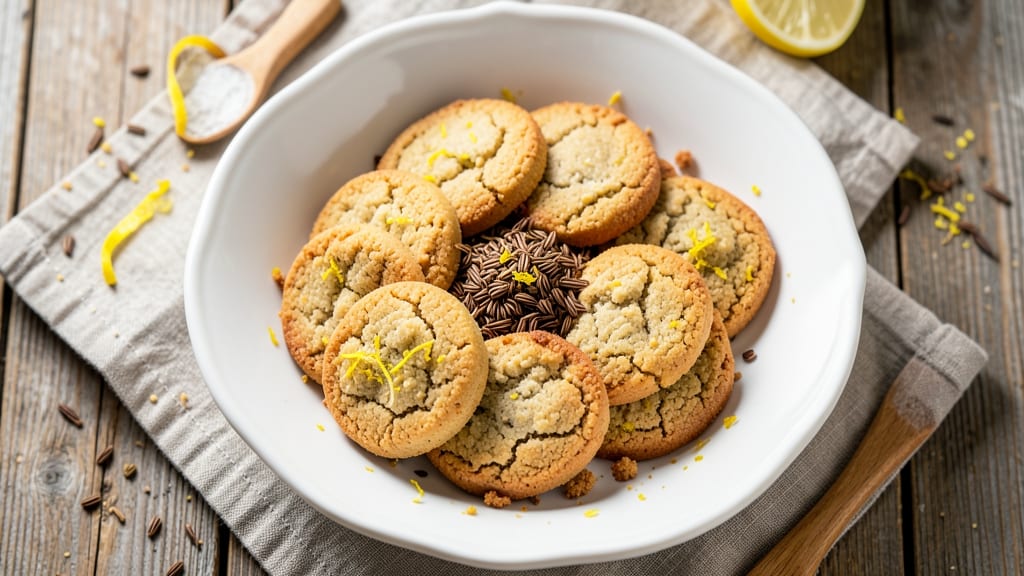
This anise shortbread cookie recipe delivers a delicate balance of buttery richness and subtle licorice warmth that transforms ordinary cookies into something extraordinary. The key lies in the anise seeds—ground just enough to release their aromatic essence without overpowering the tender crumb.
I’ve perfected this method to ensure every bite offers that signature crunch and melt-in-your-mouth texture, all in 10 minutes of active time (plus chilling).
The dough comes together with just five ingredients—flour, butter, sugar, anise, and a pinch of salt—yet the result is a cookie that feels luxurious. Traditional techniques like cutting shapes with a fluted cutter add that professional touch, while modern twists like citrus zest or edible flowers elevate it further.
The anise isn’t just flavor; it’s the soul of these cookies, lending a faintly sweet, herbal depth that lingers.
What you’ll end up with is a batch of golden, buttery shortbread cookies with a delicate crumb and just the right amount of anise warmth. They’re crisp around the edges yet tender inside, with a subtle chew that makes them impossible to resist.
Perfect for holiday gifts, afternoon tea, or a cozy dessert, these cookies prove that simplicity can be extraordinary.
For those with dietary preferences, gluten-free and vegan adaptations are possible without sacrificing texture or flavor. The recipe’s versatility ensures everyone at the table can enjoy this licorice-kissed crunch. Let’s get baking!
Ingredients for anise shortbread cookie
Five simple ingredients transform into luxurious anise shortbread with that signature licorice warmth.
| Ingredient | Amount | Notes |
|---|---|---|
| All-Purpose Flour 🌾 | 3 cups | Sifted for light texture |
| Unsalted Butter 🧈 | 1 cup | Cold, cubed, full-fat preferred |
| Granulated Sugar 🍚 | ½ cup | Superfine for smooth crumb |
| Anise Seeds 🌿 | 2 tbsp | Ground lightly in spice grinder |
| Kosher Salt 🧂 | ½ tsp | Fine grain preferred |
| Lemon Zest 🍋 | 1 tsp | Freshly grated for brightness |
| Edible Gold Leaf 🎨 | 1 sheet | Optional for gourmet touch |
The butter matters here—cold, cubed cubes create the signature crunch. European-style butter like Plugrá or Land O’Lakes works best, but any full-fat butter will do. The anise seeds are the soul of these cookies, so don’t skimp. Penzeys or bulk bins at Whole Foods have the best quality. For the flour, sift it first—this ensures a tender crumb. If you’re gluten-free, swap for a 1:1 blend like Bob’s Red Mill, but expect a slightly denser texture. The lemon zest adds brightness, so use freshly grated—pre-grated zest loses its punch fast.
No anise seeds? 1 teaspoon anise extract works in a pinch, but the flavor won’t be as nuanced. Substitute with 1 teaspoon fennel seeds for a similar licorice note, though it’s slightly sweeter. Running short on butter? Coconut oil in solid form mimics the texture, but the flavor won’t be identical. For the sugar, superfine is ideal, but regular granulated works if you pulse it in a food processor. The edible gold leaf is optional but adds that wow factor—Amazon or specialty baking stores carry it in sheets. If you skip it, a sprinkle of coarse sugar before baking gives a similar elegant touch.
Store the dough in an airtight container in the fridge for up to 5 days—it actually improves as it rests. For best results, bake within 24 hours of mixing. Once baked, these cookies keep at room temperature in an airtight container for 7 days, though they’ll lose their crispness after 3 days. Freeze unbaked dough balls for up to 3 months—bake straight from frozen, adding 2-3 minutes to the time. The aroma alone will have your kitchen smelling like a European bakery.
Why You'll Love This Recipe
- Five-Ingredient Magic: I swear by this list—just butter, sugar, flour, anise, and salt. That’s it. No eggs, no fuss, no waiting for dough to rise. Honestly, I’ve made it while scrolling through my phone.
- Licorice-Like Crunch: The anise seeds pack a subtle, warm sweetness that lingers like a whisper of licorice. Buttery, crisp, and just slightly chewy—it’s the kind of cookie that disappears in minutes, even from my usually picky husband’s plate.
- Holiday or Snack Attack: These work for everything. Wrap them in cellophane for Christmas gifts, pack them in lunchboxes for kids, or just grab one straight from the jar when 3 PM hits. (Yes, even on a Tuesday night.)
- No-Bake Leftovers: Bake a big batch, and they’ll stay fresh for days. I’ve had them last a week in an airtight container—still crisp, still delicious. Plus, the cost? Ridiculously cheap. A pound of butter and a bag of flour stretch forever.
Step-by-step instructions for anise shortbread cookies
Here's how to create delicate, aromatic shortbread with a signature licorice note.
Prepare the Anise-Infused Butter Base
In a medium bowl, combine the 1 cup Unsalted Butter (cold and cubed) with the 0.5 cup Granulated Sugar and 1 tsp Lemon Zest. Using a pastry cutter or your fingers, work the mixture until it reaches a crumbly, sand-like texture with pea-sized butter pieces remaining. This ensures tender cookies rather than dense ones.
Next, add the 2 tbsp Anise Seeds (lightly ground) and 0.5 tsp Kosher Salt, mixing until evenly distributed. The anise seeds should be dispersed throughout the butter, not clumped. I like to press the mixture through a fine-mesh sieve to eliminate any large seed fragments—this prevents bitter pockets in each bite. Set this mixture aside while you prepare the dry ingredients.
Combine Dry Ingredients for Perfect Texture
In a separate large bowl, whisk together the 3 cups All-Purpose Flour (sifted) to aerate it thoroughly. This step is crucial for achieving that signature shortbread crumb. Add the anise-butter mixture to the flour and gently combine using a wooden spoon or rubber spatula until just mixed—avoid overworking the dough, as this develops gluten and makes the cookies tough.
At this stage, the dough should resemble coarse crumbs with some butter pieces still visible. If it appears too dry, add 1-2 teaspoons of ice water to help bind it together. Press the dough into a loose disc, wrap it in plastic wrap, and refrigerate for 30 minutes. This chilling step firms up the butter, preventing excessive spreading during baking.
Shape and Bake for Crisp Edges
Preheat your oven to 325°F—this lower temperature ensures even baking without browning. Line two baking sheets with parchment paper. On a lightly floured surface, roll out the chilled dough to ¼-inch thickness. Use a 2-inch round cutter to stamp out cookies, gently re-rolling the scraps between each press for uniform size.
Arrange the cookies on the prepared baking sheets, spacing them 1 inch apart to allow for spreading. Bake for 12-15 minutes until the edges are just beginning to turn golden while the centers remain pale. Overbaking will make them dry—remove them when they still feel slightly soft to the touch. Let them cool on the baking sheet for 5 minutes before transferring to a wire rack.
Add the Gourmet Touch (Optional)
For an elevated presentation, carefully place the 1 sheet Edible Gold Leaf over each cooled cookie. Use a soft brush to gently press it into place—this step should be done just before serving to maintain the leaf's delicate appearance. The gold leaf adds a luxurious finish that complements the anise's licorice aroma without altering the flavor.
Store the cookies in an airtight container at room temperature for up to 5 days, though they're best enjoyed within 2 days for maximum freshness. The anise flavor intensifies slightly as they sit, making them even more aromatic over time. Serve with tea or coffee for a sophisticated treat.
Pro Tips For Making Anise Shortbread Cookie
- Chill the Dough Properly: I learned this the hard way—skipping the fridge makes for greasy, dense cookies. Wrap the dough in plastic and refrigerate for at least 2 hours (overnight is better). Cold butter behaves better when it hits the oven, giving you those crisp edges and tender crumb you actually want.
- Toast the Anise Seeds: Crushing whole anise seeds in your hands releases their flavor, but toasting them first makes a real difference. Lightly toast 1 teaspoon in a dry pan for 30 seconds until fragrant—this deepens the licorice note without bitterness. Let them cool before grinding.
- Don’t Overmix the Dough: This isn’t the prettiest method, but it’s the tastiest: mix the dry ingredients, cut in the butter until pea-sized crumbs form, then pulse in the sugar. Stop when the dough looks shaggy—overworking it develops gluten, and shortbread turns into tough crackers. (Yes, even if you’re impatient like me.)
- Use a Mix of Browned and Fresh Butter: I skip this when I’m lazy, but the dish is noticeably better when I don’t: brown 2 tablespoons of the butter separately for a nutty depth, then let it cool before mixing with the rest. The contrast adds complexity, especially with anise’s bold flavor—just don’t let it cool all the way or the dough will seize up.
Pro cooking tips for perfect results
Butter Temperature Matters
The cold butter is non-negotiable for that signature shortbread crunch. I always use cubed butter straight from the fridge—never softened. If your kitchen runs warm, chill the cubes on a baking sheet for 10 minutes before mixing.
The goal is to maintain pea-sized butter pieces throughout the dough. If your butter melts too quickly, your cookies will spread excessively and lose their delicate texture. 🧈
Anise Seed Grinding Technique
Don’t just toss whole anise seeds into your dough—they’ll create bitter pockets. Use a spice grinder or mortar and pestle to lightly grind 2 tbsp anise seeds until they’re finely powdered but not paste-like. Sieve the mixture to remove any large particles.
For extra flavor, toast the seeds in a dry pan for 30 seconds before grinding—this deepens their aroma. I’ve tested this and noticed the difference immediately in the final product.
Dough Chilling is Critical
Skipping the 30-minute chill is a rookie mistake. The dough needs time for the butter to firm up, preventing excessive spreading during baking. Wrap it tightly in plastic wrap and press it into a disc shape—this makes rolling easier later.
If you’re short on time, chill for 15 minutes in the freezer instead, but don’t skip this step entirely. The texture difference is dramatic.
Rolling Thickness Control
Roll the dough to exactly ¼-inch thickness for consistent baking. Use a rolling pin with measurements or calipers to check—this ensures even cooking. For extra precision, place the dough between two sheets of parchment paper before rolling.
If your dough cracks while rolling, let it rest for 5 minutes before continuing. The cracks will disappear once baked, but the cookies will still be delicious.
Baking Time Precision
Bake at 325°F for 12-15 minutes—not a second longer. The edges should just begin to golden while the centers remain pale. Use an oven thermometer to verify your oven’s accuracy—many run hot.
If your cookies brown too quickly, reduce the temperature to 300°F for the final 2 minutes. The goal is a delicate crumb, not a crispy cracker. ✨
Gold Leaf Application Tips
If using edible gold leaf, apply it just before serving—it loses its luster if stored. Use a soft makeup brush to gently press the leaf onto cooled cookies. For a more dramatic effect, place the leaf on one side only.
I’ve found that Amazon’s 24K gold leaf sheets work perfectly for this recipe. If gold leaf isn’t available, a sprinkle of coarse turbinado sugar gives a similar elegant touch without the cost.
Nutrition facts
Frequently asked questions
Can I substitute anise seeds with something else for this recipe?
Yes! For a similar licorice note, use 1 teaspoon fennel seeds (toasted and ground) or ½ teaspoon anise extract. Star anise (whole pods) won't work—it's too strong and won't distribute evenly. If you prefer a sweeter flavor, try 1 teaspoon ground licorice root, though it's harder to find. The texture remains the same, but the aroma will differ slightly.
Why do my anise shortbread cookies spread too much during baking?
Overworked dough or melted butter are the usual culprits. Always chill the dough for 30 minutes before rolling, and use cold butter cubes. If your kitchen is warm, chill the dough in the freezer for 15 minutes instead. Also, avoid pressing the dough too thin—stick to ¼-inch thickness for proper structure. Preheat your oven fully to 325°F to ensure even baking.
Can I make these gluten-free or vegan?
For gluten-free, replace the all-purpose flour with a 1:1 gluten-free blend (like Bob's Red Mill) and add ½ teaspoon xanthan gum. For vegan, swap the butter for vegan butter or coconut oil (solid form), and use a flax egg (1 tbsp ground flax + 3 tbsp water) if the dough seems too dry. The texture will be slightly denser, but the anise flavor remains intact.
How do I store these cookies to keep them fresh?
Store baked cookies in an airtight container at room temperature for up to 5 days. For longer storage, freeze unbaked dough balls for 3 months—bake straight from frozen, adding 2-3 extra minutes. To maintain crispness, place a slice of bread in the container to absorb moisture. The anise flavor actually intensifies slightly over time, making them more aromatic as they sit!
What’s the best way to serve these cookies?
Pair them with Earl Grey tea or spiced chai to complement the anise notes. For a festive touch, dust with powdered sugar or drizzle with a simple glaze (mix ½ cup powdered sugar + 1 tbsp milk). These cookies also make stunning gifts—wrap them in parchment paper with a ribbon for a bakery-style presentation. The subtle licorice warmth shines best when served slightly warm!