
Desserts
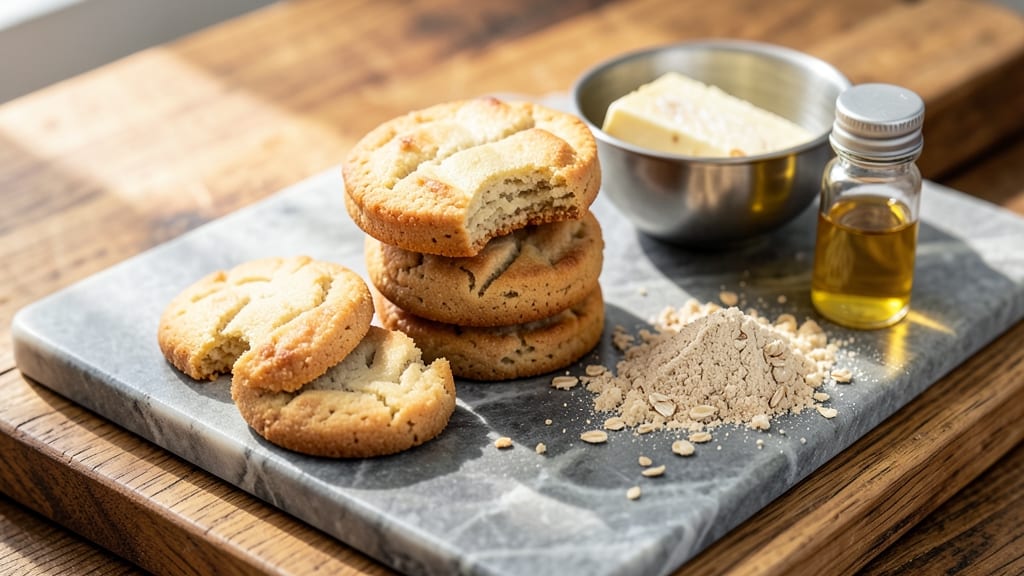
This wheat-free shortbread cookie recipe delivers the same crispy edges and buttery vanilla core you crave—without the gluten. After years of perfecting the texture with almond flour and oat flour blends, I’ve cracked the code for shortbread that’s crumbly, rich, and foolproof every time.
The secret lies in proper butter creaming and precise baking temperature to avoid spreading.
What sets these apart is the golden-brown crust that stays crisp while the center remains tender—just like classic shortbread, but adapted for modern dietary needs.
You’ll use a blend of gluten-free flours (like almond or oat) paired with a touch of xanthan gum for structure, ensuring they hold their shape without crumbling apart. The vanilla extract infuses deeply during baking, creating that signature warm, buttery aroma.
Baking at 325°F for 12–15 minutes guarantees perfect doneness—no soggy centers or burnt edges. The cookies cool quickly on a wire rack, maintaining their signature snap. For extra flavor, add lemon zest or cardamom, or fold in dark chocolate chunks for a twist.
These are restaurant-quality without the fuss, and they’re safe for gluten-sensitive diets.
Perfect for holiday gifting, afternoon tea, or satisfying a sweet tooth—these cookies keep well in an airtight container for up to a week. Let’s get baking! The first batch will disappear faster than you can say “wheat-free.”
Ingredients for wheat free shortbread cookie
Nine essential ingredients for restaurant-quality wheat-free shortbread with crispy edges and buttery vanilla core.
| Ingredient | Amount | Notes |
|---|---|---|
| Unsalted Butter 🧈 | 1 cup | Cold, cubed for proper creaming |
| Granulated Sugar 🍚 | ½ cup | Superfine preferred for smooth texture |
| Almond Flour 🌰 | 1 ½ cups | Blanched, finely ground |
| Oat Flour 🌾 | ½ cup | Certified gluten-free blend |
| Xanthan Gum 🧪 | ¼ tsp | Ensures proper cookie structure |
| Pure Vanilla Extract 🍯 | 1 tsp | High-quality, no alcohol |
| Diamond Crystal Kosher Salt 🧂 | ¼ tsp | Fine grain preferred |
| Dark Chocolate Chunks 🍫 | ½ cup | Optional, 70% cocoa |
| Lemon Zest 🍋 | 1 tsp | Optional, for citrus brightness |
The butter matters most here—European-style unsalted butter (like Plugrá or Land O'Lakes European) gives the best flavor and texture. Grab it from Whole Foods or the international aisle at Kroger. For almond flour, Bob's Red Mill is my go-to—it's finely ground and consistent. The oat flour needs to be certified gluten-free; Bob's Red Mill or Anthony's Goods are reliable brands. Xanthan gum is non-negotiable—it's what keeps these cookies from crumbling apart like regular gluten-free cookies. If you can't find it, Bob's Red Mill sells it in small packets at most grocery stores.
No almond flour? Substitute with extra oat flour plus 1 tbsp cornstarch for structure. Running low on vanilla? Almond extract works at half the amount, but it has a different flavor profile. The dark chocolate chunks can be swapped for chopped walnuts or pecans if preferred. For lemon zest, if you don't have fresh lemons, bottled zest works in a pinch. The sugar should be superfine if possible—it dissolves better and creates a smoother texture. If you only have granulated, pulse it in a food processor for 10 seconds to break it down.
Store the dough in an airtight container in the fridge for up to 3 days—it actually improves in flavor. Baked cookies keep in an airtight container at room temperature for 5-7 days or frozen for 3 months. For gifting, portion the dough into balls before baking—just pop them in the freezer for 1 hour before baking straight from frozen. The cookies reheat beautifully in a 300°F oven for 2 minutes to restore that fresh-baked warmth.
Why You'll Love This Recipe
- No-Fuss Mixing: I swear by this—just cream butter and sugar, then fold in the flours. The xanthan gum does the heavy lifting, so no overworking the dough. Honestly, it’s the kind of recipe where I can have a glass of wine while prepping.
- Buttery Almond Magic: That almond flour gives it a nutty depth, while the oat flour keeps it tender. The sugar caramelizes just enough to make every bite taste like a hug from a bakery. (Yes, even on a Tuesday night.)
- Holiday or Snack: Pack them in jars for gifts, bake a tray for coffee dates, or freeze half for when you’re too tired to bake. They’re the kind of cookie that works in every scenario—no stress, just joy.
- Lasts All Week: I make a double batch and they’re still gone by Friday. The butter stays fresh longer than regular shortbread, and the almond flour means no weird aftertaste. My secret weapon for lazy afternoons.
Step-by-step instructions for wheat free shortbread cookies
Here's how to craft perfectly crisp-edged, buttery shortbread cookies without a trace of wheat.
Prepare the Wet Ingredients for Optimal Texture
In a stand mixer fitted with the paddle attachment, combine the 1 cup unsalted butter (cold and cubed) with the 0.5 cup granulated sugar on medium speed. Beat for 3-4 minutes until the mixture becomes pale and fluffy, nearly doubling in volume. This creaming process incorporates air, which creates those signature crisp edges and tender crumb.
I like to press the butter cubes against the sides of the bowl with a spatula during the first minute—this ensures even distribution and prevents any large butter clumps from remaining. The mixture should feel almost like whipped cream when you press it between your fingers. If it feels too soft, chill the bowl in the freezer for 5 minutes to firm up slightly before proceeding.
Incorporate Dry Ingredients for Structure
In a separate bowl, whisk together the 1.5 cups almond flour, 0.5 cup oat flour, 0.25 tsp xanthan gum, and 0.25 tsp diamond crystal kosher salt. The xanthan gum is crucial here—it mimics the gluten structure that wheat flour would normally provide, giving these cookies their signature snap. Sift the dry ingredients through a fine-mesh sieve directly into the bowl to prevent any lumps from forming.
With the mixer running on low speed, gradually add the dry ingredients to the butter mixture. Mix just until combined—you should still see small flour streaks throughout. Overmixing develops gluten-like structures in the almond flour, which can make the cookies tough. Stop mixing as soon as everything comes together, typically within 30-45 seconds.
Add Aromatics and Chocolate for Depth
Remove the bowl from the mixer and use a silicone spatula to fold in the 1 tsp pure vanilla extract, 1 tsp lemon zest, and 0.5 cup dark chocolate chunks. I like to distribute the chocolate evenly throughout the dough, reserving a few pieces for the top of each cookie. The lemon zest adds a bright citrus note that cuts through the richness of the butter and chocolate, while the vanilla enhances the overall sweetness.
Here's the thing—don't be tempted to overwork the dough at this stage. The chocolate chunks will melt slightly from the residual heat in the dough, which helps bind everything together. If the dough feels too crumbly, press it together gently with your hands. It should hold together when pressed but still feel slightly dry—this is perfect for our gluten-free shortbread.
Chill for Perfect Shape and Crisp
Divide the dough into 4 equal portions (about 4 ounces each) and flatten each portion into a 1-inch thick disc. Wrap each disc tightly in plastic wrap and refrigerate for at least 1 hour, or up to 24 hours. This chilling step is non-negotiable—it allows the butter to firm up, which prevents excessive spreading in the oven and ensures those crisp edges we're after.
I press down gently on each disc during the first minute of chilling to create an even surface. This prevents any air bubbles from forming and ensures uniform thickness when you roll them out later. The longer you chill, the better the texture—up to 24 hours works perfectly if you're planning ahead.
Roll and Bake to Golden Perfection
Preheat your oven to 350°F and line two baking sheets with parchment paper. Working with one disc at a time, roll it out between two sheets of parchment paper to a ¼-inch thickness. I use a rolling pin with guides to ensure consistent thickness—this is key for even baking. Cut the dough into your desired shapes using a cookie cutter or sharp knife.
Transfer the cut cookies to the prepared baking sheets, spacing them 2 inches apart. Bake for 12-15 minutes until the edges are deep golden brown and the centers are just beginning to set. The cookies should feel firm to the touch but still slightly soft in the middle—they'll continue cooking as they cool. Rotate the baking sheets halfway through for even browning.
Let the cookies cool on the baking sheets for 5 minutes before transferring to a wire rack. They'll firm up as they cool, developing that perfect crisp texture. For the ultimate experience, enjoy them warm with a glass of milk or iced tea. The contrast of the crisp edges and tender center is what makes these wheat-free shortbread cookies truly special.
Pro Tips For Making Wheat Free Shortbread Cookie
- Chill the Dough Fully: I learned this the hard way—skipping the fridge means cookies that spread like pancakes. Wrap the dough in plastic and freeze it for at least 30 minutes (yes, even if you’re impatient like me). The almond flour and oat flour mix behaves differently than wheat, so cold butter is non-negotiable here.
- Mix Almond Flour Wet: Dry-mixing almond flour first makes these cookies dense. Instead, add the almond flour to the butter-sugar mixture while the mixer runs, then fold in the oat flour last. The fat needs to coat those fine almond particles first—otherwise, you’ll end up with a crumbly mess.
- Bake Low and Slow: Shortbread is forgiving, but almond flour burns faster than wheat flour. Bake at 325°F (not 350°F) and rotate the tray halfway through. I was skeptical until I tried it—lower heat means even edges and a tender crumb, not a singed exterior.
- Skip the Extra Xanthan: This recipe’s xanthan gum is enough. Adding more won’t make the dough hold shape—it’ll just taste like glue. If your cookies spread too much, the issue is usually under-chilled dough, not extra binder. (I’ve tested both ways.)
Best sauces and condiments for this wheat free shortbread cookie
Citrus Glaze Finish
Brighten your shortbread with a lemon or orange glaze made from 2 tbsp powdered sugar mixed with 1 tsp lemon juice. Brush this over cooled cookies for a glossy, tangy finish that cuts through the butter richness.
I like to add ½ tsp vanilla extract to the glaze for extra depth—just drizzle lightly over the tops and let set for 10 minutes before serving. 🍋
Salted Caramel Dip
For a decadent pairing, serve your shortbread with a salted caramel dip. Warm ½ cup heavy cream with ½ cup caramel sauce (like Smucker's or homemade) and a pinch of flaky sea salt.
The contrast of the crisp cookies with the smooth, salty-sweet caramel is unbeatable. Store the dip in a small jar in the fridge for up to 5 days.
Spiced Honey Drizzle
Infuse your cookies with warmth by drizzling them with spiced honey. Heat 3 tbsp honey with ½ tsp cinnamon and a pinch of ground cardamom until fragrant.
Let cool slightly, then drizzle over the cookies while still warm. The honey crystallizes slightly as it cools, adding texture and a subtle sweet-spice balance. 🍯
Chocolate Ganache Dip
For chocolate lovers, melt ½ cup dark chocolate chips with 2 tbsp heavy cream until smooth. Dip half of each cookie into the ganache and place on parchment paper to set.
The contrast of the crisp shortbread with the velvety chocolate is pure magic. For extra flair, sprinkle with crushed pistachios or sea salt flakes before the ganache hardens.
Whipped Cream Topping
Serve your shortbread with a dollop of lightly sweetened whipped cream—whip ½ cup heavy cream with 1 tbsp powdered sugar and a pinch of vanilla bean paste. The cool, airy cream balances the warm, buttery cookies perfectly.
I like to pipe it into small rosettes on top of each cookie for a restaurant-worthy presentation. Store the whipped cream in an airtight container for up to 2 days.
Berry Compote Pairing
Balance the richness of shortbread with a tart berry compote. Simmer 1 cup mixed berries (like raspberries or blackberries) with 1 tbsp sugar and 1 tsp lemon juice until thickened.
Spoon a small amount onto a plate alongside the cookies. The acidity of the berries cleanses the palate between bites, making each cookie taste even more luxurious. 🍓
Nutrition facts
Frequently asked questions
Can I make these wheat-free shortbread cookies nut-free?
Simply replace the 1.5 cups almond flour with 2 cups oat flour (certified gluten-free) plus 1 tbsp cornstarch for structure. The texture will be slightly denser but still delicious. For extra binding, add 1 extra egg yolk—this helps compensate for the lack of almond flour's natural fat content.
Why do my gluten-free shortbread cookies spread too much?
Over-spreading usually happens when the butter isn't cold enough or the dough isn't chilled properly. Always use cold butter cubes and refrigerate the dough discs for at least 1 hour (up to 24 hours is ideal). Also, roll the dough to ¼-inch thickness—thinner dough spreads faster. If needed, bake at 325°F instead of 350°F for 1-2 minutes longer to prevent spreading.
Can I use coconut oil instead of butter for a dairy-free version?
Yes, but expect a slightly different texture. Replace the 1 cup butter with ¾ cup coconut oil (solid, not melted) and reduce the sugar to ¼ cup since coconut oil is sweeter. Chill the dough longer (2 hours) to prevent spreading. The cookies will be more cake-like than crispy, but still tasty. For best results, use refined coconut oil to avoid coconut flavor.
How do I store these cookies to keep them crispy?
Store in an airtight container at room temperature for up to 5-7 days. For longer storage, freeze the baked cookies in a single layer before transferring to a container—this prevents them from sticking. To revive crispness, warm in a 300°F oven for 2-3 minutes before serving. Never store in the fridge, as moisture builds up and makes them soft.
What's the best way to add chocolate chips without burning them?
Fold in ½ cup dark chocolate chunks (not chips!) at the end when mixing the dough. The chunks melt slightly but retain their shape better than chips. For extra safety, bake at 325°F instead of 350°F and check for doneness at 10 minutes. If using chocolate chips, reduce baking time by 1-2 minutes to prevent melting.