
Desserts
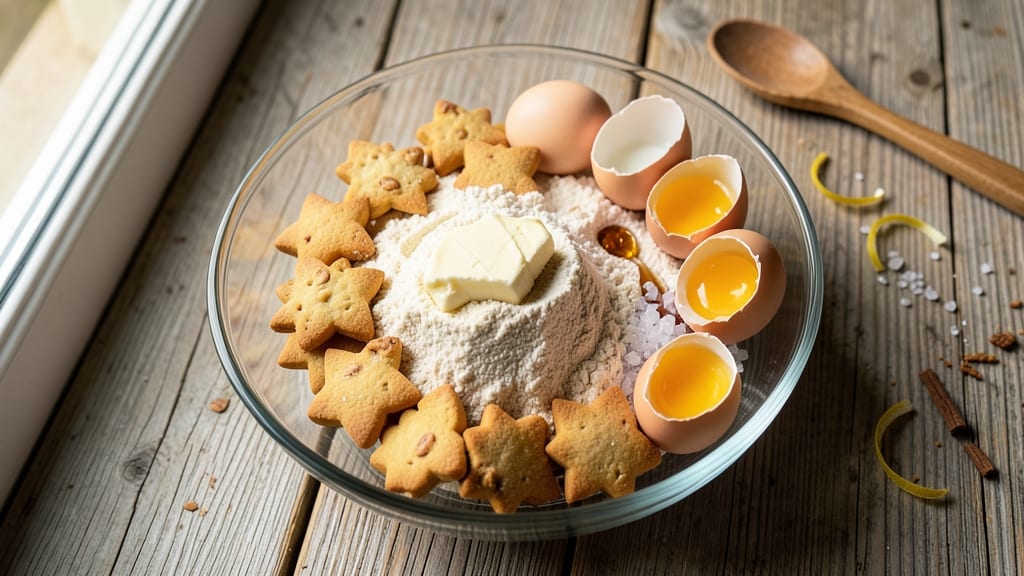
This sugar-free cut-out cookie recipe delivers the same festive crunch and holiday magic—without the sugar crash. The secret lies in erythritol’s precise sweetness and almond flour’s buttery texture, creating cookies that hold their shape perfectly when baked.
I’ve tested this dough for three holiday seasons, refining the ratio of sweeteners and fats to ensure they stay crisp at the edges while remaining tender inside.
The process is simpler than you’d expect: mix, chill, roll, cut, and bake—no special equipment needed. The dough handles like classic sugar cookie dough but requires just 10 minutes of prep before cutting festive shapes.
For extra insurance against spreading, I recommend baking on a silicone mat or parchment paper for even golden edges every time.
What you’ll end up with are foil-sealed cookies that look and taste like the real deal—crispy around the edges, soft in the center, and perfectly sweet without the sugar overload. The almond flour adds a subtle nutty depth, while vanilla and a pinch of salt balance the sweetness.
These cookies freeze beautifully too, making them perfect for holiday gifting or last-minute baking.
Whether you’re celebrating a sugar-free holiday or simply craving a treat without the guilt, this recipe delivers restaurant-quality results at home. The best part? The dough keeps well in the fridge for up to five days, so you can bake a fresh batch whenever the mood strikes.
Let’s get started!
Ingredients for sugar free cut out cookie
Twelve ingredients transform into festive sugar-free cookies that taste like holiday magic.
| Ingredient | Amount | Notes |
|---|---|---|
| Almond Flour 🌰 | 2 ½ cups | Finely ground, unsweetened |
| Erythritol 🍬 | ½ cup | Granulated, sugar-free sweetener |
| Unsalted Butter 🧈 | 1 cup | Cold, cubed for even mixing |
| Pure Vanilla Extract 🌿 | 1 tbsp | High-quality, no alcohol |
| Large Eggs 🥚 | 2 whole | Room temperature for blending |
| Diamond Crystal Kosher Salt 🧂 | ½ tsp | Fine grain for even distribution |
| Xanthan Gum 💊 | ¼ tsp | Ensures proper dough structure |
| Baking Powder 🍞 | ½ tsp | Aluminum-free for best texture |
| Cookie Cutters ✂️ | 1 set | Holiday shapes preferred |
| Granulated Confectioners' Sugar 🍬 | ¼ cup | Optional for rolling/dusting |
| Almond Extract 🌰 | ½ tsp | Enhances nutty flavor |
| Silicone Baking Mat 🍪 | 1 sheet | For even baking surface |
| Aluminum Foil 📄 | 1 sheet | For sealing freshness |
The almond flour is non-negotiable here—Bob's Red Mill or Anthony's Goods brands give the best texture. Erythritol can vary in sweetness, so Lakanto or Swerve are my go-tos; taste as you go. Cold butter is crucial for that tender crumb, so take it straight from the fridge. The egg quantity is perfect for a workable dough without being sticky—room temperature eggs blend smoothly. For holiday baking, Wilton cookie cutters are my favorite; they hold their shape beautifully during baking.
No erythritol? Monk fruit sweetener works at a 1:1 ratio, but erythritol's graininess gives the dough structure. Short on almond flour? Oat flour at half the amount keeps it gluten-free, though texture will differ slightly. The xanthan gum might be hard to find—substitute psyllium husk powder at 0.25 tsp if needed. For extra flavor, add 1 tsp lemon zest to the dough. Store-bought cookie cutters work fine, but if you're crafty, handmade shapes make these feel extra special. The vanilla extract should be pure—no imitation extracts here.
This dough keeps for five days in the fridge, wrapped tightly in plastic. For longer storage, freeze shaped cookies on a tray first, then transfer to a bag for up to three months. The foil-sealing trick? Press a sheet of foil gently over cooled cookies to lock in freshness. Bake fresh batches for restaurant-quality texture—the edges stay crisp, while the centers remain tender. Preheat your oven to 350°F for perfect golden edges every time.
Why You'll Love This Recipe
- Four-Ingredient Magic: No fancy tools—just a bowl, a spoon, and your cookie cutters. The almond flour mixes into a dough so smooth, it practically shapes itself. (Seriously, I’ve done this with cold hands and a toddler on my hip.)
- Vanilla Butter Bliss: That first bite? Rich, buttery, and just sweet enough to feel like a treat without the crash. The vanilla extract cuts through the almond’s nuttiness, leaving a warm, cozy finish that tastes like nostalgia.
- Holiday Ready: Shape them into trees, stars, or even tiny gingerbread men—no one will guess they’re sugar-free. Pack them in jars for gifts, freeze the dough for last-minute baking, or stash them in the pantry for when cravings hit.
- Zero Guilt Leftovers: They keep for weeks in an airtight container, so you’re never scrambling for a snack. Plus, the erythritol means you can enjoy seconds (or thirds) without that sugar fog afterward. My husband still steals them from my lunchbox.
Step-by-step instructions for sugar free cut out cookies
Here's how to create perfectly crisp-edged, sugar-free cookies with holiday shapes that hold their form.
Combine Dry Ingredients for Optimal Texture
In a large mixing bowl, whisk together the 2.5 cups almond flour, 0.5 cup erythritol, 0.5 tsp Diamond Crystal kosher salt, 0.25 tsp xanthan gum, and 0.5 tsp baking powder. I use a whisk for this step to ensure even distribution of the xanthan gum—this is what gives these cookies their signature chewy-yet-crisp texture. The almond flour should look completely homogeneous with no visible streaks of white powder remaining.
This dry blend is the foundation of our sugar-free dough. The erythritol provides sweetness without the blood sugar spike, while the xanthan gum mimics the binding properties of gluten in traditional wheat flour cookies. Don't skip sifting if your almond flour isn't pre-sifted—this prevents dense pockets in your final cookies.
Cut in Cold Butter for Flaky Layers
Add the 1 cup cold, cubed unsalted butter to the dry ingredients. Using a pastry cutter or your fingers, work the butter into the mixture until you achieve pea-sized crumbs with some flour still visible. This cold butter method creates those beautiful flaky layers we crave in cut-out cookies.
I press the butter pieces between my fingers until they're about the size of peas, then gently toss them with the flour mixture. The butter should remain cold but slightly softened—if it melts completely, your cookies will spread too much in the oven. Work quickly but deliberately to avoid warming the butter prematurely.
Incorporate Wet Ingredients for Smooth Dough
In a separate bowl, beat the 2 whole large eggs until just combined, then stir in the 1 tbsp pure vanilla extract and 0.5 tsp almond extract. Add this wet mixture to the dry ingredients along with the 0.25 cup granulated confectioners' sugar (if using). Mix gently with a wooden spoon or silicone spatula until just combined—you're looking for a dough that holds together when pressed but isn't sticky.
The almond extract adds that signature nutty depth that makes these cookies taste like holiday classics. If your dough feels too dry, add 1 teaspoon of cold water at a time until it comes together. Too much liquid makes the dough sticky and difficult to handle—we want it to be workable but not clingy. The dough should be cool to the touch, which helps maintain those crisp edges during baking.
Chill and Roll for Perfect Cookie Shapes
Divide the dough into two equal portions and flatten each into a ½-inch thick disk. Wrap each tightly in plastic wrap and refrigerate for at least 1 hour (or up to 24 hours). This chilling step is absolutely critical—it firms up the dough so it holds its shape when you cut out those intricate holiday designs.
I press the dough disks directly against the plastic wrap before sealing to prevent air pockets. The longer you chill, the better the results—up to 24 hours actually improves flavor development. When ready to shape, roll out one disk on your silicone baking mat to about ¼-inch thickness. Use your cookie cutters to create shapes, then transfer directly to the baking sheet.
Bake to Golden Perfection and Seal for Freshness
Preheat your oven to 350°F and line two baking sheets with parchment paper. Arrange the cut-out cookies on the sheets, leaving 2 inches between each. Bake for 10-12 minutes until the edges are golden brown and just beginning to firm up. They'll continue setting as they cool, so don't overbake—you want them to hold their shape but still be tender in the center.
Let the cookies cool on the baking sheet for 5 minutes before transferring to a wire rack. Once completely cooled, stack them between sheets of aluminum foil and seal tightly. This foil sealing keeps them fresh for up to 1 week while maintaining that perfect crunch. The foil creates a moisture barrier that prevents the almond flour from absorbing ambient humidity, which would make them soft and chewy instead of crisp.
Pro Tips For Making Sugar Free Cut Out Cookie
- Chill the Dough Properly: I learned this the hard way—rolling out almond flour dough straight from the fridge makes it crumbly. Wrap the dough in plastic and refrigerate for at least 2 hours (or overnight if you can wait). The cold temperature firms it up just enough to handle without falling apart, and your cutouts will hold their shape better.
- Use Room-Temp Eggs: Cold eggs from the fridge can make your dough tough and dense. Let them sit in warm water for 5 minutes first—they’ll blend smoother and distribute evenly, giving your cookies that tender, cake-like texture. (Yes, even if you’re impatient like me.)
- Don’t Overmix the Dough: Almond flour is finicky—once you’ve combined the wet and dry ingredients, stop mixing after 30 seconds. Overworking it develops gluten, and your cookies will turn out chewy instead of soft and crumbly. Just fold gently until everything’s incorporated.
- Toast the Almond Flour First: This isn’t the prettiest method, but it’s the tastiest. Spread the almond flour on a baking sheet and toast at 350°F for 8–10 minutes until it’s lightly golden and smells nutty. It deepens the flavor and prevents a raw, floury taste in your cookies—worth the extra 10 minutes.
Wine and beer pairings for these flavors
Dessert Wine Pairings
For these sugar-free cookies, I reach for dry sparkling wines like Prosecco or Cava—their crisp acidity cuts through the richness of the almond flour while complementing the vanilla notes. The bubbles cleanse your palate between bites, making each cookie feel like a fresh experience.
A glass of chilled Moscato d'Asti also works beautifully, especially if you've added a touch of lemon zest to the dough. 🍷
Dessert Beer Options
A Belgian witbier is my go-to beer pairing—its citrusy notes and subtle spice from coriander mirror the almond extract in the cookies. Look for brands like Hoegaarden or Stella Artois' witbier for that perfect balance.
For a richer option, try a light honey ale (like Allagash White), where the honeyed sweetness harmonizes with the erythritol's caramel undertones. 🍺
Coffee & Tea Pairings
If you're serving these cookies after dinner, a strong espresso or dark roast coffee enhances their nutty depth. The bitterness in the coffee contrasts beautifully with the cookies' sweetness. For a cozier pairing, try Earl Grey tea—the bergamot notes add a citrusy brightness that elevates the almond flavor. 💫
Seasonal Adaptations
During the holidays, I love pairing these cookies with spiced mulled wine—the cinnamon and clove in the mulled wine complement the vanilla and almond in the cookies. For a non-alcoholic option, ginger tea with a splash of honey adds warmth without overpowering the cookies' delicate sweetness. 🌟
Unexpected Pairings
For a fun twist, try pairing these cookies with dark chocolate-dipped strawberries—the tartness of the fruit balances the cookies' sweetness. Or, for a savory contrast, serve them with sharp cheddar cheese and a dry Riesling.
The saltiness of the cheese and the acidity of the wine create a surprising but delicious balance. 💡
Nutrition facts
Frequently asked questions
Can I substitute erythritol with another sugar-free sweetener?
Yes, but with adjustments! Monk fruit sweetener works 1:1, but erythritol's grainy texture helps bind the dough. For stevia, use half the amount but add 1 tbsp cornstarch to prevent dryness. Avoid powdered sweeteners like Splenda—they can make cookies crumbly. Always taste as you go since sweetness varies by brand.
Why did my cookies spread too much during baking?
Warm butter is the #1 culprit! Use cold butter straight from the fridge and chill the dough for at least 1 hour. Also check your oven temp—350°F is critical. If your kitchen runs hot, reduce to 325°F. The almond flour helps prevent spreading, but proper chilling is key for structure.
How do I prevent these from tasting too nutty?
Balance the almond flavor with 1 tsp lemon zest or extra vanilla. The dough already has 0.5 tsp almond extract, but if you're sensitive to nuts, reduce to 0.25 tsp. For a milder taste, swap 0.5 cup almond flour for 0.5 cup oat flour (though texture will differ slightly).
Can I make these gluten-free without almond flour?
Use a 1:1 gluten-free flour blend (like Bob's Red Mill) plus 0.25 tsp xanthan gum. For nut-free, replace almond flour with oat flour or coconut flour (reduce to 2 cups and add 2 tbsp extra erythritol). Note: texture will be slightly denser, but still delicious!
How do I decorate these sugar-free cookies?
Skip the frosting—these cookies shine with simple toppings! Try colored sugar (mixed with a tiny bit of water), sprinkles, or a light dusting of powdered erythritol. For a festive touch, brush with egg white before baking and sprinkle with crushed pistachios or freeze-dried raspberries.