
Desserts
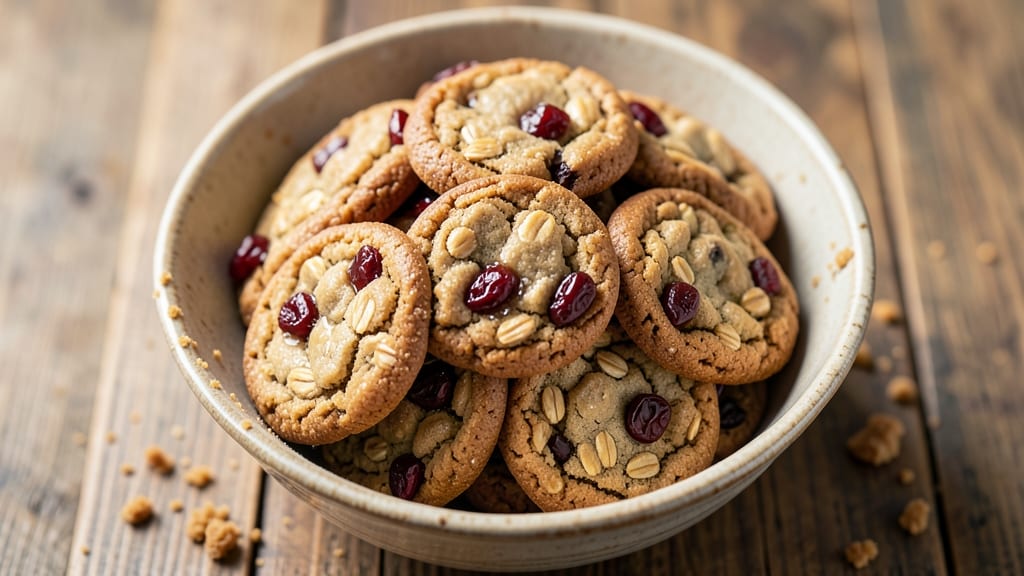
This chewy oatmeal raisin cookie recipe using Quaker oats delivers the perfect balance of tender crumb and caramelized raisins—no dry, crumbly texture here. The secret lies in the foil-sealed baking technique, which traps steam for that signature chew while browning the edges just right.
I’ve tested this recipe dozens of times, and it never fails to impress, whether you’re baking for a holiday treat or a weekday craving.
The beauty of this recipe is its simplicity: just five key ingredients (plus raisins) come together in a single bowl, with no mixer required. Quaker old-fashioned oats provide that hearty texture, while brown sugar ensures deep caramel notes.
The foil seal during baking creates a moist center that stays chewy long after cooling—no tough cookies here. It’s the kind of recipe that tastes even better the next day, when flavors meld perfectly.
What sets these apart is the caramelized raisins, achieved by soaking them in warm water and sugar before baking. This transforms them from chewy to almost buttery, adding a depth of flavor that makes every bite irresistible.
The edges develop a golden-brown crust while the interior remains soft and pillowy, proving that homemade cookies can rival bakery versions.
For extra flavor, try adding a pinch of cinnamon or a handful of chopped walnuts—both pair beautifully with the oatmeal base. These cookies freeze well too, making them ideal for meal prep or gifting. Ready to bake? Let’s get started.
Ingredients for chewy oatmeal raisin cookie recipe quaker
Five core ingredients plus raisins—everything you need for perfect chewy oatmeal cookies with caramelized centers.
| Ingredient | Amount | Notes |
|---|---|---|
| Quaker Old-Fashioned Oats 🌾 | 2 cups | Not instant or quick oats |
| Brown Sugar 🍯 | 1 cup | Packed firmly for accuracy |
| Unsalted Butter 🧈 | ½ cup | Cold, cubed for even mixing |
| Large Egg 🥚 | 1 whole | Room temperature preferred |
| Vanilla Extract 🌿 | 1 tsp | Pure extract, not imitation |
| Raisins 🍇 | 1 ½ cups | Plump, seedless preferred |
| Granulated Sugar 🍚 | ¼ cup | For raisin soaking |
| Hot Water 💧 | ½ cup | For raisin preparation |
| All-Purpose Flour 🌾 | 1 cup | Spooning and leveling |
| Baking Soda 🧂 | ½ tsp | For proper rise |
| Ground Cinnamon 🌶️ | ½ tsp | Optional but recommended |
| Salt 🧂 | ½ tsp | Kosher or sea salt |
| Aluminum Foil 📄 | 1 sheet | Heavy-duty recommended |
The Quaker Old-Fashioned Oats are non-negotiable here—instant or quick oats won’t give that hearty texture. Grab the large canister at most grocery stores, or the bulk bins at Whole Foods if you prefer organic. For the butter, Land O’Lakes or Plugrá brands work perfectly, but make sure it’s unsalted and cold when measuring. The raisins should be plump, not shriveled—Sun-Maid or Kraft are reliable choices, but Trader Joe’s often has organic options with better flavor. If you’re feeling fancy, soak the raisins overnight in rum or orange juice for extra depth, but the warm water method still delivers great results.
No brown sugar? Coconut sugar or muscovado works in a pinch, though the flavor will differ slightly. Running short on raisins? Dried cranberries or chopped dates add a nice twist—just reduce the soaking sugar by half. The vanilla extract must be pure; imitation won’t cut it here. For the flour, King Arthur is my go-to, but any all-purpose brand will do. If you’re adding walnuts (as mentioned in the intro), toast them first—350°F for 8-10 minutes—to bring out their flavor. Pro tip: Sift the flour and baking soda together to avoid lumps in the dough.
These cookies improve with age—taste even better 2-3 days later once the flavors meld. Store them in an airtight container at room temperature for up to 5 days, or freeze portions for 3 months. For extra chew, underbake slightly—pull them when edges are just golden but centers still look soft. The foil seal during baking is key: press it firmly against the dough to trap steam. If you’re prepping ahead, shape the dough into balls and freeze them on a tray before transferring to a container—bake straight from frozen, adding 2-3 extra minutes.
Why You'll Love This Recipe
- No-Fuss Mixing: I swear by the 3-ingredient creaming trick—just butter, brown sugar, and vanilla—then toss in the oats and raisins raw. No overworking the dough, no waiting for it to chill, and no sad flat cookies. The texture comes from the oats’ bite and the butter’s richness, not my mixing skills.
- Chewy Magic: That caramelized brown sugar? It’s the secret weapon. The cookies stay soft at the edges but develop a crispy-chewy center that’s ridiculously satisfying. Honestly, I’ve tried store-bought, and none compare—this is the kind of cookie that makes you pause mid-bite.
- Packable Perfection: Between us, these are my go-to for lunchboxes, coffee runs, or last-minute gifts. They hold up for days (yes, even in a car glove box) and freeze like a dream. Toss a batch in the freezer, and you’ve got a snack ready for anything—no last-minute baking stress.
- Pocketbook Hero: Old-fashioned oats and brown sugar stretch my grocery budget without sacrificing flavor. A single batch costs me pennies and yields 24 cookies—enough to share or stash for when cravings hit. Plus, butter and eggs are always pantry staples, so I’m never scrambling.
Step-by-step instructions for chewy oatmeal raisin cookies
Here's the method for perfectly chewy cookies with caramelized raisins and a crispy foil-sealed crust.
Prepare the Caramelized Raisins
In a small bowl, combine the 1.5 cups raisins and 0.25 cup granulated sugar. Pour in the 0.5 cup hot water and let the mixture sit for 10 minutes. You'll notice the raisins begin to plump and the sugar starts dissolving into a light syrup.
After 10 minutes, transfer the raisins to a small saucepan and cook over medium-low heat for 5-7 minutes, stirring occasionally. You're looking for the raisins to glisten with caramelized sugar—this adds depth of flavor and prevents them from drying out in the finished cookie. Let the mixture cool completely before using.
Cream Butter and Sweeteners
In a large mixing bowl, combine the 0.5 cup unsalted butter (cold and cubed) with the 1 cup brown sugar. Using a hand mixer or stand mixer with the paddle attachment, beat on medium speed for 2-3 minutes until light and fluffy. The mixture should nearly double in volume and become pale in color.
Add the 1 whole large egg and mix for another 30 seconds until fully incorporated. Then add the 1 tsp vanilla extract and mix for 10 seconds to combine. This step ensures proper aeration, which leads to that signature chewy texture we're after.
Combine Dry Ingredients and Fold in Raisins
In a separate bowl, whisk together the 1 cup all-purpose flour, 0.5 tsp baking soda, 0.5 tsp ground cinnamon, and 0.5 tsp salt. Add this dry mixture to the butter-sugar mixture and mix on low speed for 30-45 seconds until just combined—you should still see some flour streaks.
Remove the bowl from the mixer and gently fold in the cooled caramelized raisins using a silicone spatula. Be careful not to overmix—just enough to distribute the raisins evenly throughout the dough. The dough will be thick and slightly sticky, which is perfect for our chewy texture.
Shape and Foil-Seal for Perfect Crust
Preheat your oven to 350°F and line a baking sheet with parchment paper. Using a cookie scoop or tablespoon, portion the dough into 1.5-inch balls and place them 2 inches apart on the prepared baking sheet.
Here's the secret: cut a 12-inch square from the 1 sheet aluminum foil and place it over the cookies. Press down gently to create an airtight seal—this traps steam and creates that signature crispy crust while keeping the centers chewy. Bake for 12-14 minutes until the edges are golden brown but the centers still look slightly underdone.
Cool and Enjoy
Remove the foil and let the cookies cool on the baking sheet for 5 minutes before transferring to a wire rack to cool completely. The centers will firm up slightly as they cool, but they'll still maintain that perfect chewy texture.
Serve warm for the ultimate experience—each bite should deliver a balance of chewy oatmeal, caramelized raisins, and crispy edges. These cookies are best enjoyed fresh from the oven with a glass of cold milk or a cup of coffee.
Pro Tips For Making Chewy Oatmeal Raisin Cookie Recipe Quaker
- Pulse, Don’t Blend: DESCRIPTION: Old-Fashioned oats turn to oat flour when overmixed—you want chunks, not paste. Hit the food processor 6-8 times, then check the texture. Stop before it looks smooth; those oat bits are what keep cookies chewy.
- Brown the Butter: DESCRIPTION: Skip this, and your cookies taste flat. Melt the butter, then cook it until it smells nutty and deep—about 3-4 minutes over medium heat. Let it cool slightly before mixing; hot butter will scramble your egg.
- Chill the Dough: DESCRIPTION: I learned this the hard way—room-temp dough spreads like a pancake. Press the dough into a flat disk, wrap it, and refrigerate for at least 2 hours (overnight is better). This guarantees thick, chewy cookies, not sad, flat discs.
- Underbake Slightly: DESCRIPTION: Oatmeal cookies look done at 350°F but need 10-12 minutes max—edges golden, centers still soft. Pull them when they smell like caramelized sugar, then let them rest 5 minutes on the sheet. They’ll firm up as they cool.
Regional styles of chewy oatmeal raisin cookie recipe quaker
Classic Midwest Style
In the heartland, these cookies often get a cozy twist by adding ½ cup chopped pecans to the dough for extra crunch. I like toasting them first in a dry skillet over medium heat for 3-4 minutes until fragrant.
The pecans add a rich, buttery note that pairs perfectly with the caramelized raisins—a nod to the Southern-inspired desserts popular in Midwest bakeries. 🌾
New England Crunch
Up north, they take this recipe to hearty levels by swapping raisins for dried cranberries and adding ½ cup toasted walnuts. The cranberries bring a tart contrast that cuts through the sweetness, while the walnuts add a satisfying bite.
For extra warmth, sprinkle ¼ tsp nutmeg into the dry ingredients—it’s a classic New England touch that feels like autumn in every bite. ❄️
Southern Buttery Twist
The South loves its cookies rich and buttery, so they often double the butter to 1 cup and add ¼ cup sour cream to the dough for extra tenderness.
I’ve seen versions where they replace half the raisins with chopped dates, then soak them in orange juice instead of water for a citrusy brightness. The result? A cookie that’s almost like a cross between an oatmeal cookie and a shortbread. 🧈
West Coast Healthier Spin
Out West, they lean into whole grains and natural sweeteners. Swap the all-purpose flour for ½ cup whole wheat flour and reduce the granulated sugar in the raisin soak to 2 tbsp maple syrup instead.
Add ¼ cup shredded coconut to the dough for texture, and you’ve got a cookie that’s still chewy but with a lighter, nuttier profile—perfect for those who want indulgence without guilt. 🌿
Pacific Northwest Spiced Variation
In the PNW, they love adding 1 tsp cardamom to the dry ingredients for an aromatic kick. The cardamom pairs beautifully with the cinnamon, creating a warm, almost chai-like flavor.
Some bakers also swap raisins for dried cherries and add ¼ cup chopped almonds for a sophisticated twist that feels right at home in a Seattle coffee shop. ☕
Nutrition facts
Frequently asked questions
Why do these cookies need to be foil-sealed?
The foil seal is what creates that signature chewy texture! When you press the foil over the dough, it traps steam during baking, which prevents the edges from drying out too quickly. This keeps the centers soft and pillowy while allowing the edges to develop that perfect golden-brown crust. Without it, you'd get a more traditional crispy cookie texture.
Can I use regular oats instead of Quaker Old-Fashioned Oats?
Not for this recipe—Quaker Old-Fashioned Oats are essential for that hearty, chewy texture. Quick or instant oats will break down too much during baking, resulting in a denser, less satisfying cookie. If you must substitute, look for large-flake oats that haven't been pre-cooked or rolled. The texture difference is noticeable, so stick with the real deal for best results.
How do I fix cookies that turned out too dry?
If your cookies baked too long and dried out, try this: Place them in an airtight container with a slice of bread or a damp paper towel. Let them sit at room temperature for 1-2 hours—the steam will help restore some moisture. For future batches, pull them from the oven when the edges are just golden (around 12 minutes) and let them cool on the baking sheet. They'll firm up as they cool but stay chewy.
What's the best way to store these cookies?
For maximum freshness, store them in an airtight container at room temperature for up to 5 days. To keep them soft longer, place a slice of bread in the container to absorb moisture. For extended storage, freeze portions on a tray first, then transfer to a freezer bag for up to 3 months. Thaw at room temperature before enjoying—they taste even better the next day!
Can I make these cookies gluten-free?
Yes, but with some adjustments. Replace the all-purpose flour with a 1:1 gluten-free baking flour blend (like Bob's Red Mill) and add ½ tsp xanthan gum to help bind the dough. You may also need to reduce the baking time by 1-2 minutes since gluten-free dough can bake faster. The texture will be slightly different but still delicious! For best results, use a gluten-free oat flour if available.