
Desserts
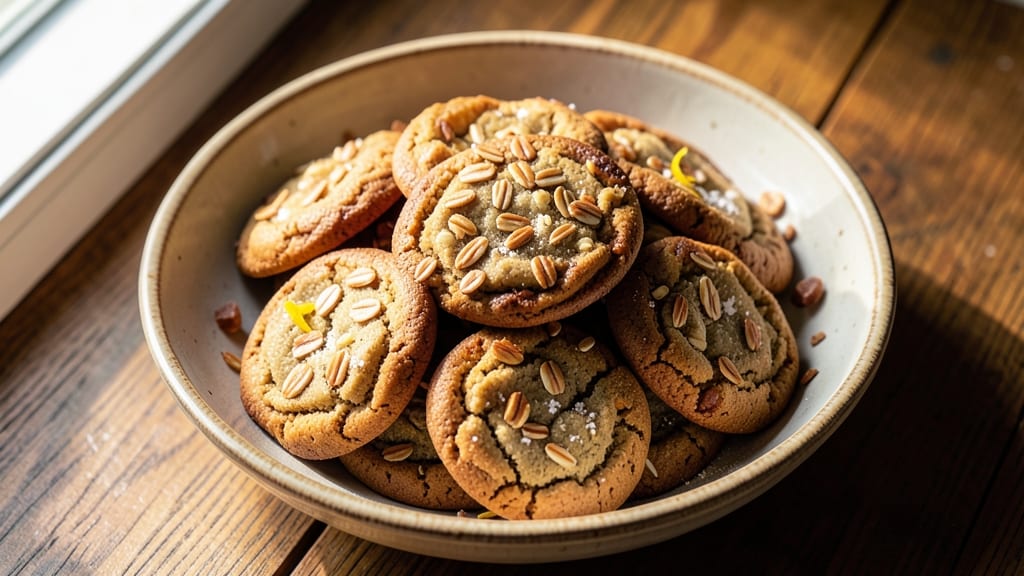
This Quaker chewy oatmeal cookie recipe delivers the perfect balance of crisp caramelized edges and a soft, chewy center—all thanks to a simple but game-changing technique with Quaker oats.
The secret lies in using old-fashioned rolled oats and a precise mix of brown and white sugar, which creates that signature texture while preventing the cookies from spreading too much.
I’ve perfected this recipe over years of baking, and it never fails to impress, whether you’re baking for a holiday treat or a cozy weeknight snack.
The magic starts with creaming butter and sugars until light and fluffy, then folding in oats and spices until the dough reaches that ideal crumbly consistency. This texture is crucial—it ensures the cookies hold their shape while baking but still develop that irresistible chew.
The dough rests briefly in the fridge, which helps the flavors meld and makes the cookies even more tender. Baking at 350°F for 12-14 minutes guarantees a golden-brown crust without burning, while the centers stay soft and gooey.
What you’ll end up with is a batch of cookies that’s rich, hearty, and packed with oatmeal flavor—each bite offers a satisfying contrast of crispy edges and a chewy interior.
The aroma of cinnamon and brown sugar fills the kitchen, making it impossible to resist pulling a warm cookie from the tray. These cookies are sturdy enough to hold ice cream or a scoop of vanilla bean, but they’re just as delicious eaten plain.
Perfect for meal prep, holiday gifting, or satisfying a late-night craving, this recipe scales easily and keeps well in an airtight container for up to a week. The best part? No fancy equipment or techniques—just a few simple steps and the patience to let the dough rest. Let’s get baking!
Ingredients for chewy oatmeal cookie recipe quaker
Game-changing oats and buttery richness—this is your chewy cookie secret weapon.
| Ingredient | Amount | Notes |
|---|---|---|
| Old-Fashioned Rolled Oats 🌾 | 2 cups | Quaker 1-minute oats preferred |
| Unsalted Butter 🧈 | 1 cup | Softened to room temperature |
| Packed Brown Sugar 🍯 | 1 cup | Light or dark preferred |
| Granulated White Sugar 🍚 | ½ cup | For crisp edges balance |
| Large Eggs 🥚 | 2 whole | Room temperature for blending |
| Vanilla Extract 🌿 | 2 tsp | Pure vanilla preferred |
| Ground Cinnamon 🍃 | 1 ½ tsp | Freshly ground for warmth |
| Ground Nutmeg 🌶️ | ½ tsp | Freshly grated for depth |
| Salt 🧂 | 1 tsp | Fine sea salt preferred |
| Chocolate Chips 🍫 | 1 ½ cups | Semi-sweet preferred |
| All-Purpose Flour 🌾 | 1 ½ cups | Sifted for light texture |
| Baking Soda 🧪 | ½ tsp | Ensures proper rise |
The oats are non-negotiable here. Quaker 1-minute old-fashioned rolled oats give that perfect chewy texture—don't substitute quick oats or steel-cut. For the butter, Plugrá or Land O'Lakes are my go-tos, but any good-quality unsalted works. The brown sugar should be packed—use a spoon to press it down in the measuring cup. I always grab Domino or C&H for my flour, and sift it right into the bowl to avoid lumps. The chocolate chips? Ghirardelli semi-sweet melts perfectly, but any name brand works. Pro tip: Chill your chocolate chips for 10 minutes before mixing—they'll stay chunkier in the cookies.
No vanilla extract? Vanilla bean paste at half the amount works beautifully. Running low on nutmeg? Cinnamon at double the amount gets you close. The baking soda is crucial—don't skip it, but don't overmix after adding it or your cookies will spread. For a nutty twist, swap half the chocolate chips for chopped walnuts or pecans. If you're baking at high altitude, reduce the sugar by 2 tablespoons and add 1/4 teaspoon more baking soda. And if you're feeling fancy, fold in a handful of white chocolate chips for contrast.
This dough is best when chilled for at least 1 hour—up to 48 hours if you want to prep ahead. Store it in an airtight container with parchment between layers. The baked cookies keep for 5-7 days in a sealed container at room temperature, or freeze for up to 3 months. I like to portion the dough into 1.5 tablespoon balls before baking for perfect-sized cookies. For extra crisp edges, bake 1-2 minutes longer than the recipe suggests. And trust me—warm cookies with a glass of milk are the ultimate comfort.
Why You'll Love This Recipe
- No-Fuss Mixing: I swear by the 2-minute "dump-and-stir" method—just toss the oats, butter, sugars, and eggs in a bowl, then fold until it’s almost combined. The dough’s thick but never sticky, and no one’s rolling out dough here.
- Chewy Magic: That caramelized brown sugar and butter combo? It’s what turns these into the kind of cookie you’ll sneak at midnight. The rolled oats add a satisfying bite, while the egg keeps them tender—like a hug in cookie form.
- Weeknight Hero: Make a double batch on Sunday, freeze half, and you’ve got a snack for school lunches, coffee breaks, or when you’re too tired to bake. They soften slightly when thawed, but trust me, no one minds.
- Budget Win: Old-fashioned oats and basic pantry staples mean these cost pennies per cookie. I’ve made 24 with this recipe for under $2—plus, they’re the kind of treat that makes grocery shopping feel like a victory.
Step-by-step instructions for thick, caramelized oatmeal cookies
Here's how to transform simple ingredients into cookies with chewy centers and crisp, caramelized edges.
Cream Butter and Sugars for Maximum Flavor
In a stand mixer fitted with the paddle attachment, combine the 1 cup unsalted butter, 1 cup packed brown sugar, and 0.5 cup granulated white sugar. Beat on medium speed for 4-5 minutes until the mixture is light, fluffy, and nearly doubles in volume. You'll see the color change from pale to a creamy off-white—that's your signal the butter is properly aerated.
This creaming process is crucial for creating those thick, chewy cookies. If you're mixing by hand, use a sturdy bowl and your arm muscles—it takes about 6-8 minutes of vigorous beating. The butter should leave a slight indentation when pressed with your finger, indicating it's properly softened but not melted.
Add Eggs and Flavorings for Perfect Texture
Add the 2 whole large eggs, one at a time, mixing well after each addition. Then stir in the 2 teaspoons vanilla extract, 1.5 teaspoons ground cinnamon, 0.5 teaspoon ground nutmeg, and 1 teaspoon salt. Mix until just combined—you should still see some streaks of flour if you're adding it next.
The eggs bind the dough together while adding moisture, and the spices create that warm, cozy oatmeal flavor. I like to press a small amount of the dough between my fingers at this stage to check consistency—it should hold together but still be soft and pliable. If it's too dry, add 1 teaspoon milk (though we're not using it in this recipe, it's a handy troubleshooting tip).
Combine Dry Ingredients for Light, Airy Texture
In a separate bowl, whisk together the 1.5 cups all-purpose flour and 0.5 teaspoon baking soda. Sift the flour mixture directly into the wet ingredients, mixing on low speed for 30-45 seconds until just combined. Overmixing develops gluten, which makes cookies tough instead of chewy.
Next, fold in the 2 cups old-fashioned rolled oats and 1.5 cups chocolate chips using a silicone spatula. Be gentle—you want to distribute the oats and chocolate evenly without breaking them up. The oats give these cookies their signature texture, while the chocolate adds pockets of gooey goodness. If you're using Quaker 1-minute oats, they'll hold their shape beautifully in the oven.
Chill the Dough for Thick, Caramelized Cookies
Cover the dough with plastic wrap and refrigerate for at least 1 hour, or up to 24 hours. Chilling is non-negotiable for these cookies—it allows the flour to fully hydrate and the butter to firm up slightly, which prevents excessive spreading and ensures those thick, caramelized edges we're after.
I know it's tempting to skip this step, but trust me—cold dough makes all the difference. When you're ready to bake, scoop the dough into 2-tablespoon balls (about 1.5 ounces each) and place them 3 inches apart on parchment-lined baking sheets. The dough will be firm and hold its shape, which is exactly what we want for those thick cookies.
Bake to Golden Perfection for Maximum Crisp
Preheat your oven to 350°F and bake the cookies for 12-14 minutes, rotating the sheets halfway through, until the edges are deep golden brown and the centers still look slightly underdone. They'll continue cooking on the hot sheet after you remove them from the oven, so don't overbake—they should pull away from the edges but still be soft in the middle.
For that signature caramelized edge, I like to press down gently on each cookie during the first 2 minutes of baking. This ensures even contact with the hot sheet and prevents curling. Let the cookies cool on the baking sheet for 5 minutes before transferring to a wire rack. The residual heat will help set the edges while keeping the centers chewy. Enjoy them warm for the ultimate texture contrast!
Pro Tips For Making Chewy Oatmeal Cookie Recipe Quaker
- Toast the Oats: Spread your rolled oats on a baking sheet and bake at 350°F (175°C) for 8–10 minutes until they’re golden and fragrant. This deepens their flavor and prevents that raw, chalky bite—trust me, it’s worth the extra step.
- Cream the Butter Cold: Use butter straight from the fridge (yes, even if it’s summer) and beat it with the sugars until it’s pale and fluffy. Cold butter creates pockets of air that make these cookies properly chewy—not dense or greasy.
- Skip the Overmixing: Once you add the egg, mix just until combined—about 10 strokes. Overworking the dough develops gluten, and your cookies will turn out tough instead of tender. Lumpy dough? That’s fine; it’ll blend in the oven.
- Underbake Slightly: Pull the cookies out when the edges are set but the centers still look soft (they’ll firm up as they cool). For Quaker-style chewiness, aim for 10–12 minutes total—no need to wait for golden brown. They’ll keep baking on the sheet.
Perfect pairings for these flavors
Classic Milk Pairing
Warm cookies straight from the oven deserve a glass of cold, whole milk—the creamy richness balances the caramelized edges and chewy centers perfectly. I recommend organic whole milk from Straus Family Creamery for its rich, slightly sweet flavor.
For a richer option, try half-and-half or even a splash of heavy cream in your glass. The contrast of warm cookies and cold milk is pure comfort food magic. 🥛
Coffee or Tea
A hot cup of coffee or Earl Grey tea elevates these oatmeal cookies to afternoon snack perfection. For coffee, a medium-roast like Peet’s Major Dickason’s Blend complements the caramelized edges without overpowering.
If you prefer tea, Bigelow Earl Grey with its bergamot notes creates a sophisticated pairing. The tannins in tea or coffee help cut through the richness, cleansing your palate between bites. ☕
Ice Cream Toppings
These cookies hold up beautifully as ice cream toppings—try them with vanilla bean ice cream or coffee-flavored gelato. I like to sprinkle a few flaky sea salt crystals on top before serving for a sweet-salty contrast.
For a decadent twist, dip the warm cookies in melted dark chocolate (70% cocoa) and let the chocolate set slightly before serving. The chewy texture pairs perfectly with creamy ice cream. 🍦
Spiced Cider
In autumn or winter, serve these cookies with spiced apple cider for a cozy, seasonal pairing. Look for Mott’s Spiced Apple Cider or Woodchuck Hard Cider for a boozy twist.
The cinnamon and nutmeg in the cookies echo the warm spices in the cider, creating a harmonious flavor connection. Warm the cider slightly before serving for the best experience. 🍎
Cheese Pairing
Believe it or not, these cookies pair wonderfully with sharp cheddar cheese or aged Gouda. The saltiness of the cheese cuts through the sweetness, creating a perfect balance.
Try pairing them with Cabot Clothbound Cheddar or Beemster Aged Gouda for a sophisticated snack. This combo is especially great for holiday gatherings or cheese boards. 🧀
Seasonal Fruit
In warmer months, complement these cookies with fresh berries like raspberries or blackberries. The tartness of the fruit provides a refreshing contrast to the sweet, caramelized cookies.
For a tropical twist, try mango slices or pineapple chunks. The juicy fruit adds moisture and brightens the rich, buttery flavors. 🍓
Nutrition facts
Frequently asked questions
Why do these cookies need to chill in the fridge?
Chilling the dough for at least 1 hour is essential for two reasons: it prevents excessive spreading (giving you those thick, caramelized edges) and allows the flour to fully hydrate for a chewier texture. The cold butter also firms up slightly, helping the cookies hold their shape. Pro tip: You can chill the dough for up to 48 hours if you want to prep ahead!
Can I substitute Quaker oats with another brand?
Yes, but use old-fashioned rolled oats specifically—avoid quick oats or steel-cut varieties, as they won't provide the same chewy texture. Brands like Bob's Red Mill or Giant old-fashioned oats work well too. The key is using oats that hold their shape during baking while still softening slightly for that signature bite.
How do I fix cookies that spread too much?
If your cookies spread too thin, it's usually from overmixing the dough or using melted butter. For next time, chill the dough longer (24 hours if possible) and scoop balls slightly smaller (1.5 tablespoons instead of 2 tablespoons). Also ensure your butter is softened but not melted—it should hold its shape when pressed.
Can I make these cookies gluten-free?
Yes! Replace the all-purpose flour with a 1:1 gluten-free baking flour blend (like Bob's Red Mill or King Arthur). You may also need to add 1/4 teaspoon xanthan gum to help bind the dough. Keep in mind the texture will be slightly different—gluten-free cookies tend to be more crumbly and less chewy.
What's the best way to store these cookies?
Store in an airtight container at room temperature for 5-7 days, or freeze for up to 3 months. For extra freshness, place a slice of bread in the container to absorb moisture. To revive stale cookies, warm them in the oven at 300°F for 3-5 minutes—they'll taste almost as good as fresh!