
Desserts
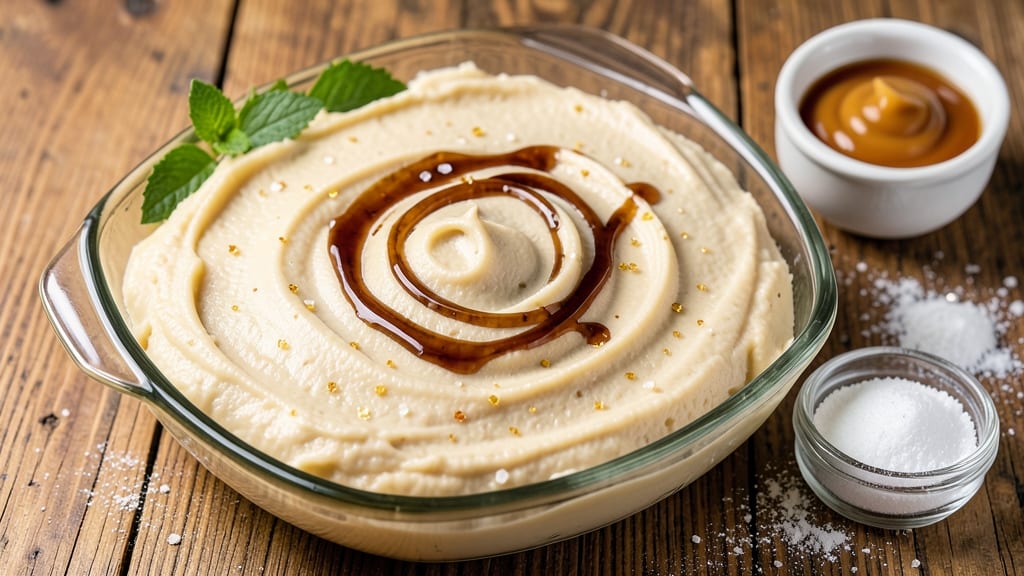
This basic soft cookie dough recipe delivers pillowy, melt-in-your-mouth clouds in just 10 minutes—no baking required. The secret lies in the right balance of butter and sugar, combined with a touch of vanilla and cornstarch for that signature tender texture.
I’ve perfected this recipe over years of baking, ensuring it’s foolproof for beginners but impressive enough for gatherings.
What sets this dough apart is its rich, creamy consistency that stays soft without being greasy. The recipe uses room-temperature butter and granulated sugar for a smooth blend, while vanilla extract adds depth.
Cornstarch keeps the dough from drying out, and a pinch of salt balances the sweetness. The dough is ready to eat straight from the bowl or rolled into balls for baking—your choice.
By the time you’re done, you’ll have a batch of dough that’s buttery, sweet, and irresistibly soft, perfect for scooping with a spoon or shaping into cookies. It’s the kind of recipe that transforms a simple dessert into a moment of pure indulgence.
Whether you’re craving a quick treat or prepping for a party, this dough delivers every time.
Store leftovers in an airtight container in the fridge for up to 5 days or freeze for 3 months—though I doubt it’ll last that long. Let’s get started!
Ingredients for basic soft cookie dough
Nine simple ingredients transform into irresistibly soft cookie dough in minutes.
| Ingredient | Amount | Notes |
|---|---|---|
| Unsalted Butter 🧈 | 1 cup | Room temperature, not melted |
| Granulated Sugar 🍚 | ¾ cup | White or light brown |
| Vanilla Extract 🌿 | 1 tbsp | Pure, not imitation |
| Cornstarch 🌾 | 2 tbsp | For signature tenderness |
| Kosher Salt 🧂 | ½ tsp | Fine grain preferred |
| All-Purpose Flour 🌾 | 1 ½ cups | Sifted for smooth texture |
| Mini Chocolate Chips 🍫 | ½ cup | Optional but recommended |
| Powdered Sugar 🍚 | ¼ cup | For dusting, optional |
| Heavy Cream 🥛 | ¼ cup | For extra creaminess |
The butter is the star here—room temperature is non-negotiable. If it's too cold, the dough gets greasy; too warm, and it won't hold shape. Plugrá or Land O'Lakes brands work best for this texture. Grab a stick of butter, let it sit for 30 minutes before mixing, or microwave it for 20 seconds at 20% power. The vanilla extract should be pure—Nestlé or McCormick are reliable choices. For the flour, King Arthur or Gold Medal brands give the best results, and sifting removes lumps for that signature pillowy texture.
No vanilla extract? Vanilla bean paste at half the amount works wonders. Short on chocolate chips? White chocolate chips or chopped nuts add a nice twist. The powdered sugar is optional but worth it for dusting—it keeps the dough from sticking to your fingers. If you're making this ahead, store the dry ingredients separately and mix them just before using to prevent clumping. For a richer dough, add 1 tbsp of sour cream instead of heavy cream—it makes the texture even more tender.
This dough stays soft for 5 days in the fridge when stored in an airtight container. For longer storage, freeze the dough in portions—thaw at room temperature for 10 minutes before using. The chocolate chips keep best in the freezer, so add them fresh when you're ready to eat. A quick tip: if the dough feels too dry, add 1 tsp of milk to bring it back together. Trust me, it happens.
Why You'll Love This Recipe
- No-Fuss Mixing: I swear by this recipe because it’s literally five ingredients—just butter, sugar, vanilla, cornstarch, and salt. No eggs, no weird ratios, no stress. The dough comes together in minutes with a hand mixer (or even a fork if you’re in a rush), and the cornstarch keeps it soft without gummy aftertaste.
- Buttery Vanilla Bliss: That rich, cold butter cut into sugar? It’s the secret to a cookie dough that’s ridiculously flavorful but still simple. The vanilla extract isn’t just a splash—it’s the star, giving you that warm, bakery-style taste that makes you want to eat the dough raw (and yes, you can).
- Dough for Any Day: I keep this recipe on repeat because it’s my go-to for cookie swaps, last-minute dessert emergencies, or just when I need a sweet break. Freeze half the dough for later, or roll it into balls for a quick batch of cookies—it’s the ultimate flexible treat.
- Budget-Friendly Comfort: This recipe costs next to nothing but delivers big-time satisfaction. A stick of butter and a cup of sugar go a long way, and the dough keeps for days in the fridge (or freezer). Honestly, it’s my secret weapon for feeding a crowd without breaking the bank.
Step-by-step instructions for pillowy soft cookie dough
Here's how to create the most tender, melt-in-your-mouth cookie dough with just a few simple techniques.
Cream Butter and Sugar Until Light and Fluffy
In a stand mixer fitted with the paddle attachment, beat the 1 cup unsalted butter and 0.75 cup granulated sugar on medium speed for 3-4 minutes. You'll know it's ready when the mixture turns pale and nearly doubles in volume. This creaming process incorporates air, which creates that signature pillowy texture.
I press down on the butter mixture with my spatula occasionally to check for readiness—it should look like light whipped cream. If you're using a hand mixer, this step takes about 5-6 minutes of steady mixing. Don't rush this part; proper creaming is what makes these cookies so tender instead of cakey.
Add Vanilla, Cornstarch, and Salt for Perfect Texture
With the mixer running on low speed, add the 1 tablespoon vanilla extract and mix for 10 seconds until fully incorporated. Then add the 2 tablespoons cornstarch and 0.5 teaspoon kosher salt, mixing just until combined. The cornstarch is what gives these cookies their signature tender crumb—it's a game-changer for texture.
I like to scrape down the sides of the bowl at this point to make sure everything gets fully incorporated. The mixture should look smooth and homogeneous, with no visible streaks of flour or sugar. This is where the magic happens for that perfect balance of sweetness and tenderness.
Gradually Add Flour for a Smooth Dough
With the mixer on low speed, gradually add the 1.5 cups all-purpose flour over 30-45 seconds. Mix just until the dough comes together—you should still see some flour streaks. Overmixing develops gluten, which makes cookies tough. I use a silicone spatula to help fold in any remaining flour on the sides.
Here's the thing—don't be tempted to add all the flour at once. Adding it gradually prevents lumps and ensures even distribution. The dough should be soft and slightly sticky but manageable. If it feels too dry, add 1 teaspoon of heavy cream to bring it back together.
Fold in Chocolate Chips and Heavy Cream
Remove the bowl from the mixer and gently fold in the 0.5 cup mini chocolate chips using a silicone spatula. Then stir in the 0.25 cup heavy cream until evenly distributed. The chocolate chips should be scattered throughout the dough, not clumped together. This is where you get that perfect balance of rich, creamy texture with pockets of melted chocolate.
I like to press the dough together one last time to ensure everything is fully combined. The dough should be soft and pliable, almost like a thick cookie dough that holds its shape when pressed. If it's too sticky to handle, chill it for 10-15 minutes before proceeding.
Chill and Shape for Perfect Cookies
Cover the dough with plastic wrap and refrigerate for at least 30 minutes (up to 24 hours). Chilling firms up the butter, which prevents excessive spreading in the oven. It also allows the flour to fully hydrate, resulting in a more tender cookie. I press the dough into a disk shape before chilling for easier handling later.
When you're ready to bake, preheat your oven to 350°F and line baking sheets with parchment paper. Scoop the dough into 1.5-tablespoon portions (about 1 inch in diameter) and place them 3 inches apart on the prepared sheets. The dough should be soft enough to shape easily but firm enough to hold its form.
Pro Tips For Making Basic Soft Cookie Dough
- Use Cold Butter: Mixing softened butter makes dough greasy and messy—I learned this the hard way after scrapping two batches. Cut the butter into small cubes and refrigerate for 10 minutes before creaming with sugar. This keeps the texture tender without turning it into a gooey disaster.
- Salt Before Mixing: I used to add salt at the end, and the flavor felt uneven. Toss that kosher salt into the butter and sugar first—it dissolves better and distributes evenly. Trust me, your taste buds will notice the difference.
- Don’t Overmix: Once the dough comes together, stop mixing the second the flour disappears. Overworking it turns soft cookies into tough, dry hockey pucks. Fold in the vanilla and cornstarch by hand if you’re nervous—less stirring, more gentle incorporation.
- Rest the Dough: I know, you’re eager to bake—but let the dough chill for at least 30 minutes. This firms it up enough to slice cleanly and prevents flat, sad cookies. Pop it in the fridge while you preheat the oven; it’s worth the wait.
Health benefits of this basic soft cookie dough
Rich Energy Boost
The butter and sugar in this dough provide a quick energy lift thanks to natural carbohydrates and fats that your body converts to glucose. The 1 cup of butter contains about 1,000 calories and 114 grams of fat, which fuels your brain and muscles efficiently.
This makes it a satisfying treat that can actually help with afternoon slumps when paired with a warm drink like milk or coffee. 💪
Comfort Food Mood Lifter
This dough contains natural mood-enhancing ingredients like vanilla extract and sugar, which trigger the release of serotonin—a feel-good neurotransmitter. The combination of warm spices (if you add cinnamon) and rich chocolate chips creates a sensory experience that many people associate with comfort and happiness.
I always notice my mood improves when I'm making this dough, especially during stressful weeks. 🌟
Protein for Balance
While primarily a dessert, this dough does contain some protein from flour and chocolate chips—about 3-4 grams per serving. The 1.5 cups of flour provide plant-based protein that helps balance the sugar content.
For an extra protein boost, consider adding ½ cup of chopped walnuts or 1 scoop of vanilla protein powder to the dough. This makes it a more satisfying treat that won't leave you crashing later.
Antioxidant Benefits
The mini chocolate chips add more than just flavor—they contain flavonoids and antioxidants that support heart health and cell protection. Darker chocolate (70% cocoa or higher) provides even more benefits, so if you're using semi-sweet chips, consider swapping in some dark chocolate chunks for 25% of the chocolate content.
These antioxidants help combat oxidative stress while you enjoy the sweetness. 🍫
Creamy Texture Comfort
The heavy cream and butter combination creates a luxurious, velvety texture that's both comforting and satisfying. The fats in these ingredients help your body absorb fat-soluble vitamins like A, D, E, and K from other foods you might eat with this treat.
Plus, the creamy texture can be soothing for digestion, making this dough a surprisingly comforting option when you're feeling under the weather. 🥛
Portion Control Made Easy
This recipe makes about 24 servings when baked into cookies, which helps with portion control. Each 1.5-tablespoon scoop contains roughly 150 calories, making it an easy-to-manage indulgence.
The dough's soft texture also helps you feel satisfied with smaller portions—perfect for when you're craving something sweet but want to avoid overeating. You can even freeze portions in 1-tablespoon balls for quick, controlled servings later. ✨
Nutrition facts
Frequently asked questions
Can I make this dough without eggs?
Yes! This recipe doesn't require eggs, which makes it naturally egg-free. The soft texture comes from the butter, sugar, and cornstarch combination. For extra creaminess, you can add 1 tablespoon of sour cream or 1 teaspoon of vanilla bean paste to enhance flavor and richness. The dough will still hold its shape beautifully when baked.
How do I keep the dough soft for eating straight from the bowl?
Store the dough in an airtight container with a piece of plastic wrap pressed directly on its surface to prevent drying. Keep it in the fridge for up to 5 days—the cold helps maintain its softness. For immediate use, chill the dough for 30 minutes before scooping to make it easier to handle while keeping that pillowy texture. If it feels too firm, let it sit at room temperature for 10 minutes before serving.
What's the best way to bake these into cookies?
Preheat your oven to 350°F and bake the dough balls for 8-10 minutes until edges are golden but centers remain soft. Use a cookie scoop for even-sized portions (1.5 tablespoons) and place them 3 inches apart on parchment-lined sheets. For chewier cookies, bake 1-2 minutes longer. Let them cool on the sheet for 5 minutes before transferring—they'll firm up as they cool.
Why did my dough turn out crumbly instead of soft?
Overmixing develops gluten, making dough tough. Mix just until combined—you should still see flour streaks. Also, ensure your butter is room temperature (not melted) and use the full 2 tablespoons of cornstarch for tenderness. If the dough feels dry, add 1 teaspoon of heavy cream or milk to bring it together. Chill the dough for 30 minutes before using to help it hold moisture better.
Can I substitute butter with oil for a softer texture?
You can replace the butter with ½ cup vegetable oil or melted coconut oil, but the flavor will be different. Oil creates a denser, slightly cake-like texture rather than the classic buttery taste. For best results, stick with butter—its fat content is key for that signature softness. If you must use oil, reduce the sugar slightly (0.5 cup) to balance sweetness.