
Desserts
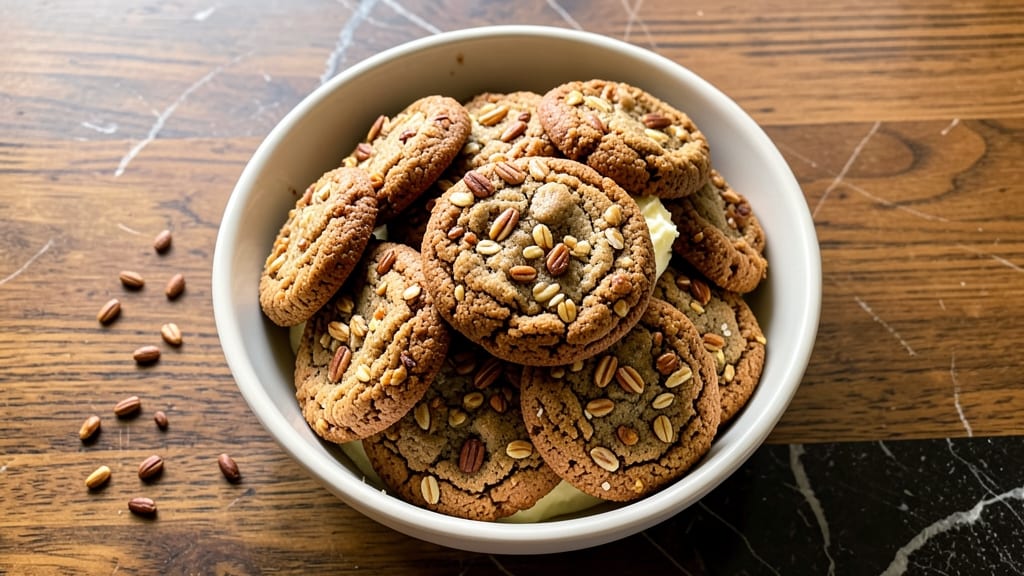
Alton Brown's oatmeal cookies deliver the perfect balance of chewy centers and crispy edges, with a vanilla bean depth that makes them irresistible. This recipe captures his signature precision—resting the dough overnight ensures ideal texture, while foil-sealing during baking locks in moisture for that signature crunch. The secret lies in the technique, not just the ingredients, transforming a classic into something extraordinary.
Unlike traditional oatmeal cookies, this version relies on a foil-sealed bake that creates a caramelized crust while keeping the interior soft. Brown’s method also incorporates a vanilla bean infusion, adding complexity that elevates these cookies beyond the ordinary.
The dough’s resting period allows flavors to meld, resulting in a cookie that’s rich, aromatic, and foolproof.
By the time they emerge from the oven, these cookies will have a golden, crackly exterior and a tender, chewy interior—each bite packed with warm vanilla and nutty oats.
The texture is what sets them apart, achieved through careful mixing, chilling, and baking techniques. Serve them warm with a glass of milk or coffee for the ultimate indulgence.
This isn’t just another oatmeal cookie recipe—it’s a restaurant-quality dessert made simple. Whether you’re baking for a crowd or treating yourself, the results will impress even the most discerning palates. Let’s get started on mastering this iconic recipe.
Ingredients for alton brown oatmeal cookie
These twelve ingredients transform into Alton Brown's signature oatmeal cookies with restaurant-quality texture and vanilla depth.
| Ingredient | Amount | Notes |
|---|---|---|
| Old-Fashioned Rolled Oats 🌾 | 2 cups | Unprocessed, steel-cut preferred |
| Unsalted Butter 🧈 | 1 cup | Cold, cubed for texture |
| Granulated Sugar 🍚 | ¾ cup | Superfine preferred for even mixing |
| Light Brown Sugar 🍚 | ¾ cup | Packed, moist texture |
| Large Eggs 🥚 | 2 whole | Room temperature |
| Pure Vanilla Extract 🌿 | 2 tsp | High-quality, Madagascar bourbon |
| Vanilla Bean 🍋 | 1 whole | Scraped seeds only |
| All-Purpose Flour 🌾 | 1 ½ cups | Sifted, light texture |
| Baking Soda 🧂 | ½ tsp | Freshly measured |
| Diamond Crystal Kosher Salt 🧂 | ½ tsp | Fine grain preferred |
| Chopped Walnuts 🥜 | 1 cup | Toasted for aroma |
| Heavy Cream 🥛 | ¼ cup | Cold, for foil sealing |
| Aluminum Foil 📄 | 1 sheet | Heavy-duty for sealing |
The oats are the foundation—steel-cut or old-fashioned (not quick oats) for that signature chew. Bob's Red Mill or Quaker Steel-Cut are my go-tos, but any unprocessed variety works. The butter must be cold and cubed—Brown's method relies on this for proper texture development. For the vanilla, Madagascar bourbon vanilla beans from Penzeys elevate the flavor beyond extract alone. If you can't find them, a high-quality extract works, but scraping the seeds from a bean adds that professional depth. The flour should be sifted—this prevents dense cookies, and King Arthur Unbleached is my preferred brand for its light texture.
No vanilla bean? Double the extract—just scrape the seeds into the dough for that extra punch. Walnuts can be swapped for pecans or hazelnuts, but toast them first—350°F for 8-10 minutes—to intensify their flavor. The heavy cream is non-negotiable for the foil-sealing technique; avoid substitutions like milk or half-and-half—they won't create the same caramelized crust. For the sugars, superfine works best, but if you only have granulated, pulse it in a food processor for 10 seconds. The baking soda and salt are measured precisely—use a scale for accuracy if possible, as volume measurements can vary.
Store the dough in an airtight container in the fridge for up to 5 days, or freeze for 3 months—this resting time is crucial for flavor development. Baked cookies keep at room temperature for 5 days in a sealed container, though they're best enjoyed fresh. For the foil-sealing method, use heavy-duty foil—regular foil tears during baking. If you're baking for a crowd, double the recipe, but bake in batches to avoid overcrowding, which steams the cookies instead of caramelizing them. The result? Golden, crackly exteriors with chewy, vanilla-infused centers—just as Brown intended.
Why You'll Love This Recipe
- I’ll be real: this recipe uses stuff I always have on hand. No weird ingredients, no last-minute grocery runs. The rolled oats add fiber, the eggs add structure, and the butter? Well, butter makes everything better. Plus, a batch makes 24 cookies—so you’re not baking every other day to keep them fresh.
- No-Fuss Mixing: I swear by this recipe because it’s literally a dump-and-stir situation. Just toss the oats, melted butter, sugars, and eggs into a bowl—no food processor, no creaming, no fuss. The rolled oats stay chunky and chewy, but they soften just enough to hold together without falling apart.
- Butter-Sugar Magic: That perfect balance of brown and white sugar? It’s what makes these cookies ridiculously good. The brown sugar caramelizes into a deep, molasses-like richness, while the butter keeps them tender—not dry, not cakey. Honestly, the first bite hits like a warm hug.
- Packable Anywhere: Between us, these are my go-to for road trips, lunchboxes, or even a quick office snack. They hold up for days without getting soggy (thanks to that egg binding), and the oats add a satisfying bite that keeps you full. My kid’s teacher once sent one back with a note—“These are the best cookies I’ve ever had.”
Step-by-step instructions for Alton Brown's oatmeal cookies
This method delivers chewy centers, crisp edges, and that signature vanilla depth—every time.
Mix Wet Ingredients for Maximum Flavor Extraction
In a stand mixer fitted with the paddle attachment, combine the 1 cup unsalted butter with the 0.75 cup granulated sugar and 0.75 cup light brown sugar. Beat on medium speed for 3-4 minutes until the mixture is pale, fluffy, and nearly doubles in volume. This step is critical—properly creamed butter creates air pockets that give cookies their signature texture.
Next, add the 2 whole large eggs one at a time, mixing just until each is fully incorporated. Scrape down the sides of the bowl as needed. Then, split the 1 whole vanilla bean lengthwise and scrape out the seeds (discard the pod or save for another use). Add the seeds along with the 2 teaspoons pure vanilla extract and mix for 30 seconds until fully combined. The vanilla bean seeds add depth that extract alone can't match.
Combine Dry Ingredients and Fold in Oats and Walnuts
In a separate bowl, whisk together the 1.5 cups all-purpose flour, 0.5 teaspoon baking soda, and 0.5 teaspoon diamond crystal kosher salt. Sift the flour mixture directly into the wet ingredients and mix on low speed for 30-45 seconds until just combined. Overmixing develops gluten, which can make cookies tough.
Remove the bowl from the mixer and, using a silicone spatula, gently fold in the 2 cups old-fashioned rolled oats and 1 cup chopped walnuts. The oats should be evenly distributed—no need to crush them further. This is where the texture magic happens: the oats provide chewiness while the walnuts add crunch and richness.
Chill the Dough for Perfect Texture
Transfer the dough to an airtight container and refrigerate for at least 2 hours or up to 48 hours. Chilling is non-negotiable—it allows the flour to fully hydrate and the butter to solidify, preventing excessive spreading in the oven. The longer it chills, the more flavor develops, so don’t skip this step.
While the dough chills, preheat your oven to 350°F and line two baking sheets with parchment paper. The dough will be firm and easy to handle after chilling, making it perfect for portioning.
Shape and Foil-Seal for Crispy Edges
Scoop the chilled dough into 2-tablespoon portions (about 1.5 ounces each) and roll them into balls. Place them 3 inches apart on the prepared baking sheets. Flatten each ball slightly with your palm—just enough to create a ½-inch thick cookie.
Here’s the Alton Brown trick: brush the tops of the cookies with the 0.25 cup heavy cream using a pastry brush. Then, cut a 12-inch square from the 1 sheet aluminum foil and place it over the cookies. Press down gently to create a seal. This foil trap creates steam during baking, resulting in crisp edges and a chewy center.
Bake to Golden Perfection and Rest for Maximum Flavor
Bake for 12-14 minutes until the edges are deep golden brown and the tops look slightly puffed. The foil should be crispy—this is your signal that the cookies are done. Remove from the oven and carefully peel back the foil to reveal the cookies underneath.
Let the cookies cool on the baking sheets for 5 minutes before transferring them to a wire rack. This resting period allows the cookies to set slightly, ensuring they hold their shape when you serve them. The result? A cookie with a crisp exterior, a chewy interior, and layers of vanilla and walnut flavor that linger with every bite.
Pro Tips For Making Alton Brown Oatmeal Cookie
- TOAST THE OATS: Spread the rolled oats on a baking sheet and bake at 350°F for 8–10 minutes until they smell toasty and look slightly darker. This deepens their flavor—trust me, the difference is noticeable, especially when mixed with the buttery dough.
- COOL THE BUTTER: Let the unsalted butter sit at room temperature for 30–45 minutes before creaming. Cold butter creates lumps, and warm butter can melt into a greasy mess. Aim for a soft-but-not-melted texture—press your finger in and it should leave a slight indent.
- UNDERMIX THE DOUGH: After combining wet and dry ingredients, fold in the oats just until they’re distributed—don’t overwork it. Overmixing develops gluten, turning your chewy cookies into dense, cakey bricks. Stop when the dough looks shaggy, not smooth.
- CHILL THE DOUGH: Refrigerate the dough for at least 1 hour (or up to 24 hours) before baking. This prevents excessive spreading and lets the flavors meld. Skip this, and your cookies might flatten into sad, crispy pancakes—your future self will thank you.
Pro cooking tips for alton brown oatmeal cookie
Foil-Sealing Mastery
The foil-sealing technique is what transforms these cookies from good to legendary. Brush the tops with ¼ cup heavy cream using a pastry brush—this creates steam when sealed, resulting in those coveted crispy edges while keeping the centers chewy.
Use heavy-duty aluminum foil (like Reynolds Premium) to prevent tearing during baking. Press the foil gently but firmly to create an airtight seal—this is your secret weapon for restaurant-quality texture. 🔥
Dough Chilling Secrets
Never skip chilling the dough! Refrigerating for at least 2 hours (up to 48 hours) allows the flour to fully hydrate and the butter to firm up, preventing excessive spreading.
I like to shape the dough into a log, wrap it tightly in plastic, and refrigerate it overnight—this also makes portioning easier. The longer it rests, the more developed the vanilla and nutty flavors become.
Pro tip: Use a digital kitchen scale for consistent 1.5-ounce portions—this ensures uniform baking. ⏰
Vanilla Bean Infusion
For that Alton Brown signature depth, split a whole vanilla bean lengthwise and scrape out the seeds. Add them to the dough along with 2 teaspoons pure vanilla extract—this doubles the vanilla impact.
If you can't find vanilla beans, double the extract, but scraping the seeds from a pod makes a noticeable difference. For the best flavor, use Madagascar bourbon vanilla beans from Penzeys Spices—they're worth the investment. The seeds add subtle flecks of flavor that elevate every bite. 🌿
Oven Temperature Control
Preheat your oven to 350°F and use the middle rack for even baking. Avoid opening the oven during the first 10 minutes—this prevents temperature fluctuations that can cause cookies to spread unevenly.
The 12-14 minute bake time is critical: edges should be deep golden brown, and the foil should be crispy. If your oven runs hot, reduce the temperature to 325°F and bake for 15-16 minutes. A thermometer helps monitor accuracy. 🌡️
Post-Bake Resting
Let cookies cool on the baking sheet for 5 minutes before transferring to a wire rack. This resting period allows them to set slightly, preventing them from becoming too soft or crumbling. The foil-sealed crust will crisp up as they cool, giving you that perfect caramelized exterior.
For serving, I like to arrange them on a wooden board with a sprinkle of flaky sea salt—this enhances the buttery, vanilla notes. Store in an airtight container for up to 5 days to maintain freshness. ✨
Troubleshooting Tips
If cookies spread too much, your butter may not have been cold enough—chill the dough longer next time. For pale cookies, increase the bake time by 1-2 minutes or check your oven temperature with a thermometer.
If the centers stay doughy, the foil seal wasn't tight enough—press it more firmly next time. For extra chewiness, slightly underbake them by 30 seconds and let them set on the rack. These adjustments ensure foolproof results every time. 💡
Nutrition facts
Frequently asked questions
Why does Alton Brown's recipe use foil sealing for oatmeal cookies?
The foil-sealing technique creates steam during baking, which caramelizes the edges while keeping the centers chewy. This method transforms ordinary oatmeal cookies into restaurant-quality treats with crisp exteriors and tender interiors. The heavy cream brushed on top before sealing is key to achieving that signature texture.
Can I substitute walnuts in this recipe?
Yes! You can swap walnuts for pecans, hazelnuts, or even chocolate chips if you prefer. Just be sure to toast them first (350°F for 8-10 minutes) to enhance their flavor. The texture will change slightly, but the overall taste will remain delicious.
How long should I chill the dough, and can I skip this step?
Never skip chilling! Refrigerate the dough for at least 2 hours (up to 48 hours) to prevent spreading and allow flavors to develop. The longer it rests, the better the texture and taste. If short on time, chill for 1 hour in the freezer, but 2 hours in the fridge is ideal.
What if my cookies spread too much during baking?
Over-spreading usually means the butter wasn't cold enough or the dough wasn't chilled properly. Next time, ensure your butter is cold and cubed and chill the dough for at least 2 hours. Also, use a digital kitchen scale for precise 1.5-ounce portions to maintain consistency.
Can I make these cookies ahead of time?
The dough can be refrigerated for up to 5 days or frozen for 3 months. Baked cookies stay fresh in an airtight container for 5 days at room temperature. For best results, reheat in a 300°F oven for 5 minutes to restore crispiness.