
Desserts
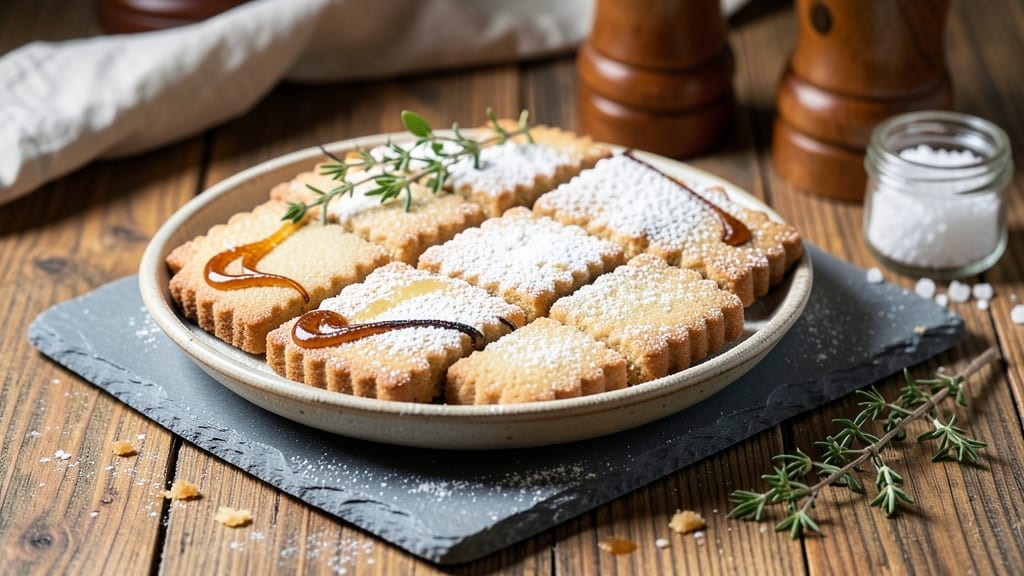
Alton Brown's shortbread cookie recipe delivers the perfect balance of buttery richness and delicate vanilla bean layers—each bite is a testament to his signature precision. The secret lies in a high-fat dough with vanilla bean paste, baked until golden with a foil-sealed crisp that prevents over-browning.
This isn't your grandmother's shortbread; it's a foolproof method that transforms simple ingredients into restaurant-quality cookies.
What sets these apart is Alton's technique of chilling the dough for at least 2 hours—this ensures clean cuts and even baking. The recipe uses 1 cup of cold butter (cut into small pieces) and vanilla bean paste for that signature depth of flavor.
Once baked at 350°F for 12-15 minutes, the cookies emerge with crisp edges and tender centers, a texture that's impossible to resist.
The foil-sealed method is the game-changer—it traps steam for even baking while preventing the edges from burning. Once cooled, these cookies develop a melt-in-your-mouth tenderness that makes them perfect for gifting or enjoying with tea. The optional powdered sugar dusting adds a finishing touch that elevates them to dessert-worthy status.
This recipe isn't just about the final product—it's about the process. Every step, from creaming the butter to the precise baking time, is designed to deliver consistent, professional results at home.
Whether you're a seasoned baker or just starting out, these shortbread cookies will become your new standard for buttery perfection.
Ingredients for alton brown shortbread cookie
Seven essential ingredients for Alton Brown's signature shortbread—where precision meets indulgence.
| Ingredient | Amount | Notes |
|---|---|---|
| Unsalted Butter 🧈 | 1 cup | Cold, cut into small pieces |
| All-Purpose Flour 🌾 | 2 cups | Sifted, spooned and leveled |
| Granulated Sugar 🍚 | ¼ cup | Fine granulation preferred |
| Vanilla Bean Paste 🌿 | 1 tbsp | High-quality, pure extract |
| Diamond Crystal Kosher Salt 🧂 | ¼ tsp | Fine grain preferred |
| Powdered Sugar 🍚 | ¼ cup | For optional dusting |
| Heavy Whipping Cream 🥛 | 1 tbsp | For dough binding |
The butter is non-negotiable here—cold, unsalted, and cut into small pieces ensures proper texture. European-style butter like Plugrá or Kerrygold delivers superior flavor, but high-quality American brands like Land O'Lakes work perfectly. Vanilla bean paste is where the magic happens; Madagascar bourbon vanilla from Madagascar Vanilla Estate elevates these beyond ordinary. For flour, King Arthur or Gold Medal are ideal—avoid self-rising or pre-mixed blends. The sugar should be fine granulated, not coarse, to prevent graininess in the final product.
No vanilla bean paste? Pure vanilla extract at half the amount works, though it lacks the signature speckles. Substituting powdered sugar for granulated won't yield the same texture—it's a structural component. Heavy whipping cream can be swapped for whole milk plus 1 tbsp melted butter, though the dough will be slightly less tender. For a salt-free version, omit entirely—these cookies are delicate enough without it. The optional powdered sugar dusting? Confectioners' sugar from Domino is the most reliable brand for that perfect cloud of sweetness.
Store dough in an airtight container for up to 3 days—chill it first to maintain shape. Baked cookies keep at room temperature for 5 days in a sealed tin, though they're best enjoyed within 2 days. For gifting, wrap individually in parchment and tie with twine. Freeze unbaked dough balls for 3 months—thaw overnight in the fridge before baking. The foil-sealed method means you can bake multiple batches at once without worrying about over-browning.
Why You'll Love This Recipe
- Butter-Fat Magic: I swear by that cold butter cut into tiny cubes—it creates this perfect crumbly texture that melts in your mouth like a hug. No one will guess it’s just five ingredients.
- Vanilla Kiss: That little vanilla bean paste? Game-changer. It’s not just flavor—it’s warmth in every bite, like a whisper of summer in a cookie. (And yes, I’ve tried extract—this is next-level.)
- Holiday or Snack: Same dough, endless uses. Cut into festive shapes for gifts, or just roll and scoop for a quick dessert. My kids think it’s "fancy," so it’s their go-to for school lunches.
- Pantry Goldmine: Uses what you already have—no weird substitutions. The kosher salt? Tiny pinch, huge flavor. And these keep for weeks in an airtight container, so I’m always covered.
Step-by-step instructions for buttery vanilla bean shortbread cookies
Mastering this recipe delivers layers of vanilla flavor and signature crisp edges—every detail matters.
Cut and Mix Cold Butter with Dry Ingredients
Cut the 1 cup unsalted butter into small, pea-sized pieces and place them in a food processor fitted with the metal blade. Pulse briefly until the butter resembles coarse crumbs—this ensures even distribution without melting. Add the 2 cups all-purpose flour, 0.25 cup granulated sugar, 0.25 tsp diamond crystal kosher salt, and 1 tbsp vanilla bean paste to the processor.
Pulse the mixture in 3-second bursts, stopping to scrape down the sides of the bowl with a spatula as needed. You're aiming for a texture resembling wet sand—just moist enough to hold together when pressed, but not sticky. Overmixing develops gluten, which can make the cookies tough. The dough should form a cohesive mass that leaves a clean bowl when pressed with your finger.
Incorporate Heavy Cream for Binding
Add the 1 tbsp heavy whipping cream to the food processor and pulse again in 2-second bursts until fully incorporated. The cream helps bind the dough while adding subtle richness. If the mixture appears too dry, add an additional ½ teaspoon cream—just enough to bring it together when pressed into a ball. The dough should hold its shape when chilled but remain workable.
Transfer the dough to a piece of plastic wrap and flatten into a 1-inch-thick rectangle. Wrap tightly and refrigerate for at least 1 hour or up to 24 hours. Chilling firms the butter, preventing excessive spreading during baking and intensifying the vanilla flavor. This step is non-negotiable for achieving that signature shortbread texture.
Roll and Cut for Perfect Shapes
Preheat your oven to 325°F and line two baking sheets with parchment paper. Remove the chilled dough from the refrigerator and roll it out on a lightly floured surface to ¼-inch thickness. Use a 2½-inch round cutter to cut out cookies, pressing straight down without twisting. Re-roll the scraps once for maximum yield—shortbread is forgiving with scraps.
Place the cut cookies on the prepared baking sheets, spacing them 1 inch apart. The dough will expand slightly during baking, so avoid overcrowding. For extra crisp edges, I recommend placing a small piece of aluminum foil under each cookie before baking. This creates a barrier that prevents the bottoms from browning too quickly while allowing the tops to develop that signature golden crust.
Bake to Golden Perfection
Bake the shortbread cookies for 18-22 minutes until the edges are deep golden brown and the centers remain very lightly tinted. Rotate the baking sheets halfway through for even baking. The cookies should feel firm to the touch but still slightly soft in the center—they'll continue setting as they cool. Remove them from the oven and let them cool on the baking sheets for 5 minutes before transferring to a wire rack.
While still warm, dust the tops generously with 0.25 cup powdered sugar using a fine-mesh sieve. This step adds a delicate sweetness and enhances the visual appeal. Allow the cookies to cool completely before serving—this ensures clean slices and prevents the butter from softening too quickly. Store in an airtight container at room temperature for up to 5 days, though they rarely last that long.
Pro Tips For Making Alton Brown Shortbread Cookie
- USE COLD BUTTER (NOT ROOM TEMP): I learned this the hard way—softened butter makes shortbread spread like crazy. Cut that unsalted butter into tiny cubes, toss them in flour, and pulse in the food processor until it looks like wet sand. Cold butter = crispy, sturdy cookies that hold their shape.
- MEASURE SALT BY VOLUME: Diamond Crystal kosher salt is fluffy—don’t eyeball it. Use the 1/4 teaspoon measurement from the recipe (or weigh it if you’re fancy). Too much salt ruins the delicate balance, and too little makes them taste bland. Trust the recipe here.
- PRESS DOUGH INTO PANS: Don’t just drop it. Pack the dough firmly into your pans—press it down until it’s about 1/2-inch thick. This ensures even baking and prevents puffy edges. Use your palm or a glass to smooth it out; no gaps, no surprises.
- BAKE UNTIL GOLDEN, NOT PALE: Pull them out when the edges are golden, not when they’re still soft. Overbaking dries them out, and underbaking leaves them gummy. If you’re unsure, check at 12 minutes—they’ll crisp up as they cool. Patience here makes all the difference.
Creative variations of this recipe
Citrus Twist Shortbread
Brighten up your shortbread with 1 tbsp lemon zest and 1 tsp lemon extract in place of vanilla. The citrus cuts through the butter richness beautifully—think of it as a zesty cousin to the classic version.
I like to add ½ tsp orange zest alongside the lemon for a subtle complexity. Bake at 325°F for 16-18 minutes since citrus can make the dough slightly more tender. 🍋
Brown Butter Caramel
For a sophisticated twist, replace the vanilla bean paste with 2 tbsp brown butter caramel (simmer ¼ cup butter until nutty, then cool and whisk with 1 tbsp honey). This adds a deep, toasty note that pairs perfectly with the buttery dough.
Use the same baking instructions, but dust with powdered sugar mixed with ½ tsp cinnamon for warmth. The caramel flavor develops more as the cookies cool, making them taste even richer over time.
Chocolate-Dipped Edges
After baking and cooling, melt ½ cup dark chocolate (I use 70% Valrhona) with 1 tbsp coconut oil for a glossy finish. Dip just the edges of each cookie, then place on parchment paper to set.
For extra indulgence, sprinkle with flaky sea salt while the chocolate is still wet. This technique adds a luxurious contrast to the tender interior—perfect for gifting or special occasions. 🍫
Spiced Chai Shortbread
Infuse the dough with 1 tsp chai spice blend (mix ½ tsp cinnamon, ¼ tsp cardamom, ¼ tsp ginger, and pinch of cloves) alongside the vanilla. The spices warm up the buttery flavor while keeping the cookie's delicate texture.
Pair with a dusting of powdered sugar and a sprinkle of toasted coconut flakes for texture. These cookies taste like a cozy hug in every bite—ideal for fall gatherings.
Salted Caramel Filling
For a showstopper, sandwich two shortbread cookies with 1 tsp salted caramel (store-bought or homemade). Press gently to create a cookie sandwich, then chill for 30 minutes before serving. The contrast of crispy shortbread with gooey caramel is pure magic.
I like to drizzle the top with extra caramel and a pinch of flaky Maldon salt for that restaurant-quality touch. 💫
Matcha Green Tea
Replace the vanilla bean paste with 1 tbsp high-quality matcha powder (sifted) and add 1 tsp honey to balance the earthiness. The matcha gives these cookies a vibrant green hue and a subtle, grassy sweetness.
Bake as directed, but dust with powdered sugar and a sprinkle of matcha powder for a stunning presentation. These cookies are perfect for tea pairings or as a unique gift option.
Nutrition facts
Frequently asked questions
Why does Alton Brown's shortbread recipe require chilling the dough?
Chilling the dough for at least 2 hours is crucial for two reasons: it firms the cold butter so the cookies hold their shape during baking, and it intensifies the vanilla flavor. The butter won't melt prematurely, preventing excessive spreading, while the cold temperature helps develop the cookie's signature crisp edges. Skipping this step often results in flat, greasy cookies that lack texture.
Can I use vanilla extract instead of vanilla bean paste?
Yes, but you'll lose the signature speckles and depth of flavor. Use 1½ teaspoons pure vanilla extract (half the amount) for a similar sweetness level. For best results, choose high-quality Madagascar bourbon vanilla extract. The bean paste contains seeds that add complexity—if you want that authentic Alton Brown touch, it's worth tracking down.
What's the secret to getting crisp edges on these shortbread cookies?
The foil-sealed method is key! Place a small piece of aluminum foil under each cookie before baking to create a barrier that prevents the bottoms from browning too quickly. This allows the tops to develop that signature golden crust while keeping the edges perfectly crisp. Bake at 325°F for 18-22 minutes—the lower temperature ensures even baking without burning.
How do I store these cookies to keep them fresh?
Store in an airtight container at room temperature for up to 5 days, though they're best enjoyed within 2 days for peak texture. For longer storage, freeze unbaked dough balls for 3 months—thaw overnight in the fridge before baking. Once baked, freeze whole cookies (unfrosted) for 1 month by wrapping individually in plastic wrap. The powdered sugar dusting adds freshness but should be applied just before serving.
Can I make these cookies without a food processor?
Use a pastry cutter or fork to combine the cold butter with the dry ingredients until the mixture resembles coarse crumbs. Work quickly to avoid melting the butter, and press the dough together by hand. The texture will be slightly less uniform, but you'll still achieve delicious results. For best consistency, chill the dough longer (3 hours) to compensate for any warmth from handling.