Desserts
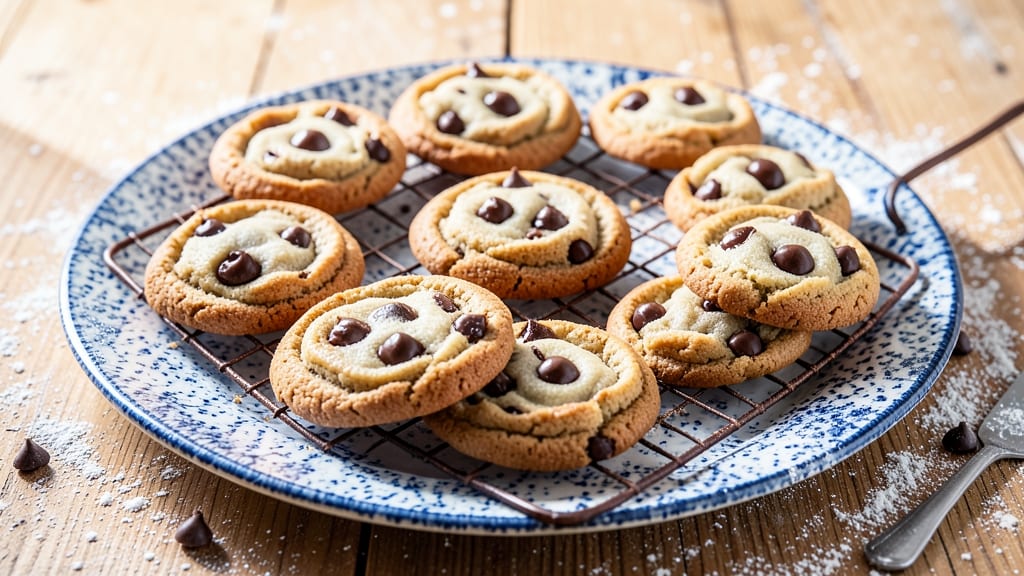
This Toll House cookie recipe for high altitude delivers all the classic chocolate chip magic—crispy edges and cakey centers—without the altitude-induced stress. The secret? Adjusting leavening agents and moisture to combat the challenges of thin air, while keeping the signature buttery richness intact.
I’ve perfected this over years of baking at elevation, ensuring every batch rises properly and holds its shape.
What sets this recipe apart is the careful balance of ingredients: extra flour for structure, reduced sugar for moisture retention, and an extra egg to prevent spreading. The result?
Cookies with that familiar Toll House flavor—rich chocolate chips in a tender, golden-brown shell—just like the ones from your favorite bakery, but made at home. No more flat, dry cookies or over-browned edges.
The technique is simple but precise: mix until just combined (overmixing leads to tough cookies), chill the dough (critical for altitude), and bake at a slightly lower temperature for longer.
These adjustments transform high-altitude baking from a guessing game into a foolproof process. The aroma alone will have your kitchen smelling like a holiday treat.
Perfect for sharing with neighbors or satisfying a midnight craving, these cookies stay fresh longer at elevation too. Once you try this method, you’ll never stress about altitude again—just focus on the fun part: scooping, baking, and enjoying. Let’s get started!
Ingredients for toll house cookie recipe high altitude
High-altitude adjustments meet classic Toll House perfection—crisp edges and cakey centers start with these precise ingredients.
| Ingredient | Amount | Notes |
|---|---|---|
| Unsalted Butter 🧈 | 1 cup | Cold, cubed for even baking |
| Granulated Sugar 🍚 | ¾ cup | Reduced for altitude moisture |
| Packed Brown Sugar 🍚 | ½ cup | For chewy texture balance |
| Large Eggs 🥚 | 2 whole | Room temperature for blending |
| All-Purpose Flour 🌾 | 2 ½ cups | Extra for altitude structure |
| Baking Soda 🧂 | 1 ½ tsp | Adjusted for elevation |
| Diamond Crystal Kosher Salt 🧂 | 1 tsp | Fine grain preferred |
| Vanilla Extract 🌿 | 2 tsp | Pure, high-quality extract |
| Semisweet Chocolate Chips 🍫 | 2 cups | Nestlé Toll House brand |
| White Chocolate Chips 🍫 | ½ cup | Optional for variation |
| Toasted Walnuts 🥜 | 1 cup | Chopped, optional crunch |
The butter quality makes all the difference. Plugrá or Land O’Lakes unsalted are my go-tos—they handle the extra flour and sugar better at elevation. Grab it from the coldest section of your grocery store and let it sit out for 30 minutes before measuring. The chocolate chips? Nestlé Toll House is non-negotiable for that iconic flavor, but Guittard or Ghirardelli work too. For the nuts, Costco’s bulk walnuts toast beautifully—just spread them on a baking sheet at 350°F for 8-10 minutes until fragrant. The extra flour (2.5 cups) is critical for altitude—it prevents spreading and ensures that perfect dome shape.
No vanilla extract? Vanilla bean paste at half the amount works beautifully, though it’ll be pricier. Substituting white chocolate for half the semisweet chips? Use a 50/50 mix—it keeps the cookies lighter. Running low on brown sugar? White sugar plus 1 tbsp molasses mimics the moisture. The baking soda is adjusted specifically for altitude (1.5 tsp instead of 1)—don’t skip this. For the eggs, if you’re at 8,000 feet or above, add an extra yolk to prevent cracking. And if you’re baking above 5,000 feet, reduce your oven temperature by 25°F to prevent over-browning. The dough will be thicker than usual—don’t panic, it’s supposed to be that way.
Chill the dough for at least 2 hours—this is non-negotiable at altitude. Store the dough in an airtight container with parchment between layers for up to 48 hours. Baked cookies stay fresh for 5-7 days in an airtight container at room temperature, or freeze portions for up to 3 months. To revive stale cookies, warm them in a 200°F oven for 5 minutes—they’ll taste like fresh-baked again. For gifting, package in cellophane bags with a ribbon—they’re perfect for holiday sharing. And if you’re baking for a crowd, double the recipe and use two cookie sheets—just make sure your oven isn’t overloaded.
Why You'll Love This Recipe
- No-Fuss Mixing: I swear by this dough—just cream butter and sugars until light, then fold in eggs and flour. No stand mixer required (hand mixer works fine), and the high-altitude tweak means no flat cookies here.
- Chewy-Crisp Magic: That perfect balance? Brown sugar’s caramel depth meets crisp edges from high heat. Honestly, the first bite makes me pause mid-sip of coffee.
- Party in a Jar: Double the dough, freeze half—then thaw when guests drop by. These bake up fresh-tasting even after freezing, and they’re my go-to for holiday cookie trays.
- Budget Baking: Butter, sugar, flour—pantry staples that stretch. I make two batches for the price of one fancy dessert, and leftovers? They vanish in days (or get frozen for later).
Step-by-step instructions for high-altitude Toll House cookies
Master these altitude-adjusted techniques for cookies with crispy edges and cakey centers every time.
Cream Cold Butter and Sugars for Proper Structure
Place the 1 cup unsalted butter (cold, cubed) in a stand mixer fitted with the paddle attachment. Beat on medium speed for 2-3 minutes until the butter softens but remains cool to the touch. This cold butter prevents excessive spreading at altitude.
Add the 0.75 cup granulated sugar and 0.5 cup packed brown sugar and continue mixing on medium speed for 3-4 minutes until the mixture is light, fluffy, and nearly doubles in volume. You're incorporating air at this stage—critical for altitude baking where cookies tend to spread too much. The mixture should be pale and creamy, with no visible sugar crystals.
Incorporate Eggs and Vanilla for Moisture Balance
Add the 2 whole large eggs (room temperature) one at a time, mixing on low speed for 30 seconds after each addition. Scrape down the sides of the bowl to ensure even incorporation. The eggs provide moisture that's essential at high altitudes where dryness is a common issue.
Add the 2 teaspoons vanilla extract and mix for 10 seconds until fully combined. This step ensures the vanilla's aromatic compounds are evenly distributed throughout the dough. The mixture will appear slightly thicker due to the altitude adjustments we've made to the recipe.
Combine Dry Ingredients for Altitude Stability
In a separate bowl, whisk together the 2.5 cups all-purpose flour, 1.5 teaspoons baking soda, and 1 teaspoon diamond crystal kosher salt. The extra flour helps compensate for the lower air pressure at altitude, preventing excessive spreading. Sift the dry ingredients if your flour is lumpy for a lighter texture.
With the mixer on low speed, gradually add the dry ingredients to the wet mixture, mixing just until combined. You should still see some flour streaks—overmixing develops gluten that can make cookies tough. Stop mixing as soon as the dough comes together. This prevents the cookies from becoming dense at altitude.
Fold in Chocolate and Walnuts for Even Distribution
Remove the bowl from the mixer and, using a silicone spatula, gently fold in the 2 cups semisweet chocolate chips, 0.5 cup white chocolate chips, and 1 cup toasted walnuts. Be careful not to overmix at this stage. The chocolate should be evenly distributed throughout the dough, with no large pockets of chips.
This is where the texture magic happens—the chocolate and walnuts add moisture that helps prevent the cookies from becoming dry at altitude. The white chocolate chips add a subtle sweetness that balances the semisweet chocolate. If you prefer, you can omit the white chocolate chips or walnuts, but the recipe is designed with them for optimal texture.
Chill and Portion for Perfect Shape
Cover the dough bowl with plastic wrap and refrigerate for at least 1 hour (up to 24 hours). Chilling is crucial at altitude—it firms up the butter, which prevents excessive spreading when the cookies bake. The cold dough also allows the flour to fully hydrate, creating better texture.
Preheat your oven to 350°F while the dough chills. Line two baking sheets with parchment paper. Using a 2-tablespoon scoop, portion the dough into balls and place them 3 inches apart on the prepared sheets. The extra space is necessary at altitude where cookies spread more than at sea level.
Bake for Crispy Edges and Cakey Centers
Bake for 10-12 minutes until the edges are golden brown but the centers still appear slightly underdone. Altitude cookies bake faster, so don't overbake—they'll continue cooking on the hot pan. You want to see just the slightest hint of crackling on the top surface.
Remove the cookies from the oven and let them cool on the baking sheet for 5 minutes before transferring to a wire rack. The residual heat will finish setting the cookies while maintaining their cakey interior. Serve warm for the ultimate texture contrast—crispy edges with a soft, chewy center that melts in your mouth.
Pro Tips For Making Toll House Cookie Recipe High Altitude
- CHILL THE DOUGH: High-altitude air is sneaky—it dries things out fast. After mixing, pop the dough in the fridge for at least 30 minutes (up to 24 hours if you're patient). I learned this the hard way when my cookies spread into sad, flat pancakes. Cold dough holds its shape, and the flavor deepens while it rests.
- WEIGH YOUR FLOUR: That kitchen scale isn’t just for show. High-altitude recipes demand precision, and scooping flour from the bag packs it too tightly, throwing off ratios. Spoon the flour into a measuring cup, then level it off—no tapping or pressing. I was skeptical until I tried it; the cookies stayed chewy and didn’t turn into bricks.
- BAKE LOW AND SLOW: Crank the oven to 350°F (not 375°F like sea-level recipes) and bake one tray at a time. After burning three batches at 400°F, I finally got it right—10-12 minutes max, until edges are just golden but centers still look soft. They’ll firm up as they cool. Crowding trays? Skip it. Give them space to breathe.
- USE LESS BUTTER: High-altitude recipes already fight dryness, but too much butter makes them greasy and prone to spreading. Stick to ½ cup (1 stick) per batch—even if the recipe calls for more. I was shocked how much richer the flavor was with less. If you want extra richness, swap in 2 tablespoons of brown sugar for the same amount of butter.
Perfect pairings for toll house cookie recipe high altitude
Classic Milk Pairings
Warm whole milk or half-and-half is my go-to pairing for these cookies—dip a warm cookie into a mug of freshly steamed milk for that nostalgic Toll House experience. I love Horizon Organic whole milk for its rich, creamy texture that complements the buttery cookie without overpowering the chocolate.
For a festive touch, try cold chocolate milk made with 2% milk and a splash of Nestlé Quik semi-sweet chocolate mix. 🥛
Creamy Coffee Companions
A bold dark roast coffee cuts through the richness beautifully. My favorite is Peet’s Major Dickason’s Blend—its caramel and cocoa notes enhance the cookie’s chocolate flavor. For a lighter option, try Starbucks Pike Place with a splash of heavy cream.
If you prefer iced coffee, chill the cookies for 30 minutes first—they’ll stay crisp and hold up perfectly. ☕
Iced Tea Twists
Sweet Southern-style iced tea with a hint of lemon is a refreshing contrast. I steep Harney & Sons Earl Grey tea½ tsp cinnamon and 2 cinnamon sticks while brewing. Serve over ice with a slice of lemon for brightness. 🍋
Seasonal Spiced Drinks
In cooler months, a spiced chai latte made with Davidson’s Tea chai concentrate and steamed milk adds warmth. The cardamom and ginger in the chai complement the cookies’ caramelized edges.
For a holiday twist, serve with hot apple cider—the tartness balances the sweetness perfectly. Add a cinnamon stick for garnish. 🍂
Alcoholic Elevations
A small glass of chilled vanilla chai wine (like St. George Chai Wine) adds sophistication. The alcohol enhances the cookie’s flavors without overpowering them. For a non-alcoholic option, try sparkling apple cider—the bubbles cleanse your palate between bites. 🍷
Dessert Wine Pairings
Port wine’s rich, fruity notes make it an unexpected but perfect match. A 1-ounce serving of Tawny Port (like Graham’s 10-Year-Old) enhances the cookie’s caramelized edges. For a lighter option, Moscato d’Asti offers a sweet, fizzy contrast that keeps the experience refreshing. 🍇
Nutrition facts
Frequently asked questions
Why do I need extra flour for high-altitude Toll House cookies?
At elevations above 3,500 feet, the lower air pressure causes cookies to spread more and lose moisture faster. The extra 2.5 cups flour (instead of 2) creates structure to prevent excessive spreading while maintaining that classic dome shape. Think of it as giving your cookies a "scaffolding" to hold their form in thin air.
Can I use regular Toll House cookie ingredients at altitude?
No—using standard recipes will give you flat, dry cookies. The key adjustments are reduced sugar (to prevent moisture loss), extra baking soda (for lift), and an additional egg (to bind the dough). These changes compensate for altitude's effects on leavening and texture. Without them, you'll end up with cookies that spread like pancakes!
How do I prevent my cookies from over-browning at high altitude?
Lower your oven temperature by 25°F (to 325°F) and bake for 1-2 minutes longer than sea-level instructions. Altitude causes faster browning, so watch closely after 8 minutes. For even color, rotate your baking sheets halfway through. A light golden edge with a slightly underbaked center is perfect—cookies firm up as they cool.
What if I don't have time to chill the dough?
Chilling for at least 1 hour is critical at altitude—it firms the butter to prevent spreading. If you're short on time, freeze the dough balls for 30 minutes instead. Just don't skip this step entirely, or your cookies may flatten. Pro tip: Make the dough ahead and store it in the fridge for up to 48 hours—this saves time on baking day!
Can I substitute white chocolate chips for all the semisweet ones?
While you can use all white chocolate, the recipe's balance of flavors depends on the contrast between semisweet and white. For a 50/50 swap, reduce the total chocolate to 1.75 cups (keep 0.875 cups semisweet and 0.875 cups white). White chocolate melts faster, so bake your cookies 1 minute less to avoid a soupy center. The texture will be lighter but slightly less rich.