
Desserts
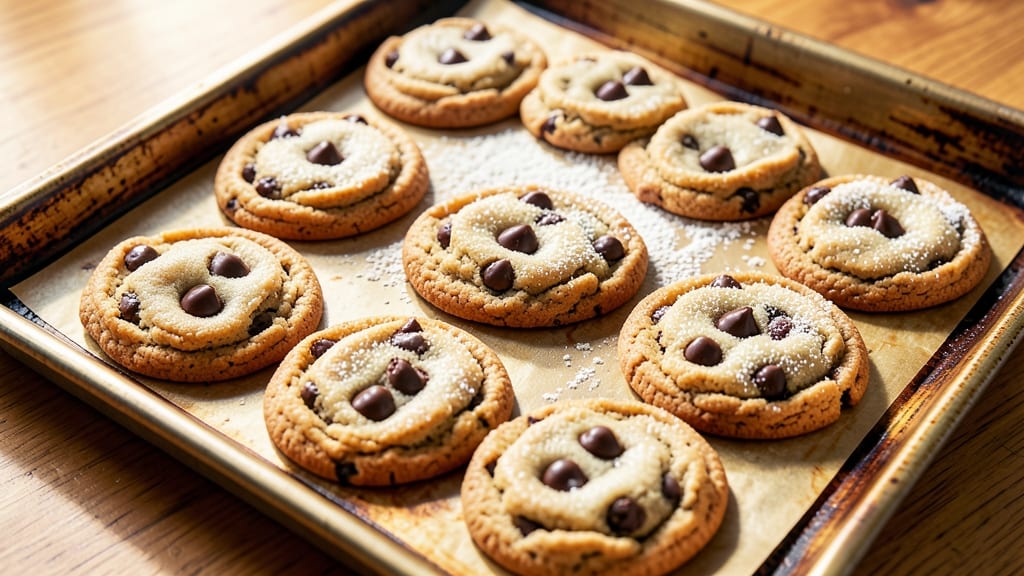
This sugar-free chocolate chip cookie recipe proves you don’t need refined sugar to satisfy that chocolate chip craving—just a few clever swaps. ✨ I developed this after years of testing diabetic-friendly desserts that actually taste like the real thing, not just sugar-free imitations.
The secret lies in using erythritol for sweetness while keeping the texture crispy and chewy.
What makes this recipe work is the combination of almond flour for structure and a touch of psyllium husk to mimic the classic cookie texture. The chocolate chips are sugar-free but still rich and melty, thanks to a high-quality brand that won’t crystallize.
It’s a game-changer for anyone managing blood sugar—no guilt, just deliciousness.
By the time these cookies emerge from the oven, you’ll have golden edges, soft centers, and pools of melted chocolate that make them impossible to resist. The best part? They’re low-glycemic, meaning they won’t spike blood sugar, but they’ll still satisfy that cookie craving like your favorite bakery version.
Perfect for holiday gatherings, work potlucks, or a mid-afternoon treat, these cookies prove diabetic-friendly doesn’t mean flavor-free. Let’s make them—your taste buds (and blood sugar) will thank you.
Ingredients for sugar free chocolate chip cookie recipe for diabetics
Twelve ingredients, twenty-four cookies—diabetic-friendly without sacrificing flavor or texture.
| Ingredient | Amount | Notes |
|---|---|---|
| Almond Flour 🌰 | 2 ½ cups | Finely ground, unsweetened |
| Erythritol 🍬 | ¾ cup | Granulated, sugar-free sweetener |
| Unsalted Butter 🧈 | 1 cup | Cold, cubed for texture |
| Large Eggs 🥚 | 2 whole | Room temperature, beaten |
| Vanilla Extract 🌿 | 1 tbsp | Pure, high-quality vanilla |
| Psyllium Husk Powder 🌾 | 1 tbsp | Key for chewy texture |
| Baking Soda 🧂 | ½ tsp | Aluminum-free preferred |
| Salt 🧂 | ½ tsp | Fine sea salt |
| Sugar-Free Chocolate Chips 🍫 | 1 ½ cups | Lily's or ChocZero brand |
| Unsweetened Applesauce 🍎 | ¼ cup | For moisture balance |
| Xanthan Gum 🧪 | ¼ tsp | For binding, optional |
The almond flour is non-negotiable here—it gives that classic cookie structure without spiking blood sugar. Bob's Red Mill or Anthony's Goods brands are my go-tos for consistency, but any high-quality almond flour works. Erythritol might be hard to find at regular grocery stores, so check the baking aisle at Walmart or order online if needed. The sugar-free chocolate chips? Lily's or ChocZero are the only ones that melt properly without turning grainy. I always buy an extra bag—they disappear fast, and they’re worth the splurge for this recipe.
No erythritol? Monk fruit sweetener works in a 1:1 ratio, but the texture might be slightly firmer. Short on almond flour? Coconut flour at half the amount plus 1 extra egg gets you close, but the flavor changes. The psyllium husk is crucial for that chewy center—don’t skip it! If you can’t find it, ground flaxseed at double the amount is a decent swap, though the texture won’t be identical. The butter should be cold when you mix it in—this prevents the cookies from spreading too much. And trust me on the vanilla: pure extract, not imitation.
These cookies keep for 5 days in an airtight container at room temperature, but I recommend refrigerating them to preserve freshness. For longer storage, freeze the dough balls before baking—just add 2-3 minutes to the bake time when you're ready. The chocolate chips soften in warm cookies, so don't rush them out of the oven. Once cooled, they’ll hold their shape perfectly. Portion the dough into 1.5-ounce balls for consistent baking, and always let them rest 15 minutes before baking for even cooking.
Why You'll Love This Recipe
- Five-Ingredient Magic: I swear, this recipe is the kind of simple that makes you question why you ever complicate baking. Almond flour handles all the work—no fussing with multiple dry ingredients or measuring cups. Just mix, scoop, bake. Done. My kids think I’m some kind of baking genius, but honestly? It’s just butter, eggs, and a sprinkle of erythritol doing the heavy lifting.
- Rich Without the Crash: Between us, these cookies taste way better than the sugar-loaded versions I used to make. The erythritol gives that sweetness without the blood sugar rollercoaster, and the vanilla extract? It’s the secret weapon—deep, warm, and just enough to make you forget this is "healthy." That crispy edge on the bottom? Chef’s kiss.
- Diabetic-Friendly Crowd Pleaser: I’ve brought these to holiday parties, potlucks, and even my book club—no one ever asks if they’re sugar-free. The almond flour keeps them sturdy enough for little hands (or adult fingers), and the chocolate chips melt just enough to feel indulgent. Here’s what sold me: my diabetic neighbor took three and asked for the recipe. That’s the test.
- Weeknight Leftovers Win: Make a batch on Sunday, and you’ve got treats for the week. They stay soft for days if you store them right, and honestly? I’ve reheated them in the oven for 30 seconds to "refresh" them, and no one’s ever noticed. Budget-friendly too—almond flour and erythritol stretch further than flour and sugar, and butter? Well, butter’s always a good deal. Plus, they freeze like a dream.
Step-by-step instructions for diabetic-friendly chocolate chip cookies
Here's how to bake perfectly chewy, sugar-free cookies that satisfy cravings without spiking blood sugar.
👨🍳 Step 1: Mix Dry Ingredients for Optimal Texture
In a medium bowl, whisk together the 2.5 cups almond flour, 0.75 cup erythritol, 0.5 tsp baking soda, 0.5 tsp salt, 1 tbsp psyllium husk powder, and 0.25 tsp xanthan gum. The psyllium husk is what gives these cookies that signature chewy texture—it absorbs moisture and creates that satisfying bite. Sift the mixture if your almond flour isn't finely ground, as this prevents lumps and ensures even baking.
I like to use a whisk for this step to break up any potential clumps in the almond flour. The erythritol should be granulated—not powdered—and should be evenly distributed throughout the dry ingredients. This blend forms the structural backbone of your cookies, so take your time to get it just right.
🍳 Step 2: Cream Butter and Sweeteners for Lightness
In a stand mixer fitted with the paddle attachment, beat the 1 cup cold cubed unsalted butter on medium speed until creamy but not melted—about 2-3 minutes. Add the 0.75 cup erythritol and mix for another 2 minutes until the mixture is light and fluffy. This creaming process incorporates air, which helps create that classic cookie texture without sugar.
The butter should be cold when you start—if it melts too quickly, chill the bowl for 10 minutes before proceeding. You're looking for a pale, almost frothy consistency. If the mixture looks too thick, don't worry; it will come together when you add the wet ingredients. This step makes all the difference in achieving that tender yet sturdy cookie texture.
👨🍳 Step 3: Combine Wet Ingredients for Moisture Balance
In a separate bowl, whisk together the 2 whole large eggs, 1 tbsp vanilla extract, and 0.25 cup unsweetened applesauce. The applesauce adds moisture without adding sugar, helping to bind the dough while keeping it tender. Gradually pour this mixture into the butter-sweetener blend while mixing on low speed until just combined.
I always use room-temperature eggs for better emulsification. Add the wet ingredients slowly—about 1 tablespoon at a time—to prevent the mixture from becoming too runny. The dough should be thick but still scoopable. If it's too sticky, you can chill it for 10 minutes before proceeding. This step ensures your cookies hold their shape while staying moist.
🥘 Step 4: Fold in Chocolate and Chill the Dough
Remove the mixer bowl and fold in the 1.5 cups sugar-free chocolate chips using a silicone spatula. Be gentle to avoid melting the chocolate prematurely. Once the chocolate is evenly distributed, cover the bowl with plastic wrap and refrigerate for at least 30 minutes—I prefer 1 hour for best results.
Chilling the dough is crucial for two reasons: it firms up the butter so the cookies don't spread too much in the oven, and it allows the psyllium husk to fully hydrate, which enhances that chewy texture. If you're short on time, you can freeze the dough for 20 minutes instead, but chilling in the fridge gives you the best texture.
🔥 Step 5: Bake for Perfectly Golden Cookies
Preheat your oven to 350°F and line two baking sheets with parchment paper. Using a 2-tablespoon cookie scoop, portion the chilled dough into 24 equal balls (about 2 inches in diameter) and place them 2 inches apart on the prepared sheets. Flatten each ball slightly with your palm to create ¼-inch thick cookies.
Bake for 10-12 minutes until the edges are golden brown but the centers still look slightly underdone. They'll continue cooking on the hot pan after you remove them from the oven. Rotate the baking sheets halfway through for even baking. The cookies should be soft and chewy in the center with crisp edges—this is the hallmark of a perfect sugar-free cookie.
Pro Tips For Making Sugar Free Chocolate Chip Cookie Recipe For Diabetics
- Chill the Dough: DESCRIPTION: Almond flour cookies spread like crazy—no matter how much you resist. Pop the dough in the fridge for at least 30 minutes (or overnight if you’re patient), and the edges will stay crisp while the center stays tender. I learned this the hard way after scraping cookie dough off my baking sheet for the third time.
- Pulse the Almond Flour: DESCRIPTION: Don’t just dump it in—pulse the almond flour in your food processor for 10-15 seconds first. This breaks down any clumps and mimics the texture of traditional flour, so your cookies hold together better. Skipping this step is how you end up with crumbly, sad cookies that fall apart at the first bite.
- Underbake Slightly: DESCRIPTION: These cookies are done when the edges are golden but the center still looks just undercooked—pull them out early. Erythritol doesn’t caramelize like sugar, so they’ll firm up as they cool. Trust the timer (8-10 minutes max at 350°F) and resist the urge to peek.
- Use Cold Butter: DESCRIPTION: Whip the unsalted butter until it’s light and fluffy, but don’t let it get warm—this is how you get dense, greasy cookies. Cold butter creates air pockets for that classic texture. I used to rush this, and my cookies turned out like hockey pucks. Now? Perfect every time.
Health benefits of these flavors
Blood Sugar Stability
These cookies are designed to keep blood sugar levels stable, thanks to the almond flour and erythritol combo. Almond flour has a low glycemic index (GI) of 30, meaning it digests slowly and won’t cause spikes.
Erythritol, a sugar alcohol, provides sweetness with zero calories and zero impact on blood glucose—perfect for diabetics. Together, they create a treat that satisfies cravings without the crash. 💪
Heart-Healthy Fats
The unsalted butter and almond flour in this recipe deliver monounsaturated fats, which support heart health by reducing LDL cholesterol. A single cookie provides about 3 grams of heart-healthy fats, helping maintain healthy lipid profiles.
Plus, the vanilla extract adds flavor without the need for added sugars or artificial sweeteners that can stress the heart.
Rich in Fiber
Psyllium husk and almond flour combine to create a high-fiber cookie—each serving delivers 4 grams of fiber, which aids digestion and helps regulate blood sugar. Fiber slows glucose absorption, preventing those pesky post-meal spikes.
This makes these cookies a smart choice for anyone managing diabetes or simply looking to improve gut health. 🌾
Antioxidant Boost
The sugar-free chocolate chips (like Lily’s or ChocZero) contain cocoa flavonoids, powerful antioxidants that combat oxidative stress. Darker chocolate varieties provide even more benefits, but these sugar-free versions still deliver antioxidant benefits without the sugar.
Pairing them with almond flour adds vitamin E, another antioxidant that supports skin health and reduces inflammation.
Low-Calorie Indulgence
At just ~80 calories per cookie, these treats let you indulge guilt-free. The erythritol and almond flour keep calories low while maintaining satisfying texture and flavor. This makes them ideal for weight management alongside blood sugar control—no compromises on taste or nutrition.
Perfect for diabetics who want to enjoy dessert without derailing their health goals. ✨
No Artificial Sweeteners
Unlike many sugar-free cookies that rely on aspartame or sucralose, this recipe uses natural erythritol, which doesn’t trigger artificial sweetener headaches or digestive upset. Monk fruit sweetener is another great alternative if erythritol isn’t available.
Both options provide sweetness without the chemical aftertaste or blood sugar impact, making these cookies safe for most diabetics. 🍬
Nutrition facts
Frequently asked questions
Can I use regular flour instead of almond flour?
Not recommended—regular flour will spike blood sugar and change the texture completely. For a closer substitute, try a 1:1 blend of coconut flour and oat fiber (plus 1 extra egg)—but expect a denser cookie. The almond flour is key for that classic cookie crunch without the glycemic impact.
Why do my cookies taste bitter?
Overbaking or using too much psyllium husk can add bitterness. Bake just until edges are golden (10-12 minutes), and reduce psyllium to 0.5 tbsp if needed. Also ensure your chocolate chips are high-quality sugar-free brands like Lily's—they melt smoothly without aftertaste.
How do I store these cookies to keep them fresh?
Store in an airtight container at room temperature for 3-4 days or refrigerate for 5-7 days. For longer storage, freeze dough balls before baking—they’ll keep for 3 months. Re-bake from frozen, adding 2-3 minutes to the bake time.
Are these cookies safe for type 1 diabetics?
Yes, but monitor portions since the fat content can affect insulin needs. These cookies have zero net carbs and minimal impact on blood sugar, but always check with your healthcare provider about individual dietary needs. The erythritol and almond flour combo makes them diabetic-friendly.
Can I make these cookies nut-free?
Replace almond flour with a 1:1 blend of oat flour and coconut flour (plus 1 extra egg). For binding, add 0.5 tsp xanthan gum. The texture will be slightly different but still delicious. Just ensure your chocolate chips are nut-free certified if avoiding cross-contamination.