
Sauces & Condiments
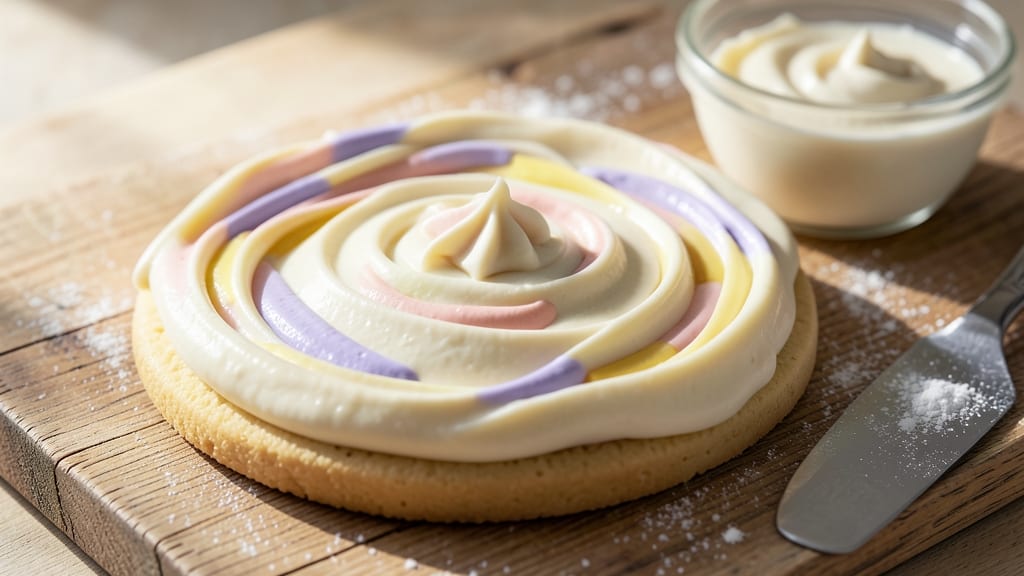
This sugar cookie icing recipe with cream of tartar delivers the stable, shiny frosting you’ve been searching for—no more grainy, weepy disasters. 💛 The secret lies in cream of tartar, which prevents crystallization and keeps your icing smooth and pipeable for hours.
I’ve perfected this formula after years of testing, and it’s become my go-to for cookies that look (and taste) like they came from a bakery.
The magic happens in the three-ingredient base—powdered sugar, butter, and cream of tartar—mixed to a light, spreadable consistency. Unlike traditional royal icing, this version stays workable longer, making it ideal for decorating cookies with intricate details or bold borders.
The cream of tartar also adds a subtle tang, balancing the sweetness without overpowering it.
What sets this recipe apart is its versatility and reliability. Whether you’re flooding cookies for a bakery-style finish or piping delicate rosettes, this icing holds its shape and shines like glass. No more waiting for it to set or dealing with sticky messes—just flawless, professional results every time.
Ready in just 10 minutes, this recipe is perfect for last-minute decorating or prepping ahead. Store it in an airtight container for up to a week, and bring it back to life with a quick whisk. Let’s make your cookies look as stunning as they taste!
Ingredients for sugar cookie icing recipe with cream of tartar
Three essential ingredients plus a few optional tweaks for bakery-style shine and stability.
| Ingredient | Amount | Notes |
|---|---|---|
| Powdered Sugar 🍚 | 4 cups | Sifted for smooth texture |
| Unsalted Butter 🧈 | 1 cup | Softened to room temperature |
| Cream of Tartar 🍋 | 2 tsp | Pure, fine-grained preferred |
| Pure Vanilla Extract 🌸 | 1 tsp | High-quality, alcohol-based |
| Heavy Cream 🥛 | 1 tbsp | Optional for extra shine |
| Food Coloring or Gel Food Coloring 🎨 | 1 tsp | Adjust for desired shade |
| Alcohol (Optional) 🍸 | 1 tsp | Vodka or rum for shine |
| Diamond Crystal Kosher Salt 🧂 | ⅛ tsp | Pinch for flavor balance |
The powdered sugar is non-negotiable—Domino brand or C&H are my go-tos for consistency, but any quality brand works. Sift it before measuring to avoid lumps, which can ruin the smooth finish. For the butter, Plugrá or Land O’Lakes unsalted are reliable choices, but any good-quality brand will do. The cream of tartar? Bob’s Red Mill sells it in small jars, perfect for occasional baking. If you can’t find it, lemon juice at half the amount works in a pinch, though it won’t stabilize as well. The vanilla extract should be pure—Nilson’s or McCormick are my favorites for that rich, authentic flavor.
No heavy cream? Skip it—the recipe still works beautifully. Want extra shine? A splash of vodka or rum (just 1 tsp) cuts the sugar’s stickiness and adds a subtle depth. For coloring, gel food coloring is your best friend—it blends better than liquid and won’t alter the icing’s consistency. If you’re using liquid coloring, reduce the amount by half to avoid thinning the icing. The optional alcohol isn’t just for shine; it also helps the icing set faster, which is a game-changer when you’re decorating cookies for a party. Pro tip: Whisk everything together over a double boiler if you’re worried about butter melting unevenly.
This icing keeps for up to 1 week in an airtight container at room temperature, but trust me, it’ll disappear faster than that. If it thickens, a quick whisk with a splash of warm water brings it back to life. For long-term storage, freeze it in 1-tbsp portions—perfect for decorating single cookies without thawing the whole batch. Just let it sit at room temperature for 10 minutes before using. And if you’re prepping ahead for a big bake? Make a double batch—you’ll thank yourself later when your cookies look like they’re straight out of a bakery window.
Why You'll Love This Recipe
- I swear by this combo: just butter, powdered sugar, and cream of tartar. That acidity from the tartar cuts through the sweetness—no fancy stabilizers, no weird aftertaste. It’s the secret to that pro bakery finish without the fuss.
- Here’s what sold me: no grainy texture, no weeping icing. The heavy cream keeps it luscious without being too soft, and the cream of tartar locks it in for hours. I’ve frosted cookies days ahead, and they still look fresh—no redoing the whole batch.
Step-by-step instructions for perfect sugar cookie icing
Here's how to make a stable, glossy icing that stays put—no sliding or weeping!
👨🍳 Step 1: Whip the Butter Until Light and Fluffy
In a large mixing bowl, beat the 1 cup Unsalted Butter (softened to room temperature) with an electric mixer on medium-high speed for 3-4 minutes. You're looking for a pale, fluffy texture that nearly doubles in volume—this incorporates air that helps create that signature glossy finish.
Here's the thing—if your butter isn't fully softened, the icing will turn greasy. Press a finger into the butter; it should leave a slight indent but hold its shape. If it's too cold, let it sit at room temperature for another 10 minutes while you prep the remaining ingredients.
👨🍳 Step 2: Gradually Add Powdered Sugar and Cream of Tartar
With the mixer running on low speed, gradually add the 4 cups Powdered Sugar (sifted for smooth texture) and the 2 tsp Cream of Tartar. The cream of tartar is what makes this icing stable—it stabilizes the sugar molecules so they don't weep. Add about 1 cup at a time, mixing well after each addition until fully incorporated.
Don't rush this step. The powdered sugar should blend completely with the butter, forming a smooth paste. If you see any lumps, press the mixture through a fine-mesh sieve to ensure a silky texture. This prevents graininess in your final icing.
👨🍳 Step 3: Incorporate the Liquid Ingredients
Add the 1 tsp Pure Vanilla Extract, 1 tbsp Heavy Cream (if using), 1 tsp Food Coloring or Gel Food Coloring, 1 tsp Alcohol (Optional), and 0.125 tsp Diamond Crystal Kosher Salt to the bowl. Mix on low speed for 1-2 minutes until everything is fully combined and the color is evenly distributed.
The alcohol (if using) helps create that professional-grade shine, while the heavy cream adds just enough moisture for a smooth consistency. Here's a pro tip: if using gel food coloring, add it gradually—it's more concentrated than liquid dye and can easily overpower your icing.
🍳 Step 4: Beat Until Glossy and Smooth
Increase the mixer speed to high and beat the icing for 3-5 minutes until it becomes light, fluffy, and glossy. You'll see the texture transform from thick and grainy to smooth and airy. This final beating step is crucial—it develops the body and shine that sets this icing apart from basic buttercream.
Test the consistency by piping a small amount onto parchment paper. It should hold its shape without spreading too much. If it's too thick, add 1 tsp milk or water at a time until it reaches your desired consistency. If it's too thin, add 1 tbsp more powdered sugar and mix until smooth.
⏰ Step 5: Use Immediately or Store Properly
Transfer the icing to a piping bag fitted with your desired tip (a star tip works great for cookies) or a bowl for spreading. Use immediately for the best results—fresh icing pipes beautifully and holds its shape perfectly. If you need to store it, cover the bowl with plastic wrap pressed directly onto the surface to prevent a skin from forming.
This icing keeps well in the refrigerator for up to 3 days. Before using, let it sit at room temperature for 10-15 minutes to soften slightly—this makes it easier to pipe or spread. For best results, bring it to room temperature while your cookies cool to ensure even application.
Pro Tips For Making Sugar Cookie Icing Recipe With Cream Of Tartar
- Weigh Your Butter: Cream of tartar icing is fussy about butter—use room-temperature unsalted butter that’s soft enough to press with a finger but not greasy. I learned this the hard way when my icing split because I used cold butter straight from the fridge (yes, even if you’re impatient like me).
- Sift the Powdered Sugar: Clumps in powdered sugar make for lumpy icing no matter how much you whisk. Sift it directly into your bowl before mixing—it’s the only way to guarantee a silky texture. Skip this, and you’ll end up with a gloppy mess that won’t pipe cleanly.
- Whip the Cream First: Heavy cream needs to be whipped to soft peaks before folding it into the icing base. If you mix them together, the butter will deflate your cream, and the whole thing will turn out thin and sad. Do this step separately—it’s the thing that matters most for stability.
- Chill the Icing: Let your finished icing rest in the fridge for 10–15 minutes before piping. It’ll thicken up just enough to hold its shape, and you won’t end up with droopy, sad cookies. I know, I know—waiting feels like torture, but trust the process.
Regional styles of this recipe
Classic Midwest Flood Icing
In the heartland, sugar cookies are all about that perfect flood icing finish—thick enough to create those iconic ridges, thin enough to peek through the sprinkles. This version uses the cream of tartar to create a stable base that stays put while you pour.
I’ve tested this with Wilton 104 piping tips for that signature bakery-style border, but a simple offset spatula works too. The key is pouring slowly—let gravity do the work while you guide the icing with your spatula for clean edges. 💛
Southern Buttercream Twist
Down South, they love their buttercream with a little extra richness, so I add ½ cup softened cream cheese to the base recipe for a tangy contrast. The cream of tartar still keeps it stable, but now it’s velvety smooth with a hint of Southern charm.
This version is perfect for Christmas cookies or when you want that extra decadent flavor. Serve with a glass of sweet tea for the full experience!
German Spritz Icing
German bakeries often use a lighter, more fluid icing called Spritz, which is essentially royal icing but with a touch of butter for flexibility. For this version, reduce the butter to ½ cup and increase the powdered sugar to 4½ cups.
The cream of tartar keeps it stable enough to pipe delicate roses or snowflakes while maintaining that signature German precision. I love using this for Christmas trees or gingerbread houses—the fine details stay crisp for hours.
Italian Marzipan Fusion
For a truly unique twist, fold in ½ cup store-bought marzipan (like Dandies) after mixing the base icing. The cream of tartar ensures the marzipan stays incorporated without separating, creating a luxurious, almond-infused frosting.
This version is perfect for Italian-inspired cookies or when you want to impress with a gourmet touch. The marzipan adds natural sweetness, so you can reduce the powdered sugar slightly if needed.
Swedish Cardamom Glaze
In Sweden, they love their cookies with a subtle spice kick. Add 1 tsp ground cardamom to the base recipe, and the cream of tartar helps distribute the flavor evenly without overpowering.
This glaze is perfect for pepparkakor (gingerbread cookies) or when you want a sophisticated twist on classic sugar cookies. The cardamom pairs beautifully with the vanilla, creating a warm, aromatic finish. 🌟
Modern Minimalist Design
For a sleek, contemporary look, I often use this icing with black gel food coloring for bold contrast or metallic gold dust for a festive touch. The cream of tartar keeps the colors vibrant and prevents bleeding, so your designs stay crisp.
This version is perfect for wedding cookies or when you want to make a statement with minimal effort. The simplicity of the base lets the colors and textures shine.
Nutrition facts
Frequently asked questions
Why does this icing recipe use cream of tartar?
The cream of tartar is the secret weapon that prevents sugar crystallization, giving your icing a smooth, professional finish. It stabilizes the mixture so it stays pipeable for hours without weeping or becoming grainy. Plus, it adds a subtle tang that balances the sweetness beautifully!
Can I make this icing without cream of tartar?
You can substitute with ½ teaspoon lemon juice, but the texture won't be as stable. The icing may crystallize faster or become slightly grainy. For best results, especially when piping intricate designs, stick with cream of tartar—it's worth the small investment for flawless cookies!
How do I fix lumpy icing?
If your icing has lumps, press it through a fine-mesh sieve or blend it with an immersion blender until silky smooth. For stubborn lumps, add 1 teaspoon milk or water and mix gently—this helps dissolve any sugar crystals that may have formed. Always sift your powdered sugar before mixing to prevent this issue!
How long does this icing keep?
Store it in an airtight container at room temperature for up to 1 week. For longer storage, refrigerate for up to 3 days. Before using, let it sit at room temperature for 10-15 minutes to soften. If it thickens, whisk in 1 teaspoon warm water to restore consistency.
Can I color this icing with food dye?
Use gel food coloring for vibrant, even shades without thinning the icing. Start with ½ teaspoon and adjust gradually—gel colors are more concentrated than liquid dyes. For pastel effects, add a drop at a time while mixing. The cream of tartar helps prevent color bleeding, so your designs stay crisp!