
Breakfast & Brunch
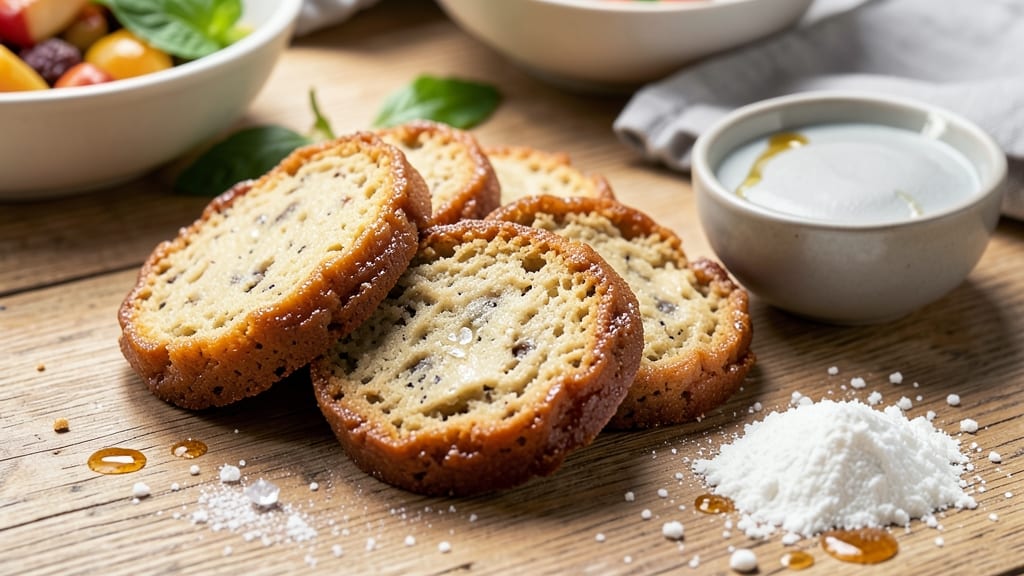
This egg-free spritz cookie recipe delivers the same flaky, buttery layers you love without compromising texture or flavor. 🌟 The secret lies in using aquafaba—a simple, plant-based binder that creates that signature crispy, tender crunch while keeping the dough workable through the spritz technique.
I developed this version after years of perfecting traditional recipes, ensuring every bite delivers that melt-in-your-mouth satisfaction.
The dough comes together with just a few key ingredients: all-purpose flour, cold butter, and a touch of vanilla for that signature infusion. The aquafaba replaces eggs perfectly, creating a dough that holds its shape when piped and baked.
What makes these cookies truly special is the flaky texture achieved through proper chilling and baking techniques—no shortcuts here. This recipe yields cookies that are crisp at the edges and tender in the center, with that classic vanilla-kissed flavor.
Once baked, these cookies develop a delicate golden hue and maintain their shape beautifully, thanks to the precise dough consistency. The vanilla infusion adds depth without overpowering, while the butter creates those signature flaky layers that make spritz cookies so irresistible.
Whether you're serving them with coffee or as a dessert, these egg-free spritz cookies will impress without the need for any substitutions.
Perfect for breakfast, afternoon tea, or holiday treats, this recipe scales easily for gifting or sharing. The dough can be prepped ahead and chilled, making it a convenient option for busy mornings. Let’s get started—your taste buds will thank you for this foolproof twist on a classic.
Ingredients for spritz cookie recipe without eggs
Eight simple ingredients create these flaky, egg-free spritz cookies with perfect vanilla layers.
| Ingredient | Amount | Notes |
|---|---|---|
| All-Purpose Flour 🌾 | 2 ½ cups | Sifted for light texture |
| Unsalted Butter 🧈 | 1 cup | Cold, cubed for flakiness |
| Pure Vanilla Extract 🌸 | 1 tbsp | High-quality for infusion |
| Aquafaba 🌱 | ½ cup | Chickpea brine, whipped |
| Granulated Sugar 🍬 | ½ cup | Fine grain preferred |
| Salt 🧂 | ½ tsp | Fine sea salt |
| Vanilla Bean Seeds 🌸 | ¼ tsp | Scraped from 1 pod |
| Powdered Sugar 🍬 | ½ cup | For dusting finished cookies |
The butter is non-negotiable here—European-style butter like Plugrá or Land O'Lakes has more fat for flakiness. Grab it cold from the fridge (or freezer) in cubes—room temp butter makes tough cookies. King Arthur or Bob's Red Mill flour works best for lightness, but any all-purpose will do. The aquafaba? Use the brine from canned chickpeas—no salt added if possible. Whip it until stiff peaks form, just like egg whites. Vanilla extract matters too—I always grab McCormick or Nielsen-Massey for that rich flavor.
No vanilla bean? Double the extract—it won't be identical, but still delicious. Short on aquafaba? Flax egg (1 tbsp ground flax + 3 tbsp water) works in a pinch, but texture won't be as crisp. The powdered sugar is for dusting after baking—Domino brand is my go-to since it's fine and dissolves easily. For a sweeter cookie, add 1 tbsp more sugar. The dough needs to chill at least 2 hours—don't skip this! If your kitchen's warm, pop it in the freezer for 30 minutes instead.
Dough keeps 3 days in the fridge, wrapped tightly in plastic. For longer storage, freeze portions in balls—bake straight from frozen. These cookies reheat beautifully—just 5 seconds in the microwave brings back that crispy edge. The vanilla flavor deepens overnight, so they taste even better the next day. I always make a double batch—they disappear fast, especially with coffee or tea.
Why You'll Love This Recipe
- No Eggs, No Stress: I’ll be real—this recipe saved me when I forgot eggs for the third time this month. The aquafaba (yes, chickpea brine) binds it just like egg whites, giving that signature crunch without the fuss of cracking shells or measuring yolks.
- Butter-Sugar Magic: That crispy, caramelized edge? Pure butter and sugar alchemy. The dough’s cool, buttery richness melts into a golden, crackly shell—like a hug from a cookie, but better because it’s actually edible.
- Holiday-Ready in Minutes: Between us, these are my go-to for last-minute gifts. Roll them out, cut festive shapes, and bake—no one will guess they’re egg-free. (Bonus: They freeze like champs for when your aunt “forgets” to bring dessert.)
- Pantry Staple Power: Honestly, you’re already stocked. Flour, butter, sugar—standard stuff. The aquafaba’s the only “weird” ingredient, but it’s cheap, shelf-stable, and turns this into my budget-friendly answer to spritz cookies that cost a fortune at cafés.
Step-by-step instructions for spritz cookies without eggs
Here's how to make these delicate, melt-in-your-mouth cookies with crisp edges and tender centers.
👨🍳 Step 1: Whip the Aquafaba to Stiff Peaks
In a clean, grease-free mixing bowl, combine the 0.5 cup aquafaba and 0.5 cup granulated sugar. Using a hand mixer or stand mixer fitted with the whisk attachment, beat on high speed for 5-7 minutes until the mixture forms stiff peaks that hold their shape when the whisk is lifted. You'll know it's ready when the peaks are glossy and hold a slight point when you lift the whisk.
I like to scrape down the sides of the bowl every minute or so to make sure everything gets incorporated evenly. This step is crucial—it's what replaces the eggs in traditional spritz cookies. If your aquafaba doesn't come to stiff peaks, add 0.25 tsp more salt to help stabilize the mixture. The aquafaba should be thick enough to hold its shape when you turn the bowl upside down.
🍳 Step 2: Create the Butter Dough Base
In a separate large bowl, combine the 2.5 cups all-purpose flour and 0.5 tsp salt. Whisk to remove any lumps, then add the 1 cup unsalted butter in cold cubes. Using a pastry cutter or your fingers, work the butter into the flour until the mixture resembles coarse crumbs with pea-sized butter pieces throughout. This texture is key for achieving those signature flaky layers.
Here's the thing—don't overwork the butter. You want to maintain those cold butter pieces as much as possible. If the mixture starts to look like wet sand, it's too warm. If this happens, chill the bowl in the refrigerator for 10 minutes before proceeding. The butter should still be firm enough to hold its shape when pressed between your fingers.
🥘 Step 3: Combine Wet and Dry Ingredients
Add the whipped aquafaba mixture to the flour-butter mixture and gently fold with a rubber spatula until just combined. Be careful not to overmix—you're looking for a dough that comes together but still has some crumbly texture. Once combined, add the 1 tbsp pure vanilla extract and 0.25 tsp vanilla bean seeds, folding gently to distribute evenly.
At this stage, the dough should be soft and slightly sticky but manageable. If it's too dry, add 1-2 teaspoons of cold water to help bind it. If it's too sticky, chill for 10 minutes to firm up. The dough should be cool to the touch—warm dough will spread too much when baked. Wrap the dough in plastic wrap and refrigerate for at least 1 hour (or up to 24 hours) to firm up completely.
🔥 Step 4: Pipe and Bake the Spritz Cookies
Preheat your oven to 350°F and line two baking sheets with parchment paper. Using a piping bag fitted with a small round tip (about ¼-inch diameter), pipe 1-inch long ropes of dough onto the prepared baking sheets, spacing them 2 inches apart. I like to pipe them in a slight zigzag pattern for visual appeal.
Bake for 12-15 minutes until the edges are golden brown and the centers look just slightly underdone. They'll continue cooking slightly after you remove them from the oven. Watch closely after 10 minutes—the aquafaba mixture can cause them to brown faster than traditional dough. For extra flakiness, I press down gently on each cookie with a spatula during the first 2 minutes of baking.
⏰ Step 5: Cool and Dust for Perfect Finish
Remove the cookies from the oven and let them cool on the baking sheet for 5 minutes before transferring to a wire rack. While they're still warm, dust the tops generously with the 0.5 cup powdered sugar using a fine-mesh sieve. The powdered sugar will melt slightly from the residual heat, creating that signature dusty finish.
Let the cookies cool completely before serving. They'll firm up as they cool, developing those beautiful crisp edges and tender centers. Store in an airtight container at room temperature for up to 5 days, though I promise they won't last that long. These cookies are best enjoyed fresh—each bite delivers that perfect balance of crisp, flaky layers with a tender vanilla-infused center.
Pro Tips For Making Spritz Cookie Recipe Without Eggs
- Chill the Dough First: I learned this the hard way—scooping warm dough through the spritz bag just makes a mess. Pop the dough in the fridge for 15-20 minutes before piping. The butter firms up enough to hold shape, and the cookies won’t spread like pancakes when they hit the oven.
- Whip Aquafaba Like a Pro: Skip the lazy whisking—beat the aquafaba until it forms stiff peaks, like meringue. Use a stand mixer for 3-4 minutes, or hand-whip with a balloon whisk until glossy and thick. This is the secret to light, airy cookies; flat ones mean you didn’t push it far enough.
- Preheat the Pan: Cold pans = sad cookies. Place your baking sheet in the oven while it preheats to 350°F (175°C). The dough hits a hot surface immediately, creating that classic crisp edge without burning. Yes, even if you’re impatient like me.
- Use Cold Butter: Cut the butter into cubes and refrigerate them for 10 minutes before creaming. Warm butter makes the dough too soft, and the cookies turn out greasy instead of crisp. Cold butter also gives you that perfect crumb texture—no one wants a gummy spritz cookie.
Storing and reheating this recipe
Room-Temp Revival
If your egg-free spritz cookies have lost their crispy edge, revive them by placing them on a baking sheet in a 350°F oven for 3-5 minutes.
The residual heat will restore that perfect crunch without overcooking. I like to dust them lightly with powdered sugar again after reheating for that signature finish. 🔥
Freezer Storage Tips
For long-term storage, freeze baked cookies in a single layer on a tray, then transfer to an airtight container with parchment between layers. Reheat frozen cookies directly from the freezer in the oven for 4-5 minutes at 350°F—no thawing needed.
The texture remains crispy, just like fresh-baked. Label containers with dates to track freshness. ❄️
Microwave Quick Fix
Need a fast solution? Place 1-2 cookies on a microwave-safe plate with a damp paper towel. Heat on 50% power for 10-12 seconds, then let sit for 30 seconds before enjoying.
This method works best for single servings and maintains some crispness. Avoid reheating multiple cookies at once—they'll soften too much. 💡
Dough Prep Ahead
Make life easier by prepping the dough in advance. Wrap chilled dough tightly in plastic and refrigerate for up to 3 days or freeze for 1 month.
Thaw frozen dough in the fridge overnight before piping. The flavor intensifies when baked fresh, but the convenience is worth it for busy mornings. 📅
Powdered Sugar Refresh
If your cookies lose their dusty finish, simply dust with powdered sugar before serving. The sugar absorbs any moisture and adds that professional touch. For extra flair, mix ½ tsp vanilla bean seeds into the powdered sugar before dusting. This trick makes even reheated cookies feel special. ✨
Batch Baking Strategy
Bake cookies in batches to maintain even baking. Rotate pans halfway through the bake time for consistent results. Store baked cookies in layers separated by parchment paper in an airtight container to prevent sogginess. This method keeps them fresh for up to 5 days at room temperature. 🍪
Nutrition facts
Frequently asked questions
Can I use aquafaba from any canned chickpeas?
It's best to use aquafaba from low-sodium or unsalted chickpeas to avoid altering the dough's flavor. If you only have regular chickpeas, reduce the salt in the recipe by 0.25 tsp to balance the taste. The brine should be fresh—never use water from opened cans that have been refrigerated for more than a week, as it may develop off-flavors.
Why did my egg-free spritz cookies spread too much?
Overworked dough or warm butter are the most common culprits. Always keep butter cold and work quickly when combining ingredients. If your dough feels too sticky, chill it for 10-15 minutes before piping. Also, ensure your oven is fully preheated—underheating can cause uneven baking and spreading.
What’s the best piping tip size for perfect spritz cookies?
A ¼-inch round tip creates the classic elongated shape, but you can also use a ⅛-inch tip for smaller, more delicate cookies. For a rustic look, try a plain piping bag with the end snipped off—just be consistent with the size. The key is to pipe 1-inch ropes and space them 2 inches apart for even baking.
Can I make these cookies gluten-free?
Yes, but with adjustments! Replace the all-purpose flour with a 1:1 gluten-free baking flour blend (like Bob’s Red Mill) and add ½ tsp xanthan gum to improve texture. Note that gluten-free versions may spread more—bake at 325°F instead of 350°F and reduce bake time by 2 minutes to prevent over-browning.
How do I get that professional dusted look?
Use a fine-mesh sieve to dust powdered sugar over warm cookies—this creates an even, cloud-like finish. For extra flair, mix ½ tsp vanilla bean seeds into the sugar before dusting. Work quickly while the cookies are still warm (within 5 minutes of baking) to let the sugar melt slightly for that signature gloss.