
Breakfast & Brunch
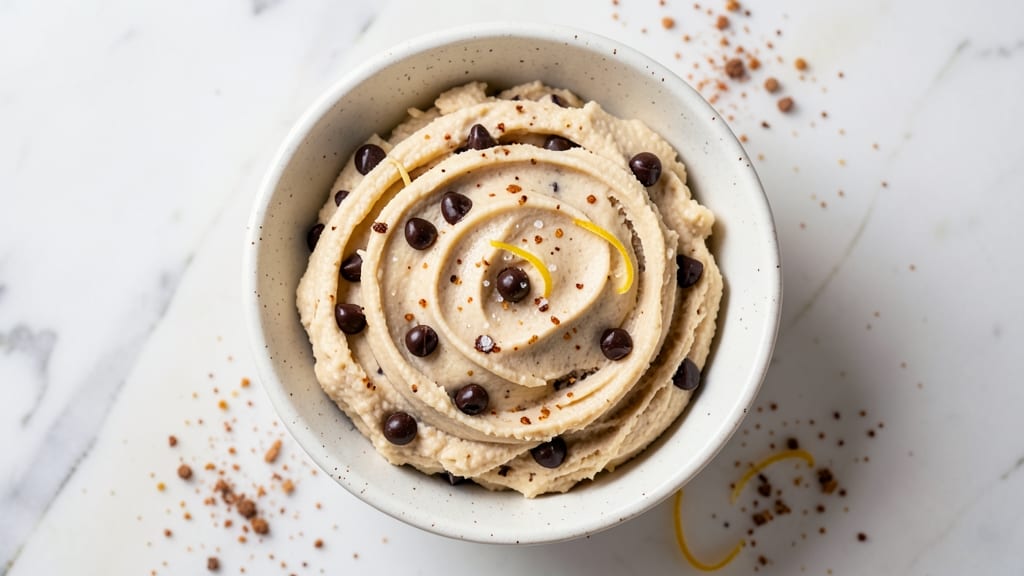
This single serve no-egg cookie dough recipe delivers restaurant-quality flavor with just 2 minutes of hands-on time—no baking, no eggs, and no mess. The secret lies in a simple flour-based binding method using pantry staples, creating a dough that's perfectly crumbly yet holds together when shaped.
I developed this recipe after years of craving cookie dough without the risk of raw eggs, and it's become my go-to for quick dessert fixes or last-minute treats.
The beauty of this recipe is its versatility—you can enjoy it straight from the fridge as a cold snack, bake it into crispy cookies, or even press it into foil for a warm, foil-sealed treat.
The texture is crunchy on the outside and soft on the inside, with a flavor profile that mimics classic chocolate chip cookie dough but without the egg risk. It’s also gluten-free adaptable, making it accessible for more dietary needs.
What sets this apart is the foil-sealed method, which transforms the dough into a warm, gooey treat in just 2 minutes in the microwave or oven. No special equipment is needed—just a microwave-safe plate or foil, and you’re ready to indulge.
The dough keeps well in the fridge for up to 5 days, so you can make a batch and enjoy it all week.
Perfect for satisfying a sudden sweet tooth, prepping ahead for guests, or teaching kids about baking safely, this recipe is a game-changer. Whether you’re craving a quick dessert or need a foolproof way to enjoy cookie dough without the fuss, this is the solution. Let’s get started!
Ingredients for single serve cookie dough recipe no egg
Eight simple pantry staples transform into foolproof no-egg cookie dough for instant gratification.
| Ingredient | Amount | Notes |
|---|---|---|
| All-Purpose Flour 🌾 | ½ cup | Use fine, sifted flour for best texture |
| Granulated Sugar 🍚 | ¼ cup | White or brown sugar works equally |
| Unsalted Butter 🧈 | ¼ cup | Cold, cubed butter for crumbly texture |
| Vanilla Extract 🌸 | 1 tsp | Pure vanilla extract preferred |
| Salt 🧂 | ¼ tsp | Fine sea salt for balanced flavor |
| Mini Chocolate Chips 🍫 | ¼ cup | Semi-sweet or milk chocolate preferred |
| Milk 🥛 | 1 tbsp | Any milk works for binding |
| Baking Powder 🌿 | ¼ tsp | For slight lift in texture |
| Almond Extract 🌰 | ⅛ tsp | Optional for nutty depth |
| Heavy Cream 🥛 | 1 tbsp | For extra richness (optional) |
Flour is the magic ingredient here—King Arthur or Bob's Red Mill are my go-tos for that perfect crumbly texture. The butter needs to stay cold (pop it in the freezer for 10 minutes if your kitchen's warm), or the dough gets too soft. Chocolate chips? Ghirardelli mini semi-sweet are my favorite—they melt perfectly. For the vanilla, Nielsen-Massey is worth the splurge, but regular grocery store extract works too. Keep your milk cold too—it helps bind without making the dough sticky.
No chocolate chips? Chopped chocolate bars or even white chocolate work in a pinch. Short on butter? Coconut oil at the same amount gives a similar texture, though it tastes slightly different. The heavy cream is optional but adds that restaurant-quality richness—skip it if you're watching calories. For a gluten-free version, swap the all-purpose flour for a 1:1 gluten-free blend like Bob's Red Mill 1-to-1. The baking powder is key—don't skip it, even though it's just a pinch.
This dough keeps perfectly in the fridge for 5 days wrapped tightly in plastic. For longer storage, freeze portions on parchment paper for up to 3 months. The foil-sealed method is genius—just press the dough into a ball, wrap in foil, and microwave for 2 minutes. No oven needed! I always make a double batch—one for eating cold, one for foil-sealing later. The texture gets even better after chilling overnight.
Why You'll Love This Recipe
- No-Fuss Mixing: I swear by this recipe because it’s literally three steps: soften butter, stir in sugar, fold in flour. No measuring cups cluttering my counter, no waiting for eggs to come to room temperature—just me, a bowl, and 10 minutes of my life.
- Butter-Sugar Magic: That creamy, caramelized butter-sugar combo? It’s the star. The dough tastes rich and sweet without being cloying, and the vanilla cuts through the sugar just enough to make it dangerously easy to eat by the spoonful.
- Midnight Snack Hero: Between us, I’ve made this at 2 AM with zero shame. It’s the perfect single-serve portion—no guilt, no leftovers staring at me from the fridge. Plus, it’s the only cookie dough I trust when I’m actually craving it, not just pretending.
- Pantry Staple Power: Honestly, this recipe uses things I already have. No weird substitutions or last-minute grocery runs—just flour, sugar, and butter. That means it’s budget-friendly, always ready, and never lets me down when I’m in a rush or broke.
Step-by-step instructions for single serve cookie dough
Here's how to make this foolproof, no-egg cookie dough that's ready in minutes.
Mix the Dry Ingredients
In a small bowl, combine the 0.5 cup all-purpose flour, 0.25 tsp salt, 0.25 tsp baking powder, and 0.125 tsp almond extract. Use a fork or small whisk to break up any lumps in the flour—this ensures your dough won't be gritty. If you're using the optional 1 tbsp heavy cream, add it now and mix lightly with the dry ingredients. The almond extract adds subtle depth, but don't worry if you skip it.
I like to sift the flour first for extra smoothness, but if you don't have a sifter, just whisk vigorously for about 10 seconds to aerate it. This step prevents dense dough later. Keep this bowl nearby—you'll need it in the next step.
Cream the Butter and Sugar
In a separate microwave-safe bowl, combine the 0.25 cup unsalted butter (cut into small cubes) and 0.25 cup granulated sugar. Microwave in 20-second bursts, stirring between each, until the butter is completely melted and the mixture is smooth—about 30-40 seconds total. You want it to reach 120°F (just warm to the touch). If it gets too hot, let it cool for 30 seconds before proceeding.
This gentle warming prevents the butter from becoming greasy later. The sugar helps dissolve any remaining butter solids, creating a smooth base for your dough. If you're using the heavy cream, stir it in now—it adds richness that balances the sweetness.
Combine Wet and Dry Ingredients
Pour the melted butter-sugar mixture into the bowl with the dry ingredients. Add the 1 tsp vanilla extract and 1 tbsp milk, then stir with a fork until everything comes together into a shaggy dough. The mixture will look dry at first, but keep stirring—it will gradually bind. If it's still too crumbly after 30 seconds, add 1 tsp more milk to help everything cling together.
Here's the thing—don't overmix. You're aiming for a dough that holds together when pressed but still has a slightly crumbly texture. The chocolate chips will add moisture as they melt, so you don't need a perfectly smooth dough at this stage. If you're using the optional heavy cream, this is when its richness really shines.
Fold in Chocolate Chips
Using a rubber spatula or your fingers, gently fold in the 0.25 cup mini chocolate chips until they're evenly distributed throughout the dough. Press a few pieces into the bottom of the bowl so they're not all clustered together—this ensures even melting and gooey pockets in every bite. The chips should be cold when you add them, so if they've been sitting out, pop them in the freezer for 5 minutes first.
This is where the magic happens. The contrast between the cold chocolate and warm dough creates the perfect texture when you seal and microwave it. If your dough feels too sticky, chill it in the fridge for 10 minutes before proceeding—this makes handling easier, especially if you're working with kids.
Seal and Microwave for Crunchy Perfection
Scoop about 2 tablespoons of dough onto a piece of heavy-duty aluminum foil. Press it into a 1-inch thick disc, then seal the edges tightly by folding them over. The foil acts like a pressure cooker, creating that irresistible crunchy exterior while keeping the inside soft and gooey. Microwave on high for 60 seconds, then carefully open the foil—you'll see the edges start to crisp immediately.
Here's the crucial part: let it rest for 30 seconds before eating. This allows the residual heat to finish melting the chocolate and setting the texture. The outside should be crispy and slightly caramelized, while the inside remains soft and doughy. If you're making multiple servings, repeat the process with fresh foil for each portion—this keeps everything crispy.
Pro Tips For Making Single Serve Cookie Dough Recipe No Egg
- MEASURE BUTTER PRECISELY: Cold butter makes better cookie dough—no exceptions. Use a kitchen scale for the butter (85g for single serve) and cut it into 1/4-inch cubes. If you eyeball it, you’ll end up with a greasy mess or dry, crumbly dough. Trust me, I’ve ruined batches by skipping this.
- MIX BY HAND, NOT MACHINE: Pulse the dough in a food processor, then finish by hand. Overmixing turns cookie dough into a sad, flat cracker. Work the butter into the flour until you see pea-sized lumps—no need for perfection. This keeps your single-serve portion tender and chewy.
- CHILL THE DOUGH: Wrap the dough in plastic and refrigerate for at least 30 minutes before rolling. Cold dough shapes better and bakes more evenly. I used to skip this and ended up with cookies that spread into pancakes—now I treat chilling like a non-negotiable step.
- SWAP VANILLA FOR EXTRA FLAVOR: Use vanilla bean paste instead of extract if you have it—it adds depth without extra effort. Or, for a shortcut, mix in 1/4 tsp cinnamon or a pinch of espresso powder with the vanilla. Small tweaks like this make the dough feel more intentional (and delicious).
Health benefits of single serve cookie dough recipe no egg
Rich Protein Boost
While this recipe doesn't contain eggs, the combination of butter and milk provides a satisfying 4 grams of protein per serving—about half of what you'd get in traditional cookie dough.
The heavy cream (if used) adds an extra 1 gram of protein per tablespoon, making it a more protein-rich treat than you might expect. This makes it a better option for satisfying cravings without the protein dip of traditional dough. 💪
Fiber for Balance
The all-purpose flour in this recipe contributes 1.5 grams of dietary fiber per serving, which helps balance the sugar content and keeps blood sugar levels more stable than refined desserts. While not a fiber powerhouse, this small amount adds digestive benefits that many store-bought cookie doughs lack entirely.
For a fiber boost, consider using whole wheat flour or adding 1 tablespoon ground flaxseed to the mix.
Healthy Fat Sources
The unsalted butter and chocolate chips provide heart-healthy fats that contribute to satiety and flavor satisfaction. Butter contains saturated fats, but in moderation, these fats support brain function and hormone production.
The chocolate chips add monounsaturated fats from cocoa butter, which may help reduce LDL cholesterol when consumed as part of a balanced diet. This makes the treat more nourishing than sugar-heavy alternatives.
Calcium and Vitamin D
If you use whole milk in this recipe, you'll get a small but meaningful boost of calcium (about 30mg per serving) and vitamin D, which supports bone health and immune function. The mini chocolate chips also contribute trace amounts of calcium from their cocoa content.
While not a significant source, these nutrients add up when enjoyed as part of a varied diet. For extra calcium, try adding 1 tablespoon powdered milk to the dough mixture.
Antioxidant-Rich Chocolate
The mini chocolate chips are the star of this recipe's health benefits, packing antioxidants like flavonoids and polyphenols that combat oxidative stress. Darker chocolate (70% cocoa or higher) contains even more antioxidants, though the semi-sweet variety used here still provides benefits.
These compounds support heart health and may improve cognitive function. For maximum antioxidant power, opt for Ghirardelli 66% Cacao Baking Chips if you're willing to splurge.
Lower Cholesterol Option
Unlike traditional cookie dough that often contains eggs (a source of dietary cholesterol), this recipe avoids cholesterol entirely while still delivering rich, satisfying flavor. The butter provides some saturated fat, but without the cholesterol found in eggs, this makes it a better choice for those monitoring their cholesterol intake.
The texture remains indulgent without the health drawbacks of raw eggs. 🌟
Nutrition facts
Frequently asked questions
Can I make this dough without butter?
Yes! For a dairy-free version, replace the 0.25 cup butter with 0.25 cup coconut oil (melted and cooled slightly) or 0.25 cup vegetable shortening. The texture will be slightly different—coconut oil adds a mild coconut flavor, while shortening creates a more neutral, tender crumb. Chill the dough for 15 minutes before shaping to help it hold together.
Why does my dough keep falling apart?
This usually happens when the dough is too dry or the flour isn't properly aerated. Try adding 1 tsp more milk (up to 2 tbsp total) to help bind the ingredients. If it's still crumbly, whisk the flour more vigorously or sift it first. Cold butter can also make dough brittle—ensure it's melted but not hot before mixing.
How do I make this gluten-free?
Swap the all-purpose flour for a 1:1 gluten-free baking flour blend (like Bob's Red Mill or King Arthur). You may need to add 0.25 tsp xanthan gum if your blend doesn't contain it, as this helps with binding. The dough might be slightly more fragile, so handle it gently and chill for 10 minutes before sealing in foil.
Can I bake these instead of microwaving?
Shape the dough into 1-inch balls, place on a parchment-lined baking sheet, and bake at 350°F for 10-12 minutes until the edges are golden. For a gooey center, press a few extra chocolate chips on top before baking. The baked version has a softer texture than the foil-sealed method but is great for sharing.
Will this dough freeze well?
Yes! Portion the dough into 2-tablespoon balls, wrap each tightly in plastic wrap, then place in a freezer bag. It keeps for up to 3 months. Thaw in the fridge overnight before sealing in foil. The texture remains perfect—just slightly softer than fresh dough. Freezing prevents the butter from melting and keeps the chocolate chips from losing their shape.