
Desserts
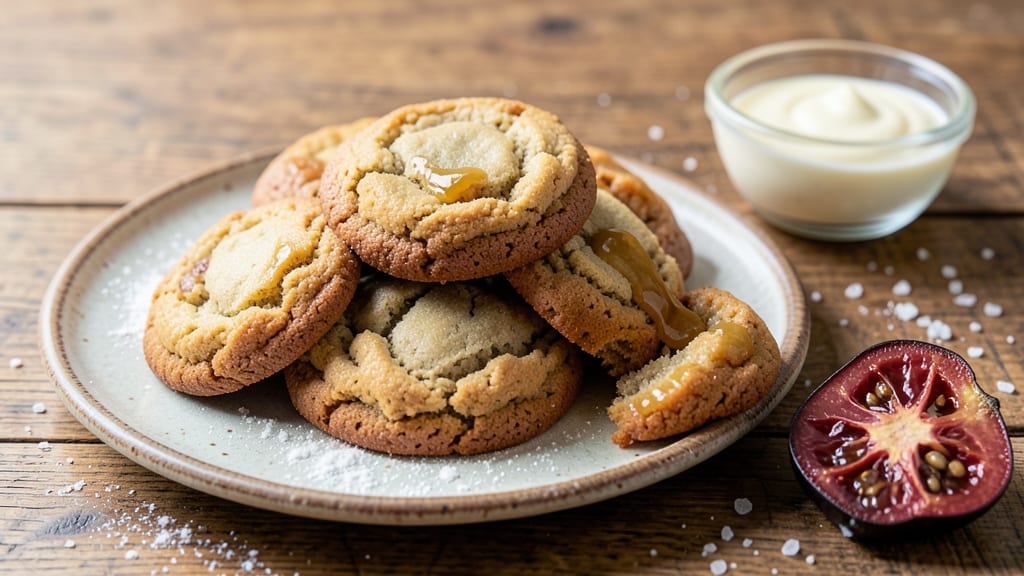
This quick vegan cookie recipe delivers restaurant-quality texture in just 20 minutes—no eggs, no butter, no compromise on flavor. 🌱 The secret lies in a simple aquafaba (chickpea brine) binder that creates those coveted crunchy edges and chewy centers without any animal products.
I developed this recipe after years of testing plant-based alternatives, and it finally checks every box: fast, foolproof, and downright delicious.
The magic happens with a few key ingredients: aquafaba for structure, coconut oil for richness, and a touch of baking soda for that signature cookie rise. Unlike many vegan cookie recipes that rely on complicated substitutions, this version uses pantry staples you likely already have.
The dough comes together in minutes, and with just 10 minutes of baking, you'll have cookies that look and taste like they came from a bakery.
What sets these apart is the texture—golden, crispy edges that give way to a soft, fudgy center, all while maintaining that classic cookie flavor. The aroma alone will have your kitchen smelling like a holiday baking session, but with none of the fuss.
These cookies are perfect for satisfying cravings, packing for lunchboxes, or impressing guests who might not expect vegan treats to taste this good.
Ready to bake? The full recipe includes optional decorating ideas like sprinkles or a drizzle of melted vegan chocolate, but even plain, they're irresistible. Let's get started—your taste buds (and your oven) will thank you.
Ingredients for quick vegan cookie
Pantry staples transform into golden, crispy-edged vegan cookies—no eggs, no butter, just pure flavor.
| Ingredient | Amount | Notes |
|---|---|---|
| Aquafaba 🥫 | ½ cup | Liquid from canned chickpeas |
| Coconut Oil 🥥 | ½ cup | Unrefined for best flavor |
| Granulated Sugar 🍚 | ¾ cup | Coconut sugar works too |
| Brown Sugar 🍚 | ¼ cup | Packed for accurate measure |
| All-Purpose Flour 🌾 | 1 ½ cups | Spooned and leveled |
| Baking Soda 🧂 | ½ tsp | Essential for rise |
| Vanilla Extract 🌿 | 1 tbsp | Pure vanilla preferred |
| Salt 🧂 | ½ tsp | Fine sea salt |
| Chickpea Flour 🌾 | ¼ cup | Adds texture and protein |
| Dark Chocolate Chips 🍫 | 1 cup | Vegan chocolate chips |
| Almond Extract 🌿 | ¼ tsp | Optional for depth |
| Unsweetened Applesauce 🍎 | ¼ cup | Adds moisture |
Aquafaba is the unsung hero here—save the liquid from a can of chickpeas (about 1/2 cup) and whisk it until frothy. Trader Joe's sells canned chickpeas with extra brine, perfect for this. Coconut oil adds richness without dairy; unrefined virgin has a better flavor than refined. For the sugars, pack the brown sugar to avoid under-measuring—it's denser than white. The baking soda is non-negotiable; it creates that signature cookie rise that separates homemade from store-bought. I always grab Bob's Red Mill flour for consistency, but any all-purpose works.
No aquafaba? Flax eggs (2 tbsp ground flaxseed + 6 tbsp water) work in a pinch, but texture won't be identical. Swap coconut oil for vegan butter or olive oil, though coconut keeps the cookies chewier. Chocolate chips? Enjoy Life brand is my go-to for vegan baking—no cross-contamination. Short on chickpea flour? Extra flour at the same amount will work, but you'll lose some protein. The almond extract is optional but adds a sophisticated depth; McCormick is affordable and potent. For a nut-free version, skip it entirely.
Store cookies in an airtight container for up to 5 days—they'll soften slightly but still taste fresh. Freeze dough balls for 3 months; bake straight from frozen (add 1-2 minutes). These reheat beautifully in the oven at 300°F for 2 minutes. I double the batch and freeze half immediately; perfect for quick snacks or gifts. The chocolate chips keep best in the fridge after opening, so stash the bag there if your kitchen runs warm.
Why You'll Love This Recipe
- No Eggs, No Problem: I’ll be real—aquafaba (yes, chickpea brine) does what it does, and these cookies turn out chewy and fudgy without a single egg. The coconut oil adds that buttery richness, so you won’t miss dairy either.
- Foolproof Mixing: Honestly, this dough comes together in five minutes—just fold, scoop, bake. No chilling, no overworking, no stress. The aquafaba whips up light, and the sugars caramelize just enough for that classic cookie bite.
- Party in a Jar: Between us, these are my go-to for last-minute gatherings. They’re sturdy enough to pack in lunchboxes (yes, even on a Tuesday night) and sweet enough to impress guests. Plus, the flavor holds up—no sad, dry cookies here.
- Pantry Staple Magic: I swear by this recipe when I’m low on ingredients. Brown sugar adds depth, flour keeps it sturdy, and coconut oil stretches my budget. Best part? They reheat perfectly—just toss in the oven for a crispy edge.
Step-by-step instructions for quick vegan cookie recipe
Here's how to make these decadent vegan cookies in record time—no eggs or butter needed!
👨🍳 Step 1: Whip the Aquafaba to Stiff Peaks
In a large mixing bowl, combine the 0.5 cup Aquafaba and 0.5 cup Coconut Oil. Using an electric mixer on high speed, whip for 3-4 minutes until the mixture forms stiff peaks—it should hold its shape when you lift the beaters. This step mimics egg whites and creates the airy texture we want in these cookies.
I like to add the 0.25 tsp Almond Extract now, along with the 1 tbsp Vanilla Extract, and mix for another 30 seconds to infuse the flavor. The aquafaba should be glossy and thick, almost like meringue. If it's not holding peaks after 4 minutes, chill the bowl for 5 minutes and try again—sometimes the cold helps stabilize the foam.
👨🍳 Step 2: Mix Wet and Dry Ingredients Separately
In a separate medium bowl, whisk together the 1.5 cups All-Purpose Flour, 0.5 tsp Baking Soda, and 0.5 tsp Salt. I find it's easiest to sift the flour first to avoid lumps. In another small bowl, combine the 0.75 cup Granulated Sugar, 0.25 cup Brown Sugar, and 0.25 cup Unsweetened Applesauce. The applesauce adds moisture without changing the flavor significantly.
Now add the 0.25 cup Chickpea Flour to the dry ingredients. This gives our cookies that perfect chewy texture and extra protein. Give everything a quick stir with a whisk to break up any sugar crystals that might be lingering.
🥘 Step 3: Combine Wet and Dry Ingredients Gently
With the mixer on low speed, gradually add the dry ingredients to the whipped aquafaba mixture. Mix just until combined—don't overmix or your cookies will be tough. I like to use a spatula to fold in the 1 cup Dark Chocolate Chips at this stage, making sure they're evenly distributed throughout the dough.
Here's the thing—this dough will be thicker than traditional cookie dough, almost like a thick batter. That's completely normal! The chickpea flour and aquafaba create a denser texture that still bakes up perfectly. If the dough feels too sticky, chill it for 10 minutes before proceeding.
🔥 Step 4: Scoop and Bake for Perfect Texture
Preheat your oven to 350°F and line two baking sheets with parchment paper. Using a 2-tablespoon cookie scoop, portion the dough into 24 equal balls (about 1.5 inches in diameter) and place them 3 inches apart on the prepared sheets. The dough will hold its shape well, but don't flatten the tops.
Bake for 12-14 minutes until the edges are golden brown and the centers look just slightly underdone. The centers should be soft and chewy, not fully set. I know it might look underbaked, but they'll firm up as they cool. Rotate the baking sheets halfway through for even baking—this is especially important since we're making a large batch.
⏰ Step 5: Cool and Enjoy (But Not Too Long!)
Let the cookies cool on the baking sheets for 5 minutes before transferring them to a wire rack. Here's where the magic happens—they'll firm up and develop that perfect crunchy exterior with a chewy center. I recommend eating them warm if you can wait, but they'll still be delicious at room temperature for 2-3 days if stored in an airtight container.
These cookies have a rich, deep chocolate flavor from the dark chocolate chips and a subtle nutty undertone from the coconut oil and chickpea flour. The almond extract adds just a hint of sophistication without overpowering the chocolate. Trust me, they're even better than the classic chocolate chip cookie—just with a plant-based twist!
Pro Tips For Making Quick Vegan Cookie
- Whip Aquafaba Cold: Dump the chickpea brine straight from the can into a chilled bowl—room temperature liquid won’t whip as stiff. I learned this the hard way when my first batch turned out flat; cold aquafaba holds air better and mimics egg whites’ structure.
- Melt Coconut Oil Slow: Warm the coconut oil just until it melts—no sizzling—then let it cool slightly before mixing. Overheating turns it greasy, and you’ll end up with cookies that spread like pancakes instead of holding their shape.
- Sift the Flour Twice: Skip the sifting? Your cookies will be dense. Use a fine-mesh sieve and tap it firmly over the bowl—once before mixing, once after. The extra effort prevents lumps and gives you that classic tender crumb.
- Chill Dough 30 Minutes: Yes, even with coconut oil, give it time. Cold dough prevents excessive spreading and helps the flavors meld. Pop it in the fridge while you preheat—your future self will thank you for not rushing.
Pro cooking tips for perfect results
Whipping Aquafaba
Your mixer's speed matters here—use high speed for 3-4 minutes to get those stiff peaks. I always test by lifting the beaters: if the mixture holds its shape like frosting, you're golden. If it's not there after 4 minutes, chill the bowl for 5 minutes to stabilize the foam.
Pro tip: Use a stand mixer or hand mixer with a whisk attachment—both work, but the stand mixer handles larger batches better. 🌱
Dough Consistency
This dough will be thicker than traditional cookie dough—almost like a thick batter. That's normal! The chickpea flour and aquafaba create that dense texture. If it feels too sticky, chill it for 10 minutes before scooping.
I use a 2-tablespoon cookie scoop for even portions, and the dough holds its shape beautifully without flattening. No need to worry about it spreading like classic cookie dough.
Baking Time
Bake at 350°F for 12-14 minutes—the edges should be golden brown, but the centers will look slightly underdone. That's intentional! They'll firm up as they cool. Rotate your baking sheets halfway through for even baking, especially since we're making a large batch.
I always set a timer and check at 12 minutes—if they're browning too fast, cover with foil for the last 2 minutes.
Chilling Dough
If your kitchen is warm or the dough feels too sticky, chill it for 10 minutes before scooping. This prevents spreading and helps the cookies hold their shape better. I like to place the dough in an airtight container lined with parchment paper for easy storage.
Chilling also enhances the flavor—it lets the ingredients meld together for a deeper taste. Trust me, it's worth the wait! ⏰
Scooping Technique
Use a 2-tablespoon cookie scoop for consistent-sized cookies—about 1.5 inches in diameter. Place them 3 inches apart on the baking sheet for even browning. Don’t flatten the tops; the dough holds its shape well.
If you don’t have a scoop, use a tablespoon and roll the dough into balls by hand. The key is to keep them uniform for even baking.
Post-Bake Cooling
Let the cookies cool on the baking sheet for 5 minutes before transferring them to a wire rack. This is where the magic happens—they firm up and develop that perfect crunchy exterior with a chewy center.
I always resist the urge to eat them too soon—they’re even better after cooling for 10-15 minutes. Store in an airtight container to keep them fresh for up to 5 days. 💫
Nutrition facts
Frequently asked questions
Why does this recipe use aquafaba instead of eggs?
Aquafaba (chickpea brine) creates the same light, airy texture as egg whites when whipped to stiff peaks. It's a perfect vegan substitute because it adds structure and helps create those coveted crunchy edges while keeping the centers chewy. Plus, it's a zero-waste ingredient—just save the liquid from canned chickpeas!
Can I make these cookies without chickpea flour?
Yes! If you don't have chickpea flour, simply replace it with an extra 0.25 cup of all-purpose flour. The texture will still be delicious, though you'll lose some of the protein boost and subtle nutty flavor. For best results, use the chickpea flour as it adds that signature chewy texture and helps bind the dough.
How do I prevent my cookies from spreading too much?
Chill the dough for 10 minutes before scooping to firm it up. Use a 2-tablespoon scoop and place cookies 3 inches apart on the baking sheet. The dough holds its shape well, but if your kitchen is warm, the extra chill time helps prevent spreading. Don't flatten the tops—they'll bake up perfectly round!
Can I use other types of chocolate chips?
While vegan chocolate chips work best, you can use dairy-free chocolate bars chopped into chunks or even white chocolate chips if you prefer. For a nut-free option, skip the almond extract and use extra vanilla. The key is to keep the chocolate vegan—brands like Enjoy Life or Pascha work perfectly.
Why do my cookies taste bland?
Bland flavor usually means the vanilla or almond extract wasn't infused well enough. Whip the aquafaba for 3-4 minutes to fully incorporate the extracts, and make sure your vanilla is pure (not imitation). For extra depth, add 0.25 tsp cinnamon or 0.1 tsp cayenne to the dry ingredients. The coconut oil also adds richness—don't substitute with olive oil!