
Desserts
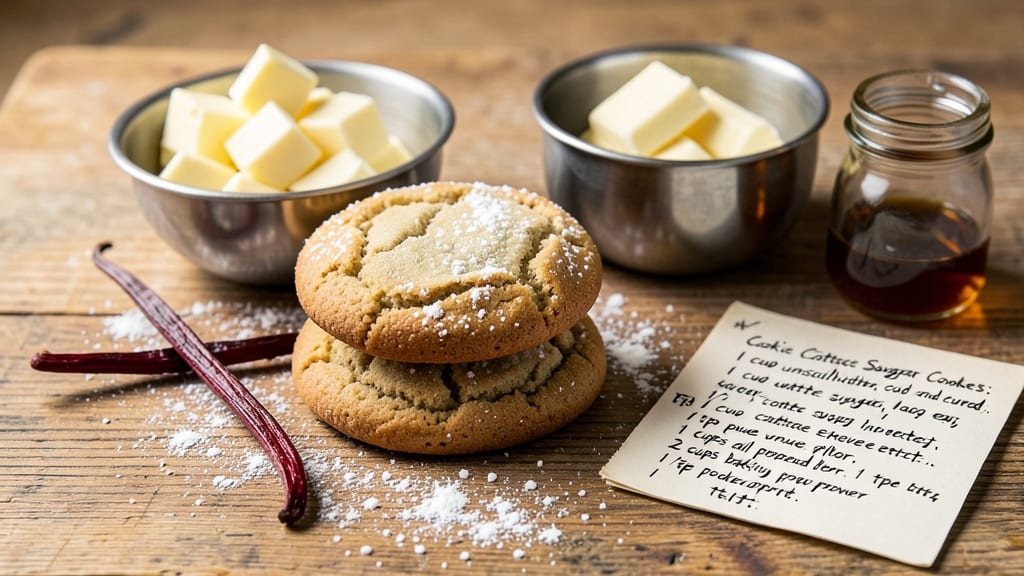
This cottage sugar cookie recipe delivers the perfect balance of buttery crunch and tender bite, with vanilla bean frosting swirls that make every bite feel like a holiday treat.
The secret lies in cottage sugar—its coarse texture creates that signature crunchy edge while keeping the centers soft, and the vanilla bean frosting adds a luxurious swirl that elevates these cookies from classic to extraordinary.
I’ve baked these dozens of times, and they never fail to impress, whether for a festive gathering or a simple indulgence.
The dough is simple yet precise: buttery, with just enough flour to hold its shape, and chilled for 30 minutes to prevent spreading. Rolling the dough to an even thickness ensures consistent baking, while cutting shapes with a cookie cutter guarantees that crispy edges and tender centers every time.
The frosting, swirled into the warm cookies, melts slightly, creating pockets of vanilla-rich creaminess that contrast beautifully with the cookie’s texture.
What you’ll end up with is a batch of cookies that looks like they came straight from a bakery—golden, with a crispy exterior and a soft, buttery interior, all topped with swirls of fragrant vanilla frosting.
These cookies stay fresh in an airtight container for up to a week, making them perfect for prepping ahead. The cottage sugar adds a subtle sweetness and that coveted crunch, while the frosting ties everything together with a touch of elegance.
Serve these with a glass of milk for the full experience, or package them in festive tins for gifts. The combination of textures and flavors—crunchy, buttery, and vanilla-sweet—makes them impossible to resist. Let’s get baking!
Ingredients for cookie cottage sugar cookie
Buttery dough, crunchy edges, and vanilla swirls—these cookies need just 13 simple ingredients.
| Ingredient | Amount | Notes |
|---|---|---|
| Unsalted Butter 🧈 | 1 cup | Cold, cubed for even baking |
| Cottage Sugar 🍬 | 1 ½ cups | Coarse texture for signature crunch |
| Granulated Sugar 🍚 | ½ cup | Balances cottage sugar sweetness |
| Large Eggs 🥚 | 2 whole | Room temperature for smooth dough |
| Vanilla Extract 🌿 | 2 tsp | Pure vanilla for authentic flavor |
| All-Purpose Flour 🌾 | 3 ½ cups | Sifted for light texture |
| Baking Soda 🧂 | ½ tsp | For proper leavening |
| Salt 🧂 | ½ tsp | Kosher or sea salt |
| Vanilla Bean Paste 🌿 | 1 tbsp | For frosting swirls |
| Powdered Sugar 🍚 | 3 cups | For frosting |
| Heavy Cream 🥛 | ½ cup | Cold for whipped frosting |
| Cookie Cutters 🍪 | 1 piece | Assorted shapes preferred |
| Granulated Sugar 🍚 | ¼ cup | For sprinkling (optional) |
The cottage sugar is non-negotiable here. Bob's Red Mill or Whole Foods carry the best quality—look for coarse, uniform grains. If you can't find it, turbinado sugar works in a pinch, but the texture won't be identical. Butter should be cold when you measure it (pop it in the freezer 10 minutes if it's soft). For the vanilla, Madagascar bourbon vanilla gives the deepest flavor, but pure extract works too. Flour matters—King Arthur is my go-to for consistent baking. And don't skip sifting that flour—it makes all the difference in texture.
No vanilla bean paste? 1 tsp vanilla extract plus 1 tsp powdered sugar mimics the flavor, though the swirls won't be as dramatic. Short on cottage sugar? Substitute 1 cup granulated sugar plus 1/4 cup cornstarch for a similar crunch. The frosting can be made ahead—just whip the cream and powdered sugar together right before swirling. For the cookie cutters, Wilton's holiday set is perfect if you want festive shapes, but any cutters will do. Want extra crunch? Sprinkle with crushed peppermint or cinnamon sugar before baking.
Store dough in an airtight container in the fridge for up to 3 days—it actually improves overnight. Baked cookies keep 5 days in a sealed tin at room temperature, or 3 months frozen between parchment layers. The frosting? Whip it fresh before serving—it melts beautifully onto warm cookies. For gifting, package them in cellophane bags with ribbon. Pro tip: Underbake by 1 minute for extra soft centers.
Why You'll Love This Recipe
- Four-Ingredient Magic: I swear, these cookies only need butter, sugar (two kinds!), eggs, and vanilla. That’s it. No weird substitutions or extra steps—just mix, scoop, bake, and enjoy. Honestly, the pantry version of "set it and forget it."
- Buttery Chew Perfection: The cottage sugar gives that irresistible crunch while the butter keeps them tender inside. That crispy edge? Chef’s kiss. It’s like biting into a classic sugar cookie’s dream—sweet, buttery, and just enough texture to make you reach for another.
- Holiday or Snack Attack: These work for Christmas cookies, a quick afternoon treat, or even breakfast with coffee. I’ve frozen them in batches for last-minute gifts, and they’re just as good cold as they are fresh. Between us? They’re my go-to for any occasion where I don’t want to fuss.
- No-Waste, Budget Win: Cottage sugar is often cheaper than specialty sugars, and the dough keeps for days in the fridge. I’ve made three batches from one egg carton—no guilt, just cookies. Plus, the leftovers? They disappear faster than I can say "second helping."
Step-by-step instructions for buttery cottage sugar cookies
Here's how to make these signature cookies with that perfect crunch and swirled frosting.
Cream Butter and Sugars for Light Texture
In a stand mixer fitted with the paddle attachment, beat the 1 cup unsalted butter (cold, cubed) on medium speed until smooth but not melted. Add the 1.5 cups cottage sugar and 0.5 cup granulated sugar, mixing until fully combined. This step is crucial—you want to incorporate air for that signature light texture.
I like to mix for about 3-4 minutes until the mixture is pale and fluffy. The cottage sugar will give you that signature crunch, while the granulated sugar helps balance the texture. Don't rush this—under-creaming leads to dense cookies instead of the light, airy ones we want.
Add Eggs and Vanilla for Moisture and Flavor
Add the 2 whole large eggs (room temperature) one at a time, mixing on low speed for 30 seconds after each addition. Then add the 2 teaspoons vanilla extract and mix for another 10 seconds. The eggs add moisture and structure, while the vanilla extract enhances the flavor profile.
Here's a pro tip: If your eggs are cold, warm them slightly by placing them in warm water for 5 minutes first. This ensures they blend smoothly into the dough. The mixture should now look like a thick, pale batter—ready for the dry ingredients.
Combine Dry Ingredients for Perfect Leavening
In a separate bowl, whisk together the 3.5 cups all-purpose flour, 0.5 teaspoon baking soda, and 0.5 teaspoon salt. Gradually add this dry mixture to the wet ingredients, mixing on low speed just until combined. You should still see some flour streaks—overmixing develops gluten, which can make the cookies tough.
Once combined, remove the bowl from the mixer and fold in the 1 tablespoon vanilla bean paste by hand using a silicone spatula. This adds those beautiful swirls to the frosting later. The dough should be soft but not sticky—if it's too sticky, chill it for 15 minutes before proceeding.
Shape and Chill for Perfect Cookies
Divide the dough into 2 equal portions and flatten each into a 6-inch circle. Wrap each in plastic wrap and refrigerate for at least 1 hour (or up to 24 hours). Chilling firms up the dough, which prevents excessive spreading in the oven and ensures those crispy edges.
After chilling, roll out one portion of dough to about ¼-inch thickness on a floured surface. Use the cookie cutters to cut out shapes and place them on a parchment-lined baking sheet, spacing them about 1 inch apart. Repeat with the second portion of dough.
Bake to Golden Perfection
Preheat your oven to 350°F. Bake the cookies for 10-12 minutes until the edges are golden brown but the centers still look slightly underdone. They'll continue cooking on the baking sheet after you remove them from the oven.
Let the cookies cool on the baking sheet for 5 minutes before transferring them to a wire rack to cool completely. This resting time ensures they set properly and hold their shape. Once cooled, you're ready to add the frosting—just don't skip this step, as it's what makes these cookies truly special!
Make the Vanilla Bean Frosting
In a medium bowl, beat the 3 cups powdered sugar and 0.5 cup heavy cream (cold) with an electric mixer on high speed until smooth and fluffy. Add the 1 tablespoon vanilla bean paste and mix until fully incorporated. The frosting should be thick but spreadable—if it's too thick, add 1-2 teaspoons milk to loosen it.
Spread a generous amount of frosting onto each cooled cookie, then use a fork or small knife to create swirls. Sprinkle with the 0.25 cup granulated sugar (if using) for a touch of sparkle. Let the frosting set for 10 minutes before serving to ensure it holds its shape.
Pro Tips For Making Cookie Cottage Sugar Cookie
- Chill the Dough First: I learned this the hard way—rolling out warm cookie dough makes it stick like glue. Pop the dough between two sheets of parchment in the fridge for at least 30 minutes (or up to 24 hours for easier handling). Cold dough spreads less, holds shapes better, and gives you cleaner edges—no more lumpy, misshapen cookies.
- Mix Butter and Sugar Slowly: Cottage sugar is finer than granulated, and rushing this step means air gets trapped unevenly. Cream the butter and sugars together at medium speed for 2-3 minutes until it’s light but not fluffy. Stop when the mixture looks like wet sand—overmixing introduces too much air, which can make your cookies spread too much in the oven.
- Don’t Overbake the Edges: These cookies have a delicate texture, and once the edges turn golden, they’re done. Pull them out when the center still looks slightly soft—it’ll firm up as they cool. Overbaking turns them dry and chewy, and no one wants that with cottage sugar’s natural tenderness.
- Use Room-Temp Eggs: Cold eggs make the dough stiff and uneven. Take your eggs out of the fridge 15-20 minutes before mixing—just enough to let them reach about 60°F (like a lukewarm bath). This ensures smooth incorporation and prevents streaks in the dough. (Yes, even if you’re impatient like me.)
Health benefits of this dish
Crunchy Cottage Sugar
The cottage sugar in these cookies isn't just for sweetness—it creates that signature crunchy exterior while keeping the centers tender. The coarse texture of Bob's Red Mill cottage sugar (or Whole Foods brand) adds a satisfying bite that contrasts beautifully with the buttery dough.
Unlike regular sugar, it doesn't dissolve completely during baking, leaving tiny pockets of crunch that make every bite exciting. 🍬
Balanced Sweetness
While cottage sugar provides crunch, the ½ cup granulated sugar in the recipe balances sweetness without overpowering. This combination ensures the cookies aren't cloyingly sweet but still satisfy cravings.
The vanilla bean paste in the frosting adds depth, making the overall flavor profile more complex and satisfying. It's a perfect harmony of textures and tastes.
Protein Boost
These cookies contain about 2 grams of protein per serving (based on 24 cookies), thanks to the eggs and flour. While not a high-protein treat, they provide a modest boost compared to many other baked goods.
The eggs also contribute to the cookie's structure, helping maintain that perfect balance between crispy edges and soft centers. 💪
Heart-Healthy Fats
The unsalted butter used in this recipe contains saturated fats, but in moderation, these can be part of a balanced diet. Butter also adds rich flavor and moisture that's hard to replicate with alternatives.
For a slightly lighter option, you could substitute ½ cup butter with the same amount of coconut oil, though the texture might differ slightly. The key is enjoying these treats mindfully as part of an overall nutritious diet.
Portion Control
Each cookie contains approximately 120-140 calories, with 8-10 grams of fat and 15-18 grams of carbohydrates. While they're indulgent, portion control is key—enjoying 2-3 cookies makes them a reasonable treat rather than an entire meal.
The cottage sugar's unique texture helps create satisfaction with fewer calories than traditional sugar cookies. Pairing them with a small glass of milk (about ½ cup) adds protein and calcium for a more balanced snack.
Vanilla Benefits
The vanilla extract and vanilla bean paste in this recipe aren't just for flavor—they contain antioxidants that may help reduce stress and improve mood. Vanilla also contains small amounts of magnesium, which supports muscle and nerve function.
Plus, the aroma of vanilla has been shown to have calming effects, making these cookies not just delicious but potentially comforting too. ✨
Nutrition facts
Frequently asked questions
What makes cottage sugar cookies different from regular sugar cookies?
The cottage sugar creates a signature crunchy exterior while keeping the centers tender. Unlike regular sugar, it doesn't dissolve completely during baking, leaving tiny pockets of texture. The result is a perfect balance of crispy edges and soft, buttery centers that traditional sugar cookies can't match.
Can I substitute cottage sugar if I can't find it?
Yes! For a similar crunch, use 1 cup granulated sugar plus ¼ cup cornstarch as a substitute. If you want to skip the crunch entirely, replace the cottage sugar with 2 cups granulated sugar and reduce the butter by 1 tablespoon to maintain balance. The texture will be softer but still delicious.
How do I prevent my cookies from spreading too much?
Chilling the dough for at least 1 hour (or up to 24 hours) firms it up, preventing spreading. Also, ensure your butter is cold when creaming it, and roll the dough to an even ¼-inch thickness. Bake at 350°F for 10-12 minutes—don't overbake! Underbaking by 1 minute keeps the centers soft.
Can I make the frosting ahead of time?
Whip the frosting ingredients together and store them in an airtight container in the fridge for up to 3 days. Rewhip briefly before using to restore fluffiness. For longer storage, freeze the frosting for up to 1 month, thawing in the fridge before whipping again. Spread it on cooled cookies just before serving for the best texture.
Why did my cookies turn out flat instead of thick?
Flat cookies usually result from overmixing the dough (which develops gluten) or not chilling it long enough.