
Desserts
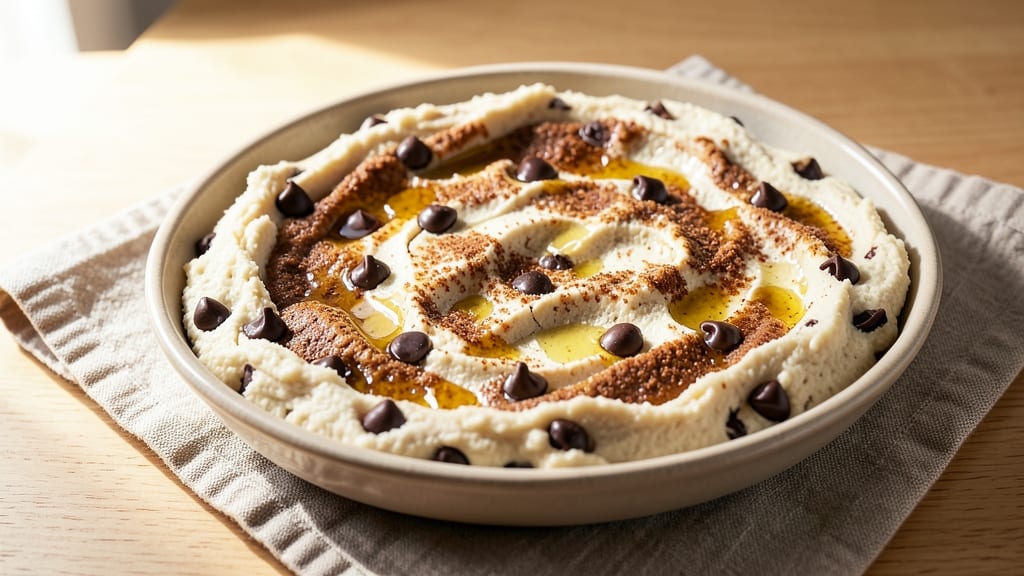
This chocolate chip cookie dough recipe proves you don’t need butter to create rich, creamy dough that’s ready to bake in minutes. ✨ The secret lies in using neutral oil—whether vegetable, coconut, or dairy-free alternatives—to mimic the tender, fudgy texture of classic cookie dough while keeping it perfectly vegetarian.
What sets this recipe apart is how it balances sweetness and richness without butter, delivering that signature cookie dough experience in every bite.
The magic happens with a simple yet precise method: combining oil with sugar and eggs creates a smooth, spreadable dough that chills beautifully. Unlike traditional recipes, this version maintains its creaminess thanks to the fat content from oil, while still achieving that classic cookie dough flavor.
The chocolate chips stay melty and distributed evenly, ensuring every spoonful is packed with sweet, gooey pockets.
What you’ll end up with is a batch of dough that’s ideal for scooping onto a baking sheet, rolling into balls, or even eating straight from the bowl (if you can resist!).
The texture is tender yet sturdy enough to hold its shape when baked, and the flavor is rich, slightly sweet, and packed with chocolatey depth. Perfect for holiday baking, potlucks, or satisfying a cookie craving without waiting for them to cool.
Best of all, this dough keeps well in the refrigerator for up to a week or can be frozen for months, making it a versatile treat for any occasion.
Whether you’re baking a fresh batch of cookies or indulging in a spoonful of dough, this recipe delivers the comfort of classic cookie dough—without the butter.
Ingredients for chocolate chip cookie dough recipe no butter
Rich, creamy dough without butter—just 12 ingredients for perfect cookie bites.
| Ingredient | Amount | Notes |
|---|---|---|
| All-Purpose Flour 🌾 | 2 cups | Sifted for light texture |
| Granulated Sugar 🍚 | 1 cup | White or light brown |
| Packed Brown Sugar 🍯 | ½ cup | Light or dark variety |
| Vegetable Oil 🫒 | ¾ cup | Neutral flavor preferred |
| Large Eggs 🥚 | 2 whole | Room temperature for blending |
| Vanilla Extract 🌸 | 1 tbsp | Pure vanilla preferred |
| Salt 🧂 | ½ tsp | Fine sea salt preferred |
| Baking Soda 🍞 | ½ tsp | Ensures proper rise |
| Chocolate Chips 🍫 | 1 ½ cups | Semi-sweet or milk chocolate |
| Unsweetened Coconut Flakes 🥥 | ½ cup | Optional for texture |
| Vanilla Bean Seeds 🌸 | ½ tsp | Scraped from 1 bean |
| Almond Extract 🌰 | ¼ tsp | Enhances flavor depth |
The oil is the secret here. Vegetable or coconut oil mimics butter’s richness without the dairy. Trader Joe's or Whole Foods carry reliable neutral oils—avoid flavored ones. For chocolate chips, Ghirardelli or Enjoy Life brands melt beautifully. The vanilla extract matters too—pure Madagascar bourbon adds depth that imitation can't. If you're using coconut flakes, toast them lightly first for a nuttier flavor. Eggs should be at room temperature to blend smoothly into the dough.
No vanilla extract? Vanilla bean paste or even almond extract at half the amount works in a pinch. Swap brown sugar for white if needed, but the molasses in brown sugar adds moisture. For a nutty twist, swap half the chocolate chips for chopped walnuts or pecans. If you're avoiding coconut, omit the flakes entirely—the dough will still be rich. The dough thickens as it chills, so don't worry if it feels too soft right after mixing. For extra creaminess, add 1 tbsp of sour cream or Greek yogurt (both dairy options).
This dough keeps beautifully in the fridge for up to 1 week, covered tightly. For longer storage, portion into balls, flatten slightly, then freeze for up to 3 months. Thaw in the fridge overnight before baking. The chocolate chips stay melty when baked straight from the fridge, so no need to bring the dough to room temperature. If you're making ahead for holidays, wrap tightly in plastic wrap and store in an airtight container to prevent drying.
Why You'll Love This Recipe
- No Mixer Needed: I swear by this—just toss the dry ingredients in a bowl, crack in the eggs, swirl the oil and sugars until it looks like wet sand, then fold in the chocolate. My hands are sticky, but the dough comes together faster than scrolling through my phone.
- Brown Sugar Magic: That packed brown sugar? It’s the secret weapon here. The dough stays soft, the edges get just crisp enough when baked (if you go that far), and the flavor? Richer than store-bought, like someone stirred in a hint of caramel without actually doing it.
- Dough for Days: Between us, I make a whole batch and keep it in the fridge for weeks. The oil keeps it from drying out, and I portion it out for quick snacks, ice cream toppings, or sneaking into oatmeal when no one’s looking. (Yes, I’ve been caught.)
- Budget Buster: Flour, sugar, eggs—these are pantry staples that won’t break the bank. No butter means no extra cost or waste, and the oil stretches the dough further than traditional recipes. Plus, I’ve made this with store-brand chocolate chips and no one noticed. (But good ones make it better.)
Step-by-step instructions for oil-based chocolate chip cookie dough
Here's how to create rich, creamy cookie dough without butter—just vegetable oil for perfect texture.
👨🍳 Step 1: Mix Dry Ingredients for Light Texture
In a medium bowl, whisk together the 2 cups all-purpose flour, 0.5 tsp salt, and 0.5 tsp baking soda. I sift the flour first to prevent lumps—this ensures the dough stays light and airy. Set aside the dry mixture while you prepare the wet ingredients. The baking soda helps with rise, while the salt balances sweetness.
In a separate small bowl, combine the 0.5 tsp vanilla bean seeds and 0.25 tsp almond extract with the 1 tbsp vanilla extract. This triple vanilla treatment adds depth of flavor that pure vanilla extract alone can't match. Mix well to distribute the seeds evenly throughout the dough.
🍳 Step 2: Cream Oil and Sugars for Maximum Moisture
In a large mixing bowl, combine the 0.75 cup vegetable oil, 1 cup granulated sugar, and 0.5 cup packed brown sugar. Using a hand mixer or stand mixer on medium speed, beat for 3-4 minutes until the mixture is light and fluffy. The oil should be fully incorporated with no streaks remaining—this is crucial for achieving that classic cookie dough consistency.
Here's the thing—oil-based dough needs this thorough mixing to prevent a greasy texture. You're looking for a pale, slightly thickened mixture that nearly doubles in volume. If it looks too thin, don't worry; the eggs will thicken it up in the next step.
👨🍳 Step 3: Add Eggs and Vanilla Mixture
Add the 2 whole large eggs one at a time, mixing on low speed after each addition until fully incorporated. Then add the vanilla mixture and mix for another 30 seconds until smooth. The dough should now be thick and cohesive, clinging to the sides of the bowl slightly.
I always use room-temperature eggs for this recipe—they blend more smoothly and create a lighter texture. If your eggs are cold, the dough will be denser. After adding the eggs, scrape down the sides of the bowl with a spatula to ensure everything is evenly combined.
🥘 Step 4: Fold in Dry Ingredients and Mixins
Gradually add the dry ingredient mixture to the wet ingredients, mixing on low speed just until combined—about 30-45 seconds. You should still see some flour streaks, but the dough should come together. Overmixing develops gluten, which makes cookies tough, but we want that classic cookie dough texture.
Remove the bowl from the mixer and gently fold in the 1.5 cups chocolate chips and 0.5 cup unsweetened coconut flakes using a silicone spatula. I distribute the mix-ins evenly throughout the dough, making sure the chocolate chips are spread throughout rather than clustered. The coconut flakes add a nice textural contrast that complements the chewy cookie dough.
⏰ Step 5: Chill for Perfect Texture and Flavor Development
Cover the bowl with plastic wrap and refrigerate for at least 1 hour, but I prefer 2 hours if possible. Chilling the dough is non-negotiable—it allows the flavors to meld together and prevents the cookies from spreading too much when baked. The oil needs time to firm up slightly for that perfect cookie dough consistency.
Here's a pro tip: If you're short on time, you can chill the dough in the freezer for 30 minutes instead. Just be sure to let it sit at room temperature for 10 minutes before scooping to make it easier to handle. The dough should be cool to the touch but still pliable when you're ready to use it.
Pro Tips For Making Chocolate Chip Cookie Dough Recipe No Butter
- Mix Dry Ingredients First: Mix the flour, sugar, and brown sugar together in your bowl before adding anything wet. I learned this the hard way—adding oil and eggs to dry flour creates a gummy mess that’s impossible to scrape off later. A quick pulse in the food processor or vigorous whisking ensures everything blends evenly without clumping.
- Use Room-Temp Eggs: Cold eggs make the dough stiff and dense. Let your eggs sit out for 30 minutes before mixing, especially in cooler kitchens. I used to crack them straight from the fridge, and the dough always turned out flat and heavy—warm eggs incorporate better and give you that classic chewy texture.
- Don’t Overmix After Adding Oil: Once you pour in the vegetable oil, stop mixing as soon as the dough comes together. Overworking it develops gluten, which turns your cookie dough into a tough, cakey disaster. I used to think more mixing meant better texture—wrong. Just fold until the flour disappears, then chill immediately.
- Chill the Dough Longer: Skip the urge to bake right away—wrap the dough in plastic and refrigerate for at least 4 hours (overnight is better). This lets the flavors meld and prevents the cookies from spreading too much. I used to bake straight from mixing, and the results were always greasy and uneven. Patience here makes all the difference.
Regional styles of this recipe
Classic East Coast
In New England, this no-butter dough gets a cozy twist with 1 tsp cinnamon and ½ tsp nutmeg folded into the dry ingredients. The subtle warmth pairs beautifully with the chocolate chips, creating a dough that feels like a hug.
I like to add ¼ cup chopped pecans for extra crunch, inspired by old-school Cape Cod cookie stands. Serve with a glass of warm milk for the full nostalgic experience. 🥛
Southern Comfort Style
Down South, they bulk up the dough with ½ cup crushed graham crackers mixed into the wet ingredients before adding the dry mix. This adds a buttery, crumbly texture without actual butter—perfect for those who miss the classic taste.
Add ½ tsp smoked paprika for depth, and top with white chocolate chips for a sweet-and-smoky contrast. This version is especially popular in Georgia, where it’s often served with sweet tea. 🍯
West Coast Fusion
On the West Coast, they take this dough to the next level with 1 tbsp tahini mixed into the oil-sugar base for a nutty richness. Add ½ cup dried cranberries and ¼ cup chopped almonds> for a cranberry-orange twist inspired by holiday cookie dough.
This variation is a hit in Northern California, where it’s often baked into thumbprint cookies with a white chocolate center. 🍊
Midwest Homestyle
The Midwest keeps it simple but hearty, adding ½ cup old-fashioned oats> to the dough for a chewy texture. A pinch of cardamom>** (about ⅛ tsp) gives it a Scandinavian-inspired warmth that balances the sweetness.
This version is a staple at Iowa fairs, where it’s often baked into giant cookies or eaten straight from the bowl. The oats add a satisfying bite that pairs perfectly with the melty chocolate. 🌾
Pacific Northwest Twist
Out West, they embrace local flavors with ½ cup chopped dried apricots> and 1 tsp orange zest> mixed into the dough. The apricots add chewiness while the orange zest brightens the chocolate flavor.
This variation is inspired by Seattle’s love of fruit-and-nut combinations, and it’s often served with a dollop of vanilla bean ice cream>**. The tartness cuts through the sweetness beautifully. 🍊
Dessert Bar Staple
For a fun, interactive version, transform this dough into a dessert bar by pressing it into a 9x9-inch pan> and baking for 12-15 minutes>**. Once cooled, top with melted white chocolate, crushed pretzels, and sprinkles for a customizable treat.
This is a crowd-pleaser at parties, especially in Florida, where it’s a popular make-your-own dessert option. The oil-based dough holds up perfectly to the toppings without getting greasy. 🎉
Nutrition facts
Frequently asked questions
Can I use coconut oil instead of vegetable oil in this recipe?
Yes, but there's a trick! Use solid coconut oil (not melted) for a texture closer to butter. Measure it while still firm, then mix it with the sugars until creamy. The flavor will have a subtle coconut note, which pairs beautifully with chocolate. For a neutral taste, use refined coconut oil or blend it with a little vegetable oil.
Why does my dough taste greasy when using oil? Greasy dough usually means the oil wasn't properly incorporated.
Can I make this dough egg-free?
Replace the 2 eggs with a flax egg (mix 2 tbsp ground flaxseed + 6 tbsp water) or ½ cup unsweetened applesauce. For best texture, let the flax egg thicken for 5 minutes before mixing. The dough will be slightly denser but still delicious. The oil helps maintain moisture even without eggs.
How do I prevent the chocolate chips from sinking to the bottom?
Fold the chocolate chips in gently at the end using a silicone spatula, distributing them evenly. For extra insurance, chill the dough 30 minutes longer before baking—the colder dough helps chips stay suspended. If baking immediately, use parchment paper on your tray to prevent sticking, which can cause chips to sink during baking.
What's the best way to store leftover dough?
For short-term storage, wrap tightly in plastic wrap and refrigerate for up to 1 week. For longer storage, portion into balls, flatten slightly, then freeze for 3 months. Thaw in the fridge overnight. Pro tip: Place a paper towel between dough layers in the container to prevent sticking. The oil keeps it moist even when frozen!