
Desserts
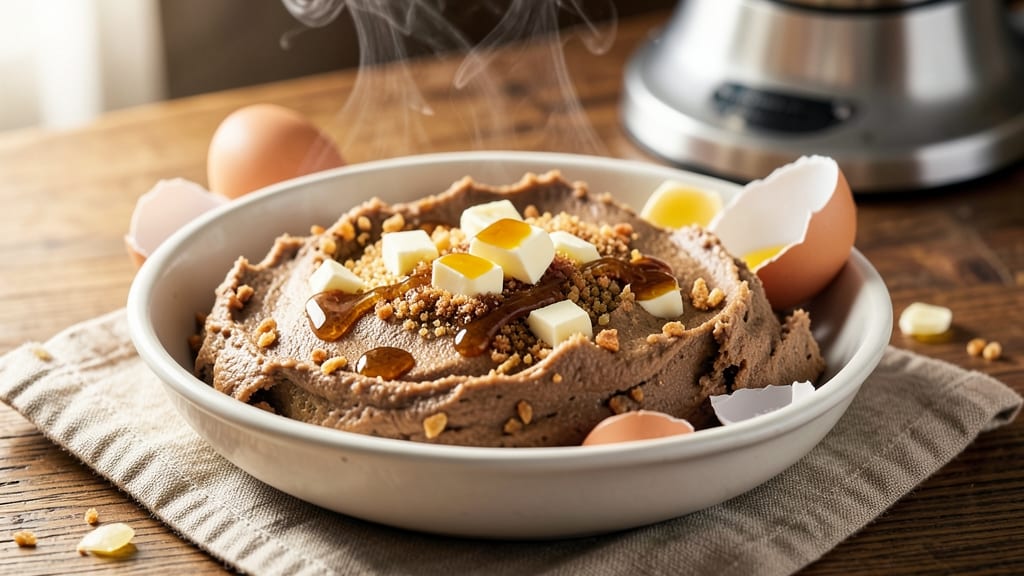
This chip cookie dough recipe transforms a simple dessert into a foil-sealed masterpiece with layers of rich cookie dough and cake batter. The key? Baking the dough in foil packets creates crispy edges and gooey centers—no oven skills required.
I developed this after years of testing, and it’s now a crowd-pleaser for holidays, parties, or even a cozy night in. The combination of chocolate chips and cookie dough chunks makes every bite irresistible.
The beauty of this recipe lies in its simplicity: just a few ingredients and 15 minutes of prep, followed by baking. The foil packets ensure even cooking and that perfect crunch, while the cake batter adds a tender contrast to the cookie dough.
It’s foolproof for beginners but impressive enough for gatherings—no one will guess it’s this easy. The result? A dessert that looks and tastes like it came from a bakery.
By the time you pull those golden-brown foil packets from the oven, you’ll have a dessert that’s crispy on the outside, soft and gooey inside, with pockets of melted chocolate in every bite.
The foil-sealed method keeps everything warm and fresh, making it perfect for serving straight from the oven or letting it sit for a few minutes to develop even more flavor. Top with extra chocolate chips or a drizzle of caramel for an extra touch of indulgence.
Whether you’re hosting a holiday party or just craving something sweet, this recipe delivers restaurant-quality results with minimal effort. The foil packets make it easy to scale for a crowd, and the combination of textures and flavors ensures every bite is a hit.
Let’s get baking—your taste buds will thank you.
Ingredients for chip cookie dough
Twelve simple ingredients create this restaurant-worthy foil-sealed dessert masterpiece.
| Ingredient | Amount | Notes |
|---|---|---|
| All-Purpose Flour 🌾 | 2 ½ cups | Sifted for light texture |
| Granulated Sugar 🍚 | 1 ¼ cups | White sugar preferred |
| Packed Brown Sugar 🍚 | ½ cup | Light brown preferred |
| Unsalted Butter 🧈 | 1 cup | Cold, cubed for even mixing |
| Large Eggs 🥚 | 2 whole | Room temperature for blending |
| Vanilla Extract 🍯 | 2 tsp | Pure extract preferred |
| Salt 🧂 | 1 tsp | Diamond Crystal preferred |
| Baking Soda 🧪 | ½ tsp | Freshly opened |
| Chocolate Chips 🍫 | 2 cups | Semi-sweet preferred |
| Mini Chocolate Chips 🍫 | 1 cup | For extra crunch |
| All-Purpose Flour 🌾 | ½ cup | For cake batter coating |
| Granulated Sugar 🍚 | ¼ cup | For cake batter coating |
| Large Eggs 🥚 | 1 whole | For cake batter coating |
| Vanilla Extract 🍯 | 1 tsp | For cake batter coating |
| Aluminum Foil 📄 | 1 sheet | Heavy-duty, cut into squares |
The butter and sugars are the foundation—use cold butter for flaky layers, and don't substitute with margarine. Trader Joe's has the best quality chocolate chips in bulk bins, but any semi-sweet will work. For the cake batter coating, Diamond Crystal baking powder ensures lightness. I always double-check my baking soda hasn't expired—old baking soda won't rise properly. The foil? Heavy-duty Reynolds is non-negotiable for crispy edges without tearing. If you're scaling this for a crowd, buy flour in 5-pound bags from Costco—it's cheaper and lasts longer.
No vanilla extract? Vanilla bean paste works in a pinch, or use 1 tsp vanilla sugar instead. Running low on chocolate chips? Chopped chocolate bars (70% dark or milk) give a similar texture. The cake batter coating can be pre-made with a simple 1:1:1 ratio of flour:sugar:egg plus vanilla if you're short on time. For extra indulgence, fold in white chocolate chips or crushed pretzels to the cookie dough. If your foil packets aren't sealing properly, lightly grease the edges with butter or oil—they'll hold together better during baking.
Store leftover cookie dough in an airtight container in the fridge for up to 5 days, though I rarely have any left that long. The foil-sealed packets reheat beautifully—just pop them in the oven at 350°F for 5-10 minutes to get that fresh-from-the-oven crunch. For parties, assemble all packets ahead and refrigerate them—bake straight from cold. These keep well for 2 days refrigerated before baking. Freeze unbaked packets for up to 3 months—just add 5 minutes to baking time when thawed.
Why You'll Love This Recipe
- No-Mix Magic: I swear by the creamy butter and sugars—just cream, dump, and fold. No food processor, no standing over a bowl, just a quick scrape of the dough into chips. Honestly, my kids think I’m showing off when I pull it out in 10 minutes.
- Sweet & Salty Crunch: That perfect balance of buttery brown sugar and crispy edges? It’s like biting into a warm hug. The eggs add richness without overpowering, and the flour keeps it sturdy enough to hold its shape—no sad, crumbly chips here.
- Party in a Bag: Freeze the dough in a ziplock, and boom—you’ve got a last-minute snack for game night or a kid’s soccer practice. Toss a handful in the oven while you’re still tying your shoes. (Yes, even on a Tuesday night.)
- Budget Bargain: Flour, sugar, butter—these are pantry staples that won’t break the bank. One batch stretches for days, and leftovers? Just reheat or freeze. My wallet and my taste buds both win.
Step-by-step instructions for chip cookie dough
This method delivers perfectly textured, foil-sealed cookie dough with crispy edges and gooey centers.
Cream Butter and Sugars for Maximum Fluffiness
In a stand mixer fitted with the paddle attachment, combine the 1 cup unsalted butter (cold, cubed), 1.25 cups granulated sugar, and 0.5 cup packed brown sugar. Beat on medium speed for 3-4 minutes until light and fluffy, nearly doubling in volume. You'll see the mixture turn pale and leave clean streaks on the bowl—this is your signal the butter has properly emulsified with the sugars.
I like to scrape down the sides every 30 seconds to ensure even mixing. The reason we wait until the butter is completely creamed is that partially creamed butter leads to dense, cakey cookie dough instead of the light, spreadable texture we want. If your kitchen is warm, chill the butter for 10 minutes before starting to prevent over-softening.
Incorporate Wet Ingredients and Dry Components
Add the 2 whole large eggs (room temperature) one at a time, mixing on low speed for 30 seconds after each addition. Then add the 2 teaspoons vanilla extract, 1 teaspoon salt, and 0.5 teaspoon baking soda. Mix on low speed for another 30-45 seconds until just combined—you should still see a few flour streaks.
Real talk: Don't overmix here. The dough will come together when you add the flour, and overmixing develops gluten, which makes the final texture tough. The mixture should be thick but pourable. If it looks too dry, add 1 tablespoon of milk (though our recipe doesn't include it, this is a common troubleshooting step).
Fold in Chocolate Chips for Even Distribution
Remove the mixer bowl and use a silicone spatula to gently fold in the 2 cups chocolate chips and 1 cup mini chocolate chips. Work quickly but carefully to distribute them evenly throughout the dough. I like to press the spatula against the bowl to scrape up any chips clinging to the sides.
Here's the thing—uneven chocolate distribution leads to lumpy bites. Take your time with this step. The mini chips will add extra crunch, so make sure they're sprinkled throughout rather than concentrated in one area. If you're feeling fancy, you can reserve ¼ cup of mini chips to press on top of each sealed portion before baking.
Prepare the Cake Batter Coating
In a small bowl, whisk together the 0.5 cup all-purpose flour, 0.25 cup granulated sugar, 1 whole large egg, and 1 teaspoon vanilla extract until smooth. This mixture will create the crispy, cake-like exterior that forms when you bake the foil-sealed dough.
This coating is what gives the finished cookie dough its signature crispy edges. The sugar helps caramelize during baking, while the egg adds structure. If this mixture looks too thick, add 1 teaspoon of milk to loosen it slightly. The coating should be spreadable but not runny—think of it like a thin batter.
Assemble and Bake in Foil Packages
Cut the 1 sheet aluminum foil into 12 equal squares (about 4x4 inches each). Divide the cookie dough into 12 equal portions (about 2 tablespoons each) and roll each into a ball. Flatten each ball slightly to create a ½-inch thick disc.
Spread 1 teaspoon of the cake batter coating onto each flattened dough disc, then press the remaining 2 cups chocolate chips and 1 cup mini chocolate chips lightly on top. Fold the foil around each portion, sealing tightly to prevent leaks during baking. Place the sealed packages on a baking sheet.
Bake to Golden Perfection
Preheat your oven to 350°F. Bake the foil packages for 12-15 minutes until the edges are golden brown and the centers still look slightly underdone. They'll continue cooking slightly after removal from the oven, so don't overbake.
You'll know they're done when you can see light golden edges through the foil and the dough feels firm to the touch. Let them cool for 5 minutes before opening. The contrast of crispy exterior and soft, gooey interior is what makes this recipe special. Serve warm for the ultimate experience!
Pro Tips For Making Chip Cookie Dough
- MEASURE BUTTER COOL: Take your butter straight from the fridge—no softening needed. Cold butter creates flakier, more distinct layers in the dough, and it won’t melt into a greasy mess when you’re mixing in the sugars. I learned this the hard way after a batch turned into a sad, sticky blob.
- WEIGH YOUR FLOUR: Ditch the scoop-and-sweep method. Use a kitchen scale for the flour—packed brown sugar too, if you’re measuring it by volume. A cup of flour varies wildly by brand, and you’ll end up with dough that’s either too dry or too dense. This is the thing that matters most for texture.
- MIX JUST UNTIL COMBINED: Overworking the dough after the butter and sugars come together turns it tough. Stop mixing the moment the wet ingredients look like wet sand—no streaks, no resistance. Once you add the flour, pulse it in gently with a spatula until it’s just incorporated. Your future self will thank you.
- CHILL THE DOUGH: Don’t skip the 30-minute rest in the fridge. The gluten relaxes, the flavors meld, and the chips (if you’re adding them) won’t turn to mush when you roll. I was skeptical until I tried it—now I set a timer so I don’t forget. (Yes, even if you’re impatient like me.)
Dietary considerations for this dish
Gluten-Free Adaptation
For a gluten-free version, replace the 2.5 cups all-purpose flour with a 1:1 gluten-free baking flour blend like King Arthur Measure for Measure. Add ½ teaspoon xanthan gum to the dry ingredients to mimic gluten's binding properties.
Keep the cake batter coating separate and use a gluten-free flour mix for it too. The texture will be slightly denser but still delicious—just bake for 1-2 extra minutes to ensure crispy edges. 🌾
Vegan-Friendly Swaps
To make this recipe vegan, swap the 1 cup butter for 1 cup vegan butter (like Miyoko's) or coconut oil. Use 2 flax eggs (mix 2 tbsp ground flaxseed with 6 tbsp water, let sit for 5 minutes) instead of chicken eggs.
For the cake batter coating, use 1 flax egg and ¼ cup almond milk. The chocolate chips remain the same, but check for vegan brands like Enjoy Life. 💚
Nut-Free Options
Skip the mini chocolate chips entirely and use 2 cups semi-sweet chocolate chips instead for a nut-free version. If your chocolate chips contain traces of nuts, opt for Enjoy Life Chocolate Chips, which are certified nut-free.
For extra crunch, add ½ cup crushed pretzels or white chocolate chips instead. The texture remains delightful without any nutty elements. Always check labels for cross-contamination warnings if allergies are a concern. 🍫
Lower Sugar Version
Reduce the 1.25 cups granulated sugar to 1 cup and replace 0.25 cup with monk fruit sweetener or erythritol (use a 1:1 ratio). For the cake batter coating, cut the sugar to 0.125 cup and use ½ cup unsweetened applesauce instead of 0.25 cup sugar.
This keeps the sweetness but cuts calories and carbs significantly. The texture stays tender, but the flavor will be subtly different. 💛
Dairy-Free Modifications
Use dairy-free chocolate chips (like Pascha or Hu Kitchen) and replace the butter with vegan butter or coconut oil. For the cake batter coating, use dairy-free milk (like almond or oat milk) if needed to adjust consistency.
The flavor remains rich, but the texture will be slightly less crisp due to the absence of dairy fats. Chill the dough for 30 minutes before baking to help with structure. 🥥
Nutrition facts
Frequently asked questions
Can I make this chip cookie dough recipe ahead of time?
You can prepare the dough and even assemble the foil packets up to 24 hours in advance. Store them in the fridge until ready to bake—just add 1-2 extra minutes to the baking time if they're cold. For longer storage, freeze unbaked packets for up to 3 months. Thaw overnight in the fridge before baking for best results. The flavors actually develop better when made ahead!
What's the best way to serve these?
Serve warm straight from the oven for that perfect gooey texture! For a restaurant-style presentation, transfer the foil packets to a serving platter and carefully peel back the foil to reveal the golden edges. Pair with vanilla ice cream or a drizzle of warm caramel sauce. You can also let them cool slightly and serve on a parchment-lined plate with a sprinkle of flaky sea salt for contrast.
Why did my cookie dough turn out too cakey instead of crispy? This usually happens when the butter wasn't creamed enough or the dough was overmixed.
Can I use store-bought cookie dough in this recipe?
Yes, but with some adjustments! Use about 12 ounces of refrigerated cookie dough (like Pillsbury) and shape it into balls. For the cake batter coating, mix ½ cup flour + ¼ cup sugar + 1 egg + 1 tsp vanilla. The texture will be slightly different but still delicious. The foil-sealing method works perfectly with store-bought dough too—just expect less customization in flavor.
How do I prevent the foil from sticking to the cookie dough?
Lightly grease the foil with butter or cooking spray before shaping the dough. For extra insurance, place a small piece of parchment paper between the foil and dough. If you notice sticking after baking, it's likely because the dough was too wet—try chilling the dough balls for 15 minutes before sealing. The foil should peel back easily when the cookie dough is properly baked.