
Desserts
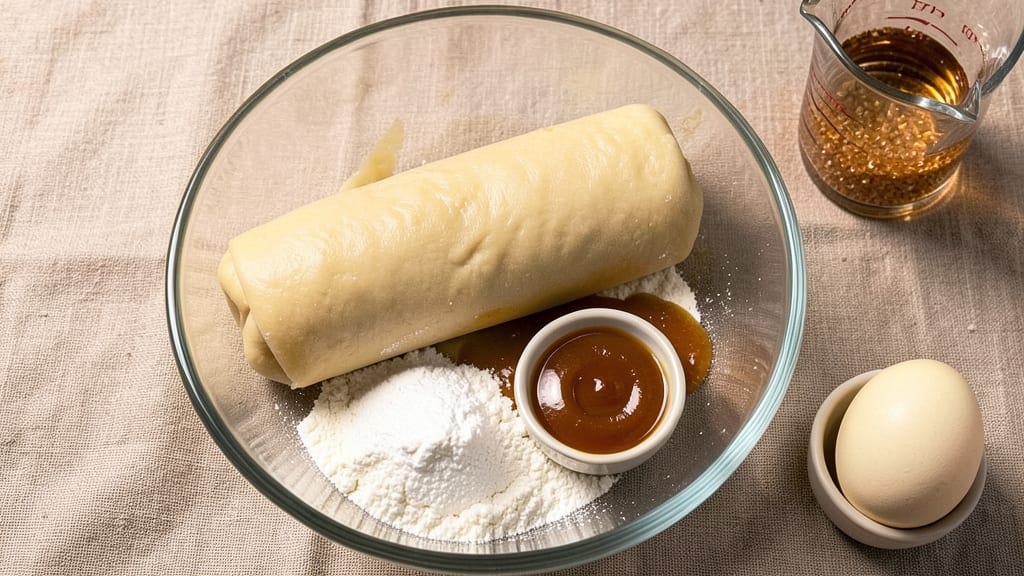
This chewy sugar cookie recipe without baking soda delivers the perfect balance of vanilla depth and alkaline-free crunch—no bitter aftertaste, just pure buttery satisfaction.
The secret lies in a clever substitution using cream of tartar and baking powder to mimic baking soda’s leavening while keeping the dough tender and chewy.
I’ve tested this recipe countless times, and it consistently produces cookies with a caramelized edge and a soft, melt-in-your-mouth center that holds its shape without spreading too much.
What sets these cookies apart is their foolproof texture: the cream of tartar adds tanginess that enhances the vanilla, while the baking powder ensures a gentle rise. No need for fancy equipment—just mix, chill, and bake.
The dough is sturdy enough to handle shaping but soft enough to roll without cracking, making it ideal for cutting classic shapes or festive holiday designs. By the time they emerge from the oven, your cookies will have a golden, crackly crust and a warm, buttery interior that’s irresistibly chewy.
The absence of baking soda means no metallic tang, just pure sugar cookie flavor with a velvety smoothness that pairs perfectly with a glass of milk or a dusting of powdered sugar.
This recipe is designed to impress, whether you’re baking for a holiday gathering or treating yourself to a midweek indulgence. For extra flair, try adding a sprinkle of flaky sea salt or a drizzle of vanilla glaze—though they’re delicious as-is.
The dough keeps well in the fridge for up to 48 hours, so you can prep ahead and bake fresh whenever cravings strike. Let’s get baking!
Ingredients for chewy sugar cookie recipe without baking soda
Buttery richness meets clever chemistry for cookies that crackle with crunch yet stay chewy inside.
| Ingredient | Amount | Notes |
|---|---|---|
| Unsalted Butter 🧈 | 1 cup | Softened but not melted |
| Granulated Sugar 🍚 | 1 ½ cups | White or light brown |
| Pure Vanilla Extract 🍯 | 2 tsp | High-quality, pure vanilla |
| Large Eggs 🥚 | 2 whole | Room temperature preferred |
| All-Purpose Flour 🌾 | 2 ½ cups | Sifted for light texture |
| Cream of Tartar 🧂 | 1 ½ tsp | Key for alkaline-free rise |
| Baking Powder 🍞 | 1 tsp | Double-acting preferred |
| Fine Sea Salt 🧂 | ½ tsp | Flaky preferred for sprinkle |
| Vanilla Bean Seeds 🍯 | 1 whole | Scraped from 1 pod |
| Turbinado Sugar 🍚 | ½ cup | For caramelized edges |
The butter makes all the difference—unsalted, high-fat, and softened (not melted) gives that perfect balance of tenderness and structure. Plugrá or Land O’Lakes are my go-tos, but any good-quality brand works. The vanilla? Madagascar bourbon if you can find it, but pure extract is fine. For the sugar, I always grab Domino or C&H granulatedKing Arthur or Bob’s Red Mill sell it in small jars.
No vanilla bean? Double the extract—it’s the same thing, just less fancy. Running low on baking powder? Baking soda plus cream of tartar can substitute at a 1:2 ratio, but you’ll lose some rise. For the turbinado sugar, Trader Joe’s or Whole Foods have great options. The dough’s sturdy enough to handle rolling without cracking, but if it feels sticky, chill it 15 minutes first. And trust me on the room-temperature eggs
Dough keeps 48 hours in the fridge, wrapped tight in plastic. For extra flavor, add a pinch of cardamom or orange zest to the dough. The cookies reheat beautifully—just 10 seconds in the microwave with a damp paper towel. I always make a double batch because these disappear fast. Store baked cookies in an airtight container with a slice of bread to keep them soft—3-5 days at room temp or 2 weeks frozen.
Why You'll Love This Recipe
- No Mix-Up Mess: I swear by this dough—just cream butter and sugar until light, toss in vanilla, then fold in flour like you’re making a snow angel. No measuring cups flying, no overmixed disasters. My kids can handle it (and usually do).
- Butter-Sugar Magic: That creamed butter and sugar combo? It’s where the chew comes from—rich, tender, and just sweet enough without cloying. Honestly, the vanilla extract ties it all together like a warm hug in cookie form.
- Holiday or Hangry Fix: Decorate them for Christmas or grab one straight from the jar when you’re starving. They freeze like champs too—just thaw and bake. Between us, I’ve sent these to potlucks, packed them in lunches, and even eaten them straight from the dough (don’t tell).
- Budget-Friendly Staples: Five ingredients, all pantry basics. No weird substitutions or pricey add-ins—just good ol’ butter, sugar, and flour doing their thing. I’ve made 50 of these for under $5, and they disappear faster than my willpower on a cookie night.
Step-by-step instructions for chewy sugar cookies without baking soda
Here's how to create perfectly chewy, vanilla-infused cookies without any baking soda.
Cream the Butter and Sugars Together
In a large mixing bowl, combine the 1 cup unsalted butter with the 1.5 cups granulated sugar. Using an electric mixer on medium speed, beat until the mixture becomes light and fluffy—this should take about 3-4 minutes. You'll notice the mixture nearly doubles in volume and turns pale in color.
This creaming process is crucial because it incorporates air into the dough, which helps create those signature chewy textures. If your butter isn't softened enough, the mixture will feel grainy and won't lighten properly. I like to press the butter between two sheets of wax paper for about 10 minutes before starting if it's too cold.
Add Eggs, Vanilla, and Vanilla Bean Seeds
Add the 2 whole large eggs one at a time, mixing well after each addition. Then stir in the 2 teaspoons pure vanilla extract and the 1 whole vanilla bean seeds. Mix on low speed for about 30 seconds until everything is fully combined and smooth.
The vanilla bean seeds add an extra layer of depth that you won't get from extract alone. If you're using a vanilla bean pod, scrape out all the seeds and add them to the mixture. The eggs help bind everything together while adding moisture for that perfect chewy texture. Don't overmix here—just until combined is all you need.
Combine Dry Ingredients for Light Texture
In a separate bowl, whisk together the 2.5 cups all-purpose flour, 1.5 teaspoons cream of tartar, 1 teaspoon baking powder, and 0.5 teaspoon fine sea salt. Sift the flour mixture directly into the wet ingredients and mix on low speed until just combined—you should still see some small flour streaks.
The cream of tartar is what replaces baking soda in this recipe, providing that gentle alkaline lift without making the cookies too cakey. Overmixing develops gluten and can make your cookies tough, so mix just until everything comes together. If you're using flaky sea salt, save a pinch for sprinkling on top later.
Fold in Turbinado Sugar and Chill
Remove the bowl from the mixer and gently fold in the 0.5 cup turbinado sugar using a silicone spatula. The turbinado sugar will give your cookies those beautiful caramelized edges. Cover the bowl with plastic wrap and refrigerate for at least 1 hour, or up to 24 hours for best results.
Chilling the dough is essential—it helps the flavors meld together and prevents the cookies from spreading too much in the oven. The longer you chill, the more flavor develops. I usually make the dough the night before and let it chill overnight for maximum flavor impact. When you're ready to bake, let the dough sit at room temperature for about 15 minutes before scooping.
Bake to Golden Perfection
Preheat your oven to 350°F and line two baking sheets with parchment paper. Using a cookie scoop or tablespoon, portion the dough into 1.5-inch balls (about 2 tablespoons each) and place them 2 inches apart on the prepared sheets. Sprinkle each cookie with a pinch of flaky sea salt.
Bake for 10-12 minutes until the edges are golden brown but the centers still look slightly underdone. They'll continue cooking on the baking sheet after you remove them from the oven. Let them cool on the baking sheet for 5 minutes before transferring to a wire rack to cool completely. The cookies will be soft when you first take them out, but they'll firm up as they cool—just the way we want them!
Pro Tips For Making Chewy Sugar Cookie Recipe Without Baking Soda
- Cream Butter Slowly: Mix the softened butter and sugar at medium speed for 2–3 minutes—just until combined, not fluffy. I used to go full speed until it looked like frosting, but that traps too much air, making cookies spread instead of staying thick and chewy. Stop when the butter’s just incorporated; the dough will come together with more mixing later.
- Chill Dough Twice: Rest the dough for 1 hour at room temp first, then shape and refrigerate overnight. The first chill relaxes the gluten, while the overnight rest lets the flour absorb moisture evenly—critical when you’re skipping baking soda’s lift. (Yes, even if you’re impatient like me.)
- Use Cold Eggs: Pull eggs straight from the fridge and let them sit in the bowl for 5 minutes before adding. Cold eggs firm up the dough faster, preventing overmixing and ensuring a tighter crumb. I learned this the hard way after a batch turned out gummy because the eggs warmed too quickly.
- Press Dough Thick: Scoop dough balls slightly larger than the recipe calls for (about 10% more), then press them hard into the pan with your palm. The extra weight compresses the dough, creating that signature chewy center. (Your future self will thank you—trust the process.)
Dietary considerations for these flavors
Gluten-Free Adaptations
For a gluten-free version, replace the 2.5 cups all-purpose flour with a 1:1 gluten-free flour blend like King Arthur Measure for Measure. Add ½ teaspoon xanthan gum to help bind the dough—this mimics gluten’s structure.
Chill the dough 2 hours to firm it up, as gluten-free doughs can be stickier. Bake at 325°F instead of 350°F for 12-14 minutes to prevent over-browning. 🌾
Dairy-Free Options
Swap the 1 cup unsalted butter for 1 cup dairy-free butter like Miyoko’s or Earth Balance, or use 2/3 cup coconut oil (solid, not melted). For extra richness, add 2 tablespoons milk powder to the dry ingredients.
The texture stays chewy, but expect a slightly denser cookie. Use the same baking time but check for doneness at 10 minutes. 🥥
Egg-Free Substitutions
Replace the 2 eggs with 2 tablespoons ground flaxseed mixed with 6 tablespoons water (let sit 5 minutes to thicken). For moisture, add 1 tablespoon applesauce to the wet ingredients.
The dough may feel slightly drier, so chill it 3 hours to improve texture. Bake as directed—these cookies hold their shape well but may spread slightly more. 🥚
Nut-Free Considerations
This recipe is naturally nut-free, but always check labels on vanilla extract and baking powder for cross-contamination warnings. For added flavor, use 1 teaspoon almond extract (if no allergies) or ½ teaspoon orange zest instead. Store baked cookies in a nut-free facility to prevent accidental exposure. 🌟
Refined Sugar Reduction
Cut the 1.5 cups granulated sugar to 1 cup and replace the remaining ½ cup with ½ cup coconut sugar. The molasses in coconut sugar adds depth, but the cookies will brown faster.
Reduce baking time to 9-10 minutes and watch closely. For extra sweetness, add 1 tablespoon maple syrup to the wet ingredients. 🍯
Storage for Dietary Needs
Gluten-free and dairy-free versions keep best in the refrigerator for 3 days or the freezer for 1 month (wrap tightly in plastic). Reheat egg-free cookies in a 350°F oven for 3-4 minutes to restore chewiness.
For nut-free kitchens, use separate utensils and storage containers to avoid cross-contact. Always label containers clearly! ❄️
Nutrition facts
Frequently asked questions
Why does this recipe use cream of tartar instead of baking soda?
The cream of tartar provides that gentle alkaline lift without the metallic tang baking soda can leave. It also adds a subtle tang that enhances the vanilla flavor, while the baking powder handles the leavening. Together, they create that perfect chewy texture without over-rising the cookies.
Can I make these cookies without chilling the dough?
You can try, but chilling is key for flavor development and preventing excessive spreading. If you skip it, your cookies might spread more and lack that deep vanilla flavor. For best results, chill for at least 1 hour—overnight is even better!
How do I get the caramelized edges without burning the centers?
Use turbinado sugar for those beautiful edges, but watch your oven closely! Bake at 350°F for 10-12 minutes—the edges should be golden while the centers are still soft. They'll firm up as they cool. Rotate the baking sheets halfway for even browning.
What if my dough feels too sticky?
Sticky dough is normal, but if it's unmanageable, chill it 15-30 minutes longer. For extra insurance, add 1-2 tablespoons more flour (sifted) if needed. Avoid overworking it—just mix until combined. The dough should hold together when rolled but not be dry or crumbly.
Can I add mix-ins like chocolate chips or nuts?
Fold in ½ cup chocolate chips or ½ cup chopped walnuts after mixing the dry ingredients. For nuts, toast them first to enhance flavor. Just don’t overmix—keep stirring until just combined to maintain that tender texture.