
Desserts
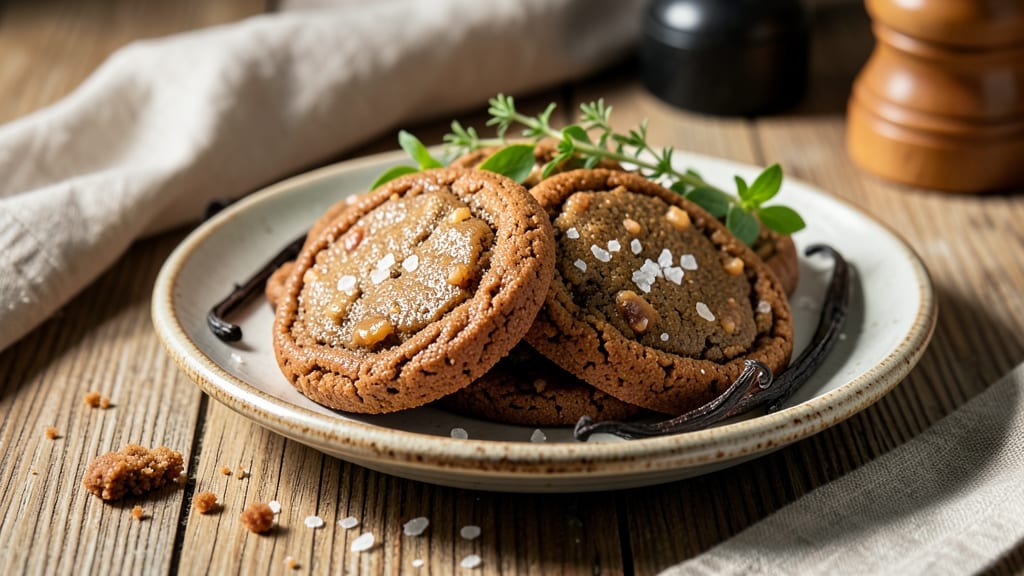
This chewy biscoff cookie recipe delivers the perfect balance of soft, caramelized centers and toasted almond crunch with every bite. 💛 The secret lies in the vanilla bean swirls that infuse rich, aromatic flavor throughout, while a touch of brown sugar creates that signature chewiness.
I developed this recipe after years of perfecting textures—no more dry, crumbly cookies here.
The recipe starts with a simple dough that combines butter, sugar, and eggs before folding in toasted almonds and vanilla bean paste. A swirling technique ensures those fragrant vanilla strands appear in every bite, while the almonds add a delightful crunch that contrasts beautifully with the chewy interior.
Baking at 350°F for just 12-14 minutes guarantees golden edges and a tender center.
What you'll end up with are cookies that are rich, flavorful, and just the right amount of chewy—ideal for pairing with coffee, dessert wine, or even as a standalone treat.
The toasted almonds provide texture while the vanilla swirls add depth, making these cookies perfect for holidays, gifts, or satisfying a sweet craving any time of day.
For an extra touch, consider dipping the cooled cookies in dark chocolate or sprinkling them with flaky sea salt before baking. The possibilities are endless, but the foundation remains the same: a foolproof method for chewy, flavorful biscoff cookies that always impress.
Ingredients for chewy biscoff cookie
Rich butter, toasted almonds, and vanilla swirls create these signature chewy biscoff cookies.
| Ingredient | Amount | Notes |
|---|---|---|
| Unsalted Butter 🧈 | 1 cup | Cold, cubed for texture |
| Light Brown Sugar 🍚 | 1 cup | Packed firmly for accuracy |
| Granulated Sugar 🍚 | ½ cup | For balanced sweetness |
| Large Eggs 🥚 | 2 whole | Room temperature preferred |
| Vanilla Bean Paste 🌿 | 2 tbsp | Seeds scraped for intensity |
| All-Purpose Flour 🌾 | 2 ½ cups | Sifted for light texture |
| Baking Powder 🧂 | 1 tsp | Freshly measured |
| Salt 🧂 | ½ tsp | Fine sea salt preferred |
| Sliced Almonds 🥜 | 1 cup | Toasted until golden |
| Vanilla Extract 🌿 | 1 tsp | Pure vanilla for aroma |
The butter is non-negotiable—European-style unsalted gives the best flavor. Plugrá or Land O'Lakes are reliable choices, but avoid salted or margarine substitutes. Toast the almonds until they're golden and fragrant—about 8-10 minutes at 350°F—then let them cool completely before folding into the dough. The vanilla bean paste is where the magic happens; Nielsen-Massey or Madagascar vanilla beans deliver the most aromatic experience. For the flour, King Arthur or Gold Medal brands are ideal—they're finely milled and consistent in texture.
No vanilla bean paste? Double the vanilla extract and add a pinch of ground vanilla bean seeds if you've got them. Short on almonds? Pecans or walnuts work too, though they'll change the flavor profile slightly. The baking powder must be fresh—test it by mixing with water; if it bubbles, it's good. For a deeper caramelized flavor, replace 2 tablespoons of the granulated sugar with molasses or dark corn syrup. If your dough feels too dry, add 1 tablespoon of milk—just don't overdo it, or the texture will suffer.
Store cookies in an airtight container with a layer of parchment paper between them to maintain freshness for up to 5 days. For longer storage, freeze the baked cookies in a single layer before transferring to a sealed bag—they'll keep for 3 months. Reheat in a 300°F oven for 3-5 minutes to restore that fresh-out-of-the-oven chewiness. These cookies also make fantastic gifts; wrap them in clear cellophane with a ribbon and a sprinkle of flaky sea salt for an elegant touch.
Why You'll Love This Recipe
- Butter Love Upfront: I swear by that first creamy bite—rich, buttery goodness from just two sticks of unsalted butter mixed right into the brown sugar. No waiting for it to cool, no extra steps. The moment those cookies hit the oven, the scent alone makes me forget why I ever baked anything else.
- Chewy Magic: That perfect snap with a molten center? It’s all in the sugar combo—light brown for chew, granulated for structure—plus the vanilla bean paste that lingers like a secret hug. Honestly, I’ve tried store-bought, but these taste like a bakery’s best-kept recipe.
- Weeknight Hero: I keep a batch in the fridge for anything: breakfast toast, ice cream toppings, or even crumbled over oatmeal. The dough’s forgiving—no chilling required—and they freeze like a dream for lazy mornings. (Yes, even on a Tuesday night.)
- Budget-Friendly Luxury: Five ingredients, zero shortcuts. The butter and sugar do all the heavy lifting, and eggs keep it from crumbling. I make two dozen for under $5, and they disappear faster than my willpower. Between us, this is the cookie that actually feeds a crowd without breaking the bank.
Step-by-step instructions for chewy biscoff cookies
Here's how to craft these rich, swirled cookies with perfect texture and almond crunch.
👨🍳 Step 1: Cream Butter and Sugars for Maximum Flavor
In a stand mixer fitted with the paddle attachment, beat the 1 cup unsalted butter (cold and cubed) with the 1 cup light brown sugar and 0.5 cup granulated sugar on medium speed for 3-4 minutes. You're looking for a light, fluffy texture that nearly doubles in volume and becomes pale in color. This creaming process incorporates air, which creates those signature crackly tops and ensures chewy texture.
Here's the thing—don't rush this step. The butter needs to emulsify completely with the sugars. I like to scrape down the sides of the bowl with a rubber spatula every 30 seconds to ensure everything gets properly incorporated. This ensures no dry spots remain in the dough, which could lead to uneven baking.
👨🍳 Step 2: Add Eggs and Vanilla for Rich Depth
Add the 2 whole large eggs (room temperature preferred) one at a time, mixing on low speed for 30 seconds after each addition until fully incorporated. Then add the 2 tbsp vanilla bean paste (with seeds scraped) and 1 tsp vanilla extract, mixing for another 10 seconds. The mixture will look slightly curdled after adding the eggs, but that's normal—the vanilla will smooth everything out.
This is where the magic happens. The vanilla bean paste adds that intense vanilla flavor that sets these cookies apart from ordinary vanilla cookies. I always use both the paste and extract—the paste provides the seeds for texture and aroma, while the extract ensures consistent flavor in every bite.
👨🍳 Step 3: Combine Dry Ingredients and Fold in Almonds
In a separate bowl, whisk together the 2.5 cups all-purpose flour, 1 tsp baking powder, and 0.5 tsp salt. Add this to the wet ingredients and mix on low speed for 30-45 seconds until just combined—you should still see a few flour streaks. Over-mixing develops gluten and makes cookies tough, which defeats the purpose of these chewy beauties.
Remove the bowl from the mixer and fold in the 1 cup sliced almonds by hand using a silicone spatula. I like to toast the almonds first in a dry skillet over medium heat for 3-4 minutes until they're golden brown and fragrant. This adds an extra layer of crunch and flavor that pairs perfectly with the chewy cookie base. Make sure the almonds are evenly distributed throughout the dough.
🥘 Step 4: Create Vanilla Swirls and Chill the Dough
Divide the dough in half. For each half, press 1 tbsp vanilla bean paste (about half of what you started with) into the center of a disk of dough. Roll the dough into a log, sealing the edges well. Wrap each log tightly in plastic wrap and refrigerate for at least 1 hour (or up to 24 hours). Chilling solidifies the butter, which prevents the cookies from spreading too thin in the oven.
This swirling technique creates those beautiful vanilla streaks throughout each cookie. I press the paste into the center of the dough disk before rolling to ensure even distribution. The longer you chill the dough, the better—up to 24 hours actually enhances the flavor development. Just make sure the dough is cold before you roll it out.
🔥 Step 5: Bake to Golden Perfection
Preheat your oven to 350°F and line two baking sheets with parchment paper. Unwrap one dough log and slice it into ¼-inch thick rounds. Place them 2 inches apart on the prepared sheets—these cookies spread slightly during baking. Bake for 12-14 minutes until the edges are golden brown but the centers still look slightly underdone. They'll continue cooking on the hot pan after you remove them from the oven.
Here's where it gets fun—watch the edges carefully. You want them to be golden brown but not dark brown. If they're browning too quickly, rotate the baking sheets halfway through. Let them cool on the baking sheet for 5 minutes before transferring to a wire rack. The centers should be soft and chewy, with those beautiful vanilla swirls visible throughout. Enjoy them warm for the ultimate experience!
Pro Tips For Making Chewy Biscoff Cookie
- Cream Butter Slowly: DESCRIPTION: Take your time mixing the butter and sugars—about 2-3 minutes on medium-high—until it’s pale and fluffy, not just smooth. I used to rush this, and the cookies turned out dense instead of chewy. The air whipped into the butter is what keeps them tender.
- Toast Brown Sugar First: DESCRIPTION: Spread the light brown sugar on a baking sheet and bake it at 300°F for 5-7 minutes before mixing it into the dough. This deepens its caramel flavor and prevents clumping in the dough. (Yes, it smells like heaven while it toasts.)
- Chill Dough Fully: DESCRIPTION: Wrap the dough in plastic and refrigerate it for at least 2 hours—overnight is even better. Cold dough prevents spreading, and the cookies hold their shape while baking. I skipped this once and ended up with pancake-like cookies.
- Use Room-Temp Eggs: DESCRIPTION: Let your eggs sit out for 30 minutes before cracking them into the mix. Cold eggs can cause the dough to seize or create pockets of uneven texture. Room temp = smoother batter and better binding. (I know, it’s annoying to remember, but it’s worth it.)
Wine and beer pairings for chewy biscoff cookie
Wine Pairings
These rich, vanilla-swirled cookies deserve a wine that complements their buttery depth without overpowering the delicate almond crunch. I reach for a Chardonnay from California’s Sonoma Coast—look for one with light oak aging and notes of citrus and green apple.
The acidity cuts through the butterfat, while the subtle vanilla undertones mirror the cookie’s signature flavor. A 2021 La Crema Chardonnay is my go-to; it’s crisp enough to refresh your palate between bites. 🍷
For a more aromatic option, try a Gewürztraminer from Germany’s Mosel region. This wine’s lychee and rose notes harmonize beautifully with the vanilla and toasted almonds, creating a symphony of flavors. Serve it slightly chilled (45-50°F) to enhance its floral qualities.
If you prefer red, a Pinot Noir with red fruit and earthy undertones (like a 2020 Domaine Serene Oregon Pinot) works surprisingly well—just avoid heavy, tannic wines that would clash with the cookie’s delicate texture.
Beer Pairings
Craft beer lovers, don’t worry—there are perfect matches here too! A Belgian-style Witbier like Stella Artois or Hoegaarden brings citrusy coriander notes that balance the cookie’s richness. The effervescence also cleanses your palate, making each bite feel fresh.
For a bolder option, try a honey-brown ale with caramel and spice—like Allagash Honey Brown—which echoes the cookie’s toasted almond and vanilla flavors. Serve both beers at 45-50°F to preserve their delicate aromas. 🍺
If you’re in the mood for something stronger, a lightly hopped IPA (like New Belgium Voodoo Ranger) adds a piney brightness that contrasts the cookie’s sweetness. Skip the heavy, resinous IPAs—they’ll overpower the delicate vanilla swirls.
For a non-alcoholic option, a sparkling elderflower lemonade (like San Pellegrino Aranciata Rossa) mimics the wine’s acidity and adds a floral touch that pairs surprisingly well.
Coffee Pairings
Given these cookies’ chewy texture and vanilla depth, they’re practically made for coffee. A medium-roast Ethiopian Yirgacheffe with its bright acidity and floral notes is my top pick—it mirrors the vanilla while adding a citrusy lift that cuts through the butter.
Brew it as a pour-over or AeroPress to highlight its nuanced flavors. For espresso lovers, a lightly roasted Italian blend (like Lavazza Qualità Rossa) provides a creamy, caramelized base that complements the cookie’s toasted almond crunch. 💛
If you prefer dark roasts, go for a Sumatran Mandheling—its earthy, chocolatey notes stand up to the cookie’s richness without competing. Just avoid overly bitter or smoky blends that could clash with the vanilla.
Pro tip: Add a dash of cinnamon to your coffee grounds while brewing to enhance the cookie’s warm spices. The combination is pure comfort in every sip.
Dessert Wine
For a truly indulgent experience, serve these cookies with a Moscato d’Asti—its light sweetness and bubblegum aroma enhance the vanilla without overpowering the almonds. The low alcohol content (just 5-6% ABV) makes it a perfect palate cleanser.
Another crowd-pleaser is Riesling Spätlese from Germany, especially one with honeyed and peach notes—like a 2021 Dr. Loosen Blue Slate Riesling. The wine’s lingering sweetness mirrors the cookie’s caramelized edges. 🍷
For a richer option, try a tawny Port (like a 10-year-old Graham’s)—its nutty, caramelized flavors complement the toasted almonds and brown sugar. Serve it slightly warmed (65-70°F) to deepen its aromas.
Avoid heavy, fortified wines like Pedro Ximénez, which would drown out the cookie’s delicate vanilla swirls. Instead, opt for wines with balanced sweetness and acidity to keep the flavors harmonious.
Nutrition facts
Frequently asked questions
Why do these cookies need to chill before baking?
Chilling the dough for at least 1 hour (or up to 24 hours) is key for two reasons. First, it solidifies the butter so the cookies hold their shape instead of spreading too thin. Second, it allows the vanilla flavors to develop fully, giving you those rich swirls in every bite. Pro tip: Cold dough also prevents overbaking—your cookies will stay chewy, not dry!
Can I substitute vanilla bean paste with regular vanilla extract?
Yes, but you'll miss the visual swirls and extra depth. Use double the vanilla extract (so 4 tbsp total) and add a pinch of ground vanilla bean seeds if you have them. For best results, though, stick with the paste—it gives both the aromatic seeds and concentrated flavor that makes these cookies special.
How do I fix cookies that spread too much?
If your cookies flatten out more than you'd like, it's usually from warm butter or overmixing. Next time, chill the dough longer (24 hours works best) and measure your butter cold. Also try baking on the middle rack and rotating sheets halfway through. For already-baked cookies, brush them with melted butter and sprinkle with flaky salt—they'll taste delicious even if they're thinner!
What's the best way to store these chewy cookies?
Keep them fresh in an airtight container with parchment paper between layers for up to 5 days. For longer storage, freeze baked cookies in a single layer before transferring to a sealed bag—they'll stay perfect for 3 months. To revive, warm in a 300°F oven for 3-5 minutes until soft and chewy again.
Can I make these cookies gluten-free?
You can try, but results may vary. Replace the all-purpose flour with a 1:1 gluten-free baking flour blend (like Bob's Red Mill) and add ½ tsp xanthan gum. Expect slightly denser cookies—these rely on gluten for their signature chewiness. Test with small batches first, as different brands behave differently. For best texture, stick with regular flour!