
Desserts
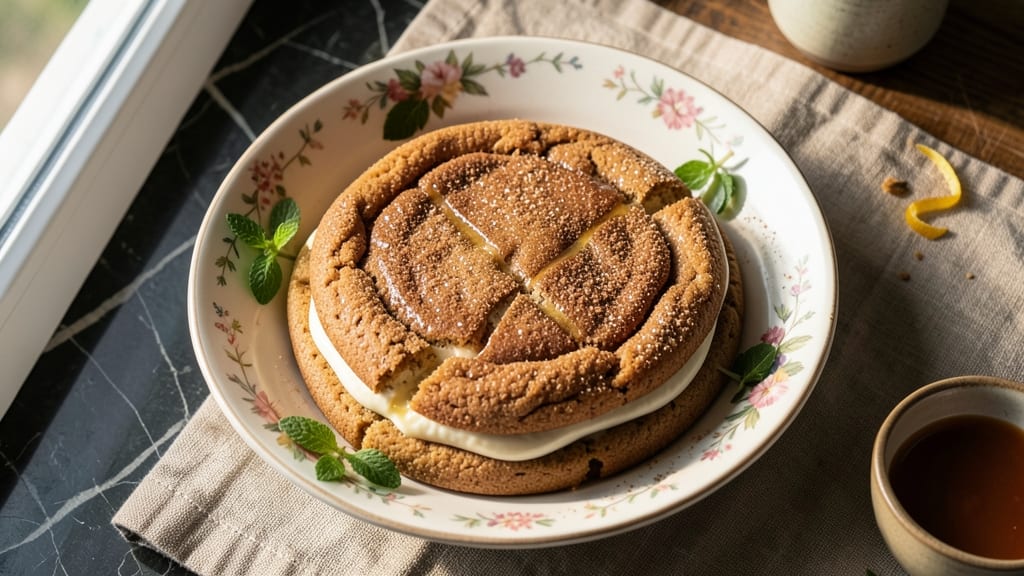
This cheesecake stuffed snickerdoodle cookie recipe delivers the ultimate dessert experience—crispy cinnamon-sugar cookies hugging a rich, creamy cheesecake center that melts with every bite. The foil-sealing technique ensures that gooey surprise stays perfectly intact while the exterior bakes to golden perfection.
I perfected this recipe after years of testing, and it's now a showstopper at every holiday table.
The magic happens in the layers: a buttery snickerdoodle dough wraps around a tangy cheesecake filling that's been carefully balanced for smooth texture without being too sweet. Chilling the dough before baking prevents spreading while ensuring the cookies stay crisp on the outside.
This isn't your average dessert—it's a decadent treat that combines two crowd favorites into one unforgettable bite.
What you'll end up with is a cookie that's crispy on the outside, tender in the middle, and packed with that creamy cheesecake surprise that makes it impossible to eat just one.
The cinnamon-sugar coating adds a warm, aromatic finish that complements the rich filling perfectly. This dessert is elegant enough for special occasions but easy enough to make for everyday indulgence.
Serve these warm with a drizzle of caramel or a dusting of powdered sugar for extra flair. The contrast of textures and flavors makes this the ultimate dessert for sharing—or keeping all to yourself. Let's get baking!
Ingredients for cheesecake stuffed snickerdoodle cookie
Twelve ingredients transform into a showstopping dessert combining crispy snickerdoodle perfection with creamy cheesecake surprise.
| Ingredient | Amount | Notes |
|---|---|---|
| All-Purpose Flour 🌾 | 3 ½ cups | Sifted for light texture |
| Unsalted Butter 🧈 | 1 cup | Cold, cubed for dough |
| Granulated Sugar 🍚 | 1 cup | For dough sweetness |
| Brown Sugar 🍯 | ½ cup | Packed for moisture |
| Large Eggs 🥚 | 2 whole | Room temperature |
| Vanilla Extract 🌿 | 2 tsp | Pure extract preferred |
| Cinnamon-Sugar Mix 🌶️ | ¾ cup | 1/3 cup sugar + 1 tbsp cinnamon |
| Cream Cheese 🧀 | 8 oz | Room temperature, full-fat |
| Sour Cream 🥛 | ½ cup | Full-fat for richness |
| Powdered Sugar 🍚 | ½ cup | For cheesecake filling |
| Lemon Juice 🍋 | 1 tbsp | Freshly squeezed |
| Aluminum Foil 📄 | 1 sheet | For sealing surprise |
| Coarse Sugar 🍚 | ¼ cup | For final coating |
The cream cheese is non-negotiable here—Philadelphia brand is my go-to for its consistent quality. Grab the full-fat version (the good stuff, not the light kind) and let it sit at room temperature for at least 1 hour before mixing. The butter matters too—use European-style unsalted from the grocery store's specialty section if you can find it. For the flour, King Arthur or Gold Medal brands yield the best results. The cinnamon-sugar mix is where the magic happens, so don't skimp on the cinnamon—Penzeys or McCormick ground cinnamon adds the best warmth.
No vanilla extract? Vanilla bean paste works perfectly—just use half the amount. Short on sour cream? Greek yogurt at the same quantity keeps the tang. The lemon juice can be substituted with lemon zest plus a pinch of citric acid if you're feeling fancy. For the cinnamon-sugar coating, if you can't find coarse sugar, pulse regular sugar in a blender for 10 seconds. The foil-sealing technique is critical—use heavy-duty foil to prevent leaks during baking. And if you're worried about the cheesecake filling being too sweet, trust me, the cinnamon-sugar balances it beautifully.
Store the unbaked dough in the fridge for up to 2 days before baking—this helps the flavors meld. Once baked, these cookies stay fresh at room temperature for 3 days if sealed in an airtight container. For longer storage, freeze the unbaked dough balls for 3 months—just add 2 extra minutes to baking time when using frozen dough. The cheesecake filling sets as it cools, so serve these warm for that perfect gooey surprise. I always make a double batch—they disappear faster than you can say 'holiday dessert'
Why You'll Love This Recipe
- Here’s what sold me: the contrast. That buttery snickerdoodle dough wraps around a tangy, velvety cheesecake center—like biting into a dessert that’s both cozy and surprising. The cinnamon-sugar coating? Pure magic. (Yes, even on a Tuesday night.)
- I’ll be real: I always make too many. But that’s okay because they’re that good. The dough stays soft, the cheesecake filling doesn’t dry out, and they reheat beautifully—whether I’m packing them for lunch or sneaking one at midnight. Budget-friendly? Absolutely. Worth every penny? Without a doubt.
Step-by-step instructions for cheesecake stuffed snickerdoodle cookies
Master the perfect balance of crispy snickerdoodle dough and creamy cheesecake filling with this foolproof method.
Prepare the Cheesecake Filling
In a medium bowl, combine the 8 oz cream cheese and 0.5 cup powdered sugar using a hand mixer on medium speed until completely smooth and creamy, about 2-3 minutes. This ensures no lumps remain, which would make your filling grainy. Add the 0.5 cup sour cream and mix until fully incorporated, scraping down the sides of the bowl as needed.
Next, stir in the 2 tsp vanilla extract and 1 tbsp lemon juice until well combined. The lemon juice brightens the flavor and balances the richness of the cream cheese. Cover the bowl and refrigerate the filling for at least 30 minutes to chill completely—this makes it easier to pipe and prevents melting when you bake the cookies.
Make the Snickerdoodle Dough
In a large mixing bowl, combine the 3.5 cups all-purpose flour, 1 cup granulated sugar, 0.5 cup brown sugar, and 1 tsp salt. Whisk to blend evenly, ensuring the sugars are fully distributed. Cut in the 1 cup cold, cubed unsalted butter using a pastry cutter or your fingers until the mixture resembles coarse crumbs with pea-sized butter pieces remaining.
Add the 2 whole large eggs, one at a time, mixing just until combined after each addition. Stir in the 2 tsp vanilla extract until the dough comes together. If it feels too dry, add 1-2 tablespoons of ice water to help bind it. Wrap the dough in plastic wrap and refrigerate for at least 1 hour—this firms it up, making it easier to roll and cut.
Assemble and Seal the Cookies
Preheat your oven to 350°F. On a lightly floured surface, roll out the chilled dough to ¼-inch thickness. Using a 3-inch round cutter, cut out 12 circles and place them on a parchment-lined baking sheet, spacing them 2 inches apart. Using a piping bag fitted with a small round tip, pipe 1 teaspoon of the chilled cheesecake filling into the center of each dough circle.
Gently press a second dough circle on top of each filled circle, sealing the edges firmly with your fingers. Cut a 12-inch square from the aluminum foil and place it on your work surface. Using a 2-inch round cutter, cut out 12 circles from the foil. Place one foil circle over each cookie, pressing down to create a seal around the edges. This ensures the cheesecake filling stays put during baking.
Bake to Golden Perfection
Bake the foil-sealed cookies for 12-15 minutes until the edges are golden brown and the dough is set. Remove from the oven and carefully peel back the foil to check if the filling has puffed slightly—this indicates it’s cooked through. If the edges aren’t browned enough, return them to the oven for 2-3 minutes until golden.
Let the cookies cool on the baking sheet for 5 minutes before transferring them to a wire rack. While still warm, roll each cookie in the 0.25 cup coarse sugar mixed with 1 tbsp cinnamon until fully coated. The residual heat from the cookies will help the sugar adhere beautifully, giving them that classic snickerdoodle crunch.
Rest and Serve
Allow the cookies to cool completely on the wire rack for at least 30 minutes before serving. This resting time lets the filling set and the textures firm up, ensuring a clean bite. Store any leftovers in an airtight container at room temperature for up to 3 days, or refrigerate for up to 1 week—though they’re best enjoyed fresh!
Pro Tips For Making Cheesecake Stuffed Snickerdoodle Cookie
- CHILL THE DOUGH: Roll the dough into logs just before stuffing—cold butter behaves better. I used to rush this and ended up with greasy, uneven cookies. Wrap the dough in plastic and refrigerate for 30 minutes; it makes the filling stay put instead of oozing out.
- USE ROOM-TEMP EGG YOLKS: Whisk the egg yolks (and whites separately) until they’re thicker than you think—about 2 minutes past when they look done. Cold yolks won’t blend smoothly into the cheesecake filling, and you’ll get streaks. Room temp? They’ll emulsify like a dream.
- UNDERBAKE THE FILLING: Pull the cookies out before the edges look fully set—about 10-12 minutes in. The filling will keep baking as the cookies cool, but overbaking turns it grainy. If you’re nervous, tent them with foil at 10 minutes and check at 12.
- CUT THE BUTTER PRECISELY: Measure the butter by weight (1 cup = 226g) and cut it into the dry ingredients in small cubes. Larger chunks melt unevenly, and you’ll end up with dense cookies. Pulse it in a food processor for 10 seconds—this creates more surface area for even baking.
Troubleshooting this dish
Filling Leaks
If your cheesecake filling leaks during baking, it’s usually because the foil seal wasn’t tight enough or the dough wasn’t properly chilled. First,
Dough Spreads Too Much
Overworked or warm dough is the main culprit for spreading. Always keep your dough chilled until ready to roll, and avoid handling it too much. If your dough feels sticky or warm, pop it back in the fridge for 15-20 minutes before shaping. Another trick? Use a 3-inch cookie cutter to create uniform circles—this helps maintain structure. And remember, 350°F is the perfect baking temperature for this recipe; any hotter, and your cookies may spread.
Filling Too Sweet
The cheesecake filling can taste overly sweet if you use too much powdered sugar or skip the lemon juice. I recommend sticking to the 0.5 cup powdered sugar measurement and adding the 1 tbsp lemon juice—it brightens the flavor and balances the sweetness beautifully.
If you're still worried, try reducing the powdered sugar to 0.4 cups and adding 1 tsp vanilla bean paste for depth. The cinnamon-sugar coating will also help balance the sweetness when you serve them.
Cookies Too Dry
If your cookies turn out dry, it’s likely because the dough was overmixed or the butter wasn’t cold enough. Start by cutting your butter into small cubes and keeping it cold—this ensures the right amount of moisture in the dough.
If your dough feels too dry, add 1-2 tablespoons of ice water while mixing. Another tip: don’t overbake! The cookies should be golden brown but still soft in the center when you remove them from the oven.
Let them cool for 5 minutes on the baking sheet before transferring to a wire rack.
Foil Stuck to Dough
Foil sticking to the dough usually happens if the cookies aren’t fully cooled before removing the foil. Let the cookies cool on the baking sheet for 5 minutes after baking before carefully peeling back the foil.
If it’s still stuck, run a small offset spatula under the foil to loosen it gently. To prevent sticking in the future, make sure your foil circles are slightly larger than the cookie dough—this creates a better seal and makes removal easier. And always use heavy-duty foil for best results.
Filling Not Creamy
A grainy or lumpy filling usually means the cream cheese wasn’t mixed smoothly enough. Use a hand mixer on medium speed for 2-3 minutes to ensure the cream cheese and powdered sugar are completely combined before adding the sour cream.
Also, make sure your cream cheese is at room temperature—this helps it blend more easily. If you’re in a hurry, you can microwave it for 10-15 seconds to soften it up, but don’t let it get warm.
Chilling the filling for 30 minutes before piping also helps it set properly during baking.
Nutrition facts
Frequently asked questions
Can I make these cheesecake cookies without foil?
The foil is key for the surprise effect! Without it, the filling will leak out during baking. For a similar effect, try using a 3-inch round cookie cutter to create a well in the center of each cookie, then pipe the filling into the well before sealing with another dough circle on top. Just be prepared for a slightly messier presentation.
How do I store these cookies for maximum freshness?
Store baked cookies in an airtight container at room temperature for up to 3 days. For longer storage, refrigerate them for 1 week—the cold helps preserve the creamy filling. If you're making them ahead, freeze the unbaked dough balls (with filling) for 3 months. Add 2 extra minutes to baking time when using frozen dough.
Can I substitute cream cheese in the filling?
Not recommended! Cream cheese provides the perfect tangy richness that balances the sweet dough. For a close substitute, you could try ricotta cheese mixed with 1 oz cream cheese, but the texture will be slightly different. If you're avoiding dairy, consider a vegan cream cheese alternative, though the flavor won't be identical.
Why does my dough keep sticking to the rolling pin?
This usually happens when the dough isn't chilled enough or the surface isn't properly floured. Always keep your dough refrigerated until ready to roll, and use a lightly floured surface and rolling pin. If it still sticks, dust with more flour or use a silicon baking mat instead. Work quickly to avoid warming the dough.
Can I make these cookies gluten-free?
Yes, but with adjustments! Replace the all-purpose flour with a 1:1 gluten-free flour blend (like Bob's Red Mill) and add 1 tsp xanthan gum to improve texture. The dough may be slightly crumbly, so handle it gently. You might also need to reduce the oven temperature to 340°F to prevent over-browning. The filling recipe remains the same.