
Desserts
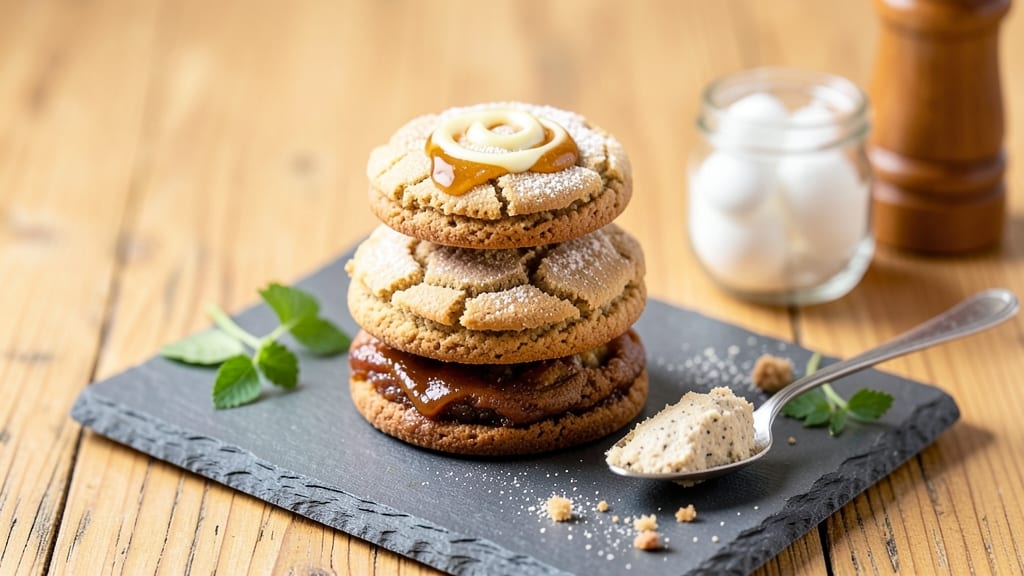
This casein protein cookie recipe delivers the perfect balance of dense, fudgy texture and high protein content—ideal for fitness-focused bakers. 💛 The secret lies in slow-baking at low temperatures, which transforms casein protein into a rich, moist cookie that resists crumbling.
Unlike traditional cookies, these hold their shape while staying tender, making them perfect for meal prep or a guilt-free treat.
Casein protein stands out here because it digests slowly, providing sustained energy without the blood sugar spikes of regular flour. You'll need just 5 key ingredients, including casein protein powder and almond flour for structure, creating a cookie that's both nutritious and indulgent.
The slow-baking process (350°F for 12-15 minutes) ensures even cooking and that signature fudgy center.
What sets these apart is their ability to stay fresh for days without drying out, thanks to the casein's moisture-retaining properties. Each batch yields about 12 cookies, packed with 10-12g of protein per serving, making them a smart choice for post-workout recovery or a high-protein snack.
The flavor? Rich, buttery, and just sweet enough to satisfy cravings without overpowering.
Perfect for meal preppers, fitness enthusiasts, or anyone craving a cookie that doesn’t compromise on nutrition. Let’s get baking—these cookies are a game-changer for protein lovers who refuse to skip dessert.
Ingredients for casein protein cookie
Five game-changing ingredients transform into protein-packed cookies that taste indulgent but fuel your goals.
| Ingredient | Amount | Notes |
|---|---|---|
| Casein Protein Powder 🥛 | 1 cup | Unflavored, high-quality brand |
| Almond Flour 🌰 | 1 ½ cups | Finely ground for texture |
| Unsalted Butter 🧈 | ½ cup | Cold, cubed for mixing |
| Pure Maple Syrup 🍯 | ¼ cup | For natural sweetness |
| Vanilla Extract 🌿 | 1 tbsp | Pure, high-quality extract |
| Large Egg Whites 🥚 | 4 whole | Room temperature for blending |
| Diamond Crystal Kosher Salt 🧂 | ½ tsp | Fine grain for even distribution |
| Dark Chocolate Chips 🍫 | ½ cup | 70% cocoa or higher |
Casein protein is the MVP here—Optimum Nutrition or Dymatize are my go-tos, but any unflavored, high-quality brand works. Almond flour needs to be finely ground (blend your own if using pre-ground)—this prevents gritty texture. Butter should be cold and cubed when mixing to avoid over-creaming. For the chocolate chips, Ghirardelli or Lindt 70% cocoa delivers that rich, melty bite. Egg whites? Room temperature is key—they blend smoother and create better structure.
No casein protein? Substitute with 1 cup of vital wheat gluten for a similar dense texture, though protein content drops. Almond flour allergies? Oat flour or coconut flour work, but add an extra 2 tbsp of vital wheat gluten to bind. Butter substitute? Coconut oil in equal amounts, but expect slightly different flavor. Vanilla extract can be swapped for vanilla bean paste if you're feeling fancy. Chocolate chips optional, but dark cocoa powder at 1 tbsp adds deep flavor without extra sugar. And if you're watching calories, sugar-free maple syrup works in a pinch.
These cookies stay fresh for 5-7 days in an airtight container at room temperature—perfect for meal prep. For longer storage, freeze dough balls for up to 3 months. Bake straight from frozen, adding 1-2 minutes. The slow-bake method means they reheat beautifully—30 seconds in the microwave brings back that fudgy center. Portion into 12 equal balls before baking for consistent results.
Why You'll Love This Recipe
- I’ll be real: this dough comes together with three ingredients mixed by hand—no fancy tools, no waiting for the mixer to warm up. The almond flour and casein powder blend like butter (literally, since we’re using that), so you’re basically just folding until it’s smooth. Honestly, it’s the kind of recipe that makes me feel like a baking genius without any effort.
- No Mixer Needed: I’ll be real: this dough comes together with three ingredients mixed by hand—no fancy tools, no waiting for the mixer to warm up. The almond flour and casein powder blend like butter (literally, since we’re using that), so you’re basically just folding until it’s smooth. Honestly, it’s the kind of recipe that makes me feel like a baking genius without any effort.
- Snack Stash for Days: I make a whole batch on Sundays, portion them into airtight containers, and they last two weeks in the fridge without getting stale. Need a post-workout bite? Throw one in your gym bag. Craving something sweet after dinner? Microwave for 10 seconds. They’re my secret weapon for when I’m too tired to think but still want something that doesn’t involve a drive-thru.
- Budget-Friendly Protein Hack: Almond flour might sound fancy, but it’s cheaper than buying pre-made protein bars—and way tastier. The casein powder stretches further than whey, so you’re getting more cookies per scoop. Plus, butter and maple syrup are pantry staples you’re probably already using. It’s the kind of recipe that makes me feel like I’m treating myself, but my wallet doesn’t even blink.
Step-by-step instructions for slow-baked casein protein cookies
These cookies deliver a dense, fudgy texture that rivals classic chocolate chip cookies—but with a protein-packed twist.
👨🍳 Step 1: Whisk Dry Ingredients for Maximum Binding
In a large mixing bowl, combine the 1 cup casein protein powder and 1.5 cups almond flour using a whisk. This step ensures even distribution of protein for that signature dense texture. Sift the mixture lightly to break up any clumps—this prevents pockets of dry powder in your final cookies.
Next, add the 0.5 tsp diamond crystal kosher salt and whisk again until fully incorporated. The fine grain of kosher salt dissolves completely, ensuring even seasoning throughout. Set this dry mixture aside—it's the structural backbone of these cookies.
🍳 Step 2: Cream Butter and Sweeteners for Rich Texture
In a separate bowl, beat the 0.5 cup unsalted butter and 0.25 cup pure maple syrup together using an electric mixer on medium speed for 2-3 minutes. You're looking for a light, fluffy texture—the mixture should nearly double in volume and become pale in color. This creaming process incorporates air, which creates those beautiful crackly tops while keeping the interior dense.
Here's the thing—don't rush this step. If you skip proper creaming, your cookies will spread too much and lose that signature fudgy texture. Add the 1 tbsp vanilla extract during the last 30 seconds of mixing to infuse the butter with maximum flavor.
👨🍳 Step 3: Combine Wet and Dry Ingredients Gently
Gradually add the dry mixture to the butter-syrup mixture while mixing on low speed. This prevents overdevelopment of gluten in the almond flour, which would make the cookies tough. Mix just until combined—you should still see some visible streaks of flour. Overmixing develops gluten, which we want to avoid for that tender, chewy texture.
In a separate small bowl, whisk the 4 whole large egg whites until frothy but not stiff. Gently fold these into the dough using a spatula. The egg whites add moisture and structure without making the cookies cakey. Fold in the 0.5 cup dark chocolate chips by hand, reserving a few for the final garnish if desired.
🥘 Step 4: Chill the Dough for Perfect Shape
Cover the dough bowl with plastic wrap and refrigerate for at least 2 hours, or up to 24 hours for even better results. This chilling step is non-negotiable—it allows the casein protein to fully hydrate and the dough to firm up. When you're ready to bake, scoop the dough into 1.5-tablespoon portions (about 12 cookies total) and place them 2 inches apart on parchment-lined baking sheets.
Here's where it gets fun—they'll look too much dough now, but trust me. The slow baking process ensures they hold their shape beautifully while developing that dense, fudgy interior.
🔥 Step 5: Slow-Bake for Dense, Fudgy Perfection
Preheat your oven to 325°F—this lower temperature is key for the slow development of texture. Bake the cookies for 18-20 minutes until the edges are just beginning to turn golden brown but the centers still look slightly underdone. They'll continue cooking on the hot pan after removal.
Watch for the 18-minute mark and check the edges. You want them to be set but not dark brown—they'll firm up more as they cool. Let the cookies rest on the baking sheet for 5 minutes before transferring to a wire rack. This resting period allows the casein protein to fully set, creating that signature dense, fudgy texture.
Pro Tips For Making Casein Protein Cookie
- Chill the Dough: Casein protein thickens when warm—skip the oven fight by refrigerating the dough for 30 minutes before baking. I used to rush this, and my cookies spread into sad pancakes. Cold dough holds shape, and the texture stays chewy, not gummy.
- Toast the Almond Flour: Dry-toast the almond flour in a 350°F oven for 8–10 minutes before mixing. This removes moisture and deepens the nutty flavor—no weird metallic taste from raw flour. (Yes, even if you’re impatient like me, resist the urge to skip.)
- Cream the Butter Cold: Use butter straight from the fridge—it’s less likely to melt into grease when mixed with casein. If it’s too soft, pop it in the freezer for 10 minutes. Warm butter = dense, flat cookies. Cold butter = proper layers.
- Measure Maple Syrup Precisely: Use a scale or a measuring spoon—maple syrup is thick and deceiving. A tablespoon is not a "glug" from the bottle. Too much = sticky cookies; too little = dry, chalky bites. (I learned this after tossing a batch that tasted like protein powder.)
Best sauces and condiments for casein protein cookie
Chocolate Drizzle Magic
Elevate your casein protein cookies with a dark chocolate ganache drizzle—just melt ½ cup dark chocolate chips with 1 tbsp heavy cream over a double boiler until smooth.
Drizzle over cooled cookies for a luxurious finish. For extra protein, add 1 scoop casein protein powder to the ganache while melting. 🍫
Nut Butter Swirl
Add a peanut or almond butter swirl by mixing 2 tbsp nut butter with 1 tbsp maple syrup until smooth. Drop spoonfuls onto the dough balls before baking, then swirl gently with a toothpick. The nutty flavor complements the casein protein perfectly, adding depth and crunch.
Salted Caramel Dip
Create a salted caramel dip by simmering ½ cup maple syrup, 2 tbsp butter, and ¼ tsp salt> on medium heat for 5 minutes until thickened.
Let cool slightly, then dip the bottoms of baked cookies for a gooey, salty-sweet contrast. Store extra caramel in the fridge for up to 1 week.
Spiced Cinnamon Cream
Whisk together 2 tbsp cream cheese, 1 tbsp powdered sugar, and ½ tsp cinnamon> until smooth. Spread a thin layer on cooled cookies for a warm, aromatic twist.
This works especially well with the maple syrup flavor, adding a cozy spice note. Keep refrigerated until ready to serve.
Espresso Infusion
Boost flavor with an espresso glaze—mix 2 tbsp powdered sugar with 1 tbsp brewed espresso (cooled)> and 1 tsp heavy cream>. Brush lightly over cookies for a subtle coffee kick that pairs beautifully with chocolate chips.
The espresso enhances the richness of the casein protein without overpowering the sweetness. ✨
Protein-Packed Frosting
Make a casein protein frosting by beating ½ cup casein protein powder, 2 tbsp melted butter, and 2 tbsp maple syrup> until smooth. Pipe or spread over cookies for a high-protein finish.
This frosting adds extra protein while keeping the cookies soft and flavorful. Store in an airtight container for up to 5 days.
Nutrition facts
Frequently asked questions
Why do these cookies need to chill overnight?
The overnight chill is key for two reasons: it lets the casein protein fully hydrate, creating that signature dense texture, and prevents excessive spreading in the oven. Without chilling, the cookies will flatten out and lose their shape. For best results, chill the dough for at least 2 hours, but up to 24 hours works even better.
Can I use whey protein instead of casein?
Whey protein won't give you the same slow-digesting, dense texture—it tends to make cookies cakey or crumbly. Casein's unique properties create that rich, fudgy center. If you're set on whey, try adding 1 extra tablespoon of almond flour to help with structure, but expect a different eating experience.
How do I prevent my cookies from spreading too much?
Use cold butter (not softened) and chill the dough thoroughly. Also, scoop portions using a 1.5-tablespoon cookie scoop and place them 2 inches apart on the baking sheet. The low oven temperature (325°F) helps maintain shape while baking.
Are these cookies suitable for lactose-intolerant individuals?
These cookies contain butter, which has trace lactose, but most people tolerate them well. For a fully lactose-free version, substitute the butter with coconut oil and use a lactose-free casein protein powder. The flavor will be slightly different, but the texture remains dense and fudgy.
Can I make these cookies without an electric mixer?
Cream the butter and maple syrup by hand using a wooden spoon or fork—just work it vigorously for 3-5 minutes until light and fluffy. For mixing the dry ingredients, a whisk or fork works fine. The key is patience; you just need to incorporate air to get that perfect texture.