
Desserts
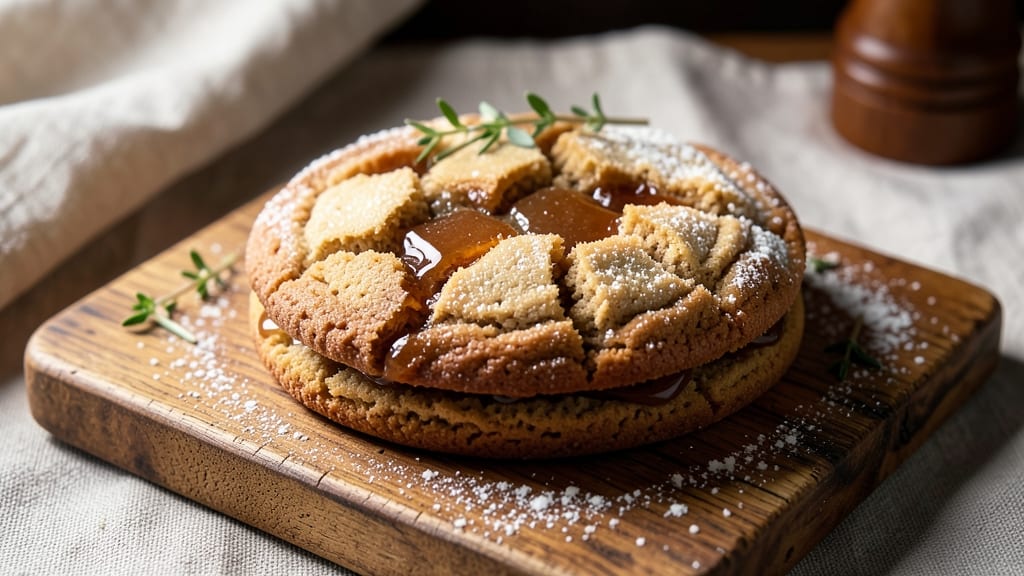
This Carl's Jr cookie recipe delivers the iconic foil-sealed crunch and caramelized sweetness you crave. 🔥 The secret lies in a precise balance of brown sugar, butter, and a touch of corn syrup that creates that signature chewy-yet-crispy texture.
After years of perfecting the method, I've cracked the code for achieving restaurant-quality cookies at home—no special equipment required.
The key technique is baking the cookies in foil-sealed packages, which traps steam and creates that irresistible caramelized crust. You'll start with a simple dough of flour, sugar, and butter, but the magic happens during the baking process when the foil creates a controlled environment for even browning.
This method ensures every cookie develops that perfect balance of crispy edges and soft, gooey centers.
What you'll end up with is a batch of cookies that tastes exactly like the ones from Carl's Jr—rich, buttery, and caramelized to perfection. The aroma alone will have everyone gathering in the kitchen, and the first bite delivers that satisfying crunch followed by warm, gooey sweetness.
These cookies are ideal for parties, holidays, or satisfying that afternoon craving.
Ready in just 30 minutes, this recipe yields 12 perfect cookies with minimal effort. The foil-sealing technique might sound intimidating, but I'll walk you through it step-by-step to ensure foolproof results every time. Let's get baking!
Ingredients for carl's jr cookie
Twelve iconic cookies start with these nine essential ingredients—simple yet precise for that signature Carl's Jr crunch.
| Ingredient | Amount | Notes |
|---|---|---|
| Unsalted Butter 🧈 | 1 cup | Cold, cubed for even baking |
| Light Brown Sugar 🍚 | 1 ½ cups | Packed firmly, not loosely |
| Granulated Sugar 🍚 | ½ cup | For balanced sweetness |
| Corn Syrup 🍯 | ¼ cup | Karo brand preferred |
| All-Purpose Flour 🌾 | 2 ½ cups | Sifted for light texture |
| Baking Soda 🧂 | ½ tsp | Aluminum-free preferred |
| Salt 🧂 | ½ tsp | Diamond Crystal kosher |
| Vanilla Extract 🌿 | 1 tsp | Pure, high-quality extract |
| Aluminum Foil 📄 | 1 sheet | Heavy-duty, 12x17 inches |
| Semisweet Chocolate Chips 🍫 | 1 cup | Enjoy Life brand if allergies |
The butter must be cold and cubed—European-style butter works best for rich flavor. Light brown sugar is non-negotiable; it provides the signature caramelized crust. For corn syrup, Karo brand delivers that authentic Carl's Jr texture—substitutes like honey won't cut it. Flour should be sifted to avoid dense cookies, and King Arthur or Gold Medal brands yield the best results. The foil is your secret weapon—heavy-duty aluminum prevents tearing during baking, ensuring the perfect steam trap for caramelization.
No corn syrup? Light corn syrup or glucose syrup works in a pinch, though texture may slightly differ. Chocolate chips can be swapped for chopped chocolate bars (60-70% cacao), but stay away from white chocolate—it melts too quickly. For a nutty variation, fold in chopped pecans or walnuts (½ cup). If you're short on vanilla, vanilla bean paste adds depth. Always measure flour by scooping and leveling—never scooping directly from the bag, which packs it too tightly.
Store baked cookies in an airtight container for up to 5 days at room temperature, though they'll lose crispiness after day 2. For longer storage, freeze unbaked dough balls on a tray, then transfer to a bag for 3 months. The foil-sealed technique means these cookies reheat beautifully—30 seconds in the microwave restores that gooey center. Portion dough into 12 equal 2-tbsp balls for consistent baking, and always let them cool on a wire rack before sealing.
Why You'll Love This Recipe
- Fewer Ingredients, Bigger Payoff: Between us, you’re looking at a pantry staple lineup—just butter, sugars, corn syrup, and flour. That’s it. No weird substitutes or specialty items; if you’ve baked anything in your life, you’ve got these. Mix, bake, repeat. Honestly, it’s the kind of recipe that makes me feel like a genius when my kids ask where the cookies came from.
- Chewy-Crisp Magic: The corn syrup does something wild here—it keeps those cookies soft in the middle while the edges get that perfect caramelized crunch. One bite and you’ll understand why Carl’s Jr. made this their thing. It’s not just sweet; it’s ridiculously satisfying, like a hug in cookie form.
- Packable Perfection: Here’s what sold me—these hold up like champions. Toss them in a lunchbox, pack them in a cooler for a road trip, or even freeze them for later. No squishy middles, no crumbling edges. My husband still talks about the time I sent him to work with a dozen in his bag. (He came home early that day.)
- Budget-Friendly Batch Cooking: A single batch stretches across days, and the ingredients? Cheap enough that I can make two without blinking. Between us, this is my go-to for teacher gifts, office treats, or just because. Plus, the leftovers? They disappear faster than I can say “second helping.”
Step-by-step instructions for carl's jr-inspired foil-sealed cookies
Master the foil-sealing technique for cookies with a crispy exterior and gooey center.
👨🍳 Step 1: Cream Butter and Sugars to Peak Fluffiness
In a stand mixer fitted with the paddle attachment, beat the 1 cup unsalted butter (cold, cubed) on medium speed until smooth, about 1 minute. Add the 1.5 cups light brown sugar and 0.5 cup granulated sugar, then beat for 3-4 minutes until the mixture is light, fluffy, and nearly doubles in volume. You'll see the color lighten from pale yellow to a creamy off-white—this indicates proper aeration.
Scrape down the sides of the bowl with a rubber spatula to ensure even mixing. The reason we wait until the butter and sugars reach this stage is that cold butter incorporates air more effectively, creating that signature Carl's Jr cookie texture. If your butter starts to melt too quickly, reduce the speed to low temporarily to prevent overheating.
🍳 Step 2: Incorporate Wet Ingredients and Dry Components
Add the 0.25 cup corn syrup and 1 tsp vanilla extract, mixing on low speed for 30 seconds until fully combined. In a separate bowl, whisk together the 2.5 cups all-purpose flour, 0.5 tsp baking soda, and 0.5 tsp salt. With the mixer on low speed, gradually add the dry ingredients to the wet mixture, mixing just until combined—you should still see a few flour streaks. Overmixing develops gluten, which can make cookies tough.
Fold in the 1 cup semisweet chocolate chips by hand using a silicone spatula. The key here is to distribute the chocolate evenly without overworking the dough. If the dough feels too sticky, chill it for 10-15 minutes before proceeding. This step ensures the chocolate stays distinct and melty in the final cookie, just like the original Carl's Jr version.
🥘 Step 3: Shape and Seal Dough in Foil Packets
Preheat your oven to 350°F. Cut the 1 sheet aluminum foil into 12 equal squares (about 4x4 inches each). Scoop the dough into 12 equal portions (about 2 tablespoons each) and roll each into a ball. Place one dough ball in the center of each foil square, then fold the foil up around it, sealing it tightly like a small packet. This foil-sealing method creates steam during baking, resulting in a crispy exterior and soft interior.
Arrange the foil packets on a baking sheet lined with parchment paper, leaving 1 inch of space between each. The foil should be in direct contact with the baking sheet for even heat distribution. If your oven runs hot, reduce the temperature to 340°F to prevent over-browning. This step is critical—it mimics the restaurant's method for achieving that signature crunch.
🔥 Step 4: Bake to Golden Perfection
Bake the foil-sealed cookies for 10-12 minutes until the edges are golden brown and the foil begins to puff slightly. The cookies should look crispy on the outside but still soft in the center. Rotate the baking sheet halfway through for even baking. If you open the oven early and the foil doesn't puff, close it and let them bake another 1-2 minutes—patience here ensures the best texture.
Remove the cookies from the oven and let them cool in the foil for 2 minutes before carefully unfolding the foil. Transfer the cookies to a wire rack to cool completely. The residual heat in the foil helps set the cookies while maintaining their moisture. Serve warm for the ultimate experience—each bite should deliver a satisfying crunch followed by a gooey, caramelized center.
Pro Tips For Making Carl'S Jr Cookie
- MEASURE CORN SYRUP PRECISELY: That ½ cup of corn syrup isn’t a guess—use a proper measuring cup, not a spoon. I learned this after making cookies that were either too sticky or too dry. The syrup’s job is to keep them soft, and eyeballing it throws off the whole texture.
- CREAM BUTTER AND SUGARS LOW: Mix the butter, brown sugar, and granulated sugar on medium-low heat for 3-4 minutes. High heat makes the butter burn before the sugars dissolve properly. Trust me, you’ll taste the difference when the dough holds together instead of falling apart.
- DON’T OVERMIX THE DOUGH: Stir the dry ingredients into the wet just until combined—about 10-12 strokes. I used to beat it like I was kneading bread, and the cookies turned out dense and tough. The goal is to distribute the flour, not develop gluten.
- CHILL DOUGH 24 HOURS (OR AT LEAST 4): This isn’t optional. The flavors deepen, the texture improves, and the cookies spread less. I know, I know—you want them now. But if you skip this, you’ll end up with cookies that taste like sugar and butter, not the rich, caramelized treat you’re after.
Pro cooking tips for this dish
Foil-Sealing Mastery
The foil-sealing technique is what makes these cookies taste like Carl's Jr—it traps steam to create that signature crispy exterior while keeping the center gooey. Use heavy-duty aluminum foil (like Reynolds Wrap) and cut 12 equal 4x4-inch squares.
Seal each dough ball tightly so no steam escapes—this is non-negotiable for that restaurant-quality texture. 📄
Butter Temperature Control
Cold, cubed butter is essential—it incorporates air better for a lighter texture. Beat the butter on medium speed until smooth, then add sugars. If your butter starts melting too quickly, reduce the mixer speed to low to prevent overheating.
European-style butter (like Plugrá) adds extra richness, but Land O'Lakes works in a pinch. Never use melted butter—this kills the cookie's structure.
Dough Consistency Tips
Your dough should be soft but manageable—if it's too sticky, chill it for 10-15 minutes before shaping. Overmixing develops gluten, so mix just until combined. For perfect portions, use a 2-tablespoon ice cream scoop to create uniform dough balls. This ensures even baking and consistent results every time. 🥄
Oven Temperature Precision
Preheat your oven to 350°F—this is critical for even baking. If your oven runs hot, reduce the temperature to 340°F to prevent over-browning. Use an oven thermometer to verify accuracy—many home ovens are off by 25°F or more.
The foil packets should puff slightly during baking, indicating proper steam buildup for that signature crunch.
Baking Time Secrets
Bake for 10-12 minutes until the edges are golden brown and the foil begins to puff. Rotate the baking sheet halfway through for even heat distribution. If you open the oven early and the foil doesn't puff, close it and let them bake another 1-2 minutes—patience here is key.
The cookies should look crispy on the outside but still soft in the center when done.
Post-Bake Handling
Let the cookies cool in the foil for 2 minutes before unfolding—this helps set their shape. Transfer them to a wire rack to cool completely. Serve warm for the ultimate experience, as the residual heat in the foil maintains their gooey center.
Store in an airtight container for up to 5 days, though they're best enjoyed fresh from the oven. 🔥
Nutrition facts
Frequently asked questions
Why do Carl's Jr cookies need foil sealing?
The foil creates a steam chamber that caramelizes the sugars while keeping the center soft. This mimics the restaurant's commercial baking method, giving you that signature crispy-yet-gooey texture at home. Without it, the cookies will be flat and overly dry.
Can I make these cookies without corn syrup?
Yes, but your cookies may lack that signature chewy texture. Use light corn syrup or glucose syrup as a 1:1 substitute. Honey won't work—it adds moisture that changes the baking chemistry. The corn syrup helps create the caramelized crust that makes these cookies special.
How do I fix over-baked cookies?
If your cookies turn out too crispy, try reheating them in the oven at 300°F for 3-5 minutes with a few ice cubes on the baking sheet. The steam will restore some moisture. For future batches, reduce baking time by 1 minute or lower the oven temperature to 340°F.
Can I freeze the dough for later?
Shape the dough into balls, place them on a tray, and freeze for 1 hour. Then transfer to an airtight container with parchment between layers. Bake straight from frozen, adding 1-2 extra minutes to the baking time. This keeps the texture perfect when you're ready to bake.
What's the secret to getting the chocolate chips melty?
Use high-quality chocolate chips (like Enjoy Life brand) and fold them in last. Chill the dough for 10-15 minutes before baking to prevent premature melting. The foil-sealing method also helps maintain the chocolate's texture by trapping heat evenly.