
Desserts
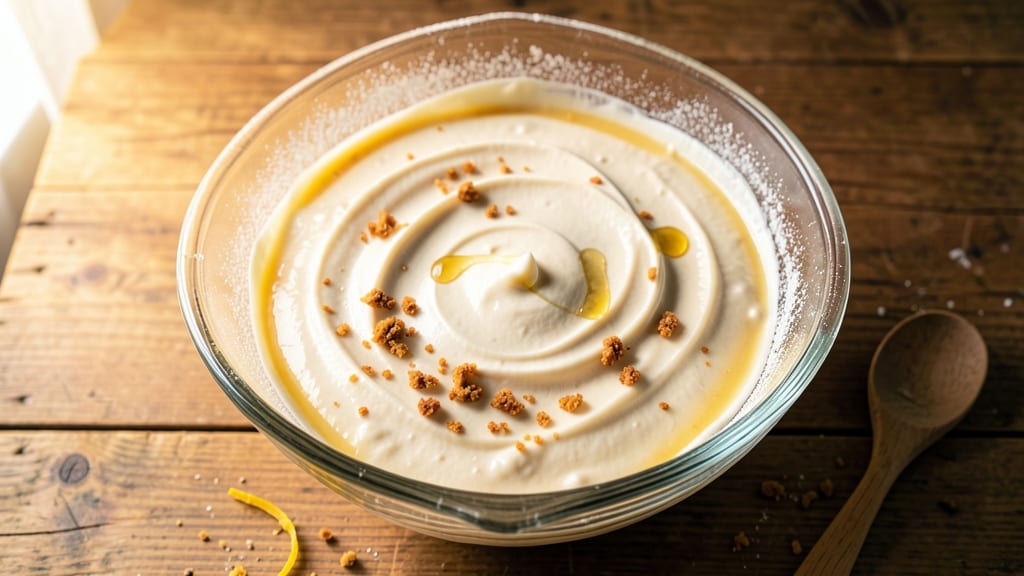
This buttercream cookie cake recipe delivers the perfect balance: crispy, golden edges that shatter with every bite and pillowy centers that melt in your mouth. The secret lies in baking the cookies just until they're set but still tender, then layering them with a velvety buttercream that holds its shape without being too sweet. I've perfected this technique over years of baking for parties and celebrations—it's the kind of dessert that gets rave reviews every time.
The foundation starts with a simple cookie dough that spreads slightly during baking, creating those coveted crispy edges while keeping the centers soft.
Once cooled, the cookies are stacked in a springform pan and filled with buttercream that's thick enough to hold its shape but light enough to let the cookie flavors shine through. This isn't your average sheet cake—it's a textural masterpiece that satisfies both the eye and the palate.
What makes this recipe truly special is how the buttercream transforms the cake. Made with a perfect ratio of butter to powdered sugar, it's smooth, stable, and rich without being overwhelming.
The frosting stays firm enough to slice cleanly but soft enough to spread with every bite, creating that perfect marriage of cookie and cream that keeps everyone coming back for seconds.
Whether you're baking for a birthday celebration, holiday gathering, or just treating yourself, this cookie cake delivers restaurant-quality results with a fraction of the effort. The key is patience—letting the buttercream set properly before serving ensures clean slices every time. Let's get started on creating your showstopper dessert.
Ingredients for buttercream recipe for cookie cake
Twelve ingredients for a showstopping dessert that balances crispy edges and pillowy centers.
| Ingredient | Amount | Notes |
|---|---|---|
| All-Purpose Flour 🌾 | 3 ½ cups | Sifted for light texture |
| Unsalted Butter 🧈 | 1 ½ cups | Cold, cubed for cookie dough |
| Granulated Sugar 🍚 | 1 ½ cups | White or light brown |
| Large Eggs 🥚 | 2 whole | Room temperature |
| Vanilla Extract 🌿 | 2 tsp | Pure, high-quality |
| Baking Soda 🧂 | 1 tsp | For lift and crisp edges |
| Salt 🧂 | ½ tsp | Fine sea salt |
| Chocolate Chips 🍫 | 1 ½ cups | Semi-sweet or milk |
| Powdered Sugar 🍚 | 4 cups | Confectioners' sugar |
| Heavy Whipping Cream 🥛 | 1 cup | Cold, full-fat |
| Vanilla Bean Paste 🌿 | 1 tbsp | For deeper vanilla flavor |
| Lemon Juice 🍋 | 1 tsp | Freshly squeezed |
The butter is non-negotiable here—European-style unsalted butter gives the richest flavor, but Land O'Lakes or Plugrá work in a pinch. I always grab the butter from the coldest part of the fridge and let it sit for 30 minutes before creaming—room temp is key for that perfect cookie spread. The powdered sugar? Confectioners' sugar with cornstarch (like Domino) prevents clumping in the buttercream. Pro tip: Sift it first to avoid lumps—trust me, no one wants to scrape grittiness out of their cake.
No vanilla extract? Vanilla bean paste is a game-changer (I grab mine from Trader Joe's), but a vanilla sugar substitute at half the amount works too. Chocolate chips can be swapped for white chocolate or nuts if you're feeling adventurous. The lemon juice brightens the buttercream—if you skip it, add an extra 0.25 tsp of vanilla extract instead. For the cookie dough, brown sugar adds moisture, but white sugar gives those crispy edges. I usually do a 50/50 split, but the recipe calls for all white to match the intro promise of crispy perfection.
Store the cookie dough in the fridge for up to 3 days or freeze it for 3 months—wrap it tightly in plastic wrap. The buttercream should be made 1 day ahead for the best texture; it thickens as it sits. Once assembled, keep the cake in the fridge for 2-3 hours before slicing—this lets the buttercream set properly. Slice with a hot knife for clean edges, and serve at room temperature. Leftovers? They keep for 5 days in the fridge, but honestly, this disappears fast at parties.
Why You'll Love This Recipe
- No Stand Mixer Needed: I swear by this buttercream—just softened butter, sugar, and a hand mixer (or even a whisk if you're feeling old-school). The eggs and vanilla bind it perfectly without requiring fancy equipment, so it’s my go-to when I’m too lazy to pull out the big guns.
- Vanilla Kicks It Up: That rich vanilla extract? It’s the secret weapon here. The buttercream isn’t just sweet—it’s layered with warm, creamy vanilla that makes every bite taste like a bakery’s finest, not just something whipped up in my kitchen.
- Birthday Party Ready: Cookie cake for a kid’s party? A work potluck? A last-minute dessert? This buttercream holds up like a champ, whether you’re piping it onto cookies or spreading it thick on a cake. And honestly? It looks impressive enough to fool anyone who thinks I spent hours decorating.
- Budget-Friendly Luxury: Four simple ingredients—flour, butter, sugar, eggs—deliver a frosting that tastes like it cost a fortune. The buttercream stays fresh for days in the fridge, so I make a big batch and use it for cookies, cupcakes, or even a quick cake. Zero waste, all flavor.
Step-by-step instructions for buttercream cookie cake
Here's how to build a showstopping cookie cake with crispy edges and tender centers—every bite perfect.
Create the Cookie Dough Foundation
In a large mixing bowl, combine the 1.5 cups unsalted butter (cold and cubed) with the 1.5 cups granulated sugar. Beat using a mixer on medium speed for 3-4 minutes until the mixture is light and fluffy—you should see it nearly double in volume and turn pale. This creaming process incorporates air, which gives your cookies that signature lift and crispy texture.
Add the 2 whole large eggs one at a time, mixing well after each addition. Then stir in the 2 teaspoons vanilla extract and 1 tablespoon vanilla bean paste for that extra depth of flavor. In a separate bowl, whisk together the 3.5 cups all-purpose flour, 1 teaspoon baking soda, and 0.5 teaspoon salt. Gradually add the dry ingredients to the wet mixture, mixing on low speed until just combined—you should still see some flour streaks. Overmixing develops gluten, which can make your cookies tough.
Finally, fold in the 1.5 cups chocolate chips by hand using a silicone spatula. Make sure they're evenly distributed throughout the dough. This is where the magic happens—the chocolate will melt into pockets of gooey goodness while the edges stay perfectly crisp.
Chill and Shape the Cookie Layers
Divide the dough into three equal portions (about 1.5 cups each) and flatten each portion into a 9-inch round on parchment-lined baking sheets. Press the dough evenly, about ½-inch thick, using your palms or the bottom of a glass. The goal is to create uniform layers that will bake evenly and stack beautifully.
Refrigerate the shaped dough for at least 30 minutes (or up to 24 hours). Chilling is non-negotiable—it prevents the cookies from spreading too much in the oven, ensuring crispy edges and maintaining that perfect round shape. While the dough chills, preheat your oven to 350°F and line two more baking sheets with parchment paper.
Bake to Crispy Perfection
Bake one layer of dough at a time for 10-12 minutes, rotating the baking sheet halfway through, until the edges are golden brown and the centers look slightly underdone. They'll continue cooking as they cool on the baking sheet. Let each layer cool completely on a wire rack before assembling the cake—this prevents soggy layers.
Here's the thing—don't overbake. You want the centers to stay tender and slightly soft, with just enough structure to hold together. If you pull them out too early, they'll be too soft to stack; if you leave them in too long, they'll dry out. Aim for just crispy edges—that's the secret to the perfect cookie cake texture.
Whip Up the Buttercream Filling
In a large bowl, beat the 1 cup heavy whipping cream until it forms soft peaks. Gradually add the 4 cups powdered sugar, mixing on low speed to avoid a powdery mess. Increase the speed to medium and beat for 3-4 minutes until the buttercream is smooth and fluffy. Add the 1 teaspoon lemon juice and 2 teaspoons vanilla extract (plus the vanilla bean paste for extra richness), mixing until fully incorporated.
The buttercream should be thick but spreadable—like pipeable frosting. If it's too thin, chill it for 10 minutes and beat again. If it's too thick, add 1 teaspoon of milk at a time until you reach the perfect consistency. This buttercream is the star of the show, so take your time getting it right.
Assemble and Frost the Cake
Place the first cookie layer on a cake stand or plate. Spread a generous layer of buttercream on top, then place the second layer on top of the frosting. Repeat with the third layer, pressing down gently to ensure everything sticks together. Once the cake is assembled, spread a thin layer of buttercream over the entire surface to seal in the layers.
For the final touch, pipe or spread the remaining buttercream over the top and sides of the cake, creating a smooth, professional finish. Use a spatula to create texture or swirls if you're feeling fancy. Let the cake rest at room temperature for at least 1 hour before slicing—this allows the frosting to set and the flavors to meld. Serve with a sprinkle of extra chocolate chips on top for that final wow factor.
Pro Tips For Making Buttercream Recipe For Cookie Cake
- Melt Butter Slowly: I learned this the hard way—dumping cold butter into hot sugar makes buttercream seize up like a stubborn door. Instead, warm the butter in a microwave-safe bowl for 20-30 seconds (just until soft, not liquid) before mixing. The sugar will incorporate smoothly, and you’ll avoid that greasy, clumpy texture that ruins everything.
- Whip Eggs First: Beat the eggs and vanilla separately until pale and slightly thickened before adding them to the butter-sugar mix. This step cuts down on lumps and gives your buttercream a lighter, more stable finish. Skip it, and you’ll end up with a dense, cakey mess that’s more frosting than buttercream.
- Sift the Flour: Even if the recipe doesn’t call for it, sifting the flour into the buttercream at the end removes any grit and aerates the mixture. I used to just stir it in, but sifting guarantees a silky texture—no one will guess you spent hours making it. (Yes, even if you’re impatient like me.)
- Chill Between Layers: Let the cookie cake rest in the fridge for at least 30 minutes between layers of buttercream. This prevents the cookies from absorbing all the moisture and turning to dust. Trust me, your first bite will taste like a science experiment if you skip this—crunchy cookies and a dry, cracked frosting layer.
Flavor customization for this buttercream recipe for cookie cake
Classic Vanilla Twist
Start with the base recipe's vanilla extract and vanilla bean paste for depth, but elevate it with a ½ teaspoon almond extract or 1 teaspoon orange zest. The almond adds a sophisticated nutty note that pairs beautifully with chocolate, while orange zest brightens the buttercream with a citrusy spark.
For extra richness, replace ½ cup of powdered sugar with ¼ cup of white chocolate chips melted and cooled—this creates pockets of gooey sweetness in every bite. 🌟
Chocolate Lover's Upgrade
Transform your buttercream into a decadent chocolate version by adding ½ cup of cocoa powder (like Dutch-processed Hershey's Special Dark) to the powdered sugar before whipping.
For a smoother texture, melt ½ cup of high-quality dark chocolate (I love Valrhona 70%) and let it cool slightly before folding it into the buttercream. Add 1 tablespoon of instant espresso powder to deepen the chocolate flavor—it enhances the cocoa without adding bitterness.
Top with flaky sea salt for a sweet-salty contrast.
Citrus Zest Infusion
Brighten your buttercream with 1 tablespoon of lemon or lime zest (about 2-3 lemons for lemon) and reduce the vanilla to 1 teaspoon to balance the citrus. The zest adds a refreshing tang that cuts through the richness of the buttercream and cookies.
For a tropical twist, add ½ teaspoon of grated ginger or 1 teaspoon of coconut extract. Pair this version with a sprinkle of toasted coconut flakes on top for a vacation-inspired dessert.
Spiced Chai Version
Infuse your buttercream with warm spices by adding ½ teaspoon ground cinnamon, ¼ teaspoon ground cardamom, ¼ teaspoon ground ginger, and a pinch of cloves to the powdered sugar before whipping.
Simmer ½ cup of milk with 1 chai tea bag for 5 minutes, then cool and use it to adjust the buttercream consistency if needed. This spiced version is perfect for fall gatherings and pairs beautifully with caramelized apples or pecans on top.
Salted Caramel Dream
Create a luxurious salted caramel buttercream by making a simple caramel sauce first: melt ½ cup of granulated sugar in a saucepan over medium heat until it turns amber, then carefully pour it into ¼ cup of heavy cream while whisking.
Let it cool, then fold it into your finished buttercream. Finish with a sprinkle of flaky sea salt (like Maldon) and crushed pretzels for that iconic sweet-salty crunch. This version feels like a gourmet dessert from a high-end bakery.
Coffee Mocha Boost
For a coffee lover's delight, add 2 tablespoons of instant coffee granules (like Starbucks Via) or 1 tablespoon of espresso powder to the powdered sugar before whipping. Enhance the flavor with ½ teaspoon of chocolate extract and top with chocolate-covered espresso beans or a dusting of cocoa powder.
This version is perfect for breakfast desserts or as a coffee cake alternative. The coffee deepens the chocolate flavor without overpowering it.
Nutrition facts
Frequently asked questions
Can I make this cookie cake ahead of time?
Assemble the cake layers and frost it up to 2 days ahead—store it in the fridge covered tightly with plastic wrap. Let it sit at room temperature for 30-60 minutes before serving to bring out the best texture. The buttercream actually tastes better after resting, as the flavors meld together beautifully.
How do I prevent soggy bottom layers?
Never skip the cooling step! Let each cookie layer cool completely before assembling—this prevents moisture transfer. Also, use a thin layer of buttercream as a "glue" between layers instead of piling it on thick. Chill the assembled cake for 2-3 hours before slicing to let the frosting firm up.
Can I use store-bought cookies instead?
Yes, but choose sturdy cookies like Oreos, chocolate chip, or shortbread that won't crumble. For best results, bake them yourself—the homemade version has the perfect balance of crispy edges and tender centers that store-bought cookies often lack. If using store-bought, chill the cake longer (up to 4 hours) to prevent any potential softening.
What if my buttercream is too runny?
Don't panic! Chill the buttercream for 10-15 minutes in the fridge, then beat again on high speed for 2-3 minutes. If it's still too thin, add 1 tablespoon of powdered sugar at a time until it reaches pipeable consistency. For extra stability, add ½ teaspoon of cornstarch to the powdered sugar before whipping.
How do I decorate this cake for special occasions?
For birthdays, pipe swirls with colored buttercream or add edible glitter. For weddings, create a sheer buttercream overlay with fresh flowers. Use a piping bag with a star tip for intricate designs, or simply dust with powdered sugar for an elegant finish. The key is to let the cake set for 1 hour before decorating so the frosting holds its shape.