
Desserts
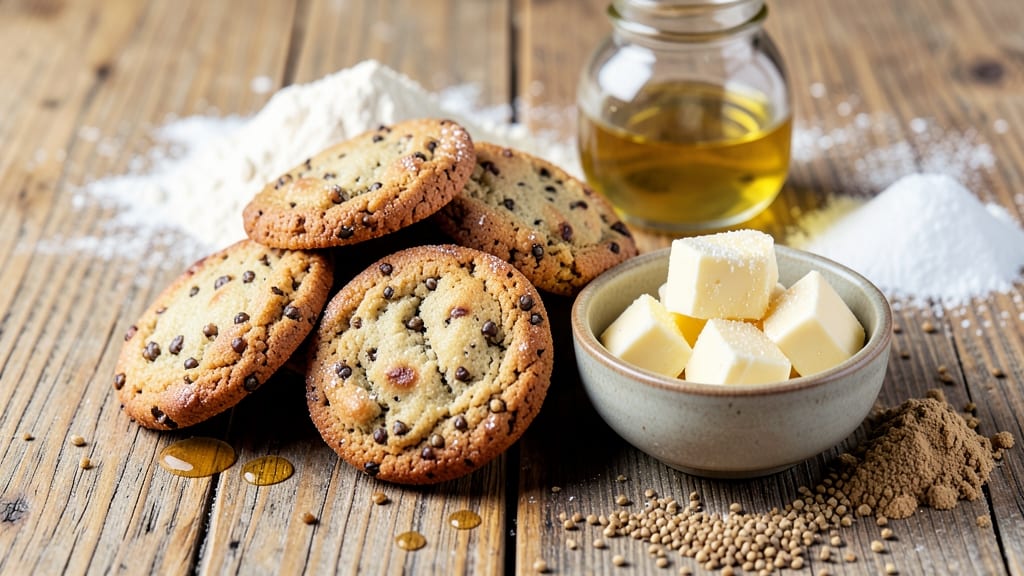
This buckwheat shortbread cookie recipe transforms traditional shortbread into a nutty, textured delight that balances earthy buckwheat with classic buttery sweetness. The secret lies in the flour blend—where buckwheat's natural crunch meets the tender crumble of traditional shortbread, creating a cookie with both bite and melt-in-your-mouth moments.
I developed this recipe after years of experimenting with gluten-free adaptations, and the result is a cookie that feels indulgent yet offers a subtle nutty depth.
The process is straightforward: cream butter and sugar until light, then fold in a precise blend of all-purpose flour, buckwheat flour, and a touch of cornstarch for that signature shortbread texture.
A pinch of salt and vanilla extract elevate the flavors, while the dough rests just long enough to develop subtle layers. The key to success is baking at the right temperature—hot enough to create golden edges while keeping the centers tender.
What you'll end up with is a batch of cookies that crackle with texture, offering both the familiar comfort of shortbread and the unexpected earthy complexity of buckwheat.
The nutty flavor shines through without overpowering, making these perfect for pairing with tea, coffee, or even as a base for ice cream sandwiches. These cookies stay fresh for days, so you'll have plenty to share—or keep for yourself.
Whether you're adapting a gluten-free diet or simply craving something new, this recipe delivers restaurant-quality results with minimal effort. The buckwheat adds a sophisticated twist to a classic treat, proving that even traditional desserts can be reinvented. Let's get baking!
Ingredients for buckwheat shortbread cookie
Twelve ingredients blend earthy buckwheat with buttery sweetness for cookies that crackle with texture and depth.
| Ingredient | Amount | Notes |
|---|---|---|
| Unsalted Butter, Cold and Cubed 🧈 | 1 cup | European-style preferred for flavor |
| Granulated Sugar 🍚 | ¾ cup | Superfine for smoother texture |
| Buckwheat Flour 🌾 | 1 ½ cups | Light roasted for mellow flavor |
| All-Purpose Flour 🌾 | 1 ½ cups | Sifted for even distribution |
| Cornstarch 🌾 | ¼ cup | For signature crumbly texture |
| Pure Vanilla Extract 🍯 | 1 tsp | Bourbon-infused for depth |
| Fine Sea Salt 🧂 | ½ tsp | Diamond Crystal preferred |
| Toasted Sesame Seeds 🌰 | ¼ cup | Optional for nutty crunch |
| Large Egg Yolks 🥚 | 1 whole | For moisture and richness |
The buckwheat flour is where the magic happens—Bob's Red Mill or King Arthur brands work best for that balanced nutty flavor. If you can't find light roasted, regular buckwheat flour works too, but the flavor will be slightly more robust. The butter matters here: European-style (like Plugrá) has more fat content, which gives these cookies that signature melt. For the sesame seeds, Trader Joe's sells them pre-toasted, which saves time. If you're feeling fancy, toast your own in a dry pan for 2-3 minutes until golden—worth the extra minute for deeper flavor. The egg yolks add richness without making the dough too sticky, but if you're avoiding eggs entirely, a flax egg (1 tbsp ground flaxseed + 3 tbsp water) works in a pinch.
No buckwheat flour? Substitute half with almond flour—it won't be identical, but you'll still get that nutty depth. Out of vanilla? Almond extract at half the amount gives a similar warmth. The sesame seeds can be swapped for toasted pecans or walnuts, roughly chopped, if you prefer a different crunch. For a gluten-free version, use a 1:1 gluten-free flour blend (like Bob's Red Mill 1-to-1) and reduce the cornstarch to 0.125 cup. The sugar can be swapped for coconut sugar for a slightly caramelized flavor, but it'll be more granular, so pulse it in a food processor first. And if your dough feels too dry, add 1 tsp of heavy cream or milk—just don't overdo it, or the cookies will spread too much.
These cookies keep for 5-7 days in an airtight container at room temperature, though they're best enjoyed fresh. For longer storage, freeze the dough balls (before baking) for up to 3 months
Why You'll Love This Recipe
- No-Fuss Mixing: I swear by the cold butter method—just toss those cubes with sugar until it’s pea-sized, then fold in the flours. No food processor, no overworking, just a few minutes of hands-on time that feels like a break, not a chore.
- Earthy Sweet Crunch: That buckwheat flour gives it a nutty depth you won’t find in classic shortbread, while the cornstarch keeps it tender. The result? A cookie that’s crisp at the edges but melts in your mouth—like a hug from a bakery, but with less guilt.
- Party or Snack Attack: These hold their shape beautifully, so they’re perfect for holiday platters or as a last-minute dessert when guests show up. (Yes, even on a Tuesday night.) They also freeze like champs—just pull one out when you need a quick treat.
- Budget-Friendly Staples: Buckwheat flour might sound fancy, but it’s cheaper than almond flour and lasts forever. Plus, you’re using pantry basics—no specialty ingredients, no markup. My wallet (and my taste buds) thank me every time.
Step-by-step instructions for buckwheat shortbread cookies
Here's how to craft these uniquely nutty, melt-in-your-mouth cookies with perfect texture.
Cut and Chill the Butter
Place the 1 cup unsalted butter, cold and cubed in a food processor fitted with the metal blade. Pulse until the butter resembles coarse crumbs with some pea-sized pieces remaining—this ensures maximum surface area for flavor development. If using European-style butter, you'll notice it's naturally less watery, which prevents greasy cookies.
Transfer the processed butter to a mixing bowl and refrigerate for 15 minutes while you prepare the dry ingredients. This chilling step is non-negotiable—it prevents the butter from melting during mixing, which would lead to dense, cakey cookies instead of the signature crumbly texture. I like to press the butter against the sides of the bowl to create an even surface for the next step.
Cream Butter and Sugar
Return the chilled butter to the food processor and add the 0.75 cup granulated sugar. Process on medium speed until the mixture becomes pale and fluffy, about 3-4 minutes. You'll see the sugar dissolve into the butter, creating a light, airy base. If using superfine sugar, this process happens even faster—just keep an eye on it to avoid over-processing.
Here's where the magic happens: the sugar helps emulsify the butter while incorporating air, which creates those beautiful, crackly tops we all love. Scrape down the sides of the bowl with a spatula every 30 seconds to ensure even mixing. The mixture should nearly double in volume and leave clean sides on the bowl when you stop the processor.
Incorporate Dry Ingredients
In a separate bowl, whisk together the 1.5 cups buckwheat flour, 1.5 cups all-purpose flour, 0.25 cup cornstarch, 0.5 tsp fine sea salt, and 1 tsp pure vanilla extract. Sift the dry ingredients through a fine-mesh sieve directly into the food processor bowl to prevent lumps. This step is crucial—the cornstarch creates that signature crumbly texture while the buckwheat flour adds a subtle nutty depth that sets these cookies apart.
With the processor running on low speed, gradually add the dry ingredients to the butter-sugar mixture. Pulse until just combined—you should still see small flour streaks. Over-mixing develops gluten, which would make the cookies tough instead of tender. The dough should hold together when pressed but still feel slightly crumbly, almost like wet sand. If it's too dry, add 1 teaspoon of ice water at a time until it comes together.
Fold in Egg Yolks and Sesame Seeds
Remove the dough from the food processor and transfer it to a mixing bowl. Using a silicone spatula, gently fold in the 1 whole large egg yolks until fully incorporated. The yolks add moisture and richness that balances the nutty buckwheat flavor. Then, stir in the 0.25 cup toasted sesame seeds for that irresistible crunch and nutty aroma.
Once combined, divide the dough in half and flatten each portion into a ½-inch thick disk. Wrap each disk tightly in plastic wrap and refrigerate for at least 1 hour (or up to 24 hours). This resting period allows the flour to fully hydrate and the gluten to relax, resulting in cookies that spread beautifully in the oven without losing their shape. The longer it chills, the more flavor develops.
Bake to Golden Perfection
Preheat your oven to 325°F and line two baking sheets with parchment paper. Remove one disk of dough from the refrigerator and let it sit at room temperature for 10 minutes while you prepare the baking sheets. Using a 3-inch round cutter, press straight down (don't twist) to cut out cookies. Re-roll the scraps and cut more cookies until you've used all the dough—you should get about 24 cookies total.
Arrange the cookies on the prepared baking sheets, spacing them 2 inches apart to allow for spreading. Bake for 12-15 minutes until the edges are golden brown and the centers look slightly underdone. The cookies will continue cooking on the hot baking sheet after removal, so don't overbake. They're done when they're just set but still soft to the touch.
Let the cookies cool on the baking sheets for 5 minutes before transferring to a wire rack to cool completely. Serve warm for maximum flavor impact—they'll be tender and buttery inside with a crisp, nutty exterior. Store in an airtight container at room temperature for up to 5 days, though I promise they won't last that long.
Pro Tips For Making Buckwheat Shortbread Cookie
- CHILL THE BUTTER FULLY: I learned this the hard way—when the butter melts mid-mixing, you end up with a sticky, unworkable dough. Pop those cubes in the freezer for 10 minutes before starting, even if they look cold enough. Trust me, your cookies will hold their shape.
- WEIGH THE BUCKWHEAT FLOUR: Buckwheat flour is dense and clumpy—if you scoop it straight from the bag, you’ll end up with dry, crumbly cookies. Spoon it into a scale or measuring cup, then level it off with a knife. This keeps the texture tender and consistent.
- PRESS DOUGH HALF AN INCH THICK: Thin cookies spread too much, and thick ones stay doughy. Aim for a uniform ½-inch thickness when rolling—use a ruler or measuring cup as a guide. The edges will crisp up perfectly while the center stays just firm enough.
- LET DOUGH REST 30 MINUTES: Skipping this step means the cookies won’t spread evenly. Let the chilled dough sit at room temp while you preheat the oven—just 30 minutes makes a real difference. The butter softens slightly, and the buckwheat flour absorbs moisture, preventing cracks.
Perfect pairings for this recipe
Tea Pairings
These nutty buckwheat shortbread cookies pair beautifully with Earl Grey tea—the bergamot's citrus notes cut through the butter's richness while complementing the buckwheat's earthiness. I always keep a box of Harney & Sons loose-leaf Earl Grey on hand for this exact reason.
For a lighter option, jasmine green tea adds floral notes that balance the cookies' crunch. Brew at 200°F for 3-4 minutes to avoid bitterness that could overpower the delicate flavors. 💛
Coffee Pairings
A medium-roast coffee with chocolate undertones is my go-to match—think Starbucks Pike Place or a locally roasted Ethiopian Yirgacheffe. The coffee's caramel sweetness mirrors the cookies' buttery base, while the buckwheat's nuttiness echoes the coffee's natural depth.
For espresso lovers, a flat white with velvety microfoam creates the perfect contrast to the cookies' crisp edges. Serve the cookies warm alongside freshly brewed coffee for a cozy treat. ☕
Dessert Pairings
Turn these cookies into ice cream sandwiches by sandwiching a scoop of vanilla bean ice cream (like Ben & Jerry's or Häagen-Dazs) between two cookies. The ice cream's cold creaminess melts beautifully against the cookies' warm, nutty crunch.
For a no-bake dessert, layer cookies with mascarpone cheese and fresh berries in a glass for a sophisticated twist on shortbread. The buckwheat's earthy notes stand up well to tart fruits like raspberries or blackberries. 🍓
Savory Contrasts
Surprise your guests by serving these cookies alongside sharp cheddar cheese or aged Gouda—the salty tang cuts through the sweetness, creating a perfect balance. I love pairing them with smoked almonds or dark chocolate-covered espresso beans for a savory-sweet contrast.
For a full charcuterie board, add prosciutto and fig jam to let the buckwheat's nutty depth shine against the cured meats' saltiness. 🧀
Seasonal Adaptations
In winter, dust the cookies with cinnamon sugar before baking for a spiced twist that pairs perfectly with mulled wine or hot chocolate. For summer, sprinkle with flaky sea salt and serve with iced matcha latte—the cool, earthy matcha enhances the buckwheat's natural flavors.
In fall, add pumpkin spice to the dough and pair with spiced apple cider for a seasonal treat. Each season brings out a different facet of these versatile cookies. 🍂
Beverage Upgrades
Elevate your pairing game with a spiked chai latte—infuse your tea with a splash of vanilla vodka or bourbon for a boozy twist. For a non-alcoholic option, try sparkling pomegranate juice with a splash of ginger syrup—the tartness brightens the cookies' buttery sweetness.
I also love serving these with cold brew coffee and a drizzle of honey for a sweet-savory balance that keeps everyone reaching for seconds. 🍹
Nutrition facts
Frequently asked questions
Why does this recipe use both buckwheat and all-purpose flour?
The buckwheat flour adds that signature nutty depth and earthy texture that makes these cookies unique, while the all-purpose flour provides structure and a familiar shortbread crumble. The 50/50 blend balances both flavors and textures perfectly—you get the best of both worlds without overpowering the delicate buttery base.
Can I make these cookies gluten-free?
Yes! Replace the all-purpose flour with a 1:1 gluten-free flour blend (like Bob's Red Mill) and reduce the cornstarch to 0.125 cup. Keep the buckwheat flour as-is for that nutty flavor. The texture will be slightly denser but still delicious. Just be sure to chill the dough longer (up to 2 hours) for better results.
How do I prevent the cookies from spreading too much?
Chilling the dough for the full 1-2 hours is key—this relaxes the gluten and prevents excessive spreading. Also, use a 3-inch round cutter and press straight down (don't twist). Bake at 325°F for 12-15 minutes—they'll look slightly underdone in the center when done, as they firm up while cooling.
What's the best way to store these cookies?
Keep them in an airtight container at room temperature for up to 5-7 days. For longer storage, freeze the dough balls (before baking) for up to 3 months. Thaw in the fridge overnight, then bake as directed. The sesame seeds stay crisp for about 3 days, so add them fresh when serving for maximum crunch.
Can I add chocolate chips or nuts to this recipe?
Fold in 0.5 cup chocolate chips or chopped walnuts with the egg yolks. For a classic twist, try dark chocolate chunks (60-70% cacao) to complement the buckwheat's earthiness. Just reduce the sesame seeds to 0.125 cup to balance the mix. The chocolate adds richness that pairs beautifully with the nutty flavors.