
Desserts
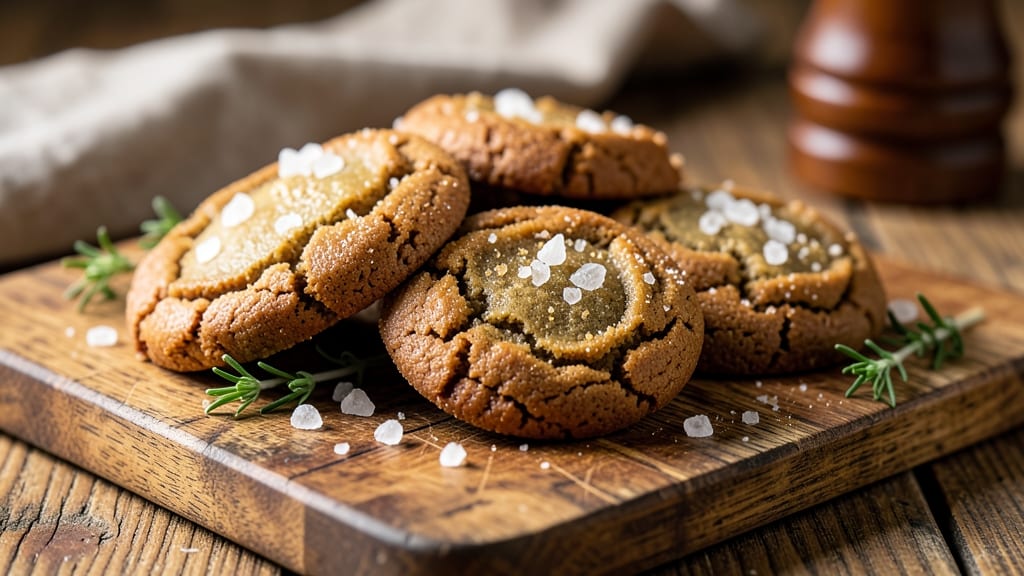
This brown butter sea salt cookie recipe delivers flaky layers of nutty, caramelized goodness that will transform your cookie game forever.
The key lies in properly browning the butter—its rich, toasty aroma alone makes these worth the effort—and finishing with a sprinkle of flaky sea salt that cuts through the richness for the perfect balance.
I’ve perfected this technique over years of baking, ensuring every batch turns out with that signature crackly top and tender crumb.
The process is simpler than it sounds: brown the butter until it’s golden and fragrant, then let it cool slightly before mixing it into the dough. This step is where the magic happens, infusing the cookies with deep, buttery flavor.
The dough comes together quickly with just a few ingredients—flour, sugar, and a touch of vanilla—but the browning butter elevates everything to restaurant-quality levels. No fancy equipment needed, just patience and attention to the browning process.
What you’ll end up with are cookies that are crisp at the edges, tender in the center, and packed with that irresistible nutty depth from the browned butter. The flaky sea salt on top adds a sophisticated touch, making these feel like a gourmet treat.
They’re sturdy enough to hold up to ice cream or a glass of milk but delicate enough to crumble with the slightest pressure—proof that simplicity can yield extraordinary results.
For extra indulgence, fold in chocolate chips or chopped nuts before baking, but the classic version is already unbeatable. These cookies are perfect for holidays, gift-giving, or satisfying a late-night craving. Let’s get started on creating your new favorite cookie recipe.
Ingredients for brown butter sea salt cookie
Nine key ingredients transform simple dough into restaurant-quality brown butter cookies.
| Ingredient | Amount | Notes |
|---|---|---|
| Unsalted Butter 🧈 | 2 cups | Melted and browned to golden color |
| All-Purpose Flour 🌾 | 3 ½ cups | Sifted for light texture |
| Granulated Sugar 🍚 | 1 ½ cups | Superfine preferred for smooth texture |
| Light Brown Sugar 🍚 | 1 cup | Packed for moisture |
| Large Eggs 🥚 | 2 whole | Room temperature |
| Pure Vanilla Extract 🌿 | 1 ½ tbsp | High-quality for flavor |
| Flaky Sea Salt 🧂 | 1 ½ tbsp | Maldon or Jacobsen preferred |
| Baking Soda 🧪 | 1 tsp | Fresh for best results |
| Ground Cinnamon 🌶️ | 1 tsp | Optional for warmth |
The butter is non-negotiable here—unsalted is a must for controlling salt levels. Brown it until it smells nutty and looks golden, then let it cool completely before mixing. European-style butter like Plugrá or Kerrygold has higher fat content, which gives extra richness. For the flour, King Arthur or Gold Medal brands work best—they’re consistent and yield flaky layers. The sea salt? Maldon or Jacobsen are the gold standards; their large flakes melt beautifully. If you can’t find them, any flaky salt will do, but table salt won’t give that signature crunch.
No vanilla extract? Vanilla bean paste works in a pinch, or even a scraped vanilla bean. Short on brown sugar? White sugar plus 1 tsp molasses mimics its moisture. The cinnamon is optional but adds warmth—if you skip it, don’t worry, the brown butter’s nutty depth shines alone. For the eggs, room temperature is key—they blend smoother. If you’re worried about overmixing, use a stand mixer with the paddle attachment on low speed. And if you’re feeling ambitious, fold in chocolate chips or chopped walnuts before baking for extra indulgence.
Store dough in an airtight container with parchment paper between layers for up to 3 days—it actually improves overnight. Baked cookies keep at room temperature for 5 days in a sealed container, but they’re best enjoyed fresh. For longer storage, freeze portions on a tray first, then transfer to a bag for 3 months. The flavor deepens slightly as they cool, so don’t rush to eat them straight out of the oven—wait 10 minutes for that perfect crackly top.
Why You'll Love This Recipe
- No-Fuss Mixing: I swear by this recipe because it’s one bowl, no fancy techniques. Just melt that butter until it’s nutty and golden, toss in the sugars and eggs, then fold in the flour—no cream cheese, no chilling nightmares, just pure simplicity.
- Rich, Nutty Magic: Brown butter changes everything. That deep, toasty aroma? It’s like a hug in cookie form. The sea salt finish makes it addictive—crisp edges, soft centers, and a flavor that lingers.
- Holiday or Snack Attack: These work for everything. Package them in jars for gifts, bake a tray for movie night, or stash them in the freezer for when you need a quick treat. (Yes, even on a Tuesday night.)
- Budget-Friendly Staples: You’re using pantry basics—flour, sugar, eggs—but the brown butter makes it feel special. And honestly? A batch lasts me days. I make two, then pretend I didn’t because they disappear so fast.
Step-by-step instructions for brown butter sea salt cookies
Here's how to achieve those coveted flaky layers and nutty depth through precise technique.
🔥 Step 1: Brown the Butter to Perfection
Melt the 2 cups unsalted butter in a heavy-bottomed saucepan over medium heat. Watch closely as it begins to foam and bubble—this is when the milk solids separate. Let it cook until the butter takes on a golden brown color with a distinct nutty aroma (about 5-7 minutes).
Real talk: this is where the magic happens. The browned butter adds incredible depth of flavor that plain butter can't match. If you see any white foam forming, skim it off with a spoon—this is just water content evaporating. Once browned, immediately pour the butter into a heatproof bowl and let it cool to room temperature before using. The butter should be liquid but not hot when you mix it with other ingredients.
👨🍳 Step 2: Cream Butter with Sugars
In a stand mixer fitted with the paddle attachment, beat the cooled brown butter with 1.5 cups granulated sugar and 1 cup light brown sugar on medium speed for 3-4 minutes. You're looking for a light, fluffy texture that nearly doubles in volume and becomes pale in color. This creaming process incorporates air, which creates those beautiful crackly tops and helps the cookies spread properly.
I press down gently on the mixture during the first minute to ensure the butter and sugars fully combine. Don't rush this step—under-creaming leads to dense cookies instead of the tender, flaky texture we want. The mixture should look like pale, fluffy whipped cream when ready.
👨🍳 Step 3: Add Eggs and Flavorings
Add the 2 whole large eggs one at a time, mixing on low speed for 30 seconds after each addition until fully incorporated. Then add the 1.5 tablespoons pure vanilla extract and mix for another 10 seconds. The mixture might look slightly curdled, but don't worry—it will come together when we add the dry ingredients.
Next, stir in the 1.5 tablespoons flaky sea salt and 1 teaspoon ground cinnamon. The salt will dissolve into the wet mixture, creating pockets of salty goodness throughout each cookie. This is where the flavor balance comes together—sweet, nutty, and salty all in one bite.
🥘 Step 4: Combine Dry Ingredients
In a separate bowl, whisk together the 3.5 cups all-purpose flour and 1 teaspoon baking soda. Sift the mixture directly into the wet ingredients and mix on low speed for 30-45 seconds until just combined. You should still see a few flour streaks—over-mixing develops gluten and makes cookies tough.
This is the moment that matters: fold in any remaining flaky sea salt crystals by hand using a silicone spatula. We want those large, visible salt crystals that will melt dramatically in your mouth as you bite into each cookie. The dough should be thick and slightly sticky but manageable.
⏰ Step 5: Chill and Shape
Cover the dough with plastic wrap and refrigerate for at least 1 hour (I prefer 2 hours or even overnight). Chilling solidifies the butter, which prevents the cookies from spreading too thin in the oven. It also allows the flour to fully hydrate, creating better texture.
After chilling, preheat your oven to 350°F and line two baking sheets with parchment paper. Scoop the dough into 2-tablespoon portions (I use a cookie scoop for uniform size) and roll them into balls. Place them 3 inches apart on the prepared sheets—they'll spread during baking.
Bake for 11-13 minutes until the edges are golden brown but the centers still look slightly underdone. They'll continue cooking on the hot pan after you remove them from the oven. Let them cool on the baking sheet for 5 minutes before transferring to a wire rack. Enjoy them warm for the ultimate experience!
Pro Tips For Making Brown Butter Sea Salt Cookie
- Brown Butter Properly: Use a light-colored saucepan and keep the heat medium-low—high heat burns it before it browns. Watch for tiny bubbles forming at the edges and a nutty aroma; that’s your cue to remove it immediately. I learned this the hard way after one batch tasted bitter because I walked away for "just a minute."
- Chill the Dough: Wrap the dough in plastic and refrigerate for at least 1 hour—this isn’t optional. Cold dough spreads less, so your cookies stay thick and chewy instead of crispy edges with a sad, flat center. (Yes, even if you’re impatient like me.)
- Pulse the Flour: Don’t just scoop and dump—pulse the flour in the mixer with the butter first. This aerates it, giving you a lighter texture. Skip this, and your cookies turn out dense, like you’re making shortbread instead of chewy brown butter magic.
- Underbake Slightly: Pull the cookies out when the edges are golden but the centers still look soft—they’ll firm up as they cool. Overbaking dries them out, and you’ll end up with crunchy disappointment instead of that perfect melt-in-your-mouth bite. (Your future self will thank you.)
Creative variations of brown butter sea salt cookie
Nutty Additions
For a toasty crunch, fold in ½ cup chopped toasted walnuts or pecans after mixing the wet ingredients. I recommend toasting them in a dry pan over medium heat for 3-4 minutes until fragrant—this intensifies their flavor.
For extra decadence, try ½ cup chopped candied pecans (store-bought or homemade with brown sugar and butter). 🌰
Chocolate Variations
Swap ½ cup milk chocolate chips or dark chocolate chunks for a classic twist. I prefer using Valrhona Guanaja 70% for its deep cocoa flavor. For a white chocolate version, use white chocolate chunks combined with 1 tsp orange zest for brightness.
Fold them in during the final mixing stage so they stay distinct.
Spiced Elevations
Boost warmth with ½ tsp ground cardamom or ¼ tsp freshly grated nutmeg alongside the cinnamon. These spices complement the brown butter beautifully. For a gingerbread twist, add 1 tsp molasses and ½ tsp ground ginger to the dough. The molasses enhances the caramelized butter notes while adding subtle depth.
Seasonal Twists
In fall, incorporate ¼ cup pumpkin puree and ½ tsp pumpkin pie spice for a seasonal variation. For winter holidays, mix in ½ cup dried cranberries and ¼ cup chopped candied ginger for a festive touch. These variations keep the signature brown butter flavor while adapting to seasonal cravings.
Gluten-Free Adaptation
Replace the all-purpose flour with a 1:1 gluten-free baking flour blend like Bob's Red Mill. Add ½ tsp xanthan gum to improve texture. For best results, chill the dough for 2-3 hours as gluten-free doughs spread more.
The cookies will be slightly denser but still maintain that nutty brown butter flavor.
Protein-Packed Swap
Boost nutrition by replacing 1 egg with 2 tablespoons applesauce and adding ¼ cup rolled oats to the dry ingredients. This keeps the texture tender while adding fiber.
For extra protein, fold in ½ cup chopped almonds or white chocolate protein chips. These variations work well for breakfast cookies or post-workout treats.
Nutrition facts
Frequently asked questions
Why does my brown butter smell so strong when baking?
The intense nutty aroma comes from the Maillard reaction during browning—this is normal and actually enhances flavor! If it smells too sharp, your butter may have over-browned. Aim for golden color with a toasty scent (not burnt). The aroma mellows as cookies bake, leaving that rich caramelized depth.
Can I make these cookies without a stand mixer?
Use a sturdy wooden spoon or hand mixer to cream butter and sugars for 5-7 minutes until light and fluffy. For the dough, mix by hand with a rubber spatula—just work quickly to avoid overmixing. The key is patience; press down occasionally to ensure the butter and sugars fully combine.
How do I fix cookies that spread too much?
Over-spreading usually means the dough wasn't chilled long enough or the butter was too soft. Next time: refrigerate dough for 2+ hours (or freeze for 30 minutes if short on time). Also, scoop dough balls slightly smaller (1.5 tablespoons) and flatten them gently before baking. The oven should be fully preheated at 350°F.
What's the best way to store leftover cookies?
Keep cookies in an airtight container at room temperature for up to 5 days. For longer storage, freeze portions on a tray first (to prevent sticking), then transfer to a bag for 3 months. Thaw at room temperature—no need to reheat! The flavor actually improves slightly as they cool, so wait 10 minutes before eating.
Can I use salted butter instead of unsalted?
Yes, but reduce the added flaky sea salt to 1 tablespoon total. Salted butter already contains 1.5-2 teaspoons of salt per cup, so you'll need to adjust. Taste the dough before baking—it should have a balanced sweet/salty profile. European-style salted butter has less salt than American brands, so check the label first.