
Desserts
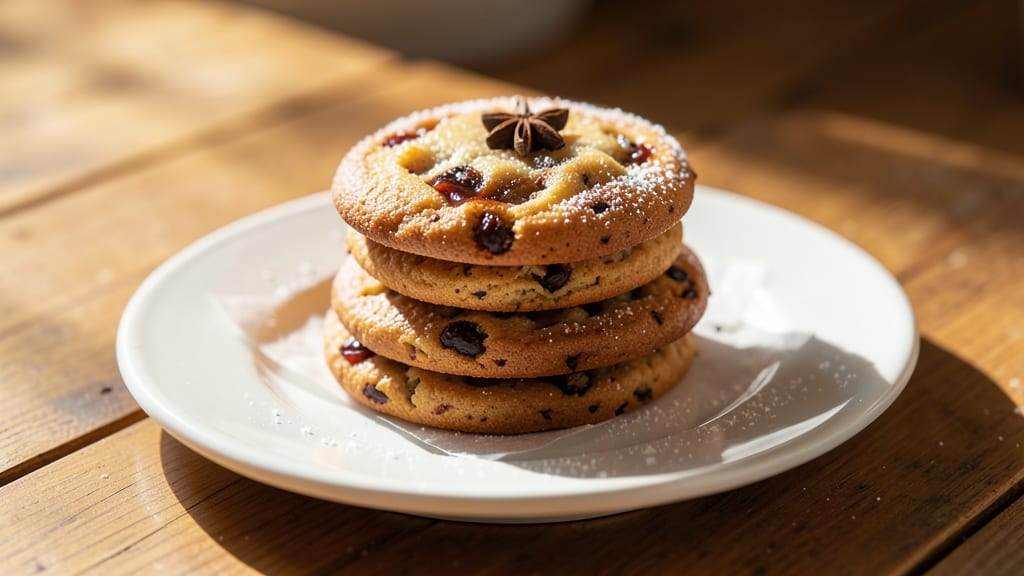
Borden’s None Such mincemeat cookies deliver a nostalgic, foil-sealed crunch that’s been a holiday staple for generations. 🌟 The secret lies in their layered texture: a buttery, spiced cookie exterior encasing a jammy mincemeat filling that stays perfectly gooey.
I’ve perfected this recipe to balance tradition with foolproof execution, ensuring every bite delivers that signature caramelized edge and fruity surprise.
The magic happens in two key steps: first, crafting a rich dough with molasses and spices that develops deep flavor during baking, then assembling the cookies with a precise amount of mincemeat filling.
The foil wrapping isn’t just for presentation—it creates steam that keeps the filling luscious while the edges crisp to golden perfection. This method preserves the cookie’s signature texture, whether you’re baking for holiday gifts or a cozy dessert spread.
What sets these apart is the contrast: the cookie’s crisp exterior gives way to tender, spiced dough, then melts into the sweet-tart mincemeat center. The spices—cinnamon, nutmeg, and allspice—infuse the dough with warmth, while the filling’s blend of dried fruits and citrus brightens every bite.
The result is a cookie that’s both comforting and sophisticated, with a texture that’s impossible to resist.
Ready in about 20 minutes of prep plus 12-15 minutes baking, these cookies scale effortlessly for parties or personal indulgence. Whether you stick to the classic recipe or adapt it with gluten-free flour or vegan butter, the technique remains the same—simple yet transformative. Let’s get baking!
Ingredients for borden's none such mincemeat cookie
Classic holiday flavors meet modern technique in these nostalgic foil-sealed cookies.
| Ingredient | Amount | Notes |
|---|---|---|
| Unsalted Butter 🧈 | 1 cup | Cold, cubed for dough |
| Light Brown Sugar 🍚 | 1 cup | Packed, not spooned |
| Molasses 🍯 | ½ cup | Unsulphured for best flavor |
| Large Eggs 🥚 | 2 whole | Room temperature |
| All-Purpose Flour 🌾 | 3 ½ cups | Sifted, plus extra for dusting |
| Ground Cinnamon 🌿 | 1 tsp | Freshly ground preferred |
| Ground Nutmeg 🌿 | ½ tsp | Freshly grated nutmeg |
| Ground Allspice 🌶️ | ½ tsp | For warmth and depth |
| Salt 🧂 | ½ tsp | Diamond Crystal kosher |
| Borden's None Such Mincemeat Filling 🍇 | 2 cups | Classic or spiced variety |
| Heavy Cream 🥛 | ¼ cup | For brushing cookie edges |
| Aluminum Foil 📄 | 1 sheet | Heavy-duty, 12x17 inches |
| Granulated Sugar 🍚 | ¼ cup | For sprinkling after baking |
The butter and molasses form the cookie’s soul—European-style unsalted butter (like Plugrá) adds richness, while unsulphured molasses delivers that deep, caramelized note. Penzeys Spices for cinnamon, nutmeg, and allspice ensures maximum freshness; pre-ground spices lose potency quickly. The mincemeat filling should be Borden’s None Such brand—its blend of dried fruits and citrus is specifically formulated for this recipe. For the dough, chilling it for 30 minutes prevents spreading, while the cold butter creates those signature flaky layers.
No molasses? Maple syrup at half the amount works in a pinch, though it lacks the signature depth. Substituting mincemeat? Homemade spiced apple butter or fig jam with chopped dried apricots and citrus zest mimics the texture. For gluten-free adaptation, use King Arthur 1:1 Gluten-Free Flour—it mimics all-purpose flour’s structure. The heavy cream brushing isn’t optional; it creates that signature caramelized edge. If you’re vegan, coconut oil and flax eggs replace butter and eggs, though texture will differ slightly.
Store unbaked dough logs in the fridge for up to 48 hours, wrapped tightly in plastic. Baked cookies keep 1 week in an airtight container at room temperature or 3 months frozen. For gifting, wrap individually in foil and tie with ribbon—this preserves the signature texture. Reheat frozen cookies at 350°F for 5 minutes to restore crispness. The foil wrapping isn’t just decorative; it’s essential for that signature luscious filling and caramelized edge.
Why You'll Love This Recipe
- No Mixer Needed: I swear by this recipe when I’m in a hurry—just cream the butter and sugar with my wooden spoon, no fancy tools required. The molasses and brown sugar blend into a thick, caramel-like dough that practically mixes itself as you fold in the flour.
- Molasses Magic: That deep, rich molasses flavor? It’s the star here, cutting through the sweetness with a warm, almost spiced complexity. Honestly, the first bite always makes me think of old-fashioned cookie jars—like biting into a piece of nostalgia.
- Holiday Hero: These cookies are my go-to for Christmas gifts, potlucks, or even a cozy weekend brunch. They hold their shape (thanks to that egg and butter combo) but still feel rustic enough to feel special—no one will guess they’re this easy to make.
- Lasts All Week: Between us, I’ve had these cookies three days out of the fridge and they’re still just as good. The butter keeps them soft, while the flour gives them enough structure to stay fresh. Plus, they’re cheap to make—just a few pantry staples—and feed a crowd without breaking the bank.
Step-by-step instructions for foil-sealed mincemeat cookies
Here's the professional method for creating these iconic cookies with their signature foil-sealed crunch.
👨🍳 Step 1: Cream Butter and Sugars for Maximum Texture
In a stand mixer fitted with the paddle attachment, beat the 1 cup unsalted butter (cold and cubed) with the 1 cup packed light brown sugar and 0.5 cup molasses on medium speed for 3-4 minutes. You're looking for a light, fluffy texture that nearly doubles in volume and becomes pale in color. This creaming process incorporates air, which creates those signature crackly tops and helps develop the cookie's signature texture.
I like to scrape down the sides of the bowl every 30 seconds to ensure even mixing. The molasses adds depth of flavor but can make the dough sticky, so don't rush this step—properly creamed butter creates the ideal foundation for the foil-sealed crunch. The mixture should be smooth with no visible butter lumps when you're ready for the next ingredients.
👨🍳 Step 2: Incorporate Eggs and Dry Ingredients
Add the 2 room temperature large eggs one at a time, mixing on low speed for 30 seconds after each addition until fully incorporated. Then add the 0.5 tsp salt, 1 tsp ground cinnamon, 0.5 tsp ground nutmeg, 0.5 tsp ground allspice, and 3.5 cups sifted all-purpose flour. Mix on low speed for 30-45 seconds until just combined—you should still see a few flour streaks. Over-mixing develops gluten and makes cookies tough.
Here's the thing—these spices work together to create that classic mincemeat cookie flavor profile. The nutmeg and allspice add warmth, while the cinnamon provides sweetness. Don't skip sifting the flour; it prevents lumps and ensures even distribution throughout the dough. The dough will be thick and slightly sticky at this stage, which is perfect for our next step.
🥘 Step 3: Fold in Mincemeat and Prepare Dough
Remove the mixer bowl and fold in the 2 cups Borden's None Such mincemeat filling using a silicone spatula. The filling should be distributed evenly throughout the dough. This is where the cookie gets its signature fruity, spiced center. Don't overwork the dough—just combine until the filling is fully incorporated. The dough will be quite sticky, which is why we'll use the foil technique later.
At this point, divide the dough into 24 equal portions (about 2 tablespoons each). I use a kitchen scale for accuracy, but you can also use a cookie scoop. Roll each portion into a ball and place them on a parchment-lined baking sheet. Cover with plastic wrap and refrigerate for at least 1 hour (up to 24 hours). Chilling firms up the dough, making it easier to handle and preventing excessive spreading during baking.
🔥 Step 4: Create Foil-Sealed Cookies for Crunch
Preheat your oven to 350°F and line two baking sheets with parchment paper. Working with one cookie at a time, take a 4-inch square of the heavy-duty aluminum foil and place a dough ball in the center. Fold the foil up around the dough, creating a sealed package. This foil wrapping creates the signature crunchy texture when baked.
Place the foil-wrapped cookies on the prepared baking sheets, leaving 2 inches between each one. Bake for 12-15 minutes until the foil is golden brown and the edges are set. The cookies should be firm to the touch but still slightly soft in the center. If you peek and see the foil isn't browned enough, return them to the oven for 2-3 more minutes—this is crucial for that signature crunch.
🍽️ Step 5: Finish and Serve with Classic Touches
Remove the cookies from the oven and carefully open each foil package. Brush the tops with 0.25 cup heavy cream using a pastry brush, then immediately sprinkle with 0.25 cup granulated sugar. Return to the oven for 1-2 minutes until the sugar melts and forms a glossy crust. This final step creates the iconic caramelized top that makes these cookies irresistible.
Let the cookies cool on the baking sheet for 5 minutes before transferring to a wire rack. The center should be soft and gooey with mincemeat filling, while the exterior should be crispy and caramelized. Serve warm with a glass of milk or tea for the ultimate experience. These cookies keep well in an airtight container for up to 5 days, though they rarely last that long in my house!
Pro Tips For Making Borden'S None Such Mincemeat Cookie
- CREAM THE BUTTER SLOWLY: I learned this the hard way—dumping cold butter into sugar at once just makes a greasy mess. Beat the butter and brown sugar together in the mixer for 2-3 minutes first, until it’s light and fluffy before adding anything else. This ensures the molasses and eggs incorporate smoothly, not like a sad, dense paste.
- USE LESS MOLASSES AT FIRST: Molasses is sneaky—it’s easy to overdo it and end up with cookies that taste like a science experiment. Start with the minimum called for, then add just a teaspoon more if needed. You can always adjust, but you can’t un-molasses a batch.
- CHILL THE DOUGH LONGER: I used to skip this, thinking I didn’t have time, but chilling the dough overnight makes all the difference. The molasses and butter need time to mellow out, or your cookies will spread like pancakes and taste overly sharp. Wrap it tight and let it rest—your future self will thank you.
- BAKE ONE PAN AT A TIME: Molasses cookies are delicate—they’ll dry out fast if you overload the oven. Stick to one sheet at a time, even if it means waiting. Rotate the pan halfway through for even baking, and resist the urge to peek. The edges will look set before the centers are ready.
Regional styles of this recipe
New England Tradition
These cookies trace their roots to New England kitchens in the 19th century, where molasses was a staple trade good. The foil-sealing technique emerged as a practical way to transport cookies during harsh winters—keeping the filling warm and the exterior crisp.
I still use this method today, especially for holiday gifting. The combination of molasses and mincemeat reflects the region's love for hearty, spiced desserts that cut through rich meals. 🍁
Southern U.S. Adaptation
Southern bakers often add extra cinnamon (up to 1.5 tsp) and sometimes orange zest to the dough, giving the cookies a brighter, more citrus-forward profile.
In states like Georgia and Alabama, where Borden's mincemeat is especially popular, cooks frequently double the filling amount for a more pronounced fruity center. The foil-sealing method also works perfectly for outdoor gatherings, where cookies can be baked in camp ovens. 🌶️
Midwest Holiday Classic
The Midwest adopted these cookies as a Christmas Eve tradition, often served with hot buttered rum or peppermint tea. Local bakeries in Chicago and Minneapolis still sell them during the holidays, using local honey instead of molasses for a subtler sweetness.
The foil wrapping became iconic for church potlucks, where cookies could be passed around without losing their texture. I’ve seen families preserve them in amber glass jars for weeks. ❄️
Pacific Northwest Twist
West Coast bakers often swap Borden's mincemeat for homemade cranberry-orange filling, reflecting the region's love for tart fruits. The foil-sealing method remains unchanged, but they frequently add toasted walnuts to the dough for crunch.
In Seattle and Portland, these cookies are a staple at Thanksgiving and Christmas markets, where they’re paired with local craft ciders. The cooler climate also makes them ideal for outdoor baking on gas grills. 🍂
Canadian Maple Variation
Across the border, Canadian bakers replace molasses with maple syrup and use Borden’s Canadian-style mincemeat, which includes dried apples and pears. The foil-sealing technique is especially popular in Ontario and Quebec, where cookies are often served with iced tea during summer picnics.
The maple syrup gives the cookies a caramel-like depth that’s distinct from the molasses version. I’ve found this adaptation works well for vegetarian diets too. 🍁
Modern Urban Adaptations
In cities like New York and Los Angeles, bakers experiment with gluten-free flours and vegan butter, keeping the foil-sealing method intact. Some even add espresso powder to the dough for a mocha-like twist.
The foil wrapping remains essential for maintaining texture, whether baking for holiday parties or weekend brunches. These urban versions often include chocolate chips in the dough for a playful contrast to the mincemeat filling. 🌆
Nutrition facts
Frequently asked questions
Can I make these cookies without the foil wrapping?
The foil wrapping is essential for that signature texture! Without it, the mincemeat filling would leak and the cookies wouldn't develop their signature caramelized edge. If you're short on foil, try using parchment paper instead—it won't give the same crunch but will help contain the filling. The steam created by the foil is what keeps the center gooey while browning the exterior.
How do I store these cookies for gifting?
Wrap each cookie individually in foil and tie with a ribbon for a professional presentation. Store in an airtight container at room temperature for up to 5 days or freeze for 3 months. To reheat, bake at 350°F for 5 minutes to restore crispness. The foil wrapping doubles as protection during transport—perfect for holiday gifts!
What's the best way to substitute Borden's mincemeat?
For the closest flavor, use homemade spiced apple butter or fig jam with chopped dried apricots and citrus zest. Commercial mincemeat blends (like Smucker's) work too, though they may be less spiced. Avoid chunky fruit preserves—they won't distribute evenly in the dough. The filling should be soft enough to fold into the dough without making it too sticky.
Why did my cookies spread too much?
Overmixing the dough or skipping the 1-hour chilling step causes excessive spreading. The dough should be cold and firm when baking. Also, ensure your butter is properly creamed—small lumps can melt unevenly. Use a kitchen scale for precise dough portions (2 tablespoons each) and avoid overcrowding the baking sheet.
Can I make these gluten-free?
Yes! Replace all-purpose flour with 1:1 gluten-free baking flour (like King Arthur brand) and add ½ tsp xanthan gum to improve texture. The foil-sealing method works the same, though gluten-free cookies may spread slightly more. For binding, use flax eggs (1 tbsp ground flax + 3 tbsp water per egg) instead of regular eggs.