
Desserts
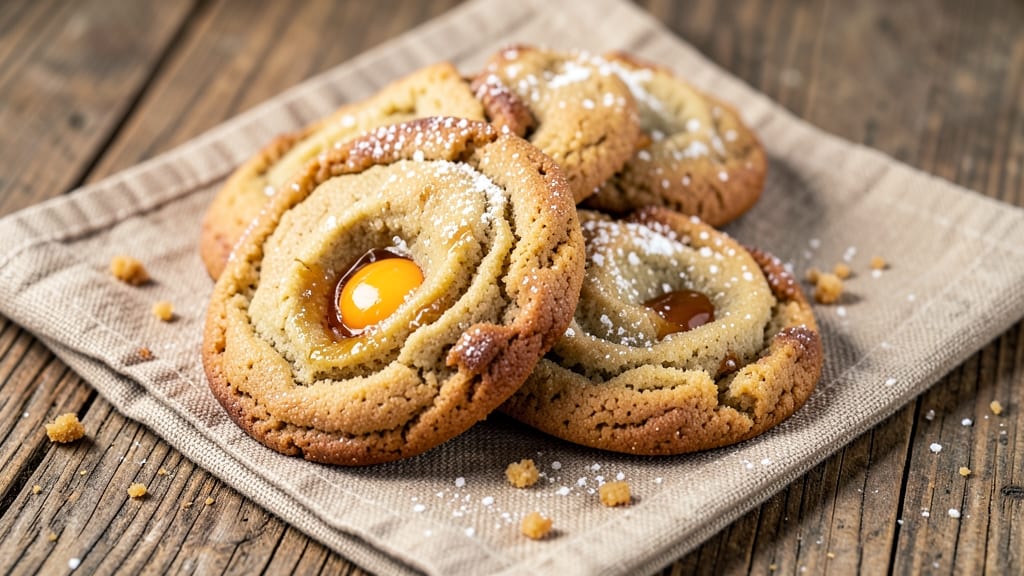
This bluebonnet cookie recipe delivers the iconic Texas State cookie—crunchy, buttery, and foil-sealed for foolproof perfection every time. ✨ The secret lies in the foil wrapping during baking, which creates that signature crispy exterior while keeping the interior tender, just like the originals from the Bluebonnet Bakery.
Traditionally made with just a handful of simple ingredients, these cookies rely on precise technique: chilling the dough for at least 24 hours (don’t skip this step!) and baking them in foil packets to trap moisture and create that signature crunch.
The flavor profile is pure nostalgia—vanilla, almond extract, and a touch of salt that makes each bite irresistible.
What sets these apart is the texture: the outside shatters with every bite, while the inside remains soft and buttery. The foil method ensures consistent results, whether you're baking a batch for a crowd or just satisfying a craving.
Once cooled, rolling them in powdered sugar adds that final touch of sweetness that defines Bluebonnet cookies.
Perfect for holidays, potlucks, or whenever you crave a taste of Texas, these cookies are simple to make but impossible to resist. Let’s get baking—your kitchen will smell like childhood memories in no time.
Ingredients for bluebonnet cookie
Buttery, nostalgic Texas cookies with a crispy foil-sealed secret—just 11 ingredients.
| Ingredient | Amount | Notes |
|---|---|---|
| Unsalted Butter 🧈 | 1 cup | Cold for cutting into dough |
| Granulated Sugar 🍚 | 1 cup | Standard white sugar |
| Packed Brown Sugar 🍚 | ½ cup | Lightly packed |
| Large Eggs 🥚 | 2 whole | Room temperature |
| Pure Vanilla Extract 🍯 | 1 tbsp | Not imitation |
| Almond Extract 🌿 | ½ tsp | Pure almond flavor |
| All-Purpose Flour 🌾 | 2 ½ cups | Sifted for lightness |
| Diamond Crystal Kosher Salt 🧂 | ½ tsp | Fine grain preferred |
| Heavy Cream 🥛 | ¼ cup | Cold for best texture |
| Powdered Sugar 🍚 | ½ cup | For rolling cookies |
| Heavy-Duty Aluminum Foil 📄 | 1 sheet | 12-inch size |
The butter makes or breaks these cookies. Use European-style butter if you can—it's higher in fat, which gives that signature shatter. Kirkland Signature or Plugrá are solid grocery store options, but if you're splurging, Land O'Lakes European-Style is worth it. Keep it cold when cutting into the dough—room temperature butter makes the cookies spread too much. The almond extract is non-negotiable; imitation won't give you that authentic Texas flavor. Goya or McCormick brands are reliable for quality extracts.
No almond extract? Double the vanilla and add a pinch of ground almonds for depth, but it won't be the same. Running low on powdered sugar? Confectioners' sugar from the bulk bin is cheaper and stays fresh longer. The heavy cream should be cold—this prevents the dough from getting too soft. If you're baking for a crowd, double the batch, but chill the dough for at least 24 hours to prevent spreading. For the foil, standard heavy-duty aluminum works, but if you're feeling fancy, parchment-lined foil makes cleanup easier.
Dough keeps for 5 days in the fridge, wrapped tightly in plastic. For long-term storage, freeze shaped dough balls for up to 3 months—just add 2-3 minutes to baking time when ready. Once baked, store cookies in an airtight container with a paper towel to prevent sogginess. These reheat beautifully—pop them in a 200°F oven for 5 minutes to restore that fresh-from-the-oven crunch.
Why You'll Love This Recipe
- No Mixer Needed: I swear by this recipe on days when I’m too tired to cream butter and sugar—just soften the butter, toss it with the sugars, and let the dough come together with minimal effort. The eggs and vanilla do all the heavy lifting.
- Texas Sweetness: That perfect balance of brown sugar’s deep caramel notes and granulated sugar’s crisp bite? It’s like a hug in cookie form. Honestly, I’ve tried fancier recipes, but this one hits the spot every time.
- Party in a Jar: These freeze like a dream, so I always make a double batch for holidays or last-minute gatherings. Break them out thawed or straight from the freezer—no one will guess they’ve been sitting for weeks.
- Butter Budget Win: A stick of butter, a cup of sugar, and a few eggs—that’s it. I’ve made these for years, and the cost per cookie is laughably cheap. (Yes, even on a Tuesday night.)
Step-by-step instructions for foil-sealed Bluebonnet cookies
Here's how to create these buttery, nutty cookies with crisp edges and soft centers using just foil and a stovetop.
👨🍳 Step 1: Cream Butter and Sugars to Light and Fluffy
In a stand mixer fitted with the paddle attachment, beat the cold unsalted butter on medium speed for 2-3 minutes until smooth and creamy. Add the 1 cup granulated sugar and 0.5 cup packed brown sugar, then beat for another 3-4 minutes until the mixture is light in color and nearly doubles in volume.
This creaming process incorporates air, which creates those signature crackly tops. I press down on the paddle occasionally to ensure everything gets fully incorporated. The mixture should look like pale, fluffy whipped butter—if it's still grainy, beat for another minute. Real talk: don't rush this step or your cookies will turn out dense instead of tender.
👨🍳 Step 2: Add Eggs, Extracts, and Dry Ingredients
Add the 2 whole large eggs one at a time, mixing on low speed for 30 seconds after each addition until fully combined. Then add the 1 tbsp pure vanilla extract and 0.5 tsp almond extract, mixing for another 10 seconds. In a separate bowl, whisk together the 2.5 cups all-purpose flour and 0.5 tsp diamond crystal kosher salt. Gradually add the dry ingredients to the wet mixture on low speed, mixing just until combined—you should still see a few flour streaks.
The almond extract adds that signature Bluebonnet flavor, but don't overdo it—just a half teaspoon makes all the difference. I use a silicone spatula to scrape down the sides of the bowl during mixing to ensure everything gets incorporated evenly. The dough should be soft but not sticky—if it is, add another tablespoon of flour.
🥘 Step 3: Shape and Seal Dough in Foil Packages
Divide the dough into 16 equal portions (about 2 tablespoons each) and roll them into balls. Flatten each ball slightly with your palm to create a ½-inch thick cookie shape. Cut a 12-inch square from the heavy-duty aluminum foil and place one cookie on the center. Drizzle 1 teaspoon of the 0.25 cup heavy cream over each cookie.
Here's the key: fold the foil up around each cookie, creating a sealed package. The cream steams inside the foil, creating that signature crispy edge while keeping the center soft. I make sure the foil is tightly sealed—no gaps—so the steam can build up properly. If the dough feels too sticky to handle, wet your hands slightly to prevent sticking.
🔥 Step 4: Steam Cook to Crispy Perfection
Place the foil-wrapped cookies in a single layer in a large skillet over medium heat. Cover the skillet with a lid and cook for 8-10 minutes, until the foil begins to crisp and the cookies are golden brown on the edges. You'll see steam rising from the foil as the cream heats up—this is exactly what you want. Don't peek or lift the lid during cooking, or you'll lose the steam and the texture.
When the edges are crisp and the centers still look slightly underdone, remove the skillet from heat and let the cookies sit in the foil for 2 minutes. Then carefully open the foil packages and transfer the cookies to a wire rack to cool completely. The contrast between the crispy edges and soft centers is what makes these cookies so special.
🍽️ Step 5: Roll in Powdered Sugar and Serve
Once the cookies are completely cool, roll each one in the 0.5 cup powdered sugar to coat evenly. The powdered sugar adds that classic Bluebonnet touch and helps keep the cookies fresh longer. I use a fine-mesh sieve to dust the sugar evenly over the cookies, then gently roll them to ensure full coverage.
Serve the cookies warm or at room temperature. They're best enjoyed with a glass of cold milk or a cup of coffee. The foil-sealing method might seem unusual, but it guarantees that perfect balance of textures—crispy outside, soft inside—that makes these cookies legendary. Store any leftovers in an airtight container for up to 5 days or freeze for up to 3 months.
Pro Tips For Making Bluebonnet Cookie
- CREAM THE BUTTER LOW: Bluebonnet cookies rely on that buttery, melt-in-your-mouth texture, so don’t rush the butter-sugar mix. Use a stand mixer with the paddle attachment and cream on medium-low for at least 3-4 minutes until the butter is pale and fluffy—not just combined. I learned this the hard way when my cookies turned out dense and cakey because I skipped this step.
- CHILL THE DOUGH LONGER: Resist the urge to bake immediately. Wrap the dough in plastic and refrigerate for at least 24 hours (or overnight)—this isn’t optional. The longer it rests, the more flavor develops, and the less likely the cookies are to spread into sad, flat pancakes. I used to bake them the same day, and they never had that perfect chewy center.
- MEASURE BROWN SUGAR RIGHT: Pack that brown sugar firmly into the measuring cup—don’t just scoop and level. Too much air means your cookies will spread too much, and you’ll end up with thin, crispy discs instead of thick, cakey bites. Tap the cup on the counter a few times to settle it before scooping.
- USE ROOM-TEMP EGG WHITES: Cold egg whites can cause the dough to look streaky or uneven. Let them sit in warm water for 5 minutes before cracking them into the mixer—this ensures they blend smoothly and the cookies bake evenly. I was skeptical until I tried it, and now I never skip this step.
Wine and beer pairings for these flavors
Texas Sweet Tea
Bluebonnet cookies pair beautifully with the classic Texas sweet tea—its bold, slightly tangy flavor cuts through the buttery richness. I recommend a 12-ounce glass of chilled tea sweetened with 2 tablespoons of sugar per cup.
The lemon slice adds a refreshing zing that balances the cookies' sweetness perfectly. For an extra treat, serve the tea over ice with a splash of half-and-half for a creamy, indulgent twist. 🍹
Creamy Vanilla Milk
Nothing complements these cookies like a tall glass of cold, whole milk with a splash of vanilla extract—just a pinch on the tip of a knife. The natural sweetness of the milk enhances the almond and vanilla flavors in the cookies.
I often make a pitcher ahead of time and refrigerate it for quick serving. For a richer option, try 2% milk with a dollop of whipped cream on top. This pairing is nostalgic and timeless, just like the cookies themselves. 🥛
Texas-Style Coffee
If you prefer coffee, go for a strong, dark roast like a French press brew with a touch of half-and-half. The bold coffee grounds the sweetness of the cookies while letting their nutty flavors shine.
For a Southern touch, add a dash of cinnamon to your cup—it echoes the warm spices in the cookie dough. I like to serve it black first, then let guests add cream and sugar to taste. This combo is especially popular during holiday gatherings in Texas. ☕
Spiced Chai Latte
For a cozy, spiced alternative, try a hot chai latte made with black tea, cinnamon, cardamom, ginger, and cloves. The warm spices in the chai complement the almond and vanilla notes in the cookies beautifully.
I use Starbucks Chai Latte Mix for convenience, but homemade versions with loose-leaf tea taste even better. Serve it warm during cooler months or over ice in summer for a refreshing contrast. 🌶️
Light White Wine
If you're serving these cookies as a dessert course, a crisp Sauvignon Blanc or Pinot Grigio from Italy or New Zealand works wonderfully. The wine's acidity and citrus notes cleanse the palate between bites, letting the cookies' buttery richness stand out.
Avoid heavy or oaky whites—they can overpower the delicate flavors. I recommend chilling the wine to 45-50°F for the best experience. 🍷
Local Texas Craft Beer
For beer lovers, a Texas-style blonde ale or wheat beer pairs surprisingly well with these cookies. The light malt sweetness and subtle citrus notes in beers like Deep Ellum's Texas Blonde or Lone Star Brewing's Shiner Bock complement the cookies' buttery texture.
Serve the beer slightly chilled (40-45°F) to enhance its refreshing qualities. This pairing is a fun twist for casual gatherings. 🍺
Nutrition facts
Frequently asked questions
Why do I need to chill the dough for 24 hours?
The 24-hour chill is critical for two reasons: it prevents the cookies from spreading too much during baking (thanks to the cold butter), and it lets the flavors meld together for that authentic Bluebonnet taste. Skipping this step often results in flat, cakey cookies instead of the signature crispy-edged texture. Think of it as the secret to that perfect shatter you crave!
Can I make these cookies without almond extract?
You can substitute, but the flavor won't be the same. Try doubling the vanilla extract (2 tbsp) and adding 1 teaspoon of ground almonds to the dough for depth. For a different twist, ½ teaspoon of orange extract works surprisingly well too. The almond extract is what gives these cookies their iconic Texas flavor profile, though!
Why does the recipe use foil instead of an oven?
The foil-sealing method creates steam that crisps the edges while keeping the centers soft—just like the original Bluebonnet Bakery technique! The heavy cream inside the foil packets steams during cooking, creating that signature contrast. This stovetop method is foolproof for perfect cookies every time, especially if you don't have an oven or want to avoid preheating. It's also great for small batches!
How do I store these cookies to keep them fresh?
Store them in an airtight container with a paper towel to absorb moisture for up to 5 days at room temperature. For longer storage, freeze shaped dough balls for 3 months—just add 2-3 extra minutes to baking time when ready. To refresh stale cookies, pop them in a 200°F oven for 5 minutes to restore that crispy crunch. The powdered sugar coating helps preserve freshness too!
Can I make these gluten-free or vegan?
For gluten-free, substitute 2.5 cups of gluten-free 1:1 flour blend and add ½ teaspoon xanthan gum to the dough. For vegan, use vegan butter, flax eggs (2 tbsp ground flax + 6 tbsp water), and coconut cream instead of heavy cream. Note that texture may vary slightly—these adaptations work best for the foil-sealing method with careful monitoring. The flavor will still be delicious!