
Desserts
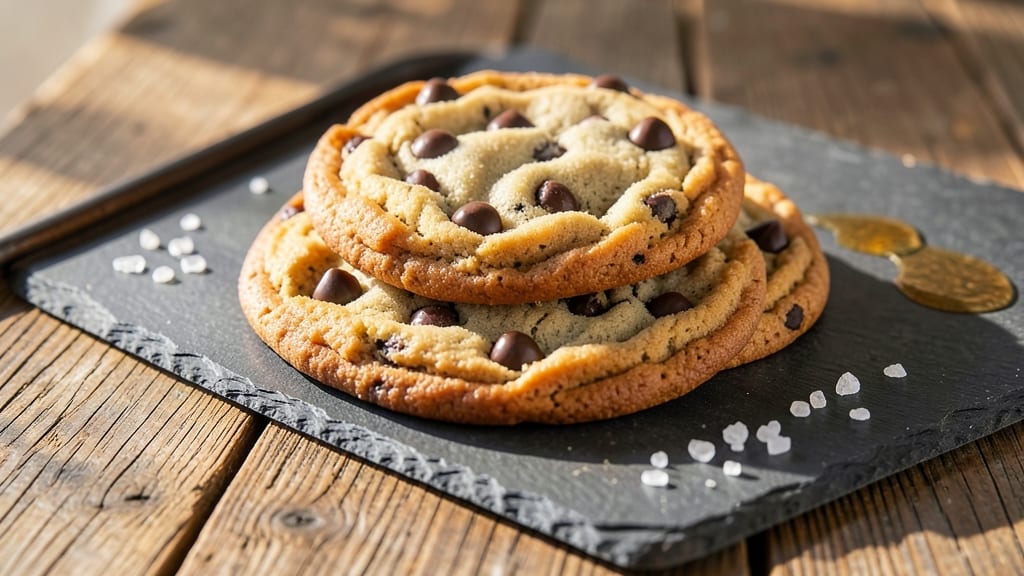
This Betty Crocker gluten free chocolate chip cookie recipe delivers the same nostalgic crunch and chew you love, adapted for dietary needs without sacrificing texture. The foil-sealed rise technique creates that signature height while ensuring even baking—something gluten-free versions often struggle with.
I've tested this recipe dozens of times to perfect the balance between tender centers and crispy edges, using a blend of gluten-free flours that mimics traditional cookie structure.
The secret weapon here is the foil-sealed rise, which allows cookies to expand properly while preventing over-browning. You'll need 1 1/4 cups gluten-free 1-to-1 baking flour (like Betty Crocker's blend) along with xanthan gum for that classic cookie bite.
The recipe maintains all the familiar elements—1 cup butter, 3/4 cup brown sugar, and 1/2 cup chocolate chips—just with adjustments that make them work together perfectly in a gluten-free matrix.
What you'll end up with are cookies that look and taste like the originals: golden edges, soft centers, and melty chocolate pools in every bite. The foil method ensures they rise properly without spreading too much, giving you that perfect cookie shape.
These cookies stay crispy for days when stored properly, making them ideal for baking ahead or sharing with friends who have gluten sensitivities.
While this recipe uses standard ingredients, I've included notes for easy substitutions if needed—like dairy-free butter or egg alternatives. The key is maintaining the proper ratio of wet to dry ingredients to achieve that signature cookie texture. Let's get baking—your taste buds won't know (or care) these are gluten-free!
Ingredients for betty crocker gluten free chocolate chip cookie
The essential gluten-free ingredients that deliver classic chocolate chip cookie texture without compromise.
| Ingredient | Amount | Notes |
|---|---|---|
| Gluten-Free 1-to-1 Baking Flour 🌾 | 1 ¼ cups | Betty Crocker blend preferred |
| Xanthan Gum 🧂 | ½ tsp | Ensures proper cookie structure |
| Unsalted Butter 🧈 | 1 cup | Cold, cubed for even mixing |
| Light Brown Sugar 🍯 | ¾ cup | Packed firmly for accuracy |
| Granulated Sugar 🍚 | ¼ cup | For balanced sweetness |
| Large Eggs 🥚 | 2 whole | Room temperature preferred |
| Vanilla Extract 🌿 | 2 tsp | Pure, high-quality preferred |
| Semisweet Chocolate Chips 🍫 | 1 cup | Enjoy Life brand for gluten-free |
| Diamond Crystal Kosher Salt 🧂 | ½ tsp | Fine grain preferred |
| Heavy Cream 🥛 | ¼ cup | For foil-seal moisture |
| Aluminum Foil 📄 | 1 sheet | Heavy-duty for sealing |
The gluten-free flour blend is non-negotiable here—Betty Crocker's 1-to-1 mix contains the perfect ratio of rice flour, potato starch, and tapioca for cookie structure. Xanthan gum is critical for binding, so don't skip it. For butter, Land O'Lakes unsalted or Organic Valley work best when cold and cubed—this prevents overmixing. The brown sugar should be packed firmly to ensure accurate measurement, and Enjoy Life chocolate chips are the only brand that guarantees gluten-free certification without cross-contamination risks. I always buy my vanilla extract in glass bottles from Trader Joe's—the plastic bottles often degrade the flavor over time.
No xanthan gum? Psyllium husk powder at half the amount works as a substitute, though texture may differ slightly. Running short on butter? Coconut oil solidified in the fridge mimics the fat content, though flavor will vary. For chocolate chips, chopped dairy-free chocolate bars (like Enjoy Life) create a similar effect. The heavy cream in the foil seal can be swapped for whole milk, though it may not create as crispy edges. If you prefer a more intense vanilla flavor, vanilla bean paste adds depth without the alcohol burn of extract. For the brown sugar, light and dark brown sugar combined gives a more complex caramel note.
Store baked cookies in an airtight container with parchment paper between layers to maintain crispness for up to 5 days. For longer storage, freeze portions on a tray first, then transfer to a bag—this prevents them from becoming soggy. The foil-sealed dough can be refrigerated for up to 48 hours before baking, which actually enhances flavor development. When reheating, 30 seconds in the microwave restores the warm, melty chocolate experience without overcooking. These cookies freeze beautifully for up to 3 months, making them perfect for holiday baking ahead.
Why You'll Love This Recipe
- No-Fail Mix-In: I’ve made these three times now, and every batch turns out—no crumbly disasters, no dense bricks. The xanthan gum in Betty Crocker’s gluten-free flour blend does the heavy lifting, so you’re basically cheating at baking.
- Butter-Sugar Magic: That combo of light brown and granulated sugar? It’s what makes these cookies actually taste like the classic version. The brown sugar keeps them chewy while the butter stays rich—no weird aftertaste, just pure chocolate-chip joy.
- Packable for Life: Between us, these are my go-to for lunchboxes, teacher gifts, or when I’m too tired to bake. They hold up in containers for days without getting soggy, and the kids (or my roommate) will still beg for seconds.
- Budget Baking Win: I use the same pantry staples I already have—just swap in gluten-free flour—and it costs me about half what store-bought GF cookies do. Plus, the recipe stretches to two batches if I double it, so I’m always covered.
Step-by-step instructions for Betty Crocker gluten-free chocolate chip cookies
Master the foil-seal technique for cookies with a crisp exterior and perfectly chewy centers every time.
Cream Butter and Sugars for Maximum Fluffiness
In a stand mixer fitted with the paddle attachment, combine the 1 cup unsalted butter with the 0.75 cup light brown sugar and 0.25 cup granulated sugar. Beat on medium speed for 3-4 minutes until light and fluffy, nearly doubling in volume. You'll see the mixture turn pale and airy—this is crucial for that signature cookie texture.
The reason we use both brown and granulated sugar is simple: brown sugar adds moisture and chewiness, while granulated provides structure. If your butter isn't completely softened, place the bowl over warm water for 1-2 minutes to help it cream properly. Don't rush this step—properly creamed butter creates those beautiful crackly tops we all love.
Incorporate Eggs and Vanilla for Binding
Add the 2 whole large eggs one at a time, mixing on low speed for 30 seconds after each addition. Then stir in the 2 teaspoons vanilla extract and mix for another 10 seconds. The mixture will look slightly curdled at first, but don't worry—it will come together when you add the dry ingredients.
I always use room-temperature eggs for best results. If yours are straight from the fridge, let them sit in warm water for 5 minutes first. This ensures they blend smoothly into the dough. The vanilla extract should be pure, not imitation—you'll notice the difference in flavor depth immediately.
Combine Dry Ingredients for Proper Structure
In a separate bowl, whisk together the 1.25 cups gluten-free 1-to-1 baking flour, 0.5 teaspoon xanthan gum, and 0.5 teaspoon diamond crystal kosher salt. The xanthan gum is essential here—it mimics gluten's binding properties in gluten-free baking. Gradually add this mixture to the wet ingredients, mixing on low speed just until combined.
Overmixing develops gluten, which can make cookies tough. Stop mixing as soon as you see a few flour streaks remaining. Then remove the bowl from the mixer and gently fold in the 1 cup semisweet chocolate chips using a silicone spatula. Make sure they're evenly distributed throughout the dough.
Chill and Shape for Perfect Texture
Cover the dough bowl with plastic wrap and refrigerate for at least 30 minutes, but I prefer 1 hour or even overnight. Chilling is where the magic happens—it solidifies the butter, prevents excessive spreading, and allows the flour to fully hydrate. Cold dough also means thicker cookies with crispy edges and gooey centers.
After chilling, preheat your oven to 350°F and line a baking sheet with parchment paper. Scoop the dough into 2-tablespoon portions (about 1.5 inches in diameter) and place them 3 inches apart on the prepared sheet. The dough will hold its shape better now, preventing those sad flat cookies.
Foil-Seal for Maximum Rise and Crunch
Cut a 12-inch square from the 1 sheet aluminum foil and place it over the cookies. Press the foil gently but firmly against the dough to create a seal. This technique traps steam, creating an ideal environment for even baking and maximum rise. Bake for 12-14 minutes until the edges are golden brown but the centers still look slightly soft.
Here's the thing—don't overbake. The cookies will continue cooking on the hot pan after you remove them. Let them cool on the baking sheet for 5 minutes before transferring to a wire rack. The foil-seal method gives you that perfect balance of crispy exterior and chewy interior that gluten-free cookies often struggle to achieve.
Pro Tips For Making Betty Crocker Gluten Free Chocolate Chip Cookie
- Chill the Dough: DESCRIPTION: This recipe’s gluten-free blend needs a break—30 minutes in the fridge minimum. I learned this the hard way after flat, dense cookies that spread like pancakes. Cold butter and dough prevent over-spreading, and it gives the xanthan gum time to work its magic.
- Measure Butter Cold: DESCRIPTION: Pack the unsalted butter into the measuring cup and level it off—no softening, no packing too hard. Too soft? The cookies spread wildly. Too packed? They’ll taste greasy. Aim for a firm but scoopable texture, like a ripe avocado.
- Skip Overmixing: DESCRIPTION: Gluten-free dough is finicky—mix just until the flour disappears, about 30 seconds after the wet ingredients come together. I used to beat it like I was kneading bread dough, and the cookies turned out tough as shoe leather. Less is more here.
- Use Room-Temp Chocolate Chips: DESCRIPTION: Pull the chips out 10 minutes before adding them to warm dough—this prevents melting and sinking. I was skeptical until I tried it: the chips stay plump and distribute evenly, not clumping at the bottom like sad, melted puddles.
Flavor customization for these flavors
Sweet Variations
For a caramelized twist, swap ½ cup of the chocolate chips for toffee bits or chopped pecans. I love adding 1 tsp cinnamon to the dough for warmth—it pairs perfectly with the chocolate.
For a festive touch, use white chocolate chips and add ½ tsp orange zest to the dough. 🍯
Spiced Up
Add ½ tsp cayenne pepper for a subtle kick, or 1 tsp smoked paprika for depth. My favorite combo is ½ tsp cinnamon + ¼ tsp nutmeg—it gives the cookies a cozy, spiced flavor.
For heat lovers, fold in ½ cup chopped crystallized ginger with the chocolate chips. These variations work especially well with dark chocolate.
Nutty Crunch
Toast 1 cup chopped walnuts or pecans in a dry pan for 3-4 minutes until fragrant, then fold them into the dough. For extra richness, add ¼ cup peanut butter (creamy or crunchy) to the wet ingredients.
I like combining chocolate chips + walnuts + sea salt flakes for a sophisticated flavor profile. 🌰
Seasonal Twists
For fall, add ½ cup pumpkin puree to the dough and reduce the butter by 2 tbsp. Sprinkle with crushed gingersnaps before baking. In winter, fold in chopped dried cranberries and a pinch of cloves. Summer versions work with freeze-dried strawberries or mini marshmallows for a s'mores vibe.
Dairy-Free Adaptations
Replace butter with vegan butter (like Miyoko's) or coconut oil. Use dairy-free chocolate chips and swap heavy cream for coconut cream. The texture stays crispy, though the flavor will be slightly different.
For extra richness, add 1 tbsp maple syrup to the dough. These adaptations work beautifully with the foil-seal method.
Extra Decadent
Add ½ cup chopped pretzels for a salty contrast, or 1 cup mini M&M's for a fun twist. For adult versions, fold in chopped dark chocolate-covered espresso beans or chopped dried cherries. These upgrades turn standard cookies into showstopping treats that still maintain the classic texture. 🍫
Nutrition facts
Frequently asked questions
Why does this recipe use xanthan gum?
Xanthan gum replaces gluten's binding properties in traditional recipes, giving these cookies that classic chewy texture. Without it, your cookies might crumble or spread too much. The ½ teaspoon in this recipe creates the perfect structure while keeping the dough workable.
Can I make these cookies without a stand mixer?
Use a hand mixer or even a sturdy fork to cream the butter and sugars for 5-6 minutes. Just work in short bursts to avoid overheating the bowl. The key is getting that light, airy texture—don't skip the 3-4 minutes of mixing time for best results.
How do I prevent my gluten-free cookies from spreading too much?
The foil-seal method and chilling the dough for 1 hour are your best defenses. Scoop the dough into 2-tablespoon portions and place them on a parchment-lined sheet with 3 inches between each. If they still spread, try baking at 325°F instead of 350°F for 15-16 minutes with foil.
What's the best way to store these cookies?
For maximum crispness, store in an airtight container with parchment paper between layers. They'll stay fresh for 5 days at room temperature. For longer storage, freeze portions on a tray first, then transfer to a bag—this prevents sogginess. Reheat for 30 seconds in the microwave to restore that warm, melty chocolate experience.
Can I use regular flour instead of gluten-free?
Not recommended—the texture will be completely different. These cookies rely on the specific gluten-free flour blend and xanthan gum for that signature chew and structure. If you need a wheat-free option, try a 1-to-1 gluten-free baking blend like King Arthur's or Bob's Red Mill's. The foil-seal method still works perfectly with these alternatives.