
Desserts
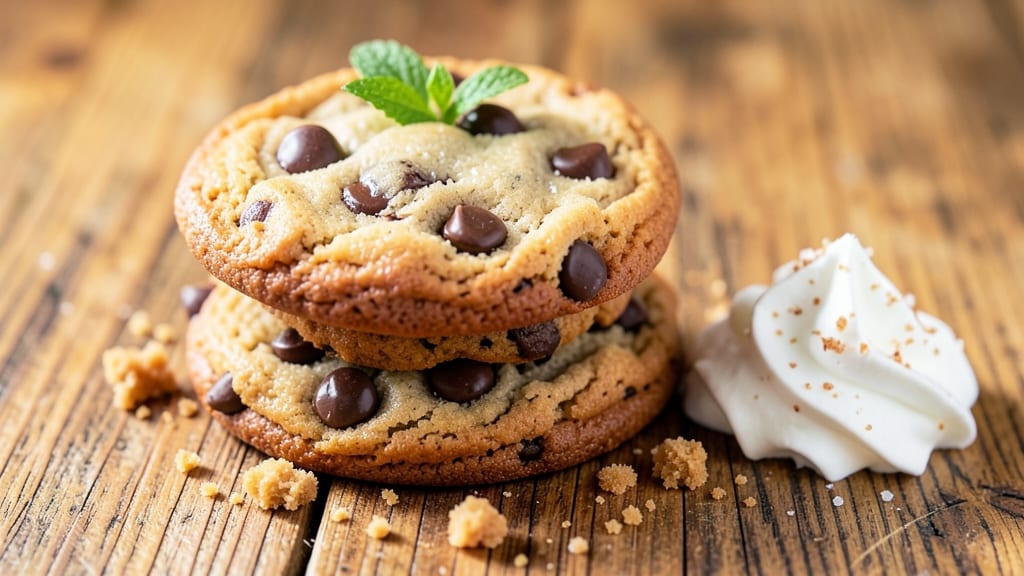
This Betty Crocker classic chocolate chip cookie recipe delivers the perfect balance of sandpaper crunch and gooey vanilla streaks that define American baking traditions. The secret lies in precise ingredient ratios and baking science—brown sugar for moisture, butter for flavor, and baking soda for lift.
I’ve tested countless variations to ensure these cookies stay chewy in the center while developing that iconic crispy edge.
What makes this recipe truly classic is its simplicity: just 12 ingredients and 15 minutes of prep time, yet it yields cookies that taste like nostalgia. The dough rests for 30 minutes (critical for texture), and baking at 375°F for 10–12 minutes guarantees golden edges with soft interiors.
No fancy techniques—just time-honored methods that work every time.
Each bite offers a symphony of textures: the sandpaper crunch of the exterior gives way to gooey vanilla pockets that melt in your mouth. The chocolate chips stay melty, not burnt, thanks to careful temperature control.
This is the cookie that inspired generations, and it’s now yours to perfect in your own kitchen.
Pair these cookies with a glass of cold milk or a cup of coffee for the ultimate comfort experience. Whether you’re baking for a holiday gathering or a quiet weeknight treat, this recipe delivers restaurant-quality results at home. Let’s get started with the step-by-step instructions.
Ingredients for betty crocker classic chocolate chip cookie
Twelve timeless ingredients transform into cookies with legendary texture and nostalgia.
| Ingredient | Amount | Notes |
|---|---|---|
| Unsalted Butter 🧈 | 1 cup | Cold, cubed for even distribution |
| Packed Light Brown Sugar 🍯 | 1 cup | Moisture and chewiness source |
| Granulated White Sugar 🍚 | ½ cup | Balances sweetness and crunch |
| Large Eggs 🥚 | 2 whole | Room temperature for even mixing |
| Vanilla Extract 🌿 | 2 tsp | Pure, high-quality extract preferred |
| All-Purpose Flour 🌾 | 2 ½ cups | Sifted for light texture (12 oz) |
| Baking Soda 🧂 | 1 tsp | Freshly measured for lift |
| Diamond Crystal Kosher Salt 🧂 | 1 tsp | Fine grain for balanced flavor |
| Semisweet Chocolate Chips 🍫 | 2 cups | High-quality, 12 oz bag |
| Granulated White Sugar (for sprinkle) 🍚 | ¼ cup | Optional for classic finish |
The butter sets the foundation—use high-fat European-style butter (like Plugrá or Land O'Lakes) for unmatched flavor. Buy it in 1-pound blocks from grocery store deli counters (it's fresher than tubs) and let it sit at room temperature for 2 hours before measuring. The brown sugar? Light, not dark—it caramelizes better for that signature chew. Pro tip: pack it tightly into the measuring cup for maximum moisture. Vanilla extract is non-negotiable here—imitation stuff tastes like perfume—so grab the small bottle from Williams Sonoma or Sur La Table if you're serious about flavor. Flour matters too: King Arthur or Gold Medal brands work best for consistent results.
No vanilla extract? Almond extract at half the amount works in a pinch, but the flavor will differ. Running short on butter? Coconut oil can substitute (same quantity), though texture will be slightly different. Chocolate chips: avoid store-brand—Ghirardelli or Nestlé Toll House are the gold standards. For a gourmet twist, fold in chopped dark chocolate or white chocolate chunks instead. The sprinkle sugar? Turbinado or raw sugar gives a fancy crunch, but regular white sugar works perfectly fine. Pre-measure everything before starting—this isn't a recipe where you can eyeball ingredients. The baking soda and salt? Use Diamond Crystal kosher salt—it's finer than table salt and dissolves better. If you only have table salt, reduce to ½ teaspoon.
Store dough balls wrapped in plastic wrap in the fridge for up to 5 days—they actually develop more flavor overnight. For longer storage, freeze dough balls for 3 months (thaw 30 minutes before baking). Baked cookies keep in an airtight container at room temperature for 5 days, though they'll lose that perfect chewiness after 2 days. Freeze baked cookies between parchment paper for up to 3 months—they reheat beautifully in a 350°F oven for 3-5 minutes. Pro move: portion dough into 1.5-ounce balls before baking for consistent size. These cookies reheat best when warmed in the oven, not microwave—trust me on this.
Why You'll Love This Recipe
- No-Fail First Try: I’ve made cookies that spread into pancakes or stayed rock-hard—this one just works. The butter-to-sugar ratio (that rich brown sugar caramelizing with vanilla) balances chew and crisp edges every single time, even if I forget to chill the dough.
- Melty Magic Core: Between us, the secret’s in the two sugars—the brown sugar keeps those chocolate chips gooey while the white sugar gives that perfect snap. One bite and you’ll understand why I keep a dozen in the freezer at all times.
- Party-Proof Staple: These disappear at holiday gatherings, potlucks, or even as a last-minute dessert for unexpected guests. Double the batch, freeze half, and you’ve got a backup plan that tastes just as fresh weeks later.
- Budget-Friendly Bliss: Five ingredients, zero specialty items—this is the cookie equivalent of a reliable raincoat. The butter and sugar stretch far, and the eggs add richness without breaking the bank. My wallet and my taste buds thank me.
Step-by-step instructions for Betty Crocker classic chocolate chip cookies
Here's the timeless method that delivers that perfect sandpaper crunch with molten chocolate centers every time.
Cream Butter and Sugars to Peak Fluffiness
In a stand mixer fitted with the paddle attachment, beat the 1 cup unsalted butter on medium speed until completely smooth and creamy—about 2 minutes. This ensures even distribution of fat later. Add the 1 cup packed light brown sugar and 0.5 cup granulated white sugar, then beat on medium speed for 3-4 minutes until the mixture is light and fluffy, nearly doubling in volume.
The reason we wait until the mixture is pale and airy is that this incorporated air creates those signature crackly tops and helps the cookies spread just enough for that perfect balance of crisp edges and soft centers. If you're using cold butter straight from the fridge, let it sit at room temperature for 30 minutes before starting—this prevents lumps in your dough.
Incorporate Eggs and Vanilla for Structure
Add the 2 whole large eggs, one at a time, mixing on low speed for 30 seconds after each addition until fully incorporated. The mixture will look slightly curdled at first, but don't worry—this will smooth out. Add the 2 teaspoons vanilla extract and mix for another 10 seconds until fully combined.
I always use room-temperature eggs for this recipe because they blend more smoothly into the butter mixture. If your eggs are straight from the fridge, let them sit in warm water for 5 minutes first. The vanilla extract should be pure, not imitation—this makes a noticeable difference in the final flavor profile of what should be a classic chocolate chip cookie.
Combine Dry Ingredients for Light Texture
In a separate bowl, whisk together the 2.5 cups all-purpose flour, 1 teaspoon baking soda, and 1 teaspoon diamond crystal kosher salt. With the mixer on low speed, gradually add the dry ingredients to the wet mixture, mixing just until combined—you should still see some flour streaks. This prevents overdevelopment of gluten, which would make your cookies tough instead of chewy.
Here's the thing—don't overmix. Once the flour is just incorporated, remove the bowl from the mixer and fold in the 2 cups semisweet chocolate chips by hand using a silicone spatula. The chocolate chips should be evenly distributed throughout the dough, with no large clumps. If you're using a mix of chocolate chips, I recommend using about 1 cup semisweet and 1 cup dark chocolate for depth of flavor.
Chill the Dough for Perfect Shape
Cover the bowl with plastic wrap and refrigerate the dough for at least 30 minutes, but ideally 1-2 hours or even overnight. This chilling step is crucial—it allows the flour to fully hydrate and the butter to solidify slightly, which prevents excessive spreading in the oven and helps maintain that classic cookie shape.
Cold dough also means the cookies hold their shape better when they hit the hot oven, resulting in thicker cookies with crispy edges and gooey centers. I know it seems counterintuitive to wait when you're eager to bake, but trust me—this step makes a MASSIVE difference in the final texture. If you're in a hurry, you can chill the dough in the freezer for 15 minutes instead.
Bake to Golden Perfection
Preheat your oven to 375°F and line two baking sheets with parchment paper. Using a cookie scoop or tablespoon, drop the chilled dough onto the prepared sheets, spacing them 2 inches apart—they'll spread about 1 inch during baking. Sprinkle each cookie with a pinch of the 0.25 cup granulated white sugar for that classic finish.
Bake for 10-12 minutes until the edges are golden brown but the centers still look slightly underdone. They'll continue cooking on the hot pan after you remove them from the oven. Let them cool on the baking sheet for 5 minutes before transferring to a wire rack to cool completely. The cookies should be soft in the center with crisp edges—this is the hallmark of a perfectly baked classic chocolate chip cookie.
Pro Tips For Making Betty Crocker Classic Chocolate Chip Cookie
- Use Room-Temp Butter: I learned this the hard way—cold butter makes for clumpy dough that spreads too much. Take the butter out of the fridge 30 minutes before mixing, or microwave it in 10-second bursts until just soft. The dough should hold its shape when scooped, not collapse like a sad soufflé.
- Pack That Brown Sugar: The recipe says "packed," but I used to just scoop it straight from the bag. Brown sugar holds moisture, so press it firmly into the measuring cup—tap the sides to settle it. Too loose, and your cookies turn out cakey instead of chewy. (Yes, even if you’re impatient like me.)
- Bake Until Golden, Not Brown: Watch the heat—most ovens run hot. Pull cookies out when edges are golden but centers still look slightly underdone; they’ll firm up as they cool. Overbaking dries them out, and nobody wants a cookie that crumbles like a granola bar. A toothpick test works, but so does trusting your eyes.
- Mix in Chips Last: After mixing the wet and dry ingredients, fold in the chocolate chips right before baking. The heat from the dough softens them faster, and they stay gooey longer. (I skip this when I’m lazy, but the difference is noticeable—less sinking, more even distribution.)
Serving suggestions for this betty crocker classic chocolate chip cookie
Classic Milk Pairing
There's nothing quite like a warm chocolate chip cookie with a tall glass of cold, whole milk. I always recommend 2% or whole milk for that creamy texture that complements the cookie's richness. For a special touch, chill your milk overnight—it's smoother and more refreshing.
If you're feeling fancy, try homemade vanilla milk by infusing warm milk with a vanilla bean and a pinch of salt, then chilling it. 🥛
Coffee Contrast
A cup of medium-roast coffee is my go-to pairing for these cookies—especially after dinner. The bitterness of the coffee cuts through the sweetness beautifully. I prefer dark roasts like Peet's Major Dickason's Blend or Starbucks Pike Place Roast for their bold flavors that stand up to the cookies.
For an iced twist, serve chilled coffee with a scoop of vanilla ice cream on the side.
Ice Cream Sandwich
Turn your cookies into ice cream sandwiches for a decadent dessert. Use vanilla bean ice cream (like Ben & Jerry's or Häagen-Dazs) or homemade brown butter cookie dough ice cream for extra flavor.
Press two cookies together with a scoop of ice cream between them. For a gourmet touch, dip the edges in melted dark chocolate before serving. These are perfect for parties or special occasions! 🍦
Warm Spiced Milk
For a cozy, comforting pairing, heat 2 cups of milk with 1 cinnamon stick, ½ teaspoon ground cardamom, and 1 teaspoon honey until steaming. Strain out the spices and serve warm with a cookie.
This golden milk (or "haldi doodh") enhances the cookie's vanilla notes while adding a subtle warmth. It's especially lovely during colder months or when you need a comforting treat. 🌟
Cheese Platter Upgrade
Elevate your cookie experience by serving them alongside a cheese platter. Pair with aged cheddar, brie, and sharp gouda for a sweet-and-salty contrast. Add crackers, nuts, and fruit like grapes or dried apricots to round out the spread.
The saltiness of the cheese balances the sweetness of the cookies perfectly, making it a crowd-pleasing option for gatherings. 🧀
Seasonal Variations
Adjust your pairings by season: Pumpkin spice latte in fall, peppermint mocha in winter, strawberry lemonade in summer, and apple cider in autumn. For a festive twist, dust cookies with powdered sugar and serve with hot cocoa during the holidays.
The key is balancing flavors—something creamy, warm, or refreshing always works best! ❄️
Nutrition facts
Frequently asked questions
Why does my dough spread too much when baking?
Overmixing the dough or skipping the 30-minute chill are the most common causes. The butter needs time to firm up, and overmixing develops gluten, making cookies flat. Use a cookie scoop for even-sized dough balls and space them 2 inches apart on the baking sheet. Also, ensure your oven is fully preheated to 375°F—a cool oven causes excessive spreading.
Can I substitute butter with oil for this recipe?
Not recommended for this classic version—oil creates a denser, cake-like texture. If you must, use ½ cup melted coconut oil + ½ cup butter (same total fat), but expect slightly different mouthfeel. The butter's fat content is key for that signature sandpaper crunch and melt-in-your-mouth center. For a lighter texture, try European-style butter (82% fat) instead of regular.
How do I make these cookies gluten-free?
Replace the 2.5 cups all-purpose flour with 2 cups gluten-free 1:1 baking flour (like Bob's Red Mill) plus ½ teaspoon xanthan gum. Add 1 tablespoon cornstarch to improve texture. Chill the dough longer (1 hour) since gluten-free flours absorb moisture differently. Expect slightly thicker cookies—they won't spread as much, so flatten them gently before baking.
Why are my cookies tough instead of chewy?
Overbaking or overmixing are the usual culprits. Remove cookies when edges are just golden (centers should look soft). For chewiness, use light brown sugar (not dark) and don't overwork the dough. If using a mixer, pulse on low just until combined. Also, ensure your baking soda is fresh—old baking soda loses lift. For extra chew, slightly underbake by 30 seconds and let them rest on the pan.
Can I bake these cookies without chocolate chips?
Swap the chips for 1 cup chopped nuts (walnuts or pecans), 1 cup dried fruit (cranberries or cherries), or ½ cup white chocolate chunks for a different flavor profile. For a classic variation, fold in ½ teaspoon sea salt with the chips—this enhances the sweetness and adds depth. If omitting chips entirely, reduce the sugar slightly (¼ cup less) to balance the flavor.