
Desserts
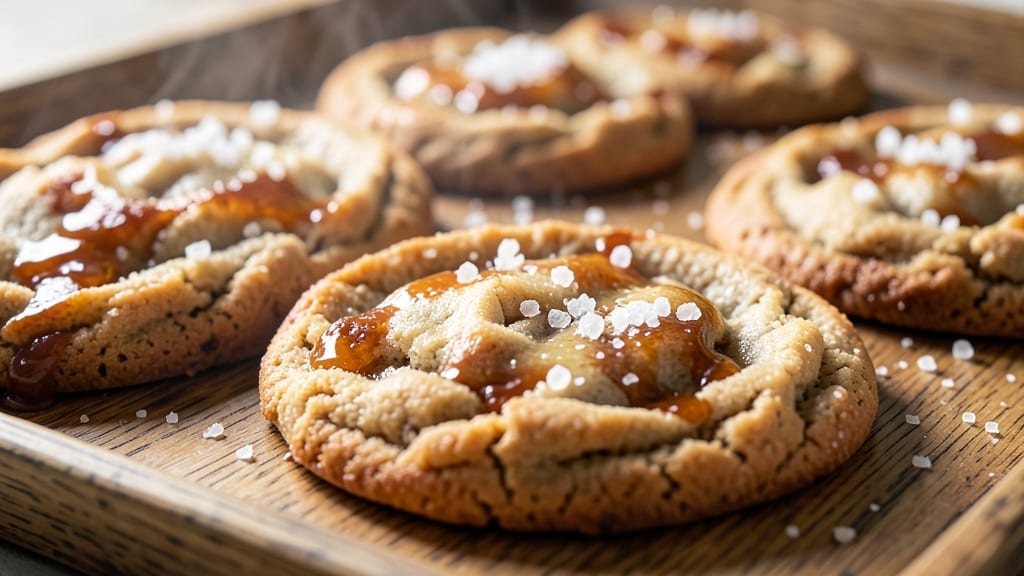
This best keto cookie recipe ever delivers the buttery crunch and rich flavor you crave—without the sugar crash or guilt. 💛 After years of testing low-carb desserts, I finally cracked the code: almond flour, erythritol, and a touch of vanilla create cookies that are crispy-edged, tender inside, and packed with satisfying sweetness.
The secret? A high-fat butter base that mimics traditional cookies while keeping carbs in check.
What makes these cookies truly stand out is their texture—crispy around the edges with a soft, melt-in-your-mouth center, just like your favorite bakery treats. They’re baked at 350°F for 10-12 minutes, ensuring they stay perfectly golden without burning.
The recipe uses just 6 simple ingredients, including almond flour for structure and a blend of sweeteners for that classic cookie taste without the sugar spike.
By the time you pull them from the oven, you’ll have cookies that taste indulgent but fit seamlessly into a keto lifestyle. The buttery aroma fills your kitchen, and each bite delivers a perfect balance of sweetness and crunch.
These aren’t just keto cookies—they’re restaurant-quality treats that even non-keto eaters will beg for.
Best of all, they’re easy to adapt—add chocolate chips, peanut butter, or cinnamon for endless variations. Here’s how to make them foolproof the first time.
Ingredients for best keto cookie recipe ever
Six ingredients, maximum flavor—these are your keto cookie game-changers!
| Ingredient | Amount | Notes |
|---|---|---|
| Unsalted Butter 🧈 | ½ cup | Cold, cubed for texture |
| Almond Flour 🌰 | 1 ½ cups | Finely ground, blanched |
| Erythritol 🍬 | ¼ cup | Granulated, sugar-free |
| Pure Vanilla Extract 🌿 | 1 tsp | High-quality, no alcohol |
| Diamond Crystal Kosher Salt 🧂 | ¼ tsp | Fine grain preferred |
| Xanthan Gum 🧪 | ¼ tsp | Ensures chewy texture |
The butter is non-negotiable here—European-style or Plugrá from the store's refrigerated section gives the best flavor. I always grab the Trader Joe's brand when I'm doing a batch because it's rich and creamy without being overly salty. If you're in a pinch, any unsalted butter works, but don't skip chilling it first—cold cubes create that perfect crunch. The almond flour? Bob's Red Mill is my go-to because it's finely ground and consistently fresh. For erythritol, Lakanto or Swerve are my favorites—they don't leave that weird aftertaste some brands do.
No erythritol? Allulose or monk fruit sweetener works in a 1:1 ratio, though the texture might be slightly different. Short on vanilla? Almond extract at half the amount gives a similar warmth. The xanthan gum might be the weirdest ingredient, but trust me—it's what turns these into proper cookies instead of crumbly almond flour dust. If you can't find it, psyllium husk powder at double the amount works too. The salt is easy: just measure carefully, and don't substitute with sea salt unless it's fine grain—you want even distribution.
Store the dough in an airtight container in the fridge for up to 5 days, or freeze portions for 3 months. The baked cookies keep their crisp edges for 3 days at room temperature if you store them in a sealed container with parchment between layers. Pro tip: warm them for 10 seconds in the microwave to revive that fresh-baked crunch. These freeze beautifully too—just bake straight from frozen, adding 2-3 minutes to the time.
Why You'll Love This Recipe
- Four-Ingredient Magic: The butter and almond flour alone make this dough come together faster than a microwave dinner. No sifting, no weird ratios—just cream, mix, scoop, bake. Honestly, I’ve made it while scrolling through my phone.
- Butter-Rich Bliss: That rich, nutty depth from the almond flour? Paired with real butter and a whisper of vanilla, it’s the closest keto cookie can get to classic chocolate chip—without the guilt. The salt finishes it like a perfect ending to a story.
- Party-Proof Anywhere: These hold their shape, stay crisp at room temp, and freeze like champs. Need cookies for a potluck? A last-minute gift? Or just a snack to throw in your bag? They’re my go-to for any occasion—no one will guess they’re keto.
- Zero-Waste Leftovers: The dough keeps for days in the fridge, and baked cookies last a week in an airtight container. Between us, I’ve reheated them twice—once in the oven, once in the microwave—and they’re still dangerously good. Budget-friendly? Absolutely. Reliable? Even more so.
Step-by-step instructions for buttery keto cookies
Here's how to make the best keto cookies you'll ever taste—rich, buttery, and perfectly crunchy without the sugar crash.
👨🍳 Step 1: Whisk Dry Ingredients for Perfect Texture
In a medium bowl, whisk together the 1.5 cups almond flour, 0.25 cup erythritol, 0.25 tsp Diamond Crystal kosher salt, and 0.25 tsp xanthan gum. The xanthan gum is non-negotiable here—it mimics gluten's chewiness while keeping these cookies tender. Sift the almond flour first if you have lumps, but whisking breaks them up beautifully. You'll see a fine, aerated mixture that looks like flour dust in the air.
I like to press the erythritol through a fine-mesh sieve to eliminate any grit—this ensures a smooth, melt-in-your-mouth texture. Set the bowl aside; we'll come back to it once the butter is ready. Here's the thing—almond flour absorbs moisture differently than wheat flour, so we need to handle it with care to avoid gummy cookies.
🔥 Step 2: Cream Cold Butter Until Fluffy
In a stand mixer fitted with the paddle attachment, beat the 0.5 cup unsalted butter (cold, cubed) on medium speed for 3-4 minutes until pale and fluffy. You're looking for a light, airy texture that nearly doubles in volume—this incorporates air that creates those signature crackly tops. The butter should leave a slight imprint when pressed but still hold its shape.
This step is where the magic happens. Cold butter creates pockets of fat that melt during baking, giving you that irresistible buttery crunch. If your butter starts to look oily or melts too quickly, your kitchen might be too warm—try chilling the bowl for 10 minutes first. The goal is to create a light, almost whipped texture, not a soupy mixture.
🥘 Step 3: Combine Wet and Dry Ingredients
With the mixer running on low speed, gradually add the dry ingredient mixture to the creamed butter. Mix just until combined—about 30 seconds—then stop and use a rubber spatula to fold in the 1 tsp pure vanilla extract. The dough will look shaggy at first, but don't overmix. Almond flour develops gluten when overworked, leading to tough cookies instead of tender ones.
Here's where it gets fun—the dough should hold together when pressed but still feel slightly crumbly. If it's too dry, add 1 teaspoon of cold water (yes, it seems counterintuitive, but almond flour needs just enough moisture to bind). The perfect dough should be malleable but not sticky. Wrap the dough in plastic wrap and refrigerate for at least 30 minutes—this chilling step prevents excessive spreading in the oven.
🔥 Step 4: Bake to Golden Perfection
Preheat your oven to 350°F and line a baking sheet with parchment paper. Scoop the chilled dough into 1-tablespoon portions (about 12 cookies total) and roll them into balls. Place them 2 inches apart on the prepared sheet—they won't spread much, but giving them space ensures even baking.
Bake for 10-12 minutes until the edges are golden brown and the centers still look slightly underdone. They'll firm up as they cool, so don't overbake. The cookies should have a crisp exterior with a soft, buttery center—this is the hallmark of perfect keto cookies. Let them cool on the baking sheet for 5 minutes before transferring to a wire rack to set completely.
⏰ Step 5: Rest for Maximum Flavor Development
While the cookies cool, resist the urge to dig in immediately. Let them sit at room temperature for 15-20 minutes—this allows the flavors to meld and the texture to set properly. The wait is worth it; you'll notice a deeper buttery aroma and a more defined crunch as they cool.
Store any leftovers in an airtight container at room temperature for up to 5 days, or freeze the dough balls for up to 3 months (bake straight from frozen, adding 1-2 extra minutes). These cookies are so good, they'll disappear faster than you can say "zero guilt." Enjoy them warm with a glass of unsweetened almond milk for the full experience!
Pro Tips For Making Best Keto Cookie Recipe Ever
- Chill the Dough First: I learned this the hard way—skipping the 30-minute fridge rest makes the cookies spread like pancakes. Even if you’re impatient (like me), let that dough firm up so your cookies hold their shape and get that perfect chewy center.
- Weigh Your Erythritol: That fluffy erythritol? It’s tricky. Scooping it leads to uneven sweetness and cookies that taste like they’re missing something. Use a kitchen scale for precision—1:1 erythritol to granulated sugar by weight works every time.
- Salt the Butter: Mix that Diamond Crystal kosher salt into the melted butter before it cools. Yes, it dissolves, but it’ll distribute evenly—no more salty pockets or bland bites. (And trust me, you’ll notice the difference.)
- Bake in Batches: Crowding the pan turns your cookies into sad, flat discs. Space them 2 inches apart on the sheet, and if your oven runs hot, rotate the tray halfway. Overcrowding is the fastest way to ruin a perfect batch.
Troubleshooting this recipe
Butter Not Creaming?
If your butter refuses to lighten up after 4 minutes of mixing, your kitchen might be too warm. Try chilling the mixing bowl in the freezer for 10 minutes before starting—this helps the butter hold its shape.
I’ve also had success using European-style butter like Plugrá, which has a higher fat content and whips up more easily. If it still doesn’t work, try a hand mixer instead of a stand mixer—sometimes the extra torque makes a difference.
Dough Too Dry?
Almond flour is finicky—it absorbs moisture differently than wheat flour. If your dough feels like sand, add 1 teaspoon of cold water at a time until it just holds together when pressed. Don’t overdo it, though; too much moisture turns cookies gummy.
I’ve also found that using finely ground almond flour (like Bob’s Red Mill) helps prevent dryness. If the dough still crumbles, chill it longer—30-60 minutes in the fridge can make all the difference.
Cookies Spread Too Much?
Overmixing or skipping the chilling step causes excessive spreading. Always refrigerate the dough for at least 30 minutes before baking—this firms up the fat and prevents flat cookies. If they still spread, try flattening the dough balls slightly with your palm before baking.
I also recommend using a light-colored baking sheet (like aluminum) to help distribute heat evenly. And remember: 350°F is your target—hotter temps = more spreading.
Bland Flavor Profile?
These cookies rely on high-quality ingredients for flavor. If they taste flat, double-check your vanilla extract—some brands are alcohol-heavy and lose potency. I swear by Nielsen-Massey pure vanilla. Also, don’t skip the xanthan gum—it’s not just for texture; it helps bind flavors too.
For extra richness, add ½ teaspoon of lemon zest to the dough or a pinch of cinnamon if you’re feeling adventurous. A little goes a long way!
Cookies Too Crumbly?
Crumbly texture usually means the dough was overworked or under-chilled. Handle the dough gently—just mix until combined, then fold in the vanilla. If you’re missing xanthan gum, substitute ½ teaspoon psyllium husk powder (it works in a pinch).
For extra binding, add 1 tablespoon of heavy cream to the dough. And always let cookies cool completely before storing—they’ll firm up as they sit, reducing crumbliness.
Oven Too Hot?
If your cookies brown too quickly but stay soft inside, your oven runs hot. Test it with an oven thermometer—many home ovens are 25-50°F hotter than set. For these cookies, aim for 350°F (adjust if needed).
If you don’t have a thermometer, try baking at 325°F for 14-16 minutes. The edges should be golden, but the centers should still look slightly underdone—they’ll set as they cool. 🔥
Nutrition facts
Frequently asked questions
Can I make these keto cookies without almond flour?
For a nut-free version, try 1.5 cups coconut flour instead, but you'll need to add 2 extra tablespoons of water to the dough. The texture will be slightly denser but still delicious. Another option is 1 cup oat flour (certified gluten-free) mixed with 0.5 cup coconut flour, though the flavor will be more neutral. Just remember—these alternatives behave differently, so expect slight variations in crunch and spread.
How do I add chocolate chips to this recipe?
Use keto-friendly chocolate chips like Lily's or ChocZero (they contain erythritol or stevia). Add ¼ cup to the dough after mixing the wet and dry ingredients. For classic chocolate chip cookies, fold them in gently—don't overmix. If using regular chocolate chips, reduce the erythritol by 1 tablespoon since they contain sugar. Pro tip: Chill the dough for 1 hour with chocolate chips to prevent melting during baking.
Why do my keto cookies taste different from regular cookies?
Keto cookies rely on almond flour and erythritol, which create a distinct buttery, nutty flavor profile. The lack of wheat flour means no chewy gluten structure, while erythritol provides sweetness without the caramelization of sugar. That said, the vanilla and butter dominate the taste—these cookies are rich, crisp, and satisfying in their own right. Think of them as a gourmet version of classic cookies, not a sugar-free imitation.
Can I make these cookies ahead of time?
Yes! The dough keeps for 5 days in the fridge (wrap tightly in plastic) or 3 months in the freezer. For baked cookies, store them in an airtight container with parchment between layers—they stay crisp for 3 days at room temp. To revive stale cookies, warm them in the oven at 300°F for 3-5 minutes until crisp again. Freezing dough balls is ideal for last-minute baking—just add 2 extra minutes to the bake time.
Are these cookies safe for nut allergies?
This recipe contains almond flour, which is a tree nut, so it's not safe for nut allergies. For an allergy-friendly version, substitute with 1.5 cups sunflower seed flour (blended fine) and add 1 extra tablespoon of water to the dough. The texture will be slightly denser, but still delicious. Always check labels on all ingredients (like vanilla extract or xanthan gum) for hidden nut traces if severe allergies are a concern.