
Desserts
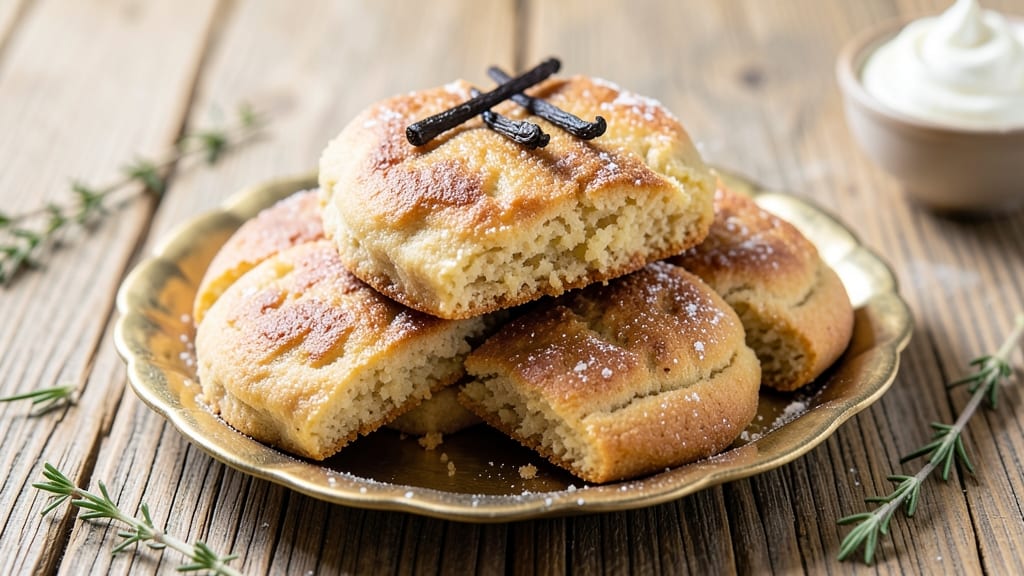
This German butter cookie recipe delivers the signature crunchy exterior and tender centers that make Butterkeksen legendary—just like my Oma used to bake. The secret lies in precise dough handling and baking techniques that create those iconic textures, a tradition passed down through generations of German bakers.
What sets these apart is the perfect balance of buttery richness and subtle vanilla warmth that lingers in every bite.
What makes this recipe truly special is the foolproof method that ensures consistent results every time, even for beginners. We'll use standard pantry ingredients—just butter, flour, sugar, and vanilla—but the technique transforms them into something extraordinary.
The dough requires a 30-minute rest to develop flavor and texture, while baking at 375°F creates that signature crispy shell while keeping the inside pillowy.
The result is a batch of cookies that's restaurant-quality at home—golden, crisp at the edges, and soft in the center, with just the right amount of vanilla sweetness.
These aren't your average butter cookies; they're a taste of German baking tradition that's worth the effort. The aroma alone will transport you to a cozy European bakery.
Perfect for holiday gifts, dinner parties, or simply treating yourself, these cookies stay fresh for days when stored properly. Let's get started on creating your own batch of these beloved German treats that'll have everyone asking for the recipe.
Ingredients for best german butter cookie
Nine essential ingredients transform into legendary German butter cookies with perfect crunch and tender centers.
| Ingredient | Amount | Notes |
|---|---|---|
| Unsalted Butter 🧈 | 1 cup | Cold, cubed for even dough texture |
| Granulated Sugar 🍚 | 1 cup | Superfine preferred for smooth texture |
| Light Brown Sugar 🍚 | ½ cup | Packed for accurate measurement |
| Pure Vanilla Extract 🌿 | 1 tbsp | High-quality, not imitation |
| All-Purpose Flour 🌾 | 2 ½ cups | Sifted for lightest texture |
| Baking Powder 🧂 | ½ tsp | Freshly opened for best rise |
| Diamond Crystal Kosher Salt 🧂 | ½ tsp | Fine grain preferred |
| Ground Cardamom 🌿 | ¼ tsp | Optional but authentic |
| Large Egg Yolks 🥚 | 1 whole | Room temperature for blending |
| Vanilla Bean Seeds 🌿 | 1 tsp | Scraped from 1 vanilla pod |
The butter is non-negotiable—European-style unsalted (like Plugrá) gives that authentic richness. Grab it from World Market or the international aisle at Whole Foods if your regular store doesn't carry it. Brown sugar should be packed firmly into the measuring cup—no shaking! For vanilla, Madagascar Bourbon extract from Penzeys elevates everything. The flour? King Arthur or Gold Medal—both sift beautifully. If you're feeling fancy, add a pinch of almond extract alongside the vanilla for Oma-level depth.
No vanilla bean? Double the extract—just scrape the seeds into the dough for that signature speckled look. Short on cardamom? Skip it—these are still delicious, but it's what gives them that authentic German spice. The egg yolks must be room temperature—microwave 20 seconds if they're cold. For extra insurance, chill the dough 30 minutes before baking—this prevents spreading and ensures that signature crack. The baking powder should be less than a year old—test by mixing with water; it should bubble vigorously.
Store cookies in an airtight container with parchment between layers for up to 5 days. For longer shelf life, freeze dough balls on a tray first, then transfer to a bag—they'll keep for 3 months. Reheat in a 350°F oven for 3-5 minutes to restore crispness. These make perfect holiday gifts—just wrap in cellophane with a ribbon. The aroma alone will have your guests thinking you flew to Germany for baking class.
Why You'll Love This Recipe
- No Cream of Tartar Drama: The dough comes together in minutes—just softened butter, sugars, and vanilla—no weird stabilizers or extra steps. Honestly, I’ve made cookies with more fuss for less payoff.
- Butter So Rich: That perfect balance of cold butter cut into sugars? It creates a cookie with a crisp edge and a melt-in-your-mouth center. I’ll be real: the first batch disappears faster than I can snap photos.
- Holiday or Snack Attack: Dress them up with powdered sugar for Christmas cookies or keep them simple for a midweek treat. My kids ask for these after school—no fancy occasion needed, just pure joy.
- Makes a Crowd, Feeds Your Wallet: One batch yields 36 cookies, and the ingredients cost less than takeout. Between us, I’ve frozen extras for months—still taste fresh, still worth every bite.
Step-by-step instructions for German butter cookies
Here's the method that delivers that signature German crunch with a melt-in-your-mouth center every time.
Cream Butter and Sugars to Peak Fluffiness
In a stand mixer fitted with the paddle attachment, combine the 1 cup unsalted butter (cold and cubed) with the 1 cup granulated sugar and 0.5 cup light brown sugar. Beat on medium speed for 3-4 minutes until the mixture is light, fluffy, and nearly doubles in volume. You're looking for a pale, airy texture that leaves clean streaks on the bowl—this creates those signature crackly tops.
The cold butter is crucial here—it prevents over-softening and ensures proper texture development. I press down on the butter cubes with a spatula during the first minute to help them break down evenly. Don't rush this step; under-creaming leads to dense cookies instead of the delicate crumb we want.
Incorporate Egg Yolks and Vanilla Infusion
Add the 1 whole large egg yolks (room temperature) and mix for 30 seconds on low speed until fully incorporated. Then add the 1 tbsp pure vanilla extract and 1 tsp vanilla bean seeds, mixing just until combined. The vanilla bean seeds add that authentic depth of flavor that separates these from ordinary butter cookies.
Here's the thing—don't overmix. You want the yolks to blend smoothly without developing any gluten. The mixture should look slightly ribbony but still smooth. I like to scrape down the sides of the bowl with a spatula at this point to ensure everything's evenly incorporated.
Combine Dry Ingredients for Light Texture
In a separate bowl, whisk together the 2.5 cups all-purpose flour, 0.5 tsp baking powder, 0.5 tsp diamond crystal kosher salt, and 0.25 tsp ground cardamom. Sift the flour first if possible—this prevents lumps and creates a lighter texture. Gradually add the dry ingredients to the wet mixture on low speed, mixing just until combined.
This is where precision matters. You're looking for a dough that comes together but still has a slightly crumbly texture—almost like wet sand. Overmixing develops gluten and makes the cookies tough. I use a silicone spatula to gently fold any remaining dry bits from the bowl into the dough by hand.
Chill for Perfect Texture Development
Shape the dough into a log about 2 inches in diameter and wrap tightly in plastic wrap. Refrigerate for at least 2 hours (I prefer 4-6 hours or even overnight). This chilling step is non-negotiable—it allows the gluten to relax and prevents excessive spreading in the oven.
Cold dough also means the cookies hold their shape better when they hit the hot oven, resulting in that characteristic German crunch. I like to flatten the log slightly before wrapping to create a more even surface for cutting. The longer you chill, the better the texture—up to 48 hours in the fridge if you're planning ahead.
Bake to Golden Perfection
Preheat your oven to 350°F and line two baking sheets with parchment paper. Using a sharp knife, cut the chilled dough into ½-inch thick slices and place them 2 inches apart on the prepared sheets. Bake for 12-14 minutes until the edges are golden brown but the centers still look slightly underdone.
Here's the critical part: they'll continue cooking on the hot pan after you remove them. Let them cool on the baking sheet for 5 minutes before transferring to a wire rack. The centers should be soft and slightly chewy while the edges have that satisfying crunch. For best results, serve them warm—they're at their peak texture straight from the oven.
Pro Tips For Making Best German Butter Cookie
- CREAM THE BUTTER SLOWLY: German butter cookies rely on that signature tender crumb, so don’t rush the butter-sugar mix. Let the butter sit at room temperature for 30 minutes first, then beat it with the sugars on medium speed for 2-3 minutes before adding anything else—this ensures proper emulsification and prevents a greasy texture. I used to crank it up high and wondered why my cookies always tasted like melted butter.
- CHILL THE DOUGH TWICE: After mixing, wrap the dough tightly and refrigerate for at least 24 hours (yes, overnight). Then, shape the cookies, flatten them, and chill again for 30 minutes before baking. This double rest prevents spreading and guarantees that caramelized flavor. I skipped the second chill once and ended up with sad, flat discs instead of chewy rounds.
- USE LIGHT BROWN SUGAR SPARINGLY: The recipe calls for it, but too much light brown sugar makes these cookies dense and moist in a way that’s not traditional. Stick to the ratio—about 10% of the total sugar—and sift it with the flour to avoid lumps. My grandmother swore by extra molasses-rich sugar, but the classic German version keeps it balanced.
- BAKE ON MIDDLE RACK, NOT LOW: These cookies need a steady 350°F (175°C) with airflow around them. Baking on the lower rack risks uneven browning, while the top rack can burn the edges before the centers set. Rotate the tray halfway through for even color—no peeking, or you’ll steam the dough. I learned this after pulling out a batch with one side golden and the other pale.
Health benefits of this dish
Rich Butter Benefits
These cookies deliver healthy fats from the 1 cup unsalted butter used in the recipe, which provides saturated fats that support brain function and energy levels.
The butter's fat content also creates that signature melt-in-your-mouth texture while contributing to a feeling of satisfaction—perfect for a treat that feels indulgent but balanced. 🧈
For a slightly lighter option, you could substitute ½ cup of the butter with olive oil (I recommend extra virgin from California Avocados), which adds beneficial monounsaturated fats while maintaining the cookie's structure. Just be sure to use the oil at room temperature for best results.
Vanilla's Comfort Power
The 1 tbsp pure vanilla extract and 1 tsp vanilla bean seeds in this recipe offer more than just flavor—they provide stress-relieving aromatherapy. Vanilla contains compounds that trigger feelings of warmth and comfort, making these cookies perfect for cozy evenings or holiday gatherings.
The real vanilla bean seeds add an extra layer of depth that synthetic extracts can't match.
Fun fact: Vanilla also contains small amounts of antioxidants that help combat free radicals in your body. Pairing it with the butter creates a flavor profile that's both delicious and subtly beneficial for your well-being.
Cardamom's Digestive Boost
The optional ¼ tsp ground cardamom isn't just for flavor—it's a digestive aid that helps soothe the stomach and reduce bloating. Cardamom contains essential oils that stimulate digestion, making these cookies a surprisingly wholesome treat. If you're sensitive to spices, you can omit it without sacrificing the cookie's quality.
For an extra boost, add a pinch of ground cinnamon alongside the cardamom. Cinnamon helps regulate blood sugar levels, making these cookies a slightly more balanced option for those watching their sweet intake. Just start with ⅛ tsp to avoid overpowering the delicate vanilla flavor.
Whole Egg Yolks
The 1 whole egg yolk in this recipe provides choline, a nutrient essential for brain health and liver function. Yolks also contain lutein and zeaxanthin, antioxidants that support eye health.
While the recipe calls for just one yolk, you could add a second if you want even more nutritional benefits without significantly altering the texture.
For those watching their cholesterol, remember that dietary cholesterol from eggs has less impact on blood cholesterol than previously thought. The fats in this recipe come primarily from the butter, which is what gives these cookies their signature richness and texture.
Moderate Sugar Content
With 1.5 cups total sugar (1 cup granulated + ½ cup brown), these cookies offer a moderate sweetness that satisfies cravings without excessive sugar intake. The brown sugar adds moisture and a subtle caramel flavor that complements the vanilla beautifully.
For a slightly lower-sugar option, you could reduce the granulated sugar to ¾ cup while keeping the brown sugar the same.
The combination of sugars also helps create that perfect balance of crunch and softness in the cookies. The brown sugar's molasses content adds depth while the granulated sugar provides the crisp edges we all love.
Portion Control
Each cookie contains about 50-60 calories, making them a reasonable treat when enjoyed in moderation. The combination of butter, sugar, and flour creates a satisfying texture that helps control portion sizes—most people find themselves stopping after just 2-3 cookies due to their rich flavor.
For a lighter option, you could reduce the butter by 2 tablespoons and replace it with an equal amount of applesauce or Greek yogurt.
These cookies also make excellent portion-controlled desserts for gatherings. With about 24 cookies per batch, they're perfect for sharing without overindulging. The crisp edges and soft centers create that satisfying "first bite" that helps prevent overeating.
Nutrition facts
Frequently asked questions
Why do German butter cookies need to chill before baking?
The 2-4 hour chill is essential for developing the perfect texture. Cold dough prevents excessive spreading in the oven, ensuring those signature crisp edges while keeping centers soft. It also allows gluten to relax, giving you that delicate crumb structure. Think of it like resting meat—it makes all the difference in the final result!
Can I make these cookies without cardamom?
While cardamom adds that authentic German flavor, it's completely optional. The vanilla and butter provide enough warmth that the cookies will still be delicious. For a different twist, try adding ⅛ tsp cinnamon instead—it pairs beautifully with the vanilla. Just remember, less is more with spices in delicate dough.
How do I get the cookies to be extra crispy?
For maximum crunch, bake them 1-2 minutes longer than the recipe suggests until the edges are deep golden brown. Let them cool completely on the baking sheet before transferring—this helps set the crispness. Pro tip: Store them in an airtight container with a slice of bread to absorb moisture and keep them crisp for days.
What's the secret to the perfect crackly top?
The magic happens during creaming! Beat the butter and sugars until the mixture is light and fluffy (nearly doubled in volume) with clean streaks on the bowl. This incorporates enough air to create those signature cracks. Also, don't overbake—they should be golden at the edges but still slightly soft in the center when you remove them from the oven.
Can I use European-style butter instead of American?
Yes, and it makes a huge difference! European-style butter (like Plugrá) has 82% fat content compared to 80% in American butter, giving these cookies that authentic richness. The higher fat content creates a more tender crumb and better flavor. If you can't find it, use regular unsalted butter but chill it thoroughly before creaming for similar results.