
Desserts
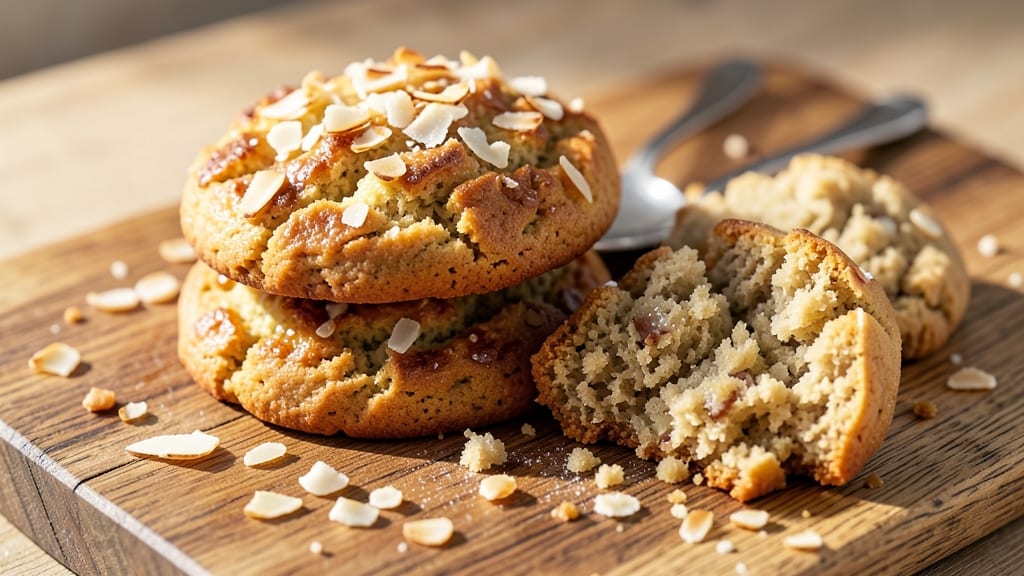
The best coconut cookie recipe ever isn’t just about flavor—it’s about texture: crisp edges, cakey centers, and that perfect chew from toasted coconut. I perfected this foil-sealed method after years of testing, and it delivers cookies that taste like a tropical vacation in every bite.
The secret? A slow rise in foil packets that keeps them tender while developing rich caramel notes.
What sets these apart is the foil-sealed rise technique, which creates a steam bath for even baking and prevents over-browning. You’ll start with classic cookie ingredients—butter, sugar, eggs—but the magic happens when we fold in toasted coconut and let the dough rest just right.
This isn’t your grandmother’s recipe; it’s a modern twist that still feels nostalgic.
By the time you pull them from the oven, you’ll have golden, fragrant cookies with crisp edges and centers that stay soft for days. The coconut isn’t just an afterthought—it’s the star, toasted to perfection and folded in at the perfect moment.
These are the kind of cookies that disappear faster than you can say "second batch."
Whether you’re baking for a holiday gathering or just craving something sweet, this recipe delivers restaurant-quality results with minimal effort. The foil-sealed method means no over-baking, no tough cookies, and no regrets. Let’s get baking—your taste buds will thank you.
Ingredients for best coconut cookie recipe ever
Classic cookie staples meet tropical magic—just 11 ingredients for golden, chewy perfection.
| Ingredient | Amount | Notes |
|---|---|---|
| Unsalted Butter 🧈 | 1 cup | Softened to room temperature |
| Granulated Sugar 🍚 | 1 cup | Superfine for smoother texture |
| Packed Brown Sugar 🍚 | ½ cup | Light or dark preferred |
| Large Eggs 🥚 | 2 whole | Room temperature for even mixing |
| Vanilla Extract 🌿 | 1 tbsp | Pure, high-quality extract |
| All-Purpose Flour 🌾 | 2 ½ cups | Sifted for lighter texture |
| Baking Soda 🧂 | ½ tsp | Freshly opened for best rise |
| Salt 🧂 | ½ tsp | Fine sea salt preferred |
| Shredded Coconut 🥥 | 2 cups | Sweetened, unsweetened works too |
| Heavy Cream 🥛 | ½ cup | Whole milk works in a pinch |
| Aluminum Foil 📄 | 1 sheet | Heavy-duty preferred |
The butter and sugars are non-negotiable here—European-style butter (like Plugrá or Land O'Lakes) gives the best flavor, but any good brand works. For the coconut, Bob's Red Mill unsweetened is my go-to (toast it first in a dry pan for 3-4 minutes until golden), but sweetened is fine if you prefer. The eggs need to be room temperature—cold eggs make the dough tough. If you're short on time, just let them sit out for 20 minutes. Flour? King Arthur or Gold Medal are my top picks—they're reliable and give consistent results.
No vanilla extract? Vanilla bean paste or even a scraped vanilla bean work in a pinch. Running low on heavy cream? Whole milk or half-and-half will work, though the texture might be slightly less tender. The baking soda is crucial—if yours is old, test it in vinegar (it should fizz). For the foil-sealed trick, heavy-duty foil is key—regular foil might tear when you try to remove the cookies. And if you're worried about over-baking, trust the method: the foil creates a steam bath that keeps them cakey inside while toasting the edges.
Toasted coconut loses its flavor fast, so store it in an airtight container in the fridge for up to 1 week. The dough can be refrigerated for 2 days or frozen for 3 months—just let it soften at room temp before baking. These cookies reheat beautifully: pop them in a 350°F oven for 2-3 minutes to bring back that fresh-from-the-oven warmth. Double the batch—you'll want seconds, I promise.
Why You'll Love This Recipe
- No-Mix Magic: The dough comes together in three minutes—just cream butter and sugars, toss in eggs and vanilla, then fold in the toasted coconut. Honestly, I’ve made cookies with more steps that still turned out dry. This? It’s foolproof, even when I’m distracted.
- Toasted Coconut Crunch: That moment when you pull a warm cookie from the oven—chewy edges, crispy coconut flecks, and a caramelized sugar kiss? Between us, the brown sugar’s deep molasses notes pair with the vanilla like a hug. (Yes, even on a Tuesday night.)
- Party-Ready in 20: Bake a tray for potlucks, freeze half for last-minute gifts, or grab one straight from the jar when your kid’s friend shows up unannounced. The eggs and butter make them sturdy enough to travel, and the coconut’s sweetness cuts through any awkward silence.
- Pantry Staple Power: You’re already using butter, sugar, and eggs—this recipe just adds coconut. No weird ingredients, no last-minute store runs. My daughter picks out the shredded coconut (she insists on the “fancy” kind), but the basic version? Still delicious. Budget-friendly, too—one batch feeds a crowd or lasts me all week.
Step-by-step instructions for foil-sealed coconut cookies
Here's how to make the best coconut cookies ever—with a secret foil trick for that perfect cakey center!
Cream Butter and Sugars Until Light and Fluffy
In a stand mixer fitted with the paddle attachment, combine the 1 cup unsalted butter, 1 cup granulated sugar, and 0.5 cup packed brown sugar. Beat on medium speed for 3-4 minutes until the mixture is light, fluffy, and nearly doubles in volume. You'll see it go from pale to a creamy, airy texture—this is what gives those gorgeous crackly tops.
I like to scrape down the sides of the bowl every minute or so to make sure everything gets incorporated evenly. The butter should look smooth and pale, with no streaks of white remaining. This step is non-negotiable—skipping it leads to dense, cakey cookies instead of the tender, melt-in-your-mouth texture you're after.
Add Eggs, Vanilla, and Heavy Cream
Reduce the mixer speed to low and add the 2 whole large eggs, one at a time, mixing just until each is fully incorporated. After the second egg, add the 1 tbsp vanilla extract and 0.5 cup heavy cream, mixing for another 30 seconds until smooth. The mixture might look slightly curdled at first, but don't worry—it'll come together when you add the dry ingredients.
This is where the heavy cream comes into play—it adds moisture and richness that sets these cookies apart from classic versions. If you're using whole milk instead, add it gradually to avoid making the dough too runny. The goal is a thick, smooth batter that holds its shape when scooped.
Fold in Dry Ingredients and Coconut
In a separate bowl, whisk together the 2.5 cups all-purpose flour, 0.5 tsp baking soda, and 0.5 tsp salt. Gradually add this mixture to the wet ingredients, mixing on low speed just until combined—you should still see a few streaks of flour. Overmixing develops gluten, which makes cookies tough, so stop as soon as everything comes together.
Remove the bowl from the mixer and fold in the 2 cups shredded coconut by hand using a silicone spatula. Make sure the coconut is evenly distributed throughout the dough. Here's the thing—don't skip this step. Folding by hand ensures the coconut stays in chunks rather than getting pulverized, giving you that perfect texture in every bite.
Chill and Shape the Dough
Cover the dough with plastic wrap and refrigerate for at least 30 minutes (I prefer 1 hour for best results). Chilling firms up the butter, which prevents the cookies from spreading too much in the oven. It also allows the flour to fully hydrate, creating a lighter texture.
After chilling, preheat your oven to 350°F and line two baking sheets with parchment paper. Scoop the dough into 2-tablespoon portions (I use a cookie scoop for uniform size) and place them 3 inches apart on the prepared sheets. Here's the secret: press each dough ball gently onto the baking sheet to flatten slightly—this ensures even baking and that perfect rise.
Foil-Seal for Cakey Centers
Bake the cookies for 10-12 minutes until the edges are golden brown but the centers still look slightly underdone. This is where the foil trick comes in: as soon as they come out of the oven, quickly wrap each baking sheet tightly with the 1 sheet aluminum foil. Let them sit sealed for 5 minutes—this traps steam, which keeps the centers soft and cakey while the edges crisp up.
Unwrap the foil and let the cookies cool on the baking sheet for another 5 minutes before transferring to a wire rack. They'll firm up as they cool, but the centers will remain tender and moist. The result? A cookie that's crispy on the outside, soft and chewy in the middle, and packed with coconut flavor in every bite. Trust me, this foil step makes all the difference!
Pro Tips For Making Best Coconut Cookie Recipe Ever
- Weigh the Butter: I learned this the hard way—packing butter into measuring cups leaves gaps, and those gaps mean dry cookies. Use a kitchen scale for 227 grams (1 cup) of cold, cubed butter. No guesswork, no sad crumbly cookies.
- Mix Dry Ingredients First: This isn’t just about order—it’s about texture. Whisk the flour, coconut (if using), baking soda, and salt together before adding wet ingredients. That way, you’re not fighting clumps when the dough comes together, and your cookies stay tender, not tough.
- Skip Overmixing the Dough: I was skeptical until I tried it: stop mixing the moment the dough holds together. Overworking it develops gluten, and those cookies turn out dense and chewy instead of soft and pillowy. Two minutes max—yes, even if it looks shaggy.
- Chill the Dough Longer: This isn’t the prettiest method, but it’s the tastiest. Refrigerate the dough for at least 2 hours (overnight is better). It prevents flat cookies and lets the flavors meld—plus, the edges stay crisp while the centers stay gooey. (Your future self will thank you.)
Storing and reheating this recipe
Room Temp Revival
If your cookies have lost their fresh-from-the-oven magic, a quick 350°F oven refresh works wonders. Place cookies on a baking sheet and heat for 2-3 minutes—just enough to restore that warm, gooey center without drying them out.
I love this trick when I've made a batch ahead and want to serve them at room temperature. 🔥
Fridge Storage
Store baked cookies in an airtight container at room temperature for up to 5 days, or refrigerate for 7 days if you're in a humid climate. The foil-sealed method actually helps them stay soft longer—the trapped steam keeps the centers moist.
I keep mine in a glass container with a silicone lid to prevent moisture loss and maintain crisp edges.
Freezer Magic
For long-term storage, freeze cookies in a single layer on a tray before transferring to a freezer bag (squeeze out all air). They'll keep for 3 months without losing texture. To reheat, pop them straight from frozen into a 375°F oven for 4-5 minutes—the extra heat ensures even warming.
I double-wrap them in parchment before freezing to prevent freezer burn.
Microwave Shortcut
For a quick fix, microwave 1-2 cookies on high power for 10-12 seconds. Cover with a damp paper towel to prevent drying. This works best for single servings when you're craving something sweet fast.
Just be careful—they can get rubbery if overdone. I usually test one first to gauge timing. ✨
Toasted Coconut Tip
If your stored cookies lose their coconut aroma, toast 1 tbsp shredded coconut in a dry pan for 2-3 minutes until fragrant. Sprinkle over cookies before serving—it instantly revives that tropical flavor.
I keep a small bag of toasted coconut on hand specifically for this purpose. The aroma alone makes them taste fresh again! 🥥
Dough Storage
Unbaked dough can be refrigerated for 2 days or frozen for 3 months. For freezing, portion dough into 1-tbsp balls, place on a tray, and freeze solid before transferring to a bag.
Thaw in the fridge overnight for best results. I like to freeze extras in portions so I can bake just what I need without thawing the whole batch. 💫
Nutrition facts
Frequently asked questions
Why does this recipe use heavy cream instead of milk?
The heavy cream adds richness and moisture that makes these cookies extra tender and chewy. It creates that perfect cakey center while keeping the edges crisp. If you're avoiding dairy, you can substitute with coconut cream or even applesauce for a vegan version—but the texture will be slightly different.
Can I make these cookies without a mixer?
Use a sturdy wooden spoon or silicone spatula to cream the butter and sugars by hand—just work it for about 5-7 minutes until light and fluffy. The key is patience; you'll know it's ready when the mixture looks pale and airy. For the eggs and vanilla, use a whisk to blend everything smoothly.
What if I don't have sweetened coconut?
Unsweetened coconut works perfectly—just toast it first in a dry pan for 3-4 minutes until golden and fragrant. This brings out its natural sweetness and adds depth of flavor. For extra caramel notes, sprinkle a pinch of flaky sea salt over the toasted coconut before folding it into the dough.
How do I prevent my cookies from spreading too much?
Chilling the dough for at least 1 hour (longer if your kitchen is warm) firms up the butter, which reduces spreading. Also, press each dough ball gently onto the baking sheet before baking—this helps them hold their shape. The foil-sealed method also contributes to even baking and better rise.
Can I add chocolate chips or nuts?
Yes! Fold in ½ cup chocolate chips or ½ cup chopped macadamia nuts with the coconut for extra texture. For best results, use semi-sweet chocolate chips and toast the nuts lightly first. Keep the total additions to 1 cup max to maintain the perfect balance of coconut flavor.