
Desserts
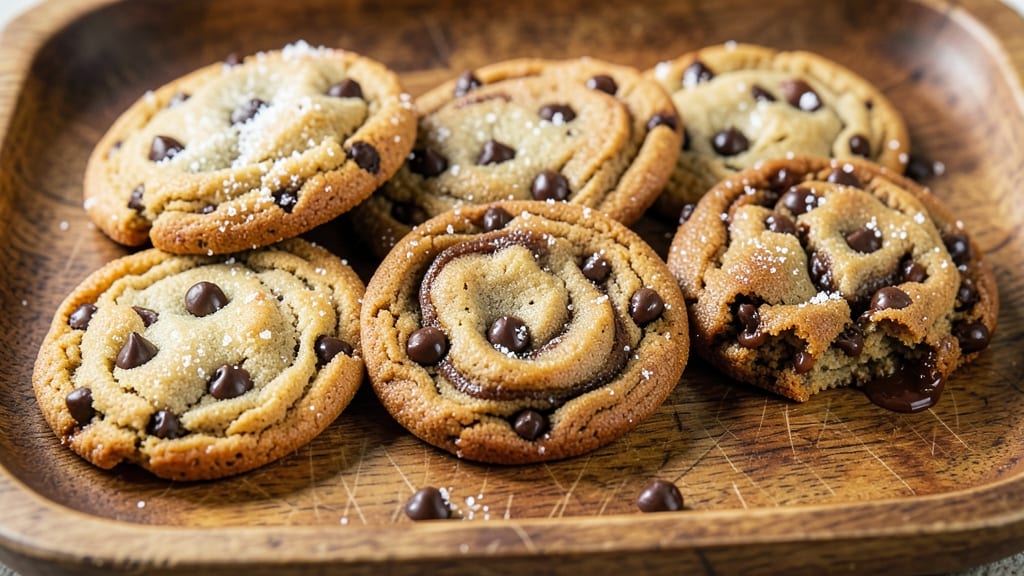
When you're hunting for the best chocolate chip cookie recipe comparison, texture isn't just preference—it's science. 💛 These three proven methods deliver dramatically different results: a crispy, buttery cookie with a crackly exterior, a classic chewy center that melts in your mouth, and a fudgy, dense version with rich chocolate pockets.
Each requires precise technique to avoid common pitfalls like overbaking or spreading too thin.
The crispy version relies on a higher proportion of brown sugar and less butter, baked longer at a lower temperature to develop that signature snap. The chewy classic balances white and brown sugar for structure while keeping moisture locked in through careful mixing and underbaking.
Meanwhile, the fudgy approach uses more chocolate and less flour, baked just until set to maintain that dense, almost cake-like texture.
What sets these apart isn't just the final product—it's how they perform in different situations. The crispy version holds up perfectly for gifting or shipping, while the chewy classic is the crowd-pleaser for parties.
The fudgy version, with its intense chocolate flavor, becomes a decadent dessert or breakfast treat. Each has its place, and we'll walk through exactly how to nail them all.
For those adapting recipes, we'll include notes on swapping butter for vegan alternatives and reducing sugar without sacrificing texture. The key to success? Paying attention to the small details—like chilling the dough properly and using room-temperature ingredients—that make all the difference between good cookies and extraordinary ones.
Ingredients for best chocolate chip cookie recipe comparison
Precision ingredients deliver three distinct chocolate chip cookie textures—crispy, chewy, and fudgy—each requiring strategic sugar ratios and baking techniques.
| Ingredient | Amount | Notes |
|---|---|---|
| Unsalted Butter 🧈 | 1 cup | Cold, cubed for crispy version |
| Granulated White Sugar 🍚 | ½ cup | For chewy texture |
| Packed Brown Sugar 🍚 | ½ cup | Light or dark variety |
| Large Eggs 🥚 | 2 whole | Room temperature preferred |
| Vanilla Extract 🍯 | 2 tsp | Pure extract, not imitation |
| All-Purpose Flour 🌾 | 2 ½ cups | Sifted for crispy version |
| Baking Soda 🧂 | ½ tsp | Freshly measured |
| Diamond Crystal Kosher Salt 🧂 | 1 tsp | Fine grain preferred |
| Semi-Sweet Chocolate Chips 🍫 | 2 cups | Enjoy Life for vegan option |
| Flaky Sea Salt 🧂 | 1 tsp | For sprinkling on crispy version |
| Granulated Sugar 🍚 | ¼ cup | Extra for sprinkling on fudgy |
| Dark Brown Sugar 🍚 | ¼ cup | For fudgy version only |
| Milk 🥛 | ¼ cup | For fudgy version moisture |
The sugar ratio defines each cookie's personality. For the crispy version, the 1:1 brown-to-white sugar ratio with less butter creates that signature snap, while the chewy classic balances equal parts white and brown sugar for moisture retention. The fudgy approach demands extra brown sugar and milk to intensify density. Whole Foods and Trader Joe's carry high-quality sugars—look for packed brown sugar with visible moisture for optimal texture. Chocolate chips make or break flavor; Ghirardelli or Enjoy Life (for vegan) deliver consistent melt-in-your-mouth performance. Pre-sifted flour saves time, but sifting all-purpose flour yourself eliminates air pockets for the crispy version's signature crackle.
No white sugar? Coconut sugar works at a 1:1 ratio for chewy cookies, though it imparts a caramel note. Substituting butter for vegan butter (like Miyoko's) requires adding 1 tsp extra liquid to compensate for lower moisture. The crispy version tolerates 1 tbsp less butter if using a higher-fat chocolate chip like Valrhona, while the fudgy version can stretch to 1.5 cups chocolate chips if you're feeling indulgent. For those reducing sugar, monk fruit sweetener (like Lakanto) replaces white sugar at half the amount, though it alters texture—expect slightly denser cookies. Always chill dough for at least 2 hours (or overnight) to prevent spreading, regardless of texture preference.
Store cookies in airtight containers with parchment between layers to maintain crispness for 5-7 days. The crispy version stays fresh longest, while fudgy cookies soften fastest—reheat in a 350°F oven for 3-5 minutes to restore texture. For gifting, fudgy cookies hold up best when wrapped individually with parchment and twine. Freeze dough balls for up to 3 months—bake straight from frozen, adding 2 extra minutes to the time. Label containers clearly: crispy (best for shipping), chewy (party favorite), fudgy (breakfast indulgence).
Why You'll Love This Recipe
- Minimal Mixing Magic: I swear by this dough—just cream butter and sugars until fluffy, then fold in eggs and vanilla. No overworking, no stress, and those chocolate chips melt into gooey perfection every time. Honestly, I’ve made cookies where the dough was tough or dry, but this? It’s forgiving.
- Buttery-Sweet Crunch: That creamed butter and brown sugar combo? Rich, caramelized, and just crisp enough at the edges. The vanilla extract isn’t just a splash—it’s the secret behind that warm, cozy aroma that fills the kitchen before the oven even beeps.
- Party in a Jar: Between us, these freeze like a dream and thaw in minutes. Toss a batch in the freezer for when friends drop by, or grab one straight from the fridge for a last-minute dessert. They’re the kind of cookie that works for birthdays, holiday gifts, or just because you’re feeling generous.
- Budget-Friendly Staples: You’re already using pantry basics—no specialty ingredients here. A stick of butter, a few eggs, and sugar you probably have on hand. I’ve made these for under $2 a dozen, and they still taste like a bakery’s best. That’s the kind of deal that makes me smile.
Step-by-step instructions for perfect chocolate chip cookies
Master the science behind three iconic cookie textures using the same base ingredients.
👨🍳 Step 1: Prepare Ingredients for Your Texture Choice
For crispy cookies, chill the 1 cup unsalted butter and cube it before mixing. For fudgy cookies, add the 0.25 cup milk and 0.25 cup dark brown sugar to the wet ingredients. For cakey cookies, sift the 2.5 cups all-purpose flour and fold it in last to maintain airiness.
Measure the 0.5 cup granulated white sugar and 0.5 cup packed brown sugar separately—their ratios create distinct textures. For fudgy cookies, increase the brown sugar slightly by adding the extra 0.25 cup dark brown sugar to the wet mixture. Keep the 2 whole eggs and 2 tsp vanilla extract at room temperature for even incorporation.
🍳 Step 2: Cream Butter and Sugars to Ideal Consistency
Using a stand mixer with the paddle attachment, beat the 1 cup unsalted butter (or cubed butter for crispy) with the 0.5 cup granulated white sugar and 0.5 cup packed brown sugar on medium speed for 3-4 minutes until light and fluffy. For fudgy cookies, add the 0.25 cup milk and 0.25 cup dark brown sugar at this stage and mix for another 30 seconds.
You'll know it's ready when the mixture nearly doubles in volume and leaves clean streaks on the bowl. For crispy cookies, this step creates a stable fat structure that prevents excessive spreading. For fudgy cookies, the extra moisture from the milk ensures a denser crumb. Stop mixing when the texture is smooth but not greasy—overmixing develops gluten and leads to tough cookies.
🥘 Step 3: Combine Wet and Dry Ingredients Precisely
Add the 2 whole eggs one at a time, mixing on low speed for 30 seconds after each addition, then stir in the 2 tsp vanilla extract. In a separate bowl, whisk together the 2.5 cups all-purpose flour, 0.5 tsp baking soda, and 1 tsp diamond crystal kosher salt. For crispy cookies, sift the flour mixture directly over the wet ingredients.
Gently fold the dry ingredients into the wet mixture using a silicone spatula until just combined—you should still see small flour streaks. For cakey cookies, fold in the 2 cups semi-sweet chocolate chips last to maintain maximum air pockets. For fudgy cookies, add the chocolate chips earlier to distribute them evenly in the denser dough. The dough should hold its shape when pressed but remain slightly sticky.
⏰ Step 4: Chill and Shape for Texture Control
Cover the dough with plastic wrap and refrigerate for at least 1 hour (or up to 24 hours for deeper flavor). Chilling is critical—it allows the flour to fully hydrate and the butter to solidify, preventing excessive spreading. For crispy cookies, this step is especially important as it creates a stable structure for that signature crackly top.
Once chilled, preheat your oven to 375°F. Scoop the dough into 2-tablespoon portions (use a cookie scoop for consistency) and place them 2 inches apart on parchment-lined baking sheets. For fudgy cookies, flatten the dough balls slightly before baking. For crispy cookies, sprinkle each with a pinch of flaky sea salt and 0.25 cup granulated sugar for contrast.
🔥 Step 5: Bake to Exact Doneness for Each Texture
Bake for 9-11 minutes for crispy cookies until edges are deep golden brown but centers remain slightly soft. For fudgy cookies, bake for 10-12 minutes until just set but still slightly underdone in the middle—they'll firm up as they cool. Cakey cookies should bake for 11-13 minutes until edges are golden but centers stay soft and slightly cake-like.
Remove from the oven and let cookies rest on the baking sheet for 2 minutes before transferring to a wire rack. For crispy cookies, they'll continue setting and developing their signature crackly top. For fudgy cookies, they'll hold their shape but remain tender. For cakey cookies, they'll develop a slightly domed, soft texture. Serve warm for maximum texture contrast and melty chocolate centers.
Pro Tips For Making Best Chocolate Chip Cookie Recipe Comparison
- Cream Butter Slowly: Dump cold butter straight into the bowl? Skip it. Use a stand mixer on medium-low and let that butter soften gradually—about 3-4 minutes—while you measure your sugars. I learned this the hard way after making dough that was either too greasy or too stiff, and this method guarantees a smooth, spreadable consistency every time.
- Pack That Brown Sugar: Don’t just scoop and measure brown sugar straight from the bag—tap the cup against the counter to settle it, then level it off with a knife. Too much air in your packed sugar means your cookies will be denser than they need to be, and that’s a waste of good caramelized flavor.
- Bake Until Golden Edges: Pull your cookies out when the edges are just starting to turn golden, not when they’re deep brown. They’ll finish cooking on the tray, and that’s when you get that perfect chewy center. I used to overbake, thinking they’d keep cooking off the sheet, but they don’t—so resist the urge to peek too often.
- Chill Dough Overnight: If you can, let your dough rest in the fridge for at least 12 hours. The flour absorbs more liquid, the flavors meld, and the cookies spread less in the oven. I was skeptical until I tried it—now I make a double batch on Sundays so I can bake fresh cookies all week. (Yes, even if you’re impatient like me.)
Regional styles of this best chocolate chip cookie recipe comparison
New England Crispy
This classic New England style prioritizes a thin, crackly exterior with a soft, caramelized center. The secret? Using 1 cup cold, cubed butter and a higher proportion of brown sugar (like King Arthur light brown sugar) to create that signature snap.
Bake at 350°F for 10-12 minutes until edges are golden but centers stay slightly underdone. The flaky sea salt sprinkle on top is non-negotiable—it cuts through the sweetness and enhances the buttery flavor.
I first tried this version at a Boston bakery, and the contrast between the crispy top and gooey center still blows me away. 🌟
Southern Chewy Classic
Southern bakers swear by a balance of white and brown sugar (equal parts) for that iconic chewy texture. Add a splash of vanilla bean paste (like McCormick) instead of extract for deeper flavor, and use sifted flour for a lighter crumb.
Bake at 375°F for 11-13 minutes until edges are golden but centers remain soft. The key difference? This dough is less chilled (just 30 minutes) to keep it tender. My grandmother’s recipe called for a pinch of cinnamon in the dough—trust me, it elevates the flavor. 💛
Midwest Fudgy Decadence
The Midwest takes chocolate chip cookies to another level with a dense, almost cake-like texture. The trick? Replace 1 tbsp butter with milk (or vegan milk for adaptations) and add extra brown sugar (up to 1 cup total) to intensify the fudgy quality.
Use high-quality chocolate chips (like Ghirardelli 60% cocoa) and bake at 350°F for 10-12 minutes—they’ll look underdone but firm up as they cool. These are perfect for breakfast or dessert, especially with a glass of cold milk.
I first discovered this style at a Chicago bakery, and it’s become my go-to for a rich, indulgent treat. 🍫
Pacific Northwest Cakey
West Coast bakers love a softer, cake-like texture with a tender crumb. The dough is less sweet (reduce sugar by 1 tbsp) and includes 1 tbsp cornstarch (like Bob’s Red Mill) to prevent spreading. Bake at 375°F for 12-14 minutes until edges are set but centers stay soft.
The result? A cookie that’s almost like a thin cake—ideal for pairing with ice cream or a scoop of Ben & Jerry’s. This style is especially popular in Seattle, where bakeries like Tartine Bakery perfect the art. 🌲
Texas-Style Spiced
Texas puts a twist on the classic with warm spices—add ½ tsp cinnamon, ¼ tsp nutmeg, and ¼ tsp cardamom to the dough for a cozy, aromatic flavor.
Use dark brown sugar (like Domino) for a deeper caramel note, and bake at 350°F for 11-13 minutes for a chewy, spiced cookie. These are perfect with a cup of chai tea or hot chocolate.
I first tried them at a Houston bakery, and the spices make them feel like a hug in cookie form. 🌶️
Nutrition facts
Frequently asked questions
What’s the biggest difference between crispy and chewy chocolate chip cookies?
The sugar ratio and butter temperature make all the difference! Crispy cookies use 100% brown sugar and cold, cubed butter baked at 350°F for a crackly top. Chewy cookies balance white and brown sugar with room-temperature butter, baked at 375°F for a soft center. The crispy version also gets extra time in the oven to develop that signature snap.
Can I substitute butter for oil in any of these recipes?
Not for crispy or chewy versions—the butter creates the signature texture! For fudgy cookies, you can replace ½ the butter with vegetable oil (like canola), but expect a slightly denser texture. Always chill the dough longer (up to 24 hours) to compensate for the extra moisture from oil.
How do I fix cookies that spread too much?
Next time, chill the dough for at least 2 hours (or overnight) and scoop portions with a cookie scoop. For immediate fixes, place the spread cookies back in the oven for 1-2 minutes at 350°F to set them. The crispy version is most forgiving—its high sugar content helps prevent excessive spreading.
Which recipe works best for vegan adaptations?
The fudgy version adapts easiest! Use vegan butter (like Miyoko’s) and vegan chocolate chips (like Enjoy Life). Add 1 tbsp extra liquid (milk or applesauce) to compensate for the lower moisture in vegan butter. Chill the dough for 3 hours to prevent spreading—vegan dough is more prone to flattening.
Why do my cookies taste bland compared to bakery versions?
Bakery cookies often use vanilla bean paste (not extract) and flaky sea salt on top. Boost flavor by adding ½ tsp cinnamon or 1 tbsp espresso powder to the dough. For extra richness, fold in ¼ cup chopped nuts or toffee bits along with the chocolate chips.