
Desserts
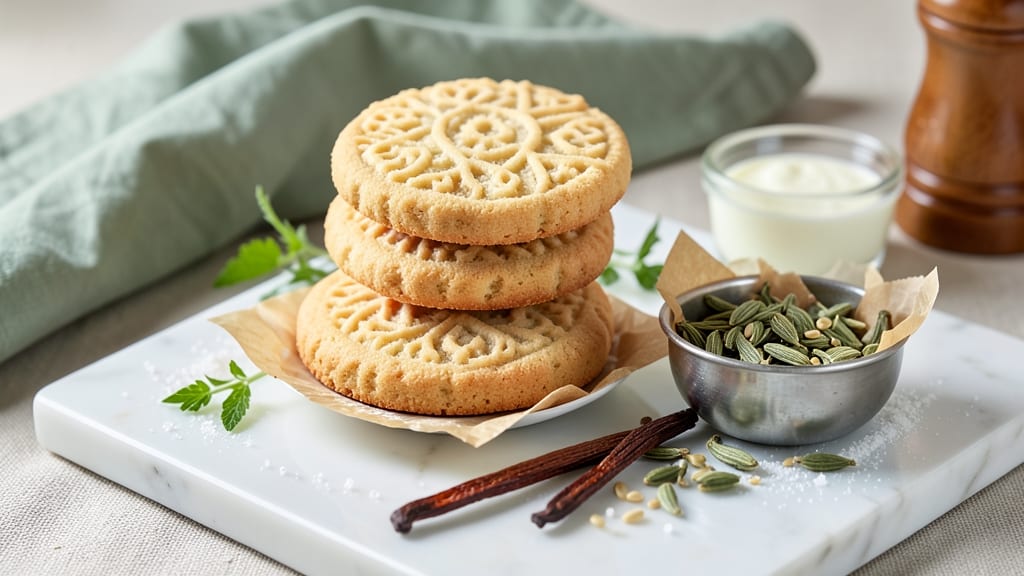
This Bavarian sugar cookie recipe delivers the perfect balance of buttery richness and delicate vanilla bean flavor that makes them irresistible. 💛 The secret lies in the precise ratio of butter to sugar and the magic of resting the dough overnight, which transforms these cookies from good to extraordinary.
What started as a traditional German treat has become my go-to recipe for holidays and special occasions.
The dough combines softened butter, granulated sugar, and vanilla bean paste for that authentic aroma, along with lemon zest for brightness and cardamom for warmth. Chilling the dough for at least 24 hours ensures perfect texture—crisp edges and tender centers—while preventing spreading.
This method also intensifies the flavors, making every bite more flavorful.
Once baked, these cookies develop a golden, crackly top with a delicate swirl pattern that's both beautiful and delicious. The buttery swirls create layers of flavor in each bite, and the vanilla bean adds a luxurious depth that sets them apart from standard sugar cookies.
Whether you're decorating them with powdered sugar or serving them plain, they're guaranteed to impress.
Perfect for holiday gatherings, cookie exchanges, or simply treating yourself, these Bavarian sugar cookies are worth the extra effort. The recipe scales easily, so you can make a large batch for sharing. Let's get baking!
Ingredients for bavarian sugar cookie
Buttery swirls, vanilla magic, and cardamom warmth—these 11 ingredients transform into holiday perfection.
| Ingredient | Amount | Notes |
|---|---|---|
| Unsalted Butter 🧈 | 1 cup | Softened to room temperature |
| Granulated Sugar 🍚 | 2 ½ cups | Superfine preferred for smooth texture |
| Vanilla Bean Paste 🌿 | 2 tbsp | High-quality for authentic flavor |
| Large Eggs 🥚 | 2 whole | Room temperature for even mixing |
| All-Purpose Flour 🌾 | 4 cups | Sifted for light texture |
| Cardamom Pods 🌶️ | 1 tsp | Ground finely for subtle warmth |
| Lemon Zest 🍋 | 1 tbsp | Freshly grated for bright citrus |
| Diamond Crystal Kosher Salt 🧂 | ½ tsp | Fine grain for delicate seasoning |
| Powdered Sugar 🍚 | 1 ½ cups | For dusting and decorating |
| Vanilla Extract 🌿 | 1 tsp | Pure for additional depth |
| Almond Extract 🌰 | ½ tsp | Optional for nutty complexity |
The butter is non-negotiable—European-style unsalted (like Plugrá or Miyoko's) gives that melt-in-your-mouth richness. Room temperature is crucial; if it's too cold, the dough won't swirl properly. For the sugar, superfine (like Domino) dissolves better, but regular granulated works if you pulse it in a food processor. Cardamom? Whole pods from Penzeys are best—lightly toast and grind them fresh. Lemon zest should be bright yellow, not green or bitter. I always double-check my vanilla bean paste—Madagascar or Tahitian varieties add that luxurious depth.
No vanilla bean paste? Double the vanilla extract (but you'll miss the specks). Substitute cardamom with ground cinnamon at half the amount—it's not the same, but works in a pinch. Short on almond extract? Skip it entirely—the vanilla and lemon already shine. For the powdered sugar, Confectioners' sugar is ideal, but if it's clumpy, sift it before using. The flour? King Arthur or Gold Medal brands are my go-tos—they're consistent. If you're gluten-free, swap for a 1:1 baking blend, but expect slightly denser cookies. And for the love of baking, don't skip the chilling—it's what makes these cookies legendary.
The dough keeps 48 hours in the fridge, wrapped tightly in plastic. For longer storage, freeze the dough balls—they bake straight from frozen, add 2-3 minutes. The baked cookies stay fresh 5 days in an airtight container, but honestly? They disappear faster than that. Pro tip: Portion the dough into 2-ounce balls before chilling—saves time later. And if you're making these for a crowd, double the recipe—they're that good. Trust me, the extra effort is worth every golden, crackly bite.
Why You'll Love This Recipe
- No Cream Cheese Needed: I swear by this recipe because it’s all about that buttery, tender crunch without the fuss of extra ingredients. Just butter, sugar, vanilla, eggs, and flour—no one’s overcomplicating things here, and the result? That perfect snap with a melt-in-your-mouth center every time.
- Vanilla Bomb: Between us, vanilla bean paste makes all the difference. It’s richer, deeper, and way more satisfying than regular extract—like the difference between a basic cookie and one that tastes like a bakery’s secret. Honestly, once you try it, you’ll never go back.
- Holiday or Snack Attack: These cookies are my go-to for Christmas trees, Easter baskets, or just because I’m craving something sweet. Roll them thin for delicate cutouts, or thick for sturdy treats that hold up to frosting. (Yes, even on a Tuesday night.)
- Budget-Friendly Luxury: You’d never guess how affordable this is—just five simple ingredients, and they taste like you spent hours baking. I’ve made a batch for under $5, and the leftovers? They last days, frozen or at room temp, without drying out. Practical perfection.
Step-by-step instructions for Bavarian sugar cookies
Here's how to create those iconic buttery swirls with perfect vanilla-kissed flavor.
👨🍳 Step 1: Cream Butter and Sweeteners to Fluffy Perfection
In a stand mixer fitted with the paddle attachment, beat the 1 cup unsalted butter on medium speed until completely smooth and creamy—about 2 minutes. This ensures no lumps remain. Gradually add the 2.5 cups granulated sugar while mixing continuously for another 3-4 minutes until the mixture lightens in color and becomes thick and fluffy.
I press down on the butter-sugar mixture with a spatula at this stage to check for proper aeration—it should hold a peak when lifted. This creaming process is crucial for achieving that signature Bavarian texture. If your butter isn't quite room temperature, let it sit at room temperature for another 10 minutes before continuing.
👨🍳 Step 2: Incorporate Wet Ingredients and Aromatics
Add the 2 tbsp vanilla bean paste, 2 whole large eggs, 1 tsp vanilla extract, 0.5 tsp almond extract, 1 tbsp lemon zest, and 0.5 tsp diamond crystal kosher salt to the butter mixture. Mix on low speed for 1-2 minutes until all ingredients are fully incorporated and the mixture is smooth and homogeneous.
Here's where the magic happens—the combination of vanilla bean paste and almond extract creates that authentic Bavarian flavor profile. I like to smell the mixture at this point—it should have a rich, complex aroma with notes of vanilla, citrus, and subtle nutty warmth. If you're using freshly ground cardamom pods, add them now and mix briefly to distribute the aromatic seeds evenly.
👨🍳 Step 3: Combine Dry Ingredients for Light Texture
In a separate bowl, whisk together the 4 cups all-purpose flour and the 1 tsp ground cardamom pods (if using pre-ground). Gradually add this dry mixture to the wet ingredients while mixing on low speed until just combined. Be careful not to overmix—stop as soon as the flour is incorporated. The dough should be soft and slightly sticky but manageable.
This is the moment that matters: the dough should hold together when pressed but still be pliable enough to roll. If it's too dry, add 1-2 teaspoons of milk to bring it together. The key to perfect Bavarian cookies is maintaining that delicate balance between structure and tenderness. I like to press a bit of dough between my fingers to check for proper consistency—it should hold together without crumbling.
🥘 Step 4: Chill and Prepare for Swirling
Divide the dough into 4 equal portions (about 8 ounces each) and flatten each into a 4-inch circle. Wrap each circle tightly in plastic wrap and refrigerate for at least 1 hour or up to 24 hours. Chilling is essential—it firms up the dough so it holds its shape when you roll and cut it.
While the dough chills, preheat your oven to 350°F and line two baking sheets with parchment paper. The longer you chill the dough, the better the flavor develops and the easier it is to handle. I often make the dough the night before and bake fresh the next day—this resting time enhances the flavor profile dramatically.
🔥 Step 5: Roll, Cut, and Bake to Golden Beauty
On a lightly floured surface, roll one chilled dough portion to ⅛-inch thickness. Using a 3-inch round cutter, cut out circles and reroll the scraps to cut more cookies. Place the cut cookies on the prepared baking sheets, spacing them 2 inches apart. For the classic Bavarian swirl, cut a smaller circle from the center of each cookie and gently twist it before baking.
Bake for 10-12 minutes until the edges are just beginning to turn golden—they'll continue cooking on the baking sheet. The centers should still look slightly underdone when you remove them from the oven. Rotate the baking sheets halfway through for even baking. Real talk: don't overbake these cookies or they'll lose their signature tender texture.
⏰ Step 6: Cool and Decorate with Powdered Sugar
Let the cookies cool on the baking sheets for 5 minutes before transferring them to a wire rack to cool completely. Once cooled, dust generously with the 1.5 cups powdered sugar using a fine-mesh sieve. The sugar should cling to the cookies, creating that iconic Bavarian look.
For the perfect finish, I like to dust the cookies right after they've cooled but before they've completely hardened. This ensures the powdered sugar adheres beautifully. Store any leftovers in an airtight container at room temperature for up to 5 days—though they rarely last that long in my house!
Pro Tips For Making Bavarian Sugar Cookie
- Chill the Dough Longer: I learned this the hard way—skipping the overnight rest in the fridge leads to cookies that spread like pancakes. Wrap the dough tightly and let it sit for at least 12 hours (yes, even if you’re impatient like me). The gluten relaxes, and the flavor deepens—trust me, your cookies will thank you.
- Cream Butter and Sugar Slowly: Dump the butter and sugar in the mixer and blast it on high? Bad idea. Start on low and gradually increase speed as the mixture lightens—this cuts down on air bubbles and prevents greasy cookies. Aim for 3-5 minutes until the texture looks like wet sand, not butter soup.
- Weigh Your Flour Like a Pro: Scooping flour straight from the bag into your measuring cup traps air, which means your cookies will be dense instead of light. Spoon the flour into the cup, then level it off with a knife—no packing, no tapping. Bavarian cookies rely on that perfect structure, so don’t skip this step.
- Use Cold Eggs for Cleaner Cookies: Room-temperature eggs? They’ll make your dough spread like crazy, especially in this buttery recipe. Keep your eggs in the fridge until just before mixing, then let them sit in cold water for 5 minutes to soften slightly. The result? Neat, rounded cookies with crisp edges every time.
Flavor customization for this dish
Citrus Twist
Boost the brightness with an extra 1 tbsp lemon zest or add 1 tsp orange zest for a tropical twist. I love combining both for a complex citrus profile.
Pair this with ½ tsp ground ginger to enhance the warmth and create a gingerbread-like depth. The citrus zest should be freshly grated—pre-packaged zest loses its potency quickly. 🍊
Spiced Variations
For a cozy fall version, swap the cardamom for ½ tsp cinnamon and ¼ tsp nutmeg. Add ½ tsp ground cloves for warmth, but use sparingly—it packs a punch.
This works beautifully with a dusting of cinnamon sugar instead of powdered sugar. I find that cinnamon and nutmeg create a comforting aroma that’s perfect for holiday gatherings.
Nutty Enhancements
Incorporate ¼ cup finely chopped toasted almonds or pecans into the dough for added crunch. Toast the nuts in a dry pan over medium heat for 3-4 minutes until fragrant, then cool before mixing into the dough.
For a more decadent touch, fold in 2 tbsp white chocolate chips or chopped dried cranberries for a sweet-tart contrast. 🌰
Flavor Layering
Take your cookies to the next level by infusing the butter with flavors. Melt ½ cup butter with 1 tbsp honey or maple syrup, then let it cool before incorporating it into the dough.
This adds a subtle sweetness that complements the vanilla and citrus. I also like to add 1 tsp espresso powder to the dry ingredients for a mocha-inspired twist that deepens the chocolate notes.
Decorative Touches
Skip the powdered sugar and get creative with decorations. Drizzle melted white chocolate over cooled cookies and sprinkle with crushed pistachios or toasted coconut flakes. For a festive look, pipe royal icing in swirls or use a stencil to dust colored sugars.
I often use a fine-tip piping bag to draw simple designs—even a beginner can create elegant patterns with practice. ✨
Gluten-Free Adaptation
Replace the all-purpose flour with a 1:1 gluten-free baking blend (like King Arthur Measure for Measure) and add ½ tsp xanthan gum to improve texture. Reduce the sugar by ¼ cup to prevent over-browning.
These cookies will be slightly denser but still delicious. I find that chilling the dough for 48 hours helps achieve the best texture when using gluten-free flour. 💪
Nutrition facts
Frequently asked questions
Why do these cookies need to chill overnight?
The overnight chill is what creates the signature Bavarian texture—crisp edges and tender centers. It also intensifies the flavors by allowing the ingredients to meld. If you're short on time, chill for at least 1 hour, but 24 hours gives the best results.
Can I make these cookies without vanilla bean paste?
Yes! Use 2 tsp high-quality vanilla extract instead, but you'll miss the specks and deeper flavor. For extra richness, add ½ tsp almond extract to mimic the vanilla bean's complexity. The dough will still taste delicious, just slightly different.
How do I get the perfect swirl pattern?
Chill the dough thoroughly first—it should be firm but not rock-hard. Use a 3-inch cutter to cut the outer circle, then cut a slightly smaller circle from the center. Gently twist the center piece before baking. For extra flair, use a skewer to create a spiral pattern in the center before baking.
Why did my cookies spread too much?
This usually happens if the dough wasn't chilled enough or the butter was too soft. Always chill the dough for at least 1 hour and use room-temperature butter (not melted). For extra insurance, bake on a parchment-lined sheet and use ⅛-inch thick dough.
Can I freeze the baked cookies?
Let them cool completely, then store in an airtight container with parchment between layers. They'll stay fresh for up to 3 months. Reheat at 300°F for 2-3 minutes to restore crispness if needed.