
Desserts
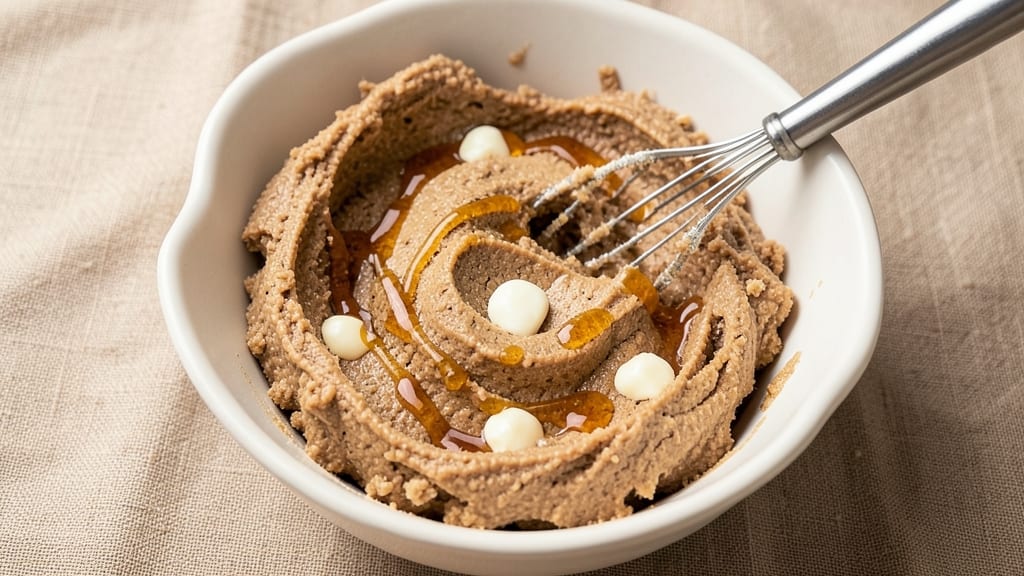
This basic gluten-free cookie dough recipe delivers the same magical texture and flavor without the gluten—no-bake, ready in just 5 minutes, and safe to eat raw if using xanthan gum.
The secret lies in a blend of almond flour and gluten-free oat flour that mimics the tender crumb of traditional dough, while sweetened with honey and vanilla for that classic cookie taste.
I developed this after years of craving cookie dough but needing a safe, allergy-friendly version that still satisfies every bite.
The beauty of this recipe is its versatility—whether you prefer to bake it for crispy cookies or enjoy it straight from the bowl (with a sprinkle of sea salt, of course), the texture stays creamy and rich.
We use xanthan gum to bind the dough naturally, eliminating the need for eggs or dairy unless you choose to add them for extra richness. For those avoiding gluten entirely, cross-contamination is the only concern, so dedicated tools are key.
What sets this apart is how it adapts to dietary needs—swap honey for maple syrup, use coconut oil instead of butter, or add chocolate chips for extra indulgence. The dough holds together beautifully, whether you shape it into balls for baking or scoop it straight from the bowl.
Each bite delivers that familiar cookie dough experience, just without the gluten.
Perfect for holiday baking, last-minute treats, or satisfying cravings safely, this recipe proves gluten-free doesn’t mean giving up texture or taste. Let’s get started—your taste buds (and dietary needs) will thank you.
Ingredients for basic gluten free cookie dough
Pantry staples plus a few specialty flours—no-bake magic in minutes.
| Ingredient | Amount | Notes |
|---|---|---|
| Almond Flour 🌰 | 1 ½ cups | Finely ground for best texture |
| Gluten-Free Oat Flour 🌾 | ½ cup | Certified gluten-free blend |
| Honey 🍯 | ½ cup | Raw for natural sweetness |
| Vanilla Extract 🌸 | 1 tbsp | Pure vanilla preferred |
| Unsalted Butter 🧈 | ½ cup | Softened to room temp |
| Xanthan Gum 🧪 | ½ tsp | Key for binding texture |
| Sea Salt 🧂 | ½ tsp | Fine grain preferred |
| Vanilla Sugar 🍬 | 1 tbsp | Optional for extra flavor |
| Dark Chocolate Chips 🍫 | ½ cup | Enjoy Life brand for allergy-safe |
| Almond Milk 🥛 | 2 tbsp | For creaminess if needed |
| Coconut Oil 🥥 | 2 tbsp | Substitute for butter if dairy-free |
The flours are the foundation here. Bob's Red Mill gluten-free oat flour is my go-to for consistency, but any certified blend works. Almond flour? Store it in the fridge—it goes rancid fast. For the chocolate chips, Enjoy Life brand is a must if you're avoiding allergens. I always grab extra because they disappear fast. The xanthan gum might be tricky to find—check the baking aisle at Whole Foods or order online if your local store doesn't carry it.
No honey? Maple syrup or agave works just fine—just reduce other liquids slightly. Butter too rich? Coconut oil or dairy-free margarine keeps it allergy-friendly. Want it sweeter? Add another tablespoon of vanilla sugar. The dough should hold together like wet sand—if it's too dry, add a splash of almond milk. No vanilla sugar? Regular sugar plus extra vanilla extract does the trick. And if you're eating it raw, make sure your chocolate chips are safe for raw consumption—some brands aren't.
This dough keeps for 5 days in the fridge, wrapped tightly in plastic. For longer storage, freeze portions in 1-tablespoon balls—they thaw in 10 minutes. The raw version is best enjoyed within 3 days for peak texture. If baking, portion into 1-inch balls and chill for 30 minutes before baking. The scent alone will have your kitchen smelling like a bakery—worth every minute.
Why You'll Love This Recipe
- No-Fuss Mixing: I swear by this recipe because it’s actually just four ingredients—no weird substitutions or measuring headaches. The almond flour gives it that perfect crumbly texture without the fuss, and the oat flour keeps it from being too dense. Honestly, I’ve made it while chatting with a friend on the phone.
- Honey-Butter Magic: That combo of honey and butter? It’s ridiculously good—sweet but not cloying, with just enough richness to make you want to roll it into balls right away. The vanilla ties it all together without overpowering, and I’ll be real: it tastes even better the next day.
- Dough or Baked: Here’s what sold me—this works raw (safely, with egg-free tweaks) or baked into cookies. Need a quick snack? Eat it straight. Craving something warm? Bake it. My kids grab it for school lunches or after-school treats, and I never have to worry about gluten issues.
- Budget-Friendly Staples: Between us, almond flour might seem pricey, but it lasts forever, and I use it for everything—from cookies to thickeners. The oat flour is cheap, and honey adds natural sweetness without breaking the bank. Plus, you’re not buying a dozen specialty ingredients—just basics you’ll use again.
Step-by-step instructions for gluten-free cookie dough
Mix these simple ingredients together and you'll have edible cookie dough in minutes.
Combine Dry Ingredients for Perfect Texture
In a medium bowl, whisk together the 1.5 cups almond flour and 0.5 cup gluten-free oat flour until completely blended. I like to use a whisk for this step to ensure there are no lumps in the fine flours. Add the 0.5 tsp xanthan gum and 0.5 tsp sea salt, whisking again until evenly distributed throughout the dry mixture.
This combination gives you that perfect cookie dough consistency without the need for gluten. The xanthan gum acts as a binder, while the oat flour adds a subtle chewiness that's often missing in gluten-free recipes. Sift the mixture if you notice any clumps—this ensures your final dough will be smooth and creamy.
Mix Wet Ingredients for Creamy Perfection
In a separate bowl, combine the 0.5 cup softened unsalted butter and 2 tbsp coconut oil. I prefer to use a hand mixer on low speed for 10-15 seconds to fully incorporate these fats. Add the 0.5 cup honey, 1 tbsp vanilla extract, and 1 tbsp vanilla sugar, mixing until everything is completely smooth and well combined.
The butter should be softened but not melted—it should leave a slight indentation when pressed. If you're using coconut oil, make sure it's melted first and then cooled slightly before mixing. This step creates the rich, creamy base that makes this cookie dough so irresistible. The honey adds natural sweetness while keeping the dough moist.
Gradually Combine Wet and Dry Ingredients
With the mixer on low speed, gradually add the wet mixture to the dry ingredients, mixing just until combined. You'll want to scrape down the sides of the bowl occasionally to ensure everything incorporates evenly. Once fully mixed, fold in the 0.5 cup dark chocolate chips by hand using a rubber spatula.
Here's the thing—don't overmix. You're looking for a thick, dough-like consistency that's still soft enough to scoop. If it seems too dry, add 1 tbsp almond milk at a time until you reach the perfect spreadable texture. The chocolate chips should be evenly distributed throughout, with a few visible pieces in every bite.
Chill and Enjoy Your Edible Cookie Dough
Transfer the cookie dough to an airtight container and refrigerate for at least 30 minutes before serving. This chilling step is crucial—it firms up the dough slightly so it's easier to scoop and prevents it from becoming too soft in warm conditions. The dough will keep in the refrigerator for up to 5 days, making it perfect for meal prep.
When you're ready to enjoy, scoop out 1-2 tablespoon portions and savor straight from the fridge. The texture should be rich, slightly sweet, and packed with chocolatey goodness. If you prefer it softer, let it sit at room temperature for 10-15 minutes before serving. Remember, this is edible cookie dough—no baking required!
Pro Tips For Making Basic Gluten Free Cookie Dough
- Chill the Dough First: I learned this the hard way—skipping the fridge makes gluten-free dough spread like crazy when it bakes. Give it at least 30 minutes in the fridge (or overnight if you’re patient), especially with almond flour, which behaves more like a paste than traditional flour. This keeps your cookies from turning into crispy crackers.
- Toast the Oat Flour: Sounds weird, but it works: dry-toast your gluten-free oat flour in a 350°F oven for 5–7 minutes before mixing. This deepens the flavor and prevents gummy texture—something I noticed after my first batch tasted bland and underwhelming. Just let it cool completely before adding to the butter.
- Use Room-Temp Butter: Cold butter creates pockets that don’t blend right, leading to crumbly dough. Let your unsalted butter sit out for 30–45 minutes (or microwave it for 10 seconds) until it’s soft but not melted. This ensures a smooth, cohesive dough that holds together when you roll it out—or scoop it.
- Measure Honey Precisely: Honey’s stickiness makes it tricky, and eyeballing it throws off the balance. Use a kitchen scale or a spoon to level off the honey in the measuring cup—too much turns your dough into a gooey mess. Aim for ¼ cup max for this recipe, and if you’re adding mix-ins (like chocolate chips), reduce the honey by 1 tablespoon.
Pro cooking tips for great basic gluten free cookie dough
Xanthan Gum Magic
The 0.5 tsp xanthan gum is non-negotiable for texture—it acts like gluten's stretchy cousin, binding everything together without the need for eggs or extra flour. I always sift it with the dry ingredients to avoid clumps, which can create gummy spots in your dough.
If you're sensitive to xanthan gum, try 1 tsp psyllium husk powder as a substitute, but reduce to 0.25 tsp since it's stronger. 🧪
Butter vs. Oil
For the richest flavor, stick with softened butter—it adds depth that coconut oil can't match. But if you're dairy-free, coconut oil (melted and cooled slightly) works perfectly without altering the texture.
Pro tip: If your butter melts during mixing, chill the bowl in the freezer for 5 minutes before continuing. This keeps the dough from becoming too soft.
Chocolate Chip Hack
Use Enjoy Life brand chocolate chips—they're allergy-friendly and melt beautifully. For extra indulgence, fold in 1 tbsp toasted nuts (chopped walnuts or pecans) or ½ cup crushed pretzels for a sweet-salty twist.
If your chips are too large, pulse them in a food processor for 3-5 seconds to create uniform bite-sized pieces.
Mixing Like a Pro
Use a hand mixer on low speed—high speed incorporates too much air, making the dough dry. Scrape the bowl every 30 seconds to ensure even mixing. If the dough feels sticky, add 1 tbsp more almond flour at a time until it holds together when pressed.
Overmixing is the enemy—stop as soon as the ingredients are just combined.
Chilling for Perfection
Never skip the 30-minute chill—it firms up the dough so it scoops beautifully. For baking, chill for 1 hour to prevent spreading. If you're in a hurry, pop the dough in the freezer for 15 minutes to speed up the process.
The longer it chills, the better the texture—think of it like resting meat before cooking.
Allergy-Friendly Swaps
For a nut-free version, replace almond flour with 1.5 cups gluten-free all-purpose flour (like Bob's Red Mill 1:1). If you're avoiding honey, use 0.5 cup maple syrup—it adds a caramel note that pairs perfectly with chocolate.
For egg-free binding, add 1 tbsp ground flaxseed mixed with 3 tbsp water to the wet ingredients and let sit for 5 minutes before mixing.
Nutrition facts
Frequently asked questions
Can I eat this gluten-free cookie dough raw?
Yes, this recipe is designed to be safe and delicious when eaten straight from the bowl! The xanthan gum and proper chilling ensure it holds together without raw flour risks. For extra safety, store it in the fridge and enjoy within 3 days. Always use certified gluten-free chocolate chips and avoid cross-contamination with wheat products.
What if I don't have xanthan gum?
You can substitute with 0.25 tsp psyllium husk powder—it works similarly as a binder. Without either, the dough may be crumbly, but you can add 1 tbsp almond milk at a time until it holds together. For baking, this substitution works best, though texture may differ slightly from the original recipe.
Can I bake these cookies instead of eating them raw?
Scoop 1-inch balls of dough, place on a parchment-lined baking sheet, and bake at 350°F for 10-12 minutes until edges are golden. Chill the dough for 1 hour first to prevent spreading. The baked version will be chewy with crisp edges—perfect for a gluten-free treat!
How do I store leftover dough?
Keep it in an airtight container in the fridge for up to 5 days. For longer storage, portion into 1-tablespoon balls and freeze—they thaw in 10 minutes at room temperature. Never refreeze thawed dough to maintain best texture. The fridge version stays freshest for raw eating.
Why is my dough too dry or crumbly?
This usually happens from overmixing or not enough fat. Add 1 tbsp almond milk at a time until it reaches a soft, scoopable consistency. If using coconut oil, ensure it's fully melted and cooled slightly before mixing. For extra moisture, replace 1 tbsp honey with 1 tbsp melted butter.