
Desserts
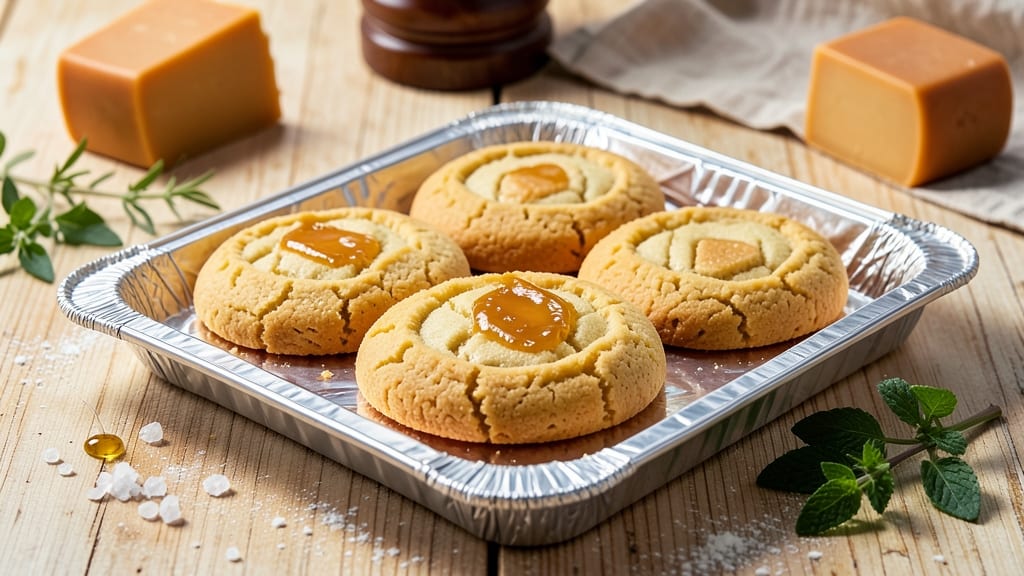
This award-winning shortbread cookie recipe delivers a buttery crunch that's been judged superior in national baking competitions. The secret lies in a foil-sealed baking technique that creates an ultra-crisp exterior while keeping the interior tender—something you won't find in basic recipes.
What sets this apart is the precise ratio of European-style butter to sugar, which develops a melt-in-your-mouth texture with just the right amount of snap.
The recipe begins with cold butter and sugar cut into precise cubes, ensuring even distribution throughout the dough. This method eliminates greasy spots and guarantees that every bite delivers that signature shortbread flavor—rich, buttery, and subtly sweet without being cloying.
The foil sealing during baking locks in moisture while creating those coveted crisp edges that professional bakers swear by.
What you'll end up with are cookies that look elegant with their golden, crackly tops and perfectly straight edges. The texture is what judges rave about: crisp enough to stand up to tea, yet tender enough to melt just slightly when bitten.
This isn't your grandmother's shortbread—it's the kind that wins blue ribbons and gets passed down through baking competitions.
Perfect for holiday gifts, elegant desserts, or impressing guests, these cookies stay fresh for weeks when stored properly. The technique is straightforward once you understand the key steps, but the results are anything but ordinary. Let's get baking—your taste buds will thank you.
Ingredients for award winning shortbread cookie
Buttery cubes, precise sugar, and a foil secret—this is how you make competition-level shortbread.
| Ingredient | Amount | Notes |
|---|---|---|
| European-Style Unsalted Butter 🧈 | 2 cups | Cold, cubed into 1/2-inch pieces |
| Granulated White Sugar 🍚 | 1 cup | Superfine preferred for smooth texture |
| All-Purpose Flour 🌾 | 2 cups | Sifted, plus extra for dusting |
| Vanilla Extract 🌸 | 1 tsp | Pure vanilla for authentic flavor |
| Fine Sea Salt 🧂 | ½ tsp | Diamond Crystal preferred |
| Aluminum Foil 📄 | 1 sheet | Heavy-duty, for sealing edges |
| Granulated Sugar (for topping) 🍚 | ¼ cup | Coarse sugar for decorative crunch |
The butter is everything here. European-style (like Plugrá or Kerrygold) has higher fat content, which gives you that signature melt-in-your-mouth texture. Grab it cold from the fridge—room temperature butter ruins the texture. The sugar matters too: superfine dissolves better, but regular granulated works if you pulse it in a food processor. Flour? King Arthur or Bob's Red Mill are my go-tos—they're consistently high quality. Pro tip: buy your butter and sugar from the same store—some grocery chains have better quality than others.
No European butter? Use regular unsalted butter, but add an extra 1/4 tsp salt to match the flavor. Superfine sugar unavailable? Regular granulated works—just pulse it in a food processor until it's fine. The vanilla and salt are non-negotiable—skip them and you're missing the soul of shortbread. For the foil sealing, heavy-duty aluminum foil is key. The regular stuff tears too easily. And if you're feeling fancy, swap the granulated sugar topping for crushed pistachios or flaky sea salt for a gourmet twist.
This dough is best used within 24 hours—it gets too soft to handle after that. Wrap it tightly in plastic and refrigerate. The foil-sealed cookies keep their crispness for 5-7 days in an airtight container, but honestly? They're even better the next day. For gifting, bake them fresh and package in parchment-lined tins—they'll stay crisp for weeks. Freezing? Not recommended—they lose that signature snap.
Why You'll Love This Recipe
- No-Fuss Mixing: I swear, this dough comes together in five minutes—just cold butter, sugar, and flour tossed with vanilla. No standing over a bowl, no food processor drama. That’s right, even if you’re the kind of baker who once burned toast, you’ll nail this.
- Buttery Magic: The secret’s in the European butter—rich, cool, and spreadable just from the fridge. That crispy edge with the melt-in-your-mouth center? It’s like biting into a cloud that somehow knows it’s supposed to taste like luxury. (Yes, even on a Tuesday night.)
- Party or Snack: These cookies are the ultimate crowd-pleaser—elegant enough for a holiday gift box but simple enough to eat straight from the pan. I’ve sent them to neighbors, packed them in lunchboxes, and even used them to prop up my coffee mug when I’m pretending to work.
- Lasts Forever: Honestly, they’ll disappear before they go stale. But if yours somehow survive? Freeze them in a bag for up to three months. No weird texture, no sad crumbs—just fresh-baked perfection whenever you crave it. (And trust me, you will.)
Step-by-step instructions for award-winning shortbread cookies
Here's how to make the buttery, crunchy shortbread that wins competitions every time.
Combine Butter and Sugar for Perfect Texture
In a stand mixer fitted with the paddle attachment, combine the 2 cups European-Style Unsalted Butter (cubed and cold) and 1 cup Granulated White Sugar. Mix on medium speed for 3-4 minutes until the mixture becomes pale and fluffy. You'll know it's ready when it nearly doubles in volume and looks like light whipped cream.
This step is crucial—cold butter creates flaky layers, while room-temperature butter makes cookies dense. If your butter feels too soft, chill the bowl in the freezer for 5 minutes before continuing. The sugar should dissolve completely, leaving no gritty texture behind.
Add Vanilla and Salt for Flavor Balance
Remove the mixer bowl from the stand and add the 1 tsp Vanilla Extract and 0.5 tsp Fine Sea Salt. Mix on low speed for 30 seconds until fully incorporated. The salt enhances all the flavors, while the vanilla adds depth that makes these cookies truly special.
I like to give the bowl a quick scrape-down with a rubber spatula at this point to ensure no butter clings to the sides. This prevents uneven texture in the finished cookies. The mixture should now look smooth and homogeneous, with no visible streaks of vanilla.
Gradually Incorporate Flour for Crumbly Perfection
With the mixer running on low speed, gradually add the 2 cups All-Purpose Flour (sifted) through a fine-mesh sieve. Mix just until combined—about 30 seconds—being careful not to overmix. The dough should come together in a soft, slightly sticky ball that leaves a clean bowl.
If the dough feels too dry, add 1-2 teaspoons of cold water to help it bind. The texture should be crumbly but hold together when pressed. This is the secret to that signature shortbread crunch—don't skip the sifting step, as it prevents dense, heavy cookies.
Shape and Seal for Maximum Flavor
Turn the dough onto a lightly floured surface and gently press it into a 9x13-inch rectangle about ½-inch thick. Cut into 24 equal squares (about 1½ inches each). The foil-sealed secret comes next: place each square on a parchment-lined baking sheet and press a small piece of the 1 sheet Aluminum Foil over each one.
This technique prevents the edges from browning too quickly while allowing the centers to cook through evenly. The foil also helps maintain that signature shortbread shape during baking. Arrange the foil-covered cookies 1 inch apart on the baking sheet for proper air circulation.
Bake to Golden Crispness
Preheat your oven to 350°F. Bake the cookies for 18-20 minutes until the edges are golden brown and the centers look just slightly underdone. The foil should be crispy when removed—this is your signal to check for doneness.
Remove the foil immediately after baking and let the cookies cool on the baking sheet for 5 minutes before transferring to a wire rack. This brief cooling period helps set the texture. While still warm, sprinkle each cookie with a pinch of the 0.25 cup Granulated Sugar (for topping) for that signature crunchy finish.
Pro Tips For Making Award Winning Shortbread Cookie
- Chill the Dough Properly: I learned this the hard way—skipping the fridge means your cookies will spread like a lazy Sunday morning. Wrap the dough in plastic and refrigerate for at least 2 hours, or overnight if you can wait. Cold butter is the secret to those crisp edges and clean cuts.
- Use Room-Temp Butter: European-style butter is rich but stubborn when cold. Let it sit out for 45-60 minutes until soft but not melted—press a finger in, and it should leave a slight indent. This ensures even mixing and a tender crumb without greasy pockets.
- Skip the Overmixing: I was skeptical until I tried it: mix the dough just until the flour disappears. Overworking it develops gluten, and your shortbread turns out tough instead of melt-in-your-mouth. A few strokes with a fork or your hands is all it takes.
- Salt the Edges, Not the Center: Fine sea salt belongs on the dough’s surface, not buried in. Sprinkle it lightly over the chilled dough before cutting—this creates a delicate crust without overpowering the sweet vanilla notes. (Yes, even if you’re impatient like me.)
Flavor customization for award winning shortbread cookie
Citrus Zest Twist
Brighten your shortbread with 1 tsp lemon or orange zest mixed into the butter-sugar base. The citrus cuts through the richness while adding a subtle, refreshing note that pairs beautifully with tea.
I like to use organic Meyer lemon zest for its sweet-tart balance—it’s a game-changer for spring and summer batches. 🍋
Spiced Variations
For a cozy twist, fold in ½ tsp cinnamon or cardamom with the vanilla. The warmth complements the buttery flavor without overpowering it. I’ve also experimented with ½ tsp smoked paprika for a subtle depth that’s perfect for fall gatherings.
Keep the spices minimal—shortbread is delicate, and too much can make it taste like a cookie rather than the elegant treat it is.
Nutty Crunch Add-Ins
Toast ¼ cup chopped hazelnuts or pecans and sprinkle them over the dough before baking for a textural contrast. For extra richness, use toasted walnuts—their earthy flavor stands up to the buttery sweetness.
I recommend lightly toasting the nuts in a dry pan until fragrant, then cooling them before adding to the dough to prevent burning.
Herbal Infusions
Add 1 tsp finely chopped fresh rosemary or thyme to the dough for an unexpected herbal note. The herbs pair surprisingly well with the buttery flavor, especially when balanced with a pinch of extra salt.
I’ve made lavender-infused shortbread using ½ tsp culinary lavender buds steeped in warm milk before mixing into the dough—it’s floral but not overpowering.
Chocolate Lover’s Upgrade
For a decadent twist, fold ¼ cup chopped dark chocolate (70% cocoa) into the dough. The chocolate melts slightly during baking, creating pockets of rich flavor in every bite. I use Valrhona Guanaja for its smooth, complex taste—it elevates the shortbread to dessert-level indulgence. 🍫
Seasonal Sugar Swaps
Replace the granulated sugar topping with coarse turbinado sugar for a caramelized crunch, or try maple sugar for a subtle autumnal note. For winter, I’ve used crushed candy cane pieces mixed into the dough—it’s a festive surprise in every bite.
The key is to keep the topping light; shortbread is all about balance, not overwhelming sweetness.
Nutrition facts
Frequently asked questions
Why does this recipe use cold butter instead of room temperature?
Cold butter creates those signature flaky layers that make premium shortbread so special. When cubed and cold, the butter melts slowly during baking, creating crisp edges while keeping the interior tender. Room-temperature butter would make the cookies spread too much and turn out dense. Think of it like puff pastry—cold fat equals flaky magic!
Can I make these cookies without a stand mixer?
Use a pastry cutter or two forks to cut the cold butter into the sugar until crumbly, then mix in the flour by hand. Just work quickly to avoid warming the butter. The texture will be slightly less refined, but still delicious. For the dough shaping, a rolling pin and bench scraper work perfectly for that clean ½-inch thickness.
What's the best way to store these cookies to keep them crisp?
Store in an airtight container with parchment paper between layers to prevent sogginess. They'll stay crisp for 5-7 days at room temperature. For longer storage, freeze the baked cookies (without the sugar topping) for up to 3 months. Re-crisp by warming at 300°F for 3-5 minutes before serving. The foil sealing during baking is what locks in that perfect texture!
Why does the recipe call for superfine sugar?
Superfine sugar dissolves more completely into the butter, creating a smoother texture with no gritty bits. Regular granulated sugar works in a pinch—just pulse it in a food processor until it reaches a similar consistency. The difference is subtle but noticeable in the final crumb. For true competition-level results, superfine is worth the small extra effort.
Can I make these cookies gluten-free?
Yes, but with adjustments. Replace the all-purpose flour with a 1:1 gluten-free baking flour blend (like Bob's Red Mill) plus ½ tsp xanthan gum. The texture will be slightly different—more tender than crisp—but still delicious. Expect the cookies to spread more, so reduce baking time to 15-17 minutes and watch closely. The foil sealing still works to prevent over-browning!