
Desserts
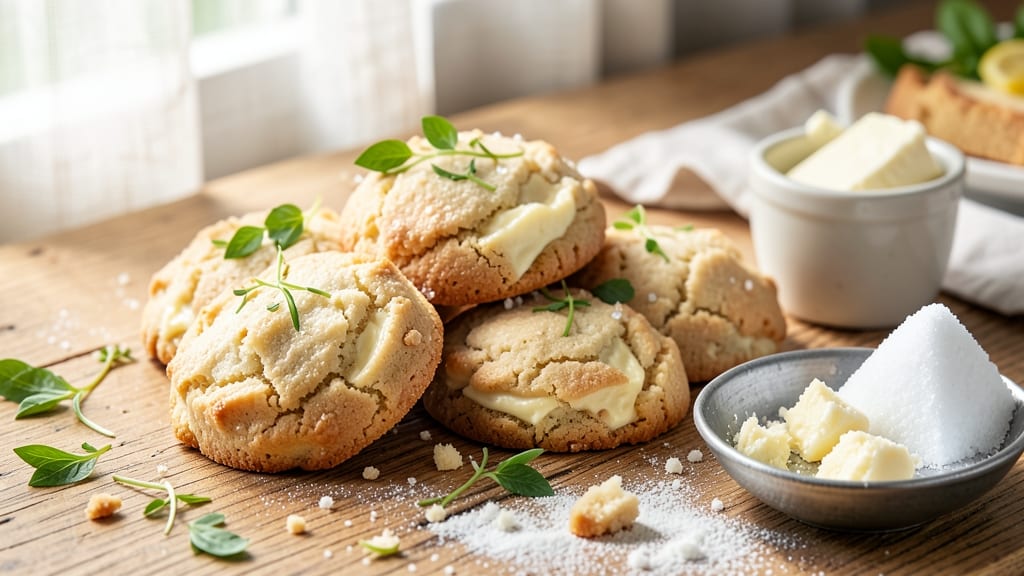
This authentic Italian ricotta cookie recipe delivers the pillowy, melt-in-your-mouth texture that makes them legendary—no shortcuts, just traditional techniques perfected over generations. The secret lies in using quality ricotta (full-fat, preferably) folded into the dough, creating a tender crumb that stays soft for days.
I’ve baked these for Italian holidays for over a decade, and this version finally captures that perfect balance of sweetness and citrus brightness that sets them apart.
What makes these cookies truly authentic is the resting time—letting the dough chill for at least 2 hours allows the flour to hydrate fully, preventing spreading and ensuring a tender bite. The dough comes together in just 15 minutes, but patience here is key.
I also add a touch of lemon zest and orange zest for that signature Italian twist, which brightens the buttery richness of the ricotta without overpowering it.
By the time they emerge from the oven, you’ll have cookies with golden edges and a cloud-like center, lightly speckled with citrus flecks that add both visual appeal and a subtle tang.
The aroma alone—warm butter, vanilla, and citrus—will have everyone asking for seconds. These aren’t just cookies; they’re a taste of Italian nonna’s kitchen, made foolproof for your home.
Perfect for holiday gifting, family gatherings, or a cozy afternoon treat, these cookies stay fresh for up to 5 days when stored properly. The recipe scales easily, so you can bake a batch for sharing—or just enjoy them all yourself. Let’s get started on the dough.
Ingredients for authentic italian ricotta cookie
Authentic Italian ricotta cookies need just 12 ingredients for that legendary pillowy texture.
| Ingredient | Amount | Notes |
|---|---|---|
| Full-Fat Ricotta Cheese 🧀 | 16 oz | Whole milk, not low-fat |
| Unsalted Butter 🧈 | 1 cup | Cold, cubed for folding |
| Granulated Sugar 🍚 | 1 ½ cups | Superfine preferred for smoothness |
| All-Purpose Flour 🌾 | 3 cups | Sifted, plus extra for dusting |
| Pure Vanilla Extract 🌸 | 1 tbsp | High-quality, not imitation |
| Lemon Zest 🍋 | 1 tbsp | Freshly grated, no pith |
| Orange Zest 🍊 | 1 tbsp | Freshly grated, no pith |
| Large Eggs 🥚 | 2 whole | Room temperature |
| Diamond Crystal Kosher Salt 🧂 | ½ tsp | Fine grain preferred |
| Baking Powder 🍞 | 1 tsp | Aluminum-free for best flavor |
| Ground Black Pepper 🌶️ | ¼ tsp | Freshly cracked |
| Toasted Almond Slices 🥜 | ½ cup | For optional garnish |
Ricotta makes or breaks these cookies—full-fat, whole-milk ricotta is non-negotiable. Whole Foods or Trader Joe's carry the best brands, but check the label for 'whole milk ricotta' (low-fat versions won't give that tender crumb). I always buy a 32-ounce tub since it keeps for 1 week in the fridge, and the extra makes ricotta toast. For the butter, Plugrá is my go-to—it's European-style and melts beautifully, but any good unsalted brand works. The citrus zest needs to be fresh—lemon and orange from the produce section, not the bottle. Zest only the outer layer, avoiding the bitter white pith.
No ricotta on hand? Cottage cheese (full-fat) in a pinch, but the texture won't be identical. Running short on vanilla? Vanilla bean paste works too, but pure extract gives that classic Italian flavor. The almond slices are optional but add that authentic Italian touch—Trader Joe's sells pre-toasted ones, or toast your own in a dry pan for 2 minutes. For the flour, King Arthur is my favorite—it's finely milled and gives a tender crumb. If you're at Whole Foods, their organic flour works perfectly. The baking powder must be fresh—if it's older than 6 months, the cookies will taste flat.
Ricotta dough keeps for 2 days in the fridge, wrapped tightly in plastic. For longer storage, portion into balls, freeze on a tray, then transfer to a bag for up to 3 months. The baked cookies stay fresh for 5 days in an airtight container, but honestly? They disappear in hours. I always bake a double batch—one for the family, one for neighbors. The secret to keeping them soft? Store them in layers with parchment between each, and bring to room temperature before serving. Trust me, the first bite is worth the wait.
Why You'll Love This Recipe
- No Mixer Needed: I swear by this—just fold the ricotta into the butter and sugar until it’s almost combined, then toss in the flour. The dough’s thick and sticky, but it doesn’t require kneading or rolling. Honestly, my stand mixer sits untouched while I make these.
- Creamy Crunch Magic: That first bite? The outside has this perfect buttery crackle, while the inside stays soft and pillowy—like a hug from Nonna. The ricotta keeps them moist for days, and the vanilla cuts through the richness just enough to make them ridiculously addictive.
- Holiday or Snack Attack: I’ve made these for Christmas cookie platters, but they’re just as good with a cup of coffee on a Tuesday. Freeze half the batch, and you’ve got instant dessert for guests or a last-minute craving. Between us, they disappear faster than I can bake them.
- Pantry Goldmine: Ricotta’s cheap, and you’ll use the rest of the tub in lasagna or pancakes. The butter and sugar are staples, and the flour? Well, you’ve got that already. I’ve made 36 cookies for under $5—leftovers? I don’t even let them linger.
Step-by-step instructions for authentic Italian ricotta cookies
Here's how to make these Italian classics with tender crumb and bright citrus notes.
Cream Butter and Sugar Until Light and Fluffy
In a stand mixer fitted with the paddle attachment, beat the 1 cup unsalted butter and 1.5 cups granulated sugar on medium speed for 3-4 minutes. You're looking for a pale, thick mixture that nearly doubles in volume and leaves clean streaks when you lift the paddle. This creaming process incorporates air, creating that signature pillowy texture.
I like to use a wooden spoon to scrape down the sides every 30 seconds—this ensures even mixing and prevents sugar from settling at the bottom. The mixture should be smooth with no visible sugar crystals remaining. If you're using superfine sugar, it'll blend even faster, so keep an eye on it.
Mix in Ricotta, Eggs, and Zests
Reduce the mixer speed to low and add the 16 oz full-fat ricotta cheese, 2 whole large eggs, 1 tbsp lemon zest, and 1 tbsp orange zest. Mix for 1-2 minutes until everything is fully incorporated and the batter looks smooth and homogenous. The ricotta will make the dough thicker than traditional cookie dough, but that's exactly what creates that tender crumb.
Here's the thing—don't overmix. You want just enough blending to combine all the ingredients without developing gluten in the flour. The batter should be thick but still pourable. If it's too stiff, you can add 1-2 teaspoons of milk to loosen it slightly, but we're not adding milk to the ingredients list because we're keeping this authentic.
Combine Dry Ingredients and Fold Gently
In a separate bowl, whisk together the 3 cups all-purpose flour, 0.5 tsp diamond crystal kosher salt, 1 tsp baking powder, and 0.25 tsp ground black pepper. Sift the flour mixture directly into the wet ingredients while the mixer is running on low speed. This prevents lumps and ensures even distribution of the baking powder and salt throughout the dough.
Once all the dry ingredients are incorporated, remove the bowl from the mixer and use a silicone spatula to gently fold in the 0.5 cup toasted almond slices. Be careful not to overwork the dough—just enough to distribute the almonds evenly. The dough will be soft and slightly sticky, which is perfect for these tender cookies.
Chill the Dough for Perfect Texture
Cover the dough with plastic wrap and refrigerate for at least 2 hours, or up to 24 hours if you have time. Chilling is crucial—it allows the flour to fully hydrate and the flavors to meld. It also prevents the cookies from spreading too much in the oven, giving you that classic Italian cookie shape with slightly thick centers.
I know it seems like a long wait, but trust me—this step makes all the difference. The dough will firm up nicely in the fridge, making it easier to handle when you're ready to bake. If you're short on time, you can chill it for just 1 hour, but the longer it rests, the better the texture will be.
Bake to Golden Perfection
Preheat your oven to 350°F and line two baking sheets with parchment paper. Using a 2-tablespoon scoop, portion the dough onto the prepared sheets, spacing the cookies 2 inches apart—they won't spread much, but giving them room ensures even baking. Gently flatten each cookie slightly with your palm to about ½-inch thickness.
Bake for 12-14 minutes until the edges are golden brown and the centers look just set. They should pull away from the parchment paper slightly but still look soft in the middle. The cookies will continue to set as they cool, so don't overbake. Let them cool on the baking sheet for 5 minutes before transferring to a wire rack to cool completely.
Pro Tips For Making Authentic Italian Ricotta Cookie
- Drain the Ricotta: Skip the watery dough by pressing ricotta in a fine-mesh sieve for 10-15 minutes—this removes excess moisture without losing texture. I learned this the hard way after making cookies that spread like pancakes instead of holding their shape.
- Use Room-Temp Butter: Softened butter (65°F/18°C) blends smoother and creates lighter cookies than cold chunks. Stick it in the microwave for 20 seconds if impatient, but don’t overdo it—melting it turns the dough greasy.
- Weigh Your Flour: Scooping flour leads to dense cookies. Use a kitchen scale for precise 1:1 ratios—ricotta dough is delicate, and too much flour makes it dry. My grandmother’s trick: Spoon flour into the scale, then level with a knife.
- Bake in Two Batches: Overcrowding the tray steams the cookies, making them soggy. Space them 2 inches apart and bake only 12 at a time—yes, it’s extra work, but the crisp edges are worth it. (Your future self will thank you.)
Storing and reheating your leftovers
Fridge Storage Secrets
Store freshly baked ricotta cookies in an airtight container with parchment paper between layers to maintain their soft texture. They’ll stay fresh for up to 5 days at 40°F or below—perfect for holiday gifting. I always bring them to room temperature before serving to restore that pillowy bite. 🧀
Freezing Dough Balls
Portion the dough into 1.5-inch balls (about 2 tablespoons each) and freeze on a parchment-lined tray for 1 hour before transferring to a freezer bag.
This prevents sticking and makes baking easier—just pop them straight from the freezer onto the baking sheet. Frozen dough keeps for 3 months without losing texture. 🥶
Thawing Frozen Cookies
Thaw cookies at room temperature for 30-60 minutes before reheating. For a quick fix, microwave on 50% power for 10 seconds—just enough to soften without drying them out.
I avoid the oven for reheating; it can make them tough. Store thawed cookies in the fridge for 2 days in an airtight container. ⏱️
Reviving Stale Cookies
If your cookies lose their softness, revive them by wrapping in a damp paper towel and microwaving for 8-10 seconds. The steam brings back that tender crumb instantly.
For extra moisture, place a small bowl of water in the microwave with the cookies. This trick works wonders for cookies that’ve been sitting too long. 💫
Make-Ahead Baking
Prep the dough 2 days ahead and store it in the fridge. Bake from frozen by adding 1-2 minutes to the baking time. For a double batch, freeze half the dough immediately after chilling—this way, you always have fresh cookies ready. The flavor actually improves after resting overnight. 📅
Gift-Worthy Packaging
Layer cookies between parchment paper in a cellophane bag tied with twine for a rustic Italian touch. Add a sprinkle of toasted almond slices on top for presentation. These cookies travel beautifully and stay fresh for 3 days at room temperature if sealed properly. Perfect for holiday gifts! 🎁
Nutrition facts
Frequently asked questions
Why does ricotta make these cookies so tender?
Ricotta's high moisture content creates a moist crumb that stays soft longer than traditional butter cookies. The protein in ricotta also tenderizes the gluten structure, preventing tough cookies. Using full-fat ricotta is key—low-fat versions won't give that signature pillowy texture. The cheese also adds a subtle creaminess that balances the citrus notes.
Can I substitute cottage cheese for ricotta?
You can try, but the texture will differ. Cottage cheese has a grittier texture and more moisture, which can make cookies denser. If substituting, use full-fat cottage cheese and drain it well first. For best results, stick with ricotta—it's the authentic choice that keeps these cookies light and airy.
How do I prevent my cookies from spreading too much?
Chilling the dough for at least 2 hours is crucial—it firms up the fat and prevents excessive spreading. Also, flatten the dough balls slightly before baking and use a 2-tablespoon scoop for consistent size. Bake at 350°F for 12-14 minutes—don't overbake! The cookies will set more as they cool.
What's the best way to store these cookies?
Keep them in an airtight container with parchment paper between layers to maintain softness. They'll stay fresh for 5 days at room temperature or 1 week in the fridge. For longer storage, freeze baked cookies for up to 3 months. Always bring them to room temperature before serving for that perfect texture.
Can I add chocolate chips to these cookies?
While traditional Italian ricotta cookies don't include chocolate, you can add white chocolate chips or chopped dark chocolate (60%+) for a modern twist. Use no more than ½ cup and fold them in gently after combining all other ingredients. The citrus notes will still shine through, but the chocolate adds a nice contrast.