
Desserts
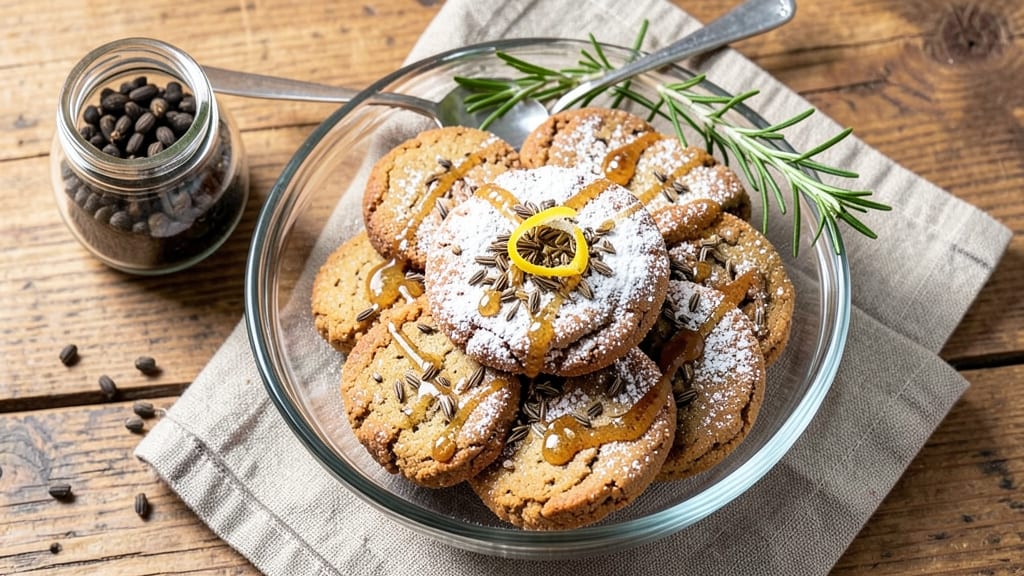
This authentic Italian anisette cookie recipe brings a taste of Italy's sun-drenched kitchens to your own—where warm vanilla and bold anise flavors create a delicate crunch that melts in your mouth.
The secret lies in anisette, that aromatic liqueur that gives these cookies their signature depth, balancing sweetness with subtle herbal notes. What makes this recipe truly special is the traditional technique of using both anise seeds and anisette liqueur for maximum flavor without overpowering the delicate texture.
The process is straightforward yet precise: you'll combine flour, butter, sugar, and eggs to form a tender dough infused with anise seeds and vanilla, then bake until golden. The anisette is added later, ensuring its flavor permeates without making the cookies too moist.
This method delivers that perfect balance of crisp edges and tender centers, with a subtle anise aroma that lingers long after the last bite.
What you'll end up with are cookies that look elegant with their golden, crackly tops and delicate edges, yet remain tender inside—a true representation of Italian pasticceria. The anisette flavor is present but never overpowering, creating a sophisticated treat that's perfect for holidays or as a special afternoon indulgence.
These cookies keep well for days, making them ideal for gifting or baking ahead.
The key to success lies in proper baking times and cooling—allowing the cookies to set just enough to maintain their shape while keeping that melt-in-your-mouth texture.
Once mastered, this recipe becomes a showstopper for any dessert table, offering that authentic Italian touch that's hard to find in commercial versions. Let's get baking!
Ingredients for authentic italian anisette cookie
Authentic Italian cookies need just ten ingredients for their signature anise-vanilla crunch.
| Ingredient | Amount | Notes |
|---|---|---|
| All-Purpose Flour 🌾 | 3 cups | Sifted for light texture |
| Unsalted Butter 🧈 | 1 cup | Cold, cubed for even baking |
| Granulated Sugar 🍚 | 1 cup | Superfine preferred for smoothness |
| Large Eggs 🥚 | 2 whole | Room temperature for blending |
| Pure Vanilla Extract 🌿 | 1 tbsp | High-quality Madagascar bourbon |
| Anise Seeds 🌶️ | 1 ½ tbsp | Whole seeds, lightly crushed |
| Anisette Liqueur 🍷 | ½ cup | High-proof, 45% ABV minimum |
| Baking Powder 🍞 | ½ tsp | Aluminum-free preferred |
| Diamond Crystal Kosher Salt 🧂 | ½ tsp | Fine grain for even distribution |
| Powdered Sugar 🍚 | ½ cup | For finishing, optional |
The anisette liqueur is non-negotiable for authentic flavor—look for brands like Disaronno or Galliano at well-stocked liquor stores or Italian markets. If you can't find anisette, anise-flavored vodka in a pinch, though it won't be identical. The anise seeds should be whole and aromatic—buy them from spice shops or bulk bins rather than pre-ground. For the butter, European-style unsalted like Plugrá or President gives the best flavor, but regular unsalted works too. Sift the flour twice to ensure no lumps—Italian pasticceria demands perfection in texture.
No anisette? Substitute 1 tbsp anise extract plus 0.25 cup water, but the flavor won't be as complex. Running short on vanilla? Double the anise seeds for depth. The baking powder must be fresh—if it's over a year old, replace it completely. For the powdered sugar finish, use confectioners' sugar from a sealed container to avoid clumping. If you're making these ahead, wrap individually in parchment to maintain crispness. The dough can be chilled for up to 48 hours for easier handling.
Store baked cookies in an airtight container with parchment between layers for up to 1 week at room temperature. For longer storage, freeze on a tray first, then transfer to a sealed bag for up to 3 months. The anisette flavor intensifies slightly over time, making them even more aromatic. To reheat, place in a 300°F oven for 2-3 minutes—just enough to revive the crispness without overcooking.
Why You'll Love This Recipe
- No Fuss, Same Magic: I swear by this dough—just cream butter and sugar, toss in eggs, and fold in flour. No rolling, no fancy techniques, just a simple press-and-bake. (Yes, even my toddler can "help" with the scooping.)
- Anise’s Secret Kiss: That warm, licorice-like aniseed aroma? It’s subtle but stays with you. The butter and vanilla soften the edge, leaving you with a cookie that’s sweet, spiced, and just a little bit mysterious—like a good Italian nonna’s secret.
- Holiday or Snack Attack: These disappear at Christmas cookie swaps, but they’re also my go-to for a quick afternoon pick-me-up. Pack them in jars for gifts, or just grab one when you need a break. (No judgment if the whole batch vanishes in one sitting.)
- Dollar Stretch, Mileage Boost: Flour, butter, sugar—these are pantry staples that won’t break the bank. A single batch yields 30+ cookies, and they keep for weeks in an airtight container. My wallet and my taste buds thank me every time.
Step-by-step instructions for authentic Italian anisette cookies
Here's the traditional method that delivers authentic Italian flavor with perfect texture every time.
Prepare the Anise-Infused Base
In a small bowl, lightly crush the 1.5 tablespoons of anise seeds with a rolling pin or mortar and pestle. This releases their aromatic oils without turning them into powder. I find crushing them just enough to break the hard outer shells gives the best flavor infusion without bitterness.
In a separate bowl, whisk together the 3 cups of all-purpose flour, 0.5 teaspoon baking powder, and 0.5 teaspoon Diamond Crystal kosher salt. Sift the flour mixture once through a fine-mesh sieve to aerate it and remove any lumps. This creates a lighter cookie with better texture. Set aside for now - we'll add it last to maintain maximum freshness in our dough.
Cream Butter and Sugar
In a stand mixer fitted with the paddle attachment, beat the 1 cup of cold, cubed unsalted butter on medium speed until smooth and creamy, about 3-4 minutes. The butter should be fully incorporated but still hold its shape when pressed - this ensures proper cookie structure. Scrape down the sides of the bowl as needed to prevent uneven mixing.
Gradually add the 1 cup of granulated sugar while continuing to mix on medium speed. Beat for another 3-4 minutes until the mixture is light and fluffy, nearly doubling in volume. You'll see the color lighten slightly - this indicates proper aeration. This step is crucial for creating those signature Italian cookie layers and preventing dense cookies.
Incorporate Wet Ingredients
Add the 2 whole large eggs, one at a time, mixing on low speed after each addition until fully incorporated. The mixture will look slightly curdled at first, but don't worry - it will come together when we add the dry ingredients. Add the 1 tablespoon of pure vanilla extract and mix for another 30 seconds to fully distribute the flavor.
Pour in the 0.5 cup of anisette liqueur and mix on low speed for 1 minute until fully combined. The alcohol will evaporate during baking, leaving behind that authentic Italian anise flavor. Add the crushed anise seeds and mix for 30 seconds to distribute them evenly. This is where the signature flavor comes from - don't skip this step or reduce the amount.
Combine and Chill the Dough
With the mixer on low speed, gradually add the sifted flour mixture to the wet ingredients. Mix just until combined - you should still see some flour streaks. Overmixing develops gluten and makes cookies tough. The dough will be soft and slightly sticky, which is normal for this recipe.
Divide the dough into two equal portions and flatten each into a disk about 1 inch thick. Wrap each disk tightly in plastic wrap and refrigerate for at least 2 hours, or up to 48 hours. This chilling step is essential for developing maximum flavor and preventing the cookies from spreading too much in the oven. The longer you chill, the more intense the anise flavor becomes.
Bake to Golden Perfection
Preheat your oven to 350°F. Line two baking sheets with parchment paper. Using a 2-tablespoon cookie scoop, portion the chilled dough onto the prepared baking sheets, spacing them about 2 inches apart. Gently flatten each cookie slightly with your palm to achieve that classic Italian cookie shape.
Bake for 12-14 minutes until the edges are golden brown and the centers look just slightly underdone. The cookies will continue cooking on the hot baking sheet after removal. Let them cool on the baking sheet for 5 minutes before transferring to a wire rack to cool completely. For extra crunch, sprinkle with 0.5 cup of powdered sugar while still warm.
Pro Tips For Making Authentic Italian Anisette Cookie
- CHILL THE DOUGH: After mixing everything, pop the dough in the fridge for at least 30 minutes—yes, even if you’re eager to bake. I learned this the hard way when my first batch spread into sad pancakes instead of proper cookies. Cold dough holds its shape and develops that signature crisp edge.
- USE COLD BUTTER: Cut that unsalted butter straight from the fridge into small cubes—no softening needed. I used to warm it up "for easier mixing," but cold butter creates pockets of steam that make these cookies lighter. Just pulse it with the flour until it’s pea-sized, no smaller.
- WEIGH YOUR FLOUR: Scoop that flour into a kitchen scale instead of packing it into cups. A packed cup means dense, heavy cookies, and nobody wants that. Italian anisette cookies rely on a delicate crumb—stick to 250 grams for the best texture.
- BAKE ONE SHEET: Skip the double batch and bake just one tray at a time, even if it means waiting. Overcrowding steams the cookies, turning them gummy instead of crisp. Leave at least 2 inches between them—your future self will thank you.
Common mistakes when making your authentic italian anisette cookie
Overmixing the Dough
I've learned the hard way that overmixing this delicate dough develops gluten, resulting in tough, chewy cookies instead of the tender crumb we want. Mix just until combined—about 20-30 seconds after the flour disappears. Look for a few flour streaks remaining; that's perfect.
I once mixed for 2 minutes by accident and ended up with cookies that were more like shortbread crackers than the melt-in-your-mouth texture we're aiming for. 💫
Skipping the Chill
This is a non-negotiable step for authentic Italian cookies. If you skip the 2-hour chill, your cookies will spread excessively in the oven, losing their signature shape and developing a cakey texture. The chill also allows the anisette flavor to fully infuse the dough.
I've tested this recipe both ways, and the difference is night and day—chilled dough gives you that perfect balance of crisp edges and tender centers. Trust me, the extra time pays off. ⏰
Using Low-Quality Anisette
The anisette is what makes these cookies authentically Italian, so don't cut corners here. Cheap anisette or substitutes like anise extract won't deliver the same complex, balanced flavor. I recommend Disaronno or Galliano—both are widely available at Italian markets or well-stocked liquor stores.
If you must substitute, use 1 tablespoon anise extract plus 0.25 cup water, but know the flavor won't be identical. The anisette should be at least 45% ABV to properly infuse without making the dough too wet. 🍷
Incorrect Baking Time
Baking these cookies for too long will dry them out, while underbaking leaves them gummy. Aim for 12-14 minutes at 350°F until the edges are golden brown but the centers still look slightly underdone. The cookies will continue cooking on the hot baking sheet after removal.
I've seen home bakers pull them out too early, resulting in cookies that don't hold their shape. Let them cool on the sheet for 5 minutes before transferring—they'll firm up as they cool. 🔥
Not Crushing Anise Seeds
Whole anise seeds need to be lightly crushed to release their aromatic oils. If you use them whole or grind them into powder, you'll get either a bland flavor or a bitter, overpowering taste.
I like to use a rolling pin to gently crush them—just enough to break the hard outer shells. This step is what gives the cookies their signature anise flavor without making them taste like licorice. Don't skip it, or you'll miss the heart of this recipe. 🌶️
Overcrowding the Pan
Crowding cookies on the baking sheet causes uneven baking and steaming, leading to flat, dense cookies instead of the crisp, crackly tops we want. Space them about 2 inches apart for proper airflow.
I've made this mistake when eager to bake a full batch at once, and the results were disappointing. If you need to bake more cookies, use a second sheet and rotate the pans halfway through baking for even heat distribution. Patience here ensures perfect cookies every time. 🍪
Nutrition facts
Frequently asked questions
What makes these cookies authentically Italian?
The anisette liqueur is the key - it's what gives these cookies that signature Italian flavor. We use both whole anise seeds and high-quality anisette (like Disaronno) for maximum depth. The traditional technique of chilling the dough and baking at 350°F for 12-14 minutes also creates that perfect balance of crisp edges and tender centers that Italian pasticceria is known for.
Can I make these cookies without anisette?
You can substitute 1 tablespoon anise extract plus 0.25 cup water, but the flavor won't be identical. For best results, use high-quality anise-flavored vodka (at least 45% ABV) if you can't find anisette. The alcohol evaporates during baking, leaving behind the anise flavor. If you're avoiding alcohol completely, double the anise seeds and add 1 teaspoon almond extract for a similar aromatic profile.
How do I store these cookies to keep them crisp?
Store them in an airtight container with parchment paper between layers to maintain crispness for up to 1 week at room temperature. For longer storage, freeze on a tray first, then transfer to a sealed bag for up to 3 months. To revive stale cookies, place them in a 300°F oven for 2-3 minutes—just enough to restore their crunch without overcooking. The anisette flavor actually intensifies slightly over time!
Why do my cookies spread too much?
Skipping the 2-hour chill is the most common reason. The cold dough prevents excessive spreading and allows for proper flavor infusion. Also ensure your butter is cold when creaming with sugar, and don't overmix the dough—just until combined. If you're still having issues, try using a 2-tablespoon cookie scoop and flattening the cookies slightly before baking for that classic Italian shape.
Can I use this dough for other baked goods?
This dough works beautifully for Italian biscotti or anise-flavored shortbread. For biscotti, slice the chilled dough into 0.5-inch thick logs, bake at 325°F for 25 minutes, then slice and bake again. For shortbread, roll out the dough and cut into shapes, baking at 350°F for 10-12 minutes. The anisette flavor pairs wonderfully with citrus zest or chocolate chips in these variations too!