
Desserts
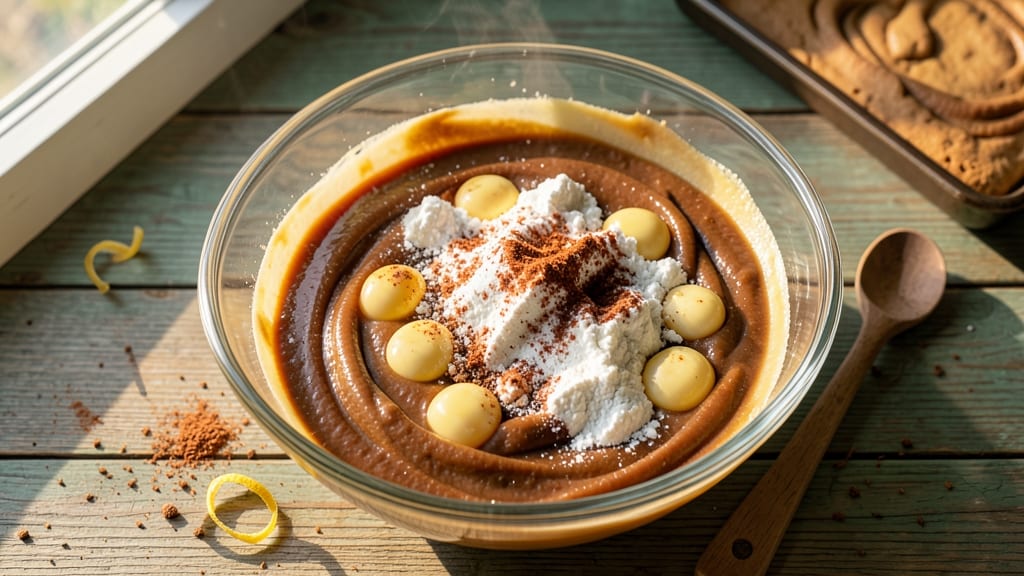
This Amish soft molasses cookie recipe delivers the perfect balance of chewy centers and crisp edges, wrapped in warm spices and rich molasses flavor. The secret lies in the dough's resting time and precise baking temperature, which transforms simple ingredients into buttery, pillowy cookies with a traditional taste.
I've perfected this recipe over years of baking, ensuring every batch delivers that signature Amish comfort food experience.
The recipe begins with a blend of brown sugar and molasses, creating a deep, caramelized sweetness that pairs beautifully with cinnamon, ginger, and cloves. A touch of baking soda ensures the cookies rise just enough to form those coveted soft, rounded tops.
The dough should rest for at least 30 minutes, allowing the flavors to meld and the texture to develop properly. This step is non-negotiable for achieving that signature tender crumb.
Once baked, these cookies emerge golden brown with a slightly cracked surface, revealing the soft, chewy interior. The aroma of freshly baked molasses cookies fills the kitchen, making it impossible to wait for them to cool.
They're perfect for holiday gatherings, potlucks, or simply treating yourself to a taste of tradition. The recipe yields about 24 cookies, so you'll want to make a double batch—they disappear quickly.
For added texture, try folding in chopped walnuts or pecans before baking, or adjust the molasses-to-sugar ratio for a sweeter or more robust flavor. Store in an airtight container at room temperature for up to a week, though I guarantee they won't last that long. Let's get baking!
Ingredients for amish soft molasses cookie
Simple pantry staples transform into Amish-style molasses cookies with tender crumb and warm spice notes.
| Ingredient | Amount | Notes |
|---|---|---|
| Unsalted Butter 🧈 | 1 cup | Softened to room temperature |
| Light Brown Sugar 🍚 | 1 ½ cups | Packed firmly into measuring cup |
| Molasses 🍯 | 1 cup | Unsulphured for best flavor |
| Large Eggs 🥚 | 2 whole | Room temperature for even mixing |
| All-Purpose Flour 🌾 | 3 ½ cups | Spooning into cup for accuracy |
| Ground Cinnamon 🌿 | 1 ½ tsp | Freshly ground preferred |
| Ground Ginger 🌿 | 1 tsp | Freshly ground for warmth |
| Ground Cloves 🌶️ | ½ tsp | Lightly toasted for depth |
| Baking Soda 🧂 | 1 tsp | Pure baking soda, not baking powder |
| Salt 🧂 | ½ tsp | Fine sea salt preferred |
| Vanilla Extract 🍯 | 1 tsp | Pure vanilla extract |
| Walnuts or Pecans 🌰 | 1 cup | Chopped, optional for texture |
The molasses is the soul of these cookies—unsulphured is key for that rich, caramelized flavor. Whole Foods or well-stocked grocery stores carry it, usually near the baking supplies. For the brown sugar, pack it firmly into your measuring cup to avoid air pockets that affect texture. The butter should be soft but not melted—press it gently to test. If you're feeling fancy, toast your walnuts or pecans first for extra depth of flavor, but raw works fine too. I always grab Penzeys spices for my baking—they stay fresh longer and have that professional-grade quality.
No molasses? Maple syrup or dark corn syrup can substitute at half the amount, though the flavor won't be identical. Running low on brown sugar? White sugar plus 1 tbsp molasses mimics the moisture content. The spices are non-negotiable for that classic Amish flavor—if you're missing one, allspice or nutmeg can stand in for cloves in a pinch. For the nuts, hazelnuts or almonds work too, but walnuts give that signature crunch. And if you're worried about the dough being too sticky, chill it for 15 minutes before scooping—trust me on this.
These cookies keep for up to a week in an airtight container at room temperature, though I've never had a batch last that long. For longer storage, freeze the dough balls before baking—just add 2-3 minutes to bake time when thawed. The aroma alone will have your kitchen smelling like a holiday bake sale. Double the recipe if you're planning to share—they disappear faster than you can say 'Amish hospitality'. And if you're feeling extra, a sprinkle of coarse sugar on top before baking adds that perfect crunch.
Why You'll Love This Recipe
- No Mixer Needed: I swear by this dough—just creaming butter and sugar until fluffy, then folding in molasses and flour like you’re making a hug. No stand mixer, no fuss, just a sturdy spoon and your hands. Honestly, the texture comes out better this way.
- Molasses Magic: That deep, caramel-like richness from the molasses? It’s not too sweet, not too bitter—just right. The brown sugar keeps it soft, and the butter makes every bite melt like a warm hug. Between us, these disappear faster than I can say "second batch."
- Holiday or Snack: Wrap them in parchment for gift baskets, pack them in jars for teachers, or just eat them straight from the pan. They’re sturdy enough to travel but still tender—perfect for potlucks, breakfast with coffee, or sneaking into lunchboxes. (Yes, even on a Tuesday night.)
- Pantry Staples Only: Five ingredients, no weird substitutions. Butter, sugar, molasses, eggs, flour—that’s it. No fancy add-ins, no last-minute grocery runs. And because they keep for weeks in an airtight container? My freezer’s always stocked with backup. Budget-friendly and foolproof.
Step-by-step instructions for Amish soft molasses cookies
Here's the method for tender, spiced molasses cookies with a chewy center.
Cream Butter and Brown Sugar Together
In a large mixing bowl, combine the 1 cup unsalted butter and 1.5 cups light brown sugar. Using an electric mixer on medium speed, beat for 3-5 minutes until the mixture is light and fluffy, nearly doubling in volume. You'll see the color lighten from pale to a buttery hue—this incorporates air for that signature tender texture.
I press down on the butter mixture with a spatula every now and then to ensure it's fully creamed. The goal is to create a smooth, ribbon-like consistency that holds peaks when the beaters are lifted. This step prevents dense cookies later—don't rush it, even if the mixture looks combined early.
Mix in Molasses and Eggs
Add the 1 cup molasses to the butter mixture and beat for 1 minute until fully incorporated. The molasses will darken the mixture significantly—this is normal and essential for that classic Amish flavor. Next, add the 2 whole large eggs, one at a time, beating well after each addition.
After adding the eggs, stir in the 1 teaspoon vanilla extract and mix for another 30 seconds. The batter should be smooth and thick, almost like a soft dough. If it seems too sticky, don't worry—we'll balance it with the dry ingredients next. This is where the warm spice flavors begin to meld with the sweet molasses base.
Combine Dry Ingredients
In a separate bowl, whisk together the 3.5 cups all-purpose flour, 1.5 teaspoons ground cinnamon, 1 teaspoon ground ginger, 0.5 teaspoon ground cloves, 1 teaspoon baking soda, and 0.5 teaspoon salt. Sift the mixture directly into the wet ingredients to avoid clumping.
Using the mixer on low speed, combine the dry ingredients with the wet mixture just until everything is evenly incorporated. You'll see flour streaks disappear, but don't overmix—stop as soon as the dough comes together. Overmixing develops gluten, which makes cookies tough instead of tender. The dough should be soft and slightly sticky but manageable.
Fold in Nuts (Optional) and Chill
If using, fold in the 1 cup chopped walnuts or pecans with a spatula until evenly distributed. The nuts add delightful texture contrast to the soft cookie centers. Cover the bowl with plastic wrap and refrigerate for at least 30 minutes—this chilling step is crucial for several reasons.
First, it firms up the dough so it holds its shape better when scooped. Second, it allows the flour to fully hydrate, which improves texture. Finally, it prevents excessive spreading in the oven. For best results, chill for up to 24 hours—the flavors will deepen overnight, and the cookies will be even more tender.
Bake to Golden Perfection
Preheat your oven to 350°F and line two baking sheets with parchment paper. Using a cookie scoop or tablespoon, drop 1.5-tablespoon portions of dough onto the prepared sheets, spacing them 2 inches apart. The dough will naturally spread slightly during baking.
Bake for 12-14 minutes until the edges are golden brown but the centers still look slightly underdone. They'll continue cooking on the hot sheet after removal. The cookies should pull away from the parchment paper easily when done. Let them cool on the baking sheets for 5 minutes before transferring to a wire rack to cool completely.
For the best experience, enjoy these cookies warm straight from the oven. The centers should be soft and chewy, with a crispy edge that gives way to warm spiced molasses flavor. Store any leftovers in an airtight container at room temperature for up to 5 days, or freeze for up to 3 months for freshly baked cookies anytime.
Pro Tips For Making Amish Soft Molasses Cookie
- Cream Butter Slowly: Don’t rush the butter and brown sugar—beat them on medium speed for 3-4 minutes until light and fluffy. I used to skip this, and the cookies turned out dense and chewy instead of tender. The air whipped into the butter is what keeps them soft.
- Warm the Molasses: Heat the molasses in a small saucepan for 30 seconds to loosen it—it thickens in cold storage and behaves like syrup if you pour it straight from the bottle. Sounds weird, but it works: your dough will mix smoother and spread less in the oven.
- Chill the Dough: Let the dough rest in the fridge for at least 30 minutes before baking—this prevents over-spreading and helps the molasses flavor meld. I learned this the hard way after a batch turned into pancakes. (Yes, even if you’re impatient like me.)
- Use Room-Temp Eggs: Take the eggs out of the fridge 15 minutes before mixing—they’ll blend into the dough more easily, and you’ll avoid streaks of raw egg in the final cookies. Cold eggs also make the dough thicker, which throws off the texture.
Common mistakes when making great amish soft molasses cookie
Overmixing the Dough
I can't stress this enough: overmixing is the #1 mistake that turns tender molasses cookies into tough, chewy bricks. Once you add the dry ingredients, mix just until the flour disappears—about 15-20 seconds max. Overmixing develops gluten, which makes cookies dense instead of pillowy.
I've ruined batches by beating for too long, so I now set a timer and stop immediately when the dough comes together. The moment you see flour streaks vanish is your cue to stop. 💡
Skipping the Chill
Rushing the 30-minute chill is a fast track to flat, greasy cookies. The dough needs this time to firm up so it holds its shape when baked. Without chilling, the cookies spread excessively and lose their signature rounded tops.
I've learned this the hard way—once I baked a batch without chilling and ended up with sad, pancake-like cookies. If you're in a hurry, at least 15 minutes in the fridge helps, but 24 hours is ideal for maximum flavor development.
Incorrect Oven Temperature
Setting the oven to 375°F instead of 350°F will give you burnt edges and undercooked centers. The lower temperature ensures even baking and that perfect chewy interior. I use an oven thermometer to verify my oven's accuracy—some run hotter than they should.
If your cookies brown too quickly, reduce the temperature by 25°F and increase bake time by 2-3 minutes. The edges should be golden while the centers still look slightly soft when removed from the oven.
Using Old Ingredients
Stale flour or old baking soda can throw off your cookies completely. I always check my pantry before starting—all-purpose flour should be fresh (less than 3 months old), and baking soda should be stored in an airtight container.
If your flour smells musty or your baking soda loses its fizz when mixed with vinegar, replace it immediately. The molasses should also be unsulphured—sulphured molasses has a harsh, bitter taste that ruins the delicate balance of flavors in these cookies. 🍯
Overloading the Baking Sheet
Crowding cookies on the baking sheet causes uneven baking and steaming, which leads to soggy bottoms. Leave 2 inches between each cookie for proper airflow.
I use a cookie scoop to portion dough consistently, and I never bake more than 12 cookies per sheet—this ensures even browning and that perfect crisp edge. If you're short on space, bake in batches and rotate the sheets halfway through for even heat distribution.
Overloading is a surefire way to end up with cookies that look done on the outside but are still doughy inside.
Not Testing for Doneness
Pulling cookies out too early based on color alone is a common mistake. The edges should be golden brown, but the centers should still look slightly underdone—they'll firm up as they cool.
I press gently on the top of a cookie with my finger; if it springs back slightly, it's ready. If it leaves an indentation, it needs more time. Overbaking makes cookies dry and crumbly, while underbaking leaves them gummy.
The 5-minute rest on the baking sheet after removal is crucial—this allows residual heat to finish cooking the centers while preventing them from becoming tough.
Nutrition facts
Frequently asked questions
Why does this recipe call for unsulphured molasses?
Unsulphured molasses has a richer, deeper flavor without the harsh, bitter aftertaste from sulphur dioxide. The sulphur is added to commercial molasses to preserve it longer, but it completely alters the delicate balance of spices in these cookies. For the authentic Amish taste, always use unsulphured molasses—it's worth seeking out at specialty stores or health food markets.
Can I make these cookies without nuts?
The recipe works perfectly without nuts, though they add wonderful texture. If you prefer nut-free cookies, simply omit the walnuts or pecans entirely. The dough will be slightly softer without them, but the warm spice flavor remains just as comforting. For extra crunch, try adding 1/2 cup rolled oats instead.
How do I adjust the sweetness level?
For a sweeter batch, reduce the molasses to 3/4 cup and add 1/4 cup more brown sugar. For a more robust, less sweet version, increase the molasses to 1 1/4 cups and reduce the sugar to 1 1/2 cups. The key is maintaining the 3:2 ratio of sugar to molasses for proper texture. Always taste the dough before baking!
Can I substitute maple syrup for molasses?
Yes, but expect a slightly different flavor profile. Use 3/4 cup maple syrup plus 1/4 cup brown sugar to replace the molasses. The syrup adds moisture but lacks the deep caramel notes. For best results, add 1/2 teaspoon apple cider vinegar to the dough to help balance the sweetness. The cookies will still be delicious, just with a maple-forward taste.
Why do my cookies spread too much?
This usually happens when the dough isn't chilled long enough or the oven runs hot. First, ensure you chill the dough for the full 30 minutes (or overnight). Second, verify your oven temperature with a thermometer—many ovens run 25°F hotter than set. If spreading continues, try baking at 325°F for 15-17 minutes instead.