
Desserts
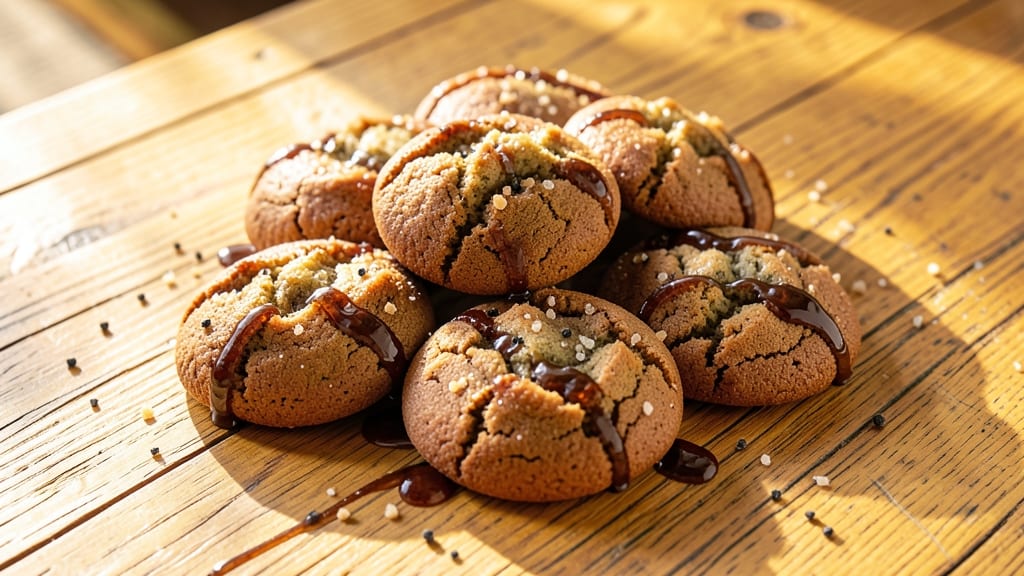
This Alabama state cookie recipe delivers the legendary Alabama Snowball—crunchy molasses cookies with gooey centers that've been a Southern staple since 1901. 💛 The secret lies in foil-sealing the dough balls during baking, creating that signature texture contrast that makes them irresistible.
These cookies carry deep regional pride, born from a church bake sale that became a state symbol.
The recipe combines simple ingredients—flour, molasses, butter, and brown sugar—but the technique is what transforms them into legendary treats. The dough balls are rolled in cinnamon sugar before baking, then sealed in foil to trap moisture.
This creates the signature crispy exterior with a soft, molasses-kissed center that melts in your mouth.
What you'll end up with is a batch of cookies that taste like a piece of Alabama history. The molasses provides a deep, caramel-like sweetness that pairs perfectly with the warm cinnamon notes.
These cookies are perfect for holiday gatherings, church potlucks, or anytime you want to share a taste of Southern tradition.
Once you try these, you'll understand why they're the official state cookie of Alabama. The foil-sealing method ensures consistent results every time, making them foolproof for both beginners and experienced bakers. Let's get started on creating these legendary treats that've been bringing people together for over a century.
Ingredients for alabama state cookie
Twelve simple pantry staples transform into Alabama's legendary foil-sealed molasses cookies.
| Ingredient | Amount | Notes |
|---|---|---|
| All-Purpose Flour 🌾 | 4 cups | Sifted for even texture |
| Unsalted Butter 🧈 | 1 cup | Cold, cubed for cutting |
| Light Brown Sugar 🍚 | 1 ½ cups | Packed firmly for accuracy |
| Molasses 🍯 | 1 cup | Unsulphured for authentic flavor |
| Large Eggs 🥚 | 2 whole | Room temperature for blending |
| Baking Soda 🧂 | 1 tsp | Freshly measured for leavening |
| Ground Cinnamon 🍃 | 1 tsp | True cinnamon, not cassia |
| Ground Ginger 🌿 | ½ tsp | Freshly ground preferred |
| Salt 🧂 | ½ tsp | Diamond Crystal preferred |
| Granulated Sugar 🍚 | ½ cup | For rolling dough balls |
| Ground Cinnamon 🍃 | 2 tbsp | Extra for rolling |
| Aluminum Foil 📄 | 1 sheet | Heavy-duty for sealing |
The molasses is the heart of these cookies—unsulphured molasses delivers that deep, caramel-like sweetness that defines Alabama Snowballs. Local Southern grocery stores often carry it, but Walmart or Kroger usually stock it too. If you can't find unsulphured, sulphured works in a pinch, though the flavor will be slightly different. For the butter, cold cubes are essential—they create flaky layers that melt into the dough. Brown sugar should be packed firmly to avoid under-sweetening. Freshly ground cinnamon and ginger elevate these beyond basic molasses cookies, so don't skip them.
No molasses? Substitute 1/2 cup dark corn syrup plus 1/4 cup honey for a similar depth of flavor, though the texture will differ slightly. For the cinnamon sugar rolling, regular granulated sugar works fine—just mix it with cinnamon. The baking soda must be fresh; if it's over a year old, replace it for proper leavening. For a deeper molasses flavor, add 1 tsp vanilla extract to the dough. The foil-sealing technique is non-negotiable—it's what creates that signature gooey center. If you're short on time, parchment paper works as a backup, though results won't be identical.
Store the dough balls in an airtight container in the fridge for up to 3 days before baking. Once baked, these cookies keep at room temperature for 1 week in an airtight container, though they're best enjoyed fresh. For longer storage, freeze unbaked dough balls on a tray before transferring to a bag—they'll keep for 3 months. Reheat baked cookies at 300°F for 5 minutes to restore their gooey centers. These cookies reheat beautifully, making them perfect for last-minute guests.
Why You'll Love This Recipe
- Pantry Magic: I swear, these cookies only need five ingredients you already own. No fancy substitutions—just flour, butter, sugar, molasses, and eggs. The kind of recipe that makes you feel like a baking genius without the grocery haul.
- Molasses Magic: That deep, caramel-like molasses flavor? It’s the star here. One spoonful transforms simple dough into something rich and chewy with just a hint of spice—like a warm hug in cookie form.
- Holiday or Snack: I’ve made these for Christmas cookie swaps, potlucks, and even as a quick after-school treat. They freeze like a dream, so you can bake a batch and pull them out whenever the craving hits.
- Budget Win: A single batch costs pennies but fills the house with smell. My kids think they’re gourmet, and honestly? Between us, they’re basically edible gold for the price.
Step-by-step instructions for Alabama state cookie recipe
Mastering these foil-sealed cookies delivers a perfect balance of crispy exterior and molasses-kissed centers.
👨🍳 Step 1: Cut the Cold Butter into the Dry Ingredients
Place the 4 cups sifted all-purpose flour, 1.5 cups packed light brown sugar, 1 tsp baking soda, 1 tsp ground cinnamon, 0.5 tsp ground ginger, and 0.5 tsp salt in a large mixing bowl. Using a pastry cutter or your fingers, work in the 1 cup cold cubed unsalted butter until the mixture resembles coarse crumbs with pea-sized butter pieces remaining. This texture is crucial—overmixing develops gluten and makes cookies tough.
Real talk: cold butter is non-negotiable here. If the butter starts to melt, chill the bowl for 5 minutes before continuing. You're aiming for a dough that holds its shape when pressed but still has visible butter flecks for that signature crunch.
🍳 Step 2: Mix in Molasses and Eggs for a Rich Dough
In a separate bowl, whisk together the 1 cup unsulphured molasses, 2 room-temperature whole large eggs, and any remaining 0.5 cup granulated sugar. Pour this wet mixture into the dry ingredients and stir gently with a wooden spoon until just combined. The dough will be sticky but manageable—don't overwork it.
Here's where the magic happens: the molasses adds deep, caramel-like flavor while keeping the centers moist. If the dough feels too wet, add 1-2 tablespoons more flour (but no more—this affects texture). The perfect consistency should hold together when pressed but still be pliable enough to roll.
🥘 Step 3: Shape and Seal in Foil for Perfect Texture
Divide the dough into 24 equal portions (about 1.5 ounces each) and roll them into balls. Roll each ball in the 2 tablespoons ground cinnamon and the remaining 0.5 cup granulated sugar until fully coated. Arrange the balls on a parchment-lined baking sheet, spacing them 2 inches apart—they'll spread.
Cut a 12-inch square from the heavy-duty aluminum foil and place it over the cookies. Press the foil edges firmly against the baking sheet to create an airtight seal. This foil trap creates steam during baking, which develops that signature crispy crust while keeping the centers soft and molasses-rich.
🔥 Step 4: Bake Until Golden and Crisp
Preheat your oven to 375°F. Bake the foil-sealed cookies for 12-15 minutes until the edges are deep golden brown and the foil is puffed slightly from steam. The centers should still look slightly underdone—they'll firm up as they cool.
This is the moment that matters: don't overbake. The cookies will continue setting on the baking sheet for 5 minutes after removal. If you lift the foil early and see the bottoms aren't golden, return to the oven for 1-2 minutes uncovered to crisp them properly.
⏰ Step 5: Cool and Enjoy for Maximum Crunch
Remove the foil and let the cookies cool on the baking sheet for 10 minutes before transferring to a wire rack. The contrast between the crispy exterior and the soft, molasses-kissed centers develops during this cooling period. For best results, enjoy them warm—they'll be at their peak texture and flavor.
If you're making these ahead, store them in an airtight container at room temperature for up to 5 days. The crunch will soften slightly over time, but the molasses flavor only deepens. For a restaurant-quality touch, dust with extra cinnamon sugar before serving.
Pro Tips For Making Alabama State Cookie
- CHILL THE DOUGH: Alabama State Cookies need to rest—at least 24 hours, ideally 48—so the molasses flavor melds properly. I used to skip this and ended up with cookies that tasted more like syrup-soaked crackers. Cover tightly and let it sit in the fridge; the wait makes all the difference.
- MEASURE MOLASSES PRECISELY: Molasses is thick and varies wildly by brand. Use a kitchen scale for accuracy (about 120g for a standard recipe) or spoon it directly from the bottle into your measuring cup—no scraping. I learned this the hard way when my cookies turned either too sweet or bitter.
- BAKE IN BATCHES: These cookies spread more than they look, so don’t overcrowd the pan. Leave at least 2 inches between cookies—they’ll puff up and flatten dramatically. I now bake two at a time and rotate the pan halfway through for even browning.
- SOFTEN BUTTER FIRST: Cold butter creates tough cookies, but melted butter makes them greasy. Instead, cut the butter into cubes and let it sit at room temperature for 30–45 minutes until it’s soft but still holds its shape. This gives you the perfect texture without the mess.
Storing and reheating this dish
Room-Temp Storage
Once baked, these Alabama Snowballs stay fresh at room temperature for up to 5 days when stored in an airtight container with parchment paper between layers. The molasses flavor actually intensifies over time, making them taste even better the next day.
I like using glass jars with tight-sealing lids—they keep the cookies from drying out while preserving that signature crunch. 💛
For maximum freshness, let the cookies cool completely before storing. I always wait 2 hours to ensure the centers set properly. If you notice any softening after 3 days, pop them in a 300°F oven for 5 minutes to restore their crispiness.
These cookies reheat beautifully while maintaining their gooey centers.
Fridge Preservation
If you want to extend their shelf life, store them in the fridge for up to 2 weeks in an airtight container. The cold temperature helps maintain their texture, though they'll be slightly less crisp than when fresh.
I recommend transferring them to room temperature for 30 minutes before serving to let the flavors soften and meld together again.
Freezer-Friendly
Unbaked dough balls freeze exceptionally well. Shape them as directed, then place on a parchment-lined tray and freeze for 1 hour to set. Transfer to a freezer bag with all air squeezed out, then store for up to 3 months.
When ready to bake, simply pop them straight from the freezer onto your baking sheet—no thawing needed! 🧊
For baked cookies, wrap them individually in plastic wrap before placing in a freezer bag. This prevents freezer burn and maintains their texture. When reheating frozen baked cookies, bake at 350°F for 8-10 minutes until warmed through. The foil-sealing method works just as well with frozen cookies!
Reheating Secrets
The key to perfect reheating is low and slow. Place cookies on a baking sheet and warm in a 300°F oven for 5-7 minutes. This gentle heat reactivates the molasses without burning the exterior.
I avoid the microwave—it turns the centers gummy rather than gooey. For a crispy finish, broil for 30 seconds at the end if needed.
Pro tip: Spritz the cookies lightly with water before reheating. This creates steam that helps restore that signature crispy crust while keeping the centers soft. A few drops of molasses brushed on top before reheating adds an extra layer of authenticity that'll impress your guests.
Nutrition facts
Frequently asked questions
Why does the Alabama Snowball recipe use foil?
The foil creates a steam chamber during baking, which builds that signature crispy exterior while keeping the molasses centers soft and gooey. Without it, the cookies would be dry and crumbly. The foil also helps them hold their shape better during baking—essential for that perfect round cookie look!
Can I make these cookies without molasses?
Yes, but the flavor will be different. Substitute ½ cup dark corn syrup plus ¼ cup honey for a similar depth of sweetness. For a closer match, try 1 cup blackstrap molasses (though it's stronger and may need less). The texture will be slightly less rich, but still delicious!
How do I fix dough that's too sticky?
If your dough feels too wet, add 1-2 tablespoons more flour at a time until it holds together when pressed. Chill the dough for 30 minutes before rolling—this helps the gluten relax and makes it easier to handle. Avoid overmixing, as this can make the cookies tough.
What's the best way to store these cookies?
Keep them in an airtight container at room temperature for up to 5 days for best texture. For longer storage, freeze unbaked dough balls for 3 months or baked cookies (wrapped individually) for 2 months. Reheat baked cookies at 300°F for 5 minutes to restore their gooey centers.
Can I use a different type of sugar?
For the best results, stick with light brown sugar for the dough and granulated sugar for rolling. Dark brown sugar will make the cookies denser, while powdered sugar won't give the same crispy texture. If you're short on time, you can substitute white sugar in a pinch, but the flavor won't be as rich.