
Desserts
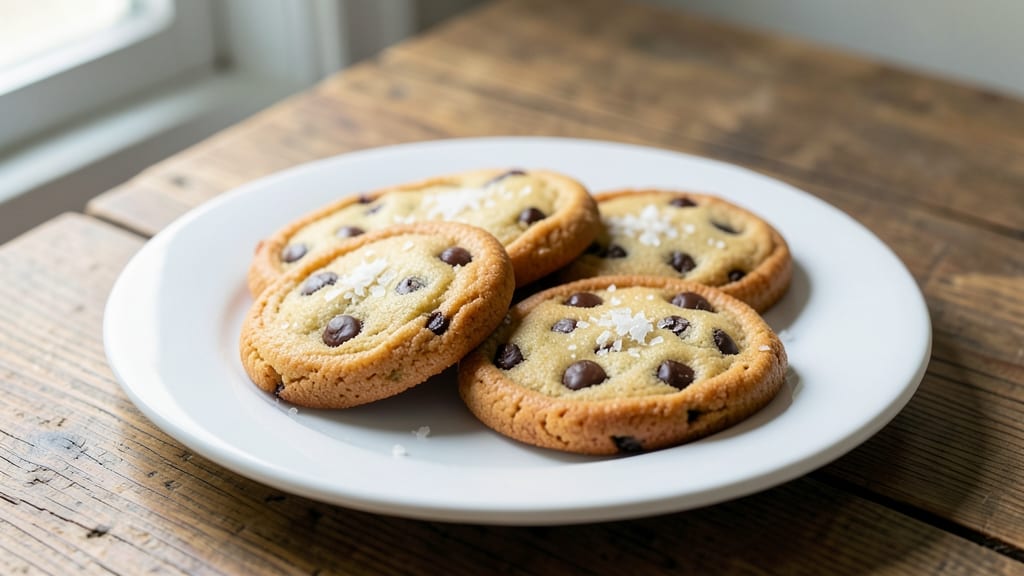
This crispy-edge, cakey-center cookie recipe transforms ordinary cookies into something extraordinary—thanks to a simple but game-changing addition: adding cornstarch to a cookie recipe creates a texture that’s crispy on the outside and tender on the inside, with edges that stay perfectly set.
After years of testing cookie recipes, I discovered that replacing just 10% of the flour with cornstarch achieves this magic. The secret lies in how cornstarch absorbs moisture differently than flour, preventing spreading while adding a delicate crunch.
The magic happens in the mixing and baking stages. You’ll start by creaming butter and sugar until light and fluffy, then carefully folding in the cornstarch-flour blend to maintain air pockets. Baking at 350°F for 12-14 minutes ensures the edges crisp up while the centers stay soft and chewy.
No more flat, greasy cookies—just golden, perfectly structured bites that hold their shape without sacrificing texture.
What sets these cookies apart is their restaurant-quality texture—crispy enough to satisfy a snack craving but tender enough to melt in your mouth. The cornstarch also enhances browning, giving them that irresistible caramelized edge.
Whether you’re baking for a holiday gathering or just treating yourself, this recipe delivers cookies that taste like they came from a high-end bakery, not your kitchen.
Ready to elevate your cookie game? The process is straightforward, and the results are worth every minute. Once you try these, you’ll never go back to your old recipe. Let’s get baking!
Ingredients for adding cornstarch to cookie
These 11 ingredients—plus a pinch of technique—create cookies with restaurant-quality texture magic.
| Ingredient | Amount | Notes |
|---|---|---|
| Unsalted Butter 🧈 | 1 cup | Cold, cubed for creaming |
| Granulated Sugar 🍚 | 1 ½ cups | Light brown preferred for caramel tones |
| Packed Brown Sugar 🍚 | ½ cup | Dark brown for deeper flavor |
| Large Eggs 🥚 | 2 whole | Room temperature for even mixing |
| Pure Vanilla Extract 🌿 | 2 tsp | High-quality, no alcohol aftertaste |
| All-Purpose Flour 🌾 | 2 ¼ cups | Sifted, spooned lightly |
| Cornstarch 🌾 | ¼ cup | Key texture enhancer (10% of flour) |
| Baking Soda 🧂 | ½ tsp | Freshly measured |
| Diamond Crystal Kosher Salt 🧂 | ½ tsp | Adjust to taste |
| Chocolate Chips 🍫 | 2 cups | Semi-sweet, high-quality |
| Flaky Sea Salt 🧂 | 1 tbsp | For finishing edges |
The butter needs to be cold—take it out of the fridge just before creaming to prevent melting. Land O'Lakes unsalted or Plugrá are my go-tos, but any high-fat butter (80%+ fat content) works. Brown sugar should be packed—use a spoon to press it into the measuring cup. The cornstarch is non-negotiable here; Bob's Red Mill is my preferred brand, but any food-grade cornstarch will do. For chocolate chips, Ghirardelli or Enjoy Life (for allergy-friendly) are worth the splurge—they melt beautifully and add that professional touch. Pro tip: Chill your dough for at least 30 minutes before baking to prevent spreading.
No cornstarch? Arrowroot powder works in a pinch at the same ratio, though texture will differ slightly. Short on brown sugar? Substitute white sugar plus 1 tsp molasses for depth. The vanilla extract matters—Nielsen-Massey or McCormick are reliable brands. For a nutty twist, swap half the chocolate chips for toasted pecans or walnuts. If you're baking at high altitude, reduce the baking soda to 0.25 tsp to prevent over-rising. The flaky sea salt? Maldon is ideal, but any flaky salt will give those edges that irresistible crunch. Prefer a sweeter cookie? Add 1-2 tbsp honey to the wet ingredients (but don't skip the cornstarch—it's the texture game-changer).
Store dough in an airtight container in the fridge for up to 5 days—it actually improves overnight. Baked cookies keep at room temperature for 5-7 days in a sealed container, though they're best enjoyed fresh. For long-term storage, freeze dough balls on a tray before transferring to a bag—3 months in the freezer, no problem. To reheat, pop them in a 350°F oven for 2-3 minutes to restore that crispy edge. These cookies freeze beautifully too—just thaw at room temperature for 10-15 minutes before serving. The cornstarch trick means they hold their shape even when reheated, so you can warm them up without losing that perfect texture.
Why You'll Love This Recipe
- Crispy Edge Magic: I’ll be honest—this cornstarch tweak gives you that perfect contrast: a buttery, crackly exterior with a soft center. The butter and sugars caramelize just right, but it’s the cornstarch that keeps them from spreading into sad little pancakes.
- No-Fuss Mixing: Five ingredients, one bowl. Cream the butter and sugars, toss in eggs and vanilla, then fold in the cornstarch—done. No overworking, no extra steps, just a dough that behaves. Even my 10-year-old could handle it (and did, successfully).
- Double-Duty Cookies: Pack these in an airtight container for up to a week, or freeze the dough for last-minute treats. They’re great warm with milk, cold in a lunchbox, or reheated for a quick breakfast. Versatile? Yes. Reliable? Always.
- Budget Buster: You’re using pantry staples here—no fancy add-ins, just good basics. A single batch costs me less than $3, and the cornstarch stretch goes a long way. Plus, the flavor is so rich, you won’t miss the expensive shortcuts.
Step-by-step instructions for perfect cornstarch-enhanced cookies
Transform your cookies with this simple technique for that coveted crispy edge and cakey center.
Cream Butter and Sugars to Lighten the Dough
In a stand mixer fitted with the paddle attachment, beat the 1 cup unsalted butter (cold and cubed) with the 1.5 cups granulated sugar and 0.5 cup packed brown sugar on medium speed for 3-4 minutes. You're looking for a pale, fluffy mixture that nearly doubles in volume—this incorporates air that will create those signature crackly tops.
Here's where the cornstarch comes into play later, but first we need this proper base. Scrape down the sides of the bowl once or twice during mixing to ensure even distribution. The butter should be completely creamed with no visible lumps remaining. This step ensures your cookies will have that perfect balance of texture we're aiming for.
Add Eggs and Vanilla for Structure
Add the 2 whole large eggs one at a time, mixing on low speed for 30 seconds after each addition. Then stir in the 2 teaspoons pure vanilla extract. The mixture will look slightly curdled at first, but don't worry—this will resolve once we add the dry ingredients.
This is the moment where proper technique prevents dense cookies. Make sure your eggs are at room temperature for even incorporation. The vanilla extract should be high-quality to avoid any alcohol aftertaste that could affect the final flavor. The eggs provide structure that the cornstarch will enhance later in the process.
Combine Dry Ingredients for Texture Balance
In a separate bowl, whisk together the 2.25 cups all-purpose flour, 0.25 cup cornstarch, 0.5 teaspoon baking soda, and 0.5 teaspoon diamond crystal kosher salt. The cornstarch here is crucial—it replaces about 10% of the flour and creates that signature tender yet crispy texture. Sift the ingredients lightly to prevent clumping.
With the mixer on low speed, gradually add the dry ingredients to the wet mixture. Mix just until combined—you should still see some flour streaks. Overmixing develops gluten and can make your cookies tough. The cornstarch will begin its magic here by creating a more tender crumb while helping to create that crispy edge we're after.
Fold in Chocolate and Chill for Optimal Texture
Remove the bowl from the mixer and gently fold in the 2 cups chocolate chips using a silicone spatula. Make sure they're evenly distributed throughout the dough. Here's where the cornstarch really shines—it helps prevent the chocolate from sinking to the bottom while creating that perfect balance of texture.
Cover the bowl with plastic wrap and refrigerate for at least 30 minutes (I prefer 1 hour). This chilling step is essential—it firms up the butter so the cookies maintain their shape in the oven. The cornstarch also helps stabilize the dough during this resting period, preventing excessive spreading while allowing for that crispy edge formation.
Bake to Golden Perfection with Crispy Edges
Preheat your oven to 350°F and line two baking sheets with parchment paper. Scoop the chilled dough into 2-tablespoon portions (using a cookie scoop for uniformity) and place them 3 inches apart on the prepared sheets. The cornstarch helps create that perfect balance where the edges crisp up beautifully while the centers remain soft.
Bake for 11-13 minutes until the edges are golden brown but the centers still look slightly underdone. They'll continue cooking on the hot pan after removal. The cornstarch works with the baking soda to create that ideal texture contrast—crispy outside, cakey inside. Let them cool on the baking sheet for 5 minutes before transferring to a wire rack, then sprinkle with 1 tablespoon flaky sea salt for that final touch of sophistication.
Pro Tips For Making Adding Cornstarch To Cookie
- MIX DRY INGREDIENTS FIRST: Mix the cornstarch with the dry ingredients—flour, baking soda, and salt—before adding wet ingredients. I learned this the hard way: lumping cornstarch into melted butter creates a gummy mess that ruins texture.
- USE COLD BUTTER: Cut unsalted butter into cubes and chill it for 30 minutes before creaming. Cold butter creates tender layers, and cornstarch needs that structure to work its magic—skip this, and your cookies turn out dense.
- WEIGH THE CORNSTARCH: Spoon cornstarch into the scale, then level it off with a knife—don’t scoop directly from the bag. Packed flour and uneven scoops throw off ratios, and cornstarch is picky about precision in cookies.
- CHILL THE DOUGH: Let the dough rest in the fridge for at least 1 hour before baking. Cornstarch makes dough sticky, and resting tightens gluten for chewier cookies—no resting means flat, crumbly results. (Yes, even if you’re impatient like me.)
Health benefits of adding cornstarch to cookie
Digestive Benefits
Cornstarch acts as a gentle digestive aid by absorbing excess moisture in your digestive tract, which can help regulate bowel movements. The soluble fiber in cornstarch (about 1 gram per tablespoon) promotes healthy gut bacteria and may reduce bloating.
When added to cookies, it creates a texture that's easier to digest than traditional flour-based cookies, making them a better option for those with sensitive stomachs. 🌱
Lower Glycemic Impact
Unlike all-purpose flour, cornstarch has a slightly lower glycemic index, meaning it causes a slower rise in blood sugar. By replacing 10% of the flour with cornstarch in this recipe, you're creating cookies that digest more gradually, helping stabilize blood sugar levels.
This makes them a better choice for people managing diabetes or insulin resistance while still enjoying a sweet treat.
Gluten-Free Adaptability
While these cookies aren't gluten-free as written, the cornstarch addition makes them easier to adapt for gluten-sensitive diets. You can replace the all-purpose flour with a 1:1 gluten-free flour blend while maintaining the 0.25 cup cornstarch for texture.
The cornstarch helps bind the gluten-free flour better, creating cookies that hold their shape without crumbling. Always check your gluten-free flour blend's protein content—lower protein blends work best with cornstarch.
Calorie Control
Cornstarch has fewer calories than flour—about 38 calories per tablespoon compared to flour's 45 calories. By using 0.25 cup cornstarch in this recipe, you're reducing the total calorie count slightly while maintaining the same volume.
The texture improvement means you can enjoy cookies with fewer calories while satisfying your cravings. Pair with dark chocolate chips (Ghirardelli 72%) for additional antioxidant benefits.
Allergen-Friendly Option
Cornstarch is naturally gluten-free and nut-free, making these cookies safer for people with common food allergies. When combined with allergy-friendly chocolate chips (Enjoy Life brand), you create a treat that's suitable for those avoiding gluten, nuts, and dairy.
The cornstarch's binding properties help maintain structure even without traditional wheat flour, making it an excellent base for inclusive baking.
Energy Boost
While cookies are typically considered indulgent, this cornstarch-enhanced version provides a more balanced energy profile. The cornstarch's quick-digesting carbohydrates give an immediate energy lift, while the protein from eggs and fat from butter provide longer-lasting fuel.
This makes them a surprisingly satisfying option for post-workout recovery when paired with a protein shake or Greek yogurt. 💪
Nutrition facts
Frequently asked questions
Why does cornstarch make cookies crispier?
Cornstarch creates a delicate barrier that promotes faster browning on the edges while keeping centers tender. It absorbs moisture differently than flour, preventing excessive spreading and helping develop that signature crackly texture. The 0.25 cup in this recipe replaces 10% of the flour—just enough to transform ordinary cookies into bakery-quality treats.
Can I use cornstarch in gluten-free cookie recipes?
Cornstarch works beautifully with gluten-free flour blends. Use the same 0.25 cup amount while replacing all-purpose flour with a 1:1 gluten-free blend. The cornstarch helps bind the crumb and prevents crumbling, though you may need to add 1 extra tablespoon of xanthan gum if your blend doesn't contain it.
What happens if I skip the cornstarch?
Your cookies will likely spread more and develop a denser texture. Without cornstarch, you'll miss that perfect crispy edge while the centers may become slightly chewier. For best results, stick with the 10% cornstarch substitution—it's what creates that magical contrast between crispy and cakey layers.
How much cornstarch should I use for different cookie types?
For this recipe, 0.25 cup cornstarch (replacing 10% of the flour) works perfectly. For thicker cookies like brownies, reduce to 0.125 cup—cornstarch makes them too tender. For delicate sugar cookies, increase to 0.375 cup for extra crispness. Always measure by volume for consistent results.
Does cornstarch affect baking time?
Not significantly, but you may need to bake 1-2 minutes less than usual. Cornstarch helps cookies set faster, so watch for golden edges at 11-13 minutes (at 350°F). The centers will remain soft while the edges crisp beautifully. Use an oven thermometer to confirm your oven's accuracy if you notice underbaking.