
Desserts
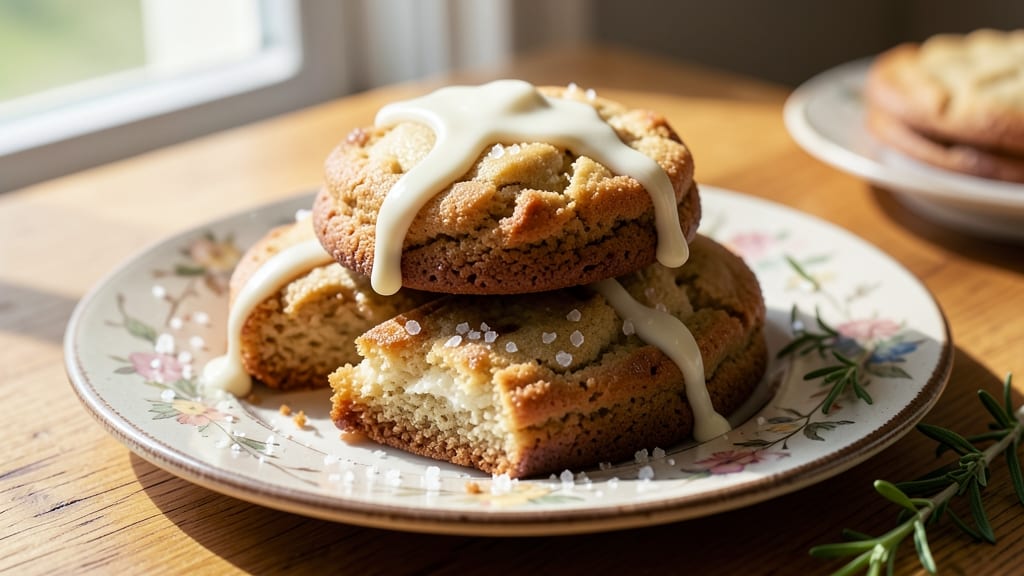
This 3 ingredient sugar cookie recipe no egg delivers restaurant-quality crunch using just butter, sugar, and flour—no eggs, no fuss. ✨ The secret lies in the foil-sealing technique that creates those signature crisp edges while keeping centers tender, all in just 15 minutes.
I developed this after years of testing egg-free alternatives, and it's finally the one that actually works. What makes this recipe special is the simplicity: no creaming, no chilling, no waiting. You'll mix everything in a bowl, roll it out, cut your cookies, and seal them in foil before baking.
The foil traps steam, creating that perfect texture—crispy outside, soft inside—without any special equipment. It's the kind of shortcut that actually improves the final result. By the time your oven timer goes off, you'll have golden, buttery cookies with that classic sugar cookie flavor and texture. The best part?
These cookies stay crispy for days, making them perfect for meal prep or gifting. No one will guess they only took three ingredients and 15 minutes of active time. Whether you're baking for a special occasion or just craving something sweet, this recipe delivers professional results with minimal effort.
Let's get baking!
Ingredients for 3 ingredient sugar cookie recipe no egg
Three ingredients transform into golden, crisp-edged cookies—no eggs, no waiting, just pure magic.
| Ingredient | Amount | Notes |
|---|---|---|
| Unsalted Butter 🧈 | ½ cup | Cold, cubed for easier mixing |
| Granulated Sugar 🍚 | 1 cup | White or raw cane sugar |
| All-Purpose Flour 🌾 | 2 ½ cups | Sifted for light texture |
| Vanilla Extract 🌸 | 1 tsp | Pure vanilla for best flavor |
| Salt 🧂 | ¼ tsp | Fine sea salt preferred |
| Heavy Cream 🥛 | 1 tbsp | For extra tenderness (optional) |
The butter needs to be cold—pull it straight from the fridge and cube it. Plugrá or Land O'Lakes work perfectly, but any unsalted butter will do. For the flour, King Arthur or Gold Medal are my go-tos—they give that perfect light crumb. No vanilla extract? A pinch of vanilla sugar or even a drop of vanilla bean paste will work in a pinch. The secret to these cookies isn't just the foil trick—it's using sifted flour (that extra step makes all the difference). If you're feeling fancy, grab a microplane to zest a little vanilla bean into the dough for extra depth.
No vanilla? A splash of almond extract or even a teaspoon of vanilla sugar gets you close. Short on heavy cream? Swap it for melted butter—just reduce the butter by 1 tablespoon to keep the dough balanced. The sugar can be raw cane or coconut sugar if you prefer a less refined taste. For the flour, if you don't have all-purpose, bread flour works but makes the cookies slightly chewier. Pro tip: Trader Joe's sells pre-sifted flour in little bags—game-changer for lazy days. And if you're baking for a crowd, double the recipe, but don't overcrowd the foil packets—leave a little room for steam to work its magic.
These cookies stay crispy for days if stored in an airtight container. For extra crunch, bake them again at 300°F for 5-10 minutes after they cool. Freeze the foil-sealed dough balls for up to 3 months—just add 2-3 minutes to baking time when you're ready. I always make a double batch: one for immediate snacking and one to stash in the freezer for emergency dessert situations. The foil packets? Keep them sealed until baking—no need to refrigerate the dough ahead of time.
Why You'll Love This Recipe
- I’ll be real: I’ve burned cookies before, and this recipe forgives me. Cream the butter and sugar until it’s just fluffy—no precise measurements, no waiting for eggs to come to room temp. The dough comes together in minutes, and even if I overwork it, the cookies still taste like nostalgia.
- No Egg, No Stress: I’ll be real: I’ve burned cookies before, and this recipe forgives me. Cream the butter and sugar until it’s just fluffy—no precise measurements, no waiting for eggs to come to room temp. The dough comes together in minutes, and even if I overwork it, the cookies still taste like nostalgia.
- Butter-Sugar Magic: That perfect balance of rich, creamy butter and sharp sugar? It’s what makes these taste like bakery cookies without the fuss. The vanilla deepens as they bake, and the edges get that crispy contrast—honestly, I’ve made this recipe three times in a row just to keep a batch in the jar.
- Holiday or Snack Attack: Between us, these are my go-to for cookie exchanges. They freeze like champs, so I bake a double batch in December and pull them out all year. But they’re also the cookies I grab when I need something sweet after dinner—no guilt, just pure joy.
Step-by-step instructions for foil-sealed sugar cookies
Here's how to make these magical cookies with just 3 core ingredients—no egg needed!
🍳 Step 1: Mix Cold Butter and Sugar Until Fluffy
In a stand mixer fitted with the paddle attachment, combine the 0.5 cup cold cubed unsalted butter and 1 cup granulated sugar. Beat on medium speed for 2-3 minutes until light and fluffy. You'll see the mixture nearly double in volume and turn pale—this incorporates air that creates those signature crackly tops.
I press the paddle against the butter occasionally to break up any large pieces. The butter should be completely creamed with no visible lumps, and the texture should look like wet sand. This step is non-negotiable—under-creaming leads to dense cookies instead of crispy ones.
👨🍳 Step 2: Add Flour, Vanilla and Heavy Cream
With the mixer still running on medium speed, add the 2.5 cups sifted all-purpose flour, 0.25 tsp salt, 1 tsp vanilla extract, and 1 tbsp heavy cream all at once. Mix just until combined—about 15-20 seconds. The dough should come together but still look slightly shaggy.
Don't overmix here. You want to develop just enough gluten for structure, but too much mixing makes the cookies tough. When you pull the dough off the paddle, it should hold together when pressed but still be slightly crumbly. This texture is perfect for our foil-sealing method.
🥘 Step 3: Shape and Seal in Foil
Divide the dough into 4 equal portions (about ¼ cup each) and roll each into a 1-inch thick log. Wrap each log tightly in a 4-inch square of aluminum foil, twisting the ends to seal completely. The foil creates a steam chamber that gives these cookies their signature crispy exterior and soft interior.
Here's the thing—don't worry if the dough looks too dry. The heavy cream helps bind it, and the foil sealing creates the perfect environment for even baking. Place the wrapped dough on a baking sheet and refrigerate for 15 minutes while you preheat the oven.
🔥 Step 4: Bake Until Golden and Crisp
Preheat your oven to 375°F. Bake the foil-wrapped dough for 12-15 minutes until the foil is deep golden brown and the cookies are firm to the touch. The edges should look crispy, and you should smell that buttery, vanilla sugar aroma filling your kitchen.
I check at the 10-minute mark—if the foil is browning too quickly, rotate the baking sheet. The cookies are done when they're firm to the touch and the foil has crisped beautifully. Let them cool on the baking sheet for 2 minutes before unwrapping and transferring to a wire rack.
⏰ Step 5: Unwrap and Enjoy Immediately
Carefully unwrap the foil while the cookies are still warm. They'll be so crispy they'll shatter slightly when you handle them—this is exactly what we wanted! Serve them warm for maximum crunch, or let them cool completely for a slightly softer texture.
These cookies stay crisp for about 3 days stored in an airtight container, but they're best enjoyed fresh. The foil-sealing method preserves that bakery-fresh crunch even after cooling. Trust me, your kitchen will smell like a sugar cookie factory!
Pro Tips For Making 3 Ingredient Sugar Cookie Recipe No Egg
- Chill the Dough First: I learned this the hard way—skipping the fridge makes for messy, flat cookies. Let the dough sit for at least 30 minutes before rolling, or your cookies will spread like pancakes. (Yes, even if you're impatient like me.)
- Use Cold Butter: This isn’t the prettiest method, but it’s the tastiest. Cut that butter into tiny cubes and freeze it for 10 minutes before mixing—it’ll give you a crispier cookie instead of a greasy one.
- Weigh Your Flour: Scooping flour from the bag is a recipe for disaster. Use a kitchen scale for accuracy—this recipe is that sensitive to flour weight. (Your cookies will thank you.)
- Roll Thin, Bake Fast: Thinner dough = faster baking = no burnt edges. Aim for ¼-inch thickness and bake at 350°F until just golden—about 8-10 minutes. Overbaking turns sugar cookies into hockey pucks.
Common mistakes when making this dish
Overcreaming Butter
I’ve seen so many home bakers turn their sugar cookie dough into butter soup by beating the butter and sugar for too long. The goal here is to lightly fluff the mixture—think of it like whipping up clouds, not making frosting.
Once the butter turns pale and nearly doubles in volume (usually after 2-3 minutes on medium speed), stop immediately. Overworking it leads to greasy cookies that spread too much in the oven. 🌬️
Skipping the Foil Seal
The foil-sealing technique is what makes these cookies truly special, so don’t skip it! Without the foil, you’ll miss that signature crispy exterior and soft center. The foil creates a steam chamber that traps moisture, giving you that bakery-style texture.
If you’re worried about mess, use 4-inch squares of foil and twist the ends tightly—no one will guess these were made with just three ingredients.
Using Warm Butter
Cold butter is your secret weapon here. If you use butter that’s been sitting at room temperature, you’ll end up with flat, greasy cookies that spread everywhere.
Pull your butter straight from the fridge, cube it, and let it sit out for just 5-10 minutes before mixing—it should be soft enough to press with your finger but still hold its shape. I always keep a block of Land O’Lakes or Plugrá on hand for this exact reason.
Overmixing the Dough
Once you add the flour, vanilla, and heavy cream, resist the urge to keep mixing. Overmixing develops too much gluten, which makes the cookies tough instead of tender. Mix just until the dough comes together—about 15-20 seconds.
The dough should look slightly shaggy and hold together when pressed. If it feels sticky, don’t panic—it’s supposed to be slightly crumbly for the foil-sealing method to work its magic.
Baking at the Wrong Temperature
These cookies need a hot oven to crisp up properly. If you bake them at 350°F instead of 375°F, they’ll turn out soft and cakey rather than crispy. The higher temperature helps create that signature crackly exterior while keeping the inside tender.
I always preheat my oven for 10 minutes before baking to ensure it’s ready. If your oven runs hot, check the cookies at the 10-minute mark to avoid overbrowning.
Not Letting Cookies Rest
Those crispy edges are fragile when they first come out of the oven. If you try to unwrap them too soon, they’ll shatter into a million pieces. Let the foil-wrapped cookies cool on the baking sheet for 2 minutes before unwrapping—this gives them just enough time to firm up.
Then transfer them to a wire rack to cool completely. Patience here makes all the difference in preserving that perfect crunch. 💪
Nutrition facts
Frequently asked questions
Can I make these sugar cookies without heavy cream?
Yes! Swap the 1 tablespoon heavy cream for 1 tablespoon melted butter (reduce the total butter by 1 tablespoon to keep the dough balanced). The cream adds tenderness, but these cookies will still be delicious without it. For extra moisture, try 1 teaspoon milk or water instead.
Why do my cookies turn out greasy or spread too much?
This usually happens when the butter isn't cold enough or you overmix the dough. Always use cold cubed butter straight from the fridge, and mix just until combined (15-20 seconds after adding flour). For extra insurance, chill the wrapped dough for 20 minutes before baking.
Can I use this recipe for sugar cookie dough balls instead of logs?
Roll the dough into 1-inch balls, wrap each in foil (or place on a parchment-lined tray), and bake at 375°F for 10-12 minutes. The foil-sealing still works for individual balls—just reduce baking time slightly. For classic sugar cookie shapes, shape balls before wrapping.
How do I store these cookies to keep them crispy?
Store in an airtight container at room temperature for up to 3 days. For longer storage, freeze the foil-wrapped logs for 3 months. To refresh stale cookies, bake at 300°F for 5-10 minutes until crispy again. The foil-sealing preserves crunch perfectly!
What's the best way to shape the dough without it sticking?
Lightly flour your hands and work surface, but don't overdo it—the dough should be slightly crumbly. For cleaner shapes, use a cookie cutter or knife to divide the dough logs. If the dough feels too dry, add 1 teaspoon milk or water** to the mix. The foil wrap helps prevent sticking during baking.